
Relief
Stiller than Happiness
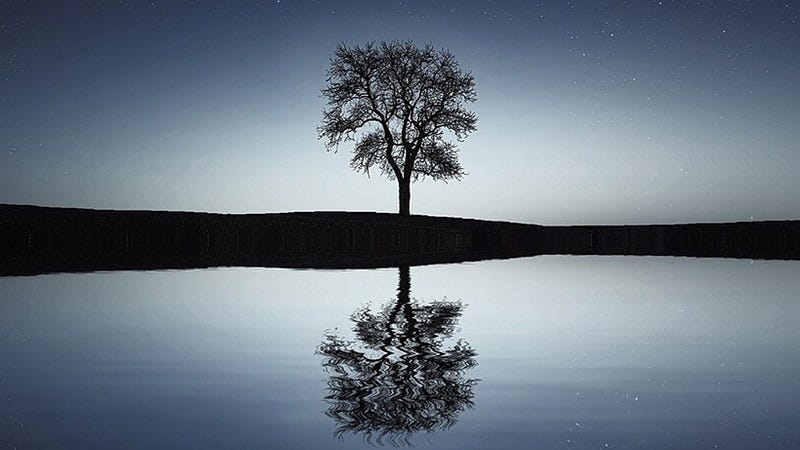
The joy I find in still sitting feels more like relief than happiness
In my still sitting (aka meditation), the happiness I sense, taste, and softly sample now and then is not particularly boisterous. It is a quiet bliss tasting more of relief than of anything else.
It is a diaphanous joy that slowly rises and kisses you when you relieve yourself of spiritual burdens, when you glimpse a truth you recognize as truth even if at a far-off distance.
It is the welling up of trust, a warm certainty that the path you are on is in fact the right one for you, and you can take a deep breath and trim your sails and feel the boat ease over slightly to starboard as the wind finds new purchase and the boat surges forward.
There’s nothing like it. I should know. I lived on and sailed a Catalina 36 for a while and still hold sailing second only to meditation.
Meditation manuals often describe the joy of concentration as bliss, as happiness, joy, pleasure, delight — pick your own synonym — sometimes so strong that you’ll hum or shiver with delight. I have found that, for me, the feeling (though it is a happy one, of course) is not quite so drastic. It is sweet relief.
The bliss I experienced during my fortuitous 1968 stumble toward what I thought of as Nirvana then, was like an orgasmic rush of light, surging from feet through legs and body and invading my head like a welcome conqueror. I have not experienced anything like it since, but I have read many accounts of those who have and they all ascribe it to meditation and concentration.
Yes, I have in many ways strived to re-experience that almost (by comparison) violent bliss of 1968, but I am equally pleased to have found a shade of relief that brings as much certainty — possibly more — as that youthful eruption.
The Buddhists talk of two strands of meditation — though the jury is still out on whether the Buddha himself talked about two strands or not:
Samatha and Vipassana.
Samatha is about tranquility and concentration. Vipassana is about insight; the word itself literally means “see in”.
Samatha, with its spacious, peaceful, focused stillness paves the way for Vipassana to illuminate all that needs to be seen, discerned, and let go.
Samatha removes all distractions to let the spirit look, really look, at what now percolates into view from who knows precisely where. And shining the light of clear seeing, the spirit can now see, confront, discern, and once fully discerned, let go, and to now replace the seen with wisdom.
When this, on delightful occasions, happens, is there any wonder that the feeling is glorious relief?
Relief from darkness.
Relief from ignorance.
Relief from, yes, prison.
© Wolfstuff
P.S. If you like what you’ve read here and would like to contribute to the creative motion, as it were, you can do so via PayPal: here.


