Relationship between Caloric Surplus and Muscle Growth
From a thermodynamic perspective, there is an increase in tissue (anabolism), be it muscle or fat if there is a positive input compared to our daily metabolism.
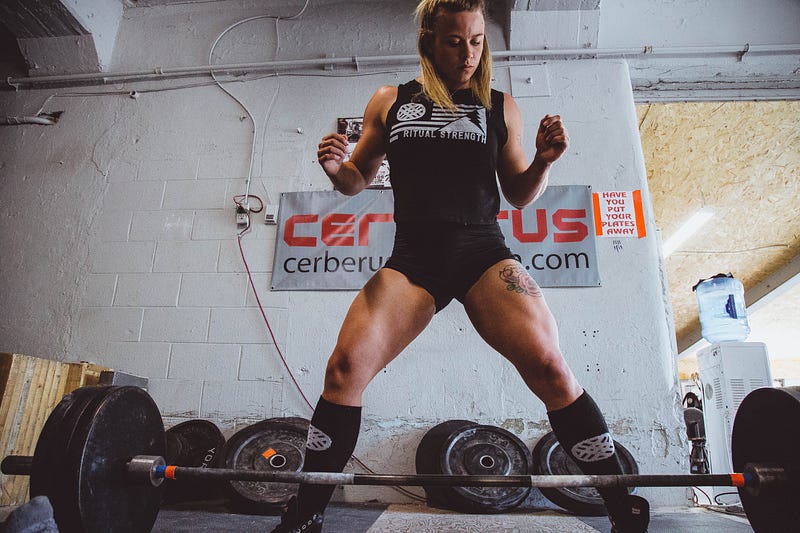
We know that the breakdown and subsequent regeneration of muscle fibers caused by training and rest, respectively, in addition to the caloric excess will bring us benefits in terms of the increase in muscle mass levels, it will then be that the increase in the caloric excess is proportional to the muscle we gain?!
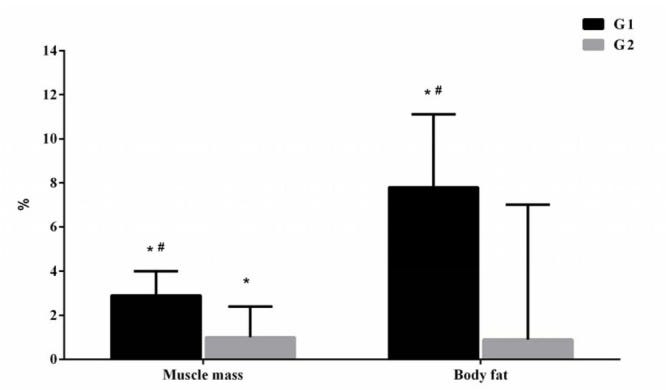
A study published by Sciendo (Pilot Study) to determine the effects of different caloric amounts in combination with progressive resistive training on body composition suggested that the more energy (kcal) together with training (mechanical stimulation) induces a greater increase in muscle mass levels, but also the increase in body fat levels, but in which proportion? — To answer this question in this study, eleven male individuals with an average age of 27 years, 90 kilos and 177 cm were divided in an unplanned way into two groups and their body composition was evaluated in both, the first group ingested a higher amount of kcal (G1–67.5 ± 1.7 kcal/kg) and the second group a lower amount of kcal ensuring the caloric excess (G2–50.1 ± 0.51 kcal/kg). The two groups trained 6 times a week for 4 weeks, at the end the body composition was again evaluated. For muscle mass, the study revealed what would be expected, a greater gain for group 1 compared to group 2, however, the gain of fat mass for group 1 was much higher when compared to group 2 (image below).
Conclusion
We can conclude that a higher caloric excess will bring us greater effects in terms of muscle mass gain, but does it compensate for the adipose tissue that comes from a diet that is richer in calories ?!
Versão em Português
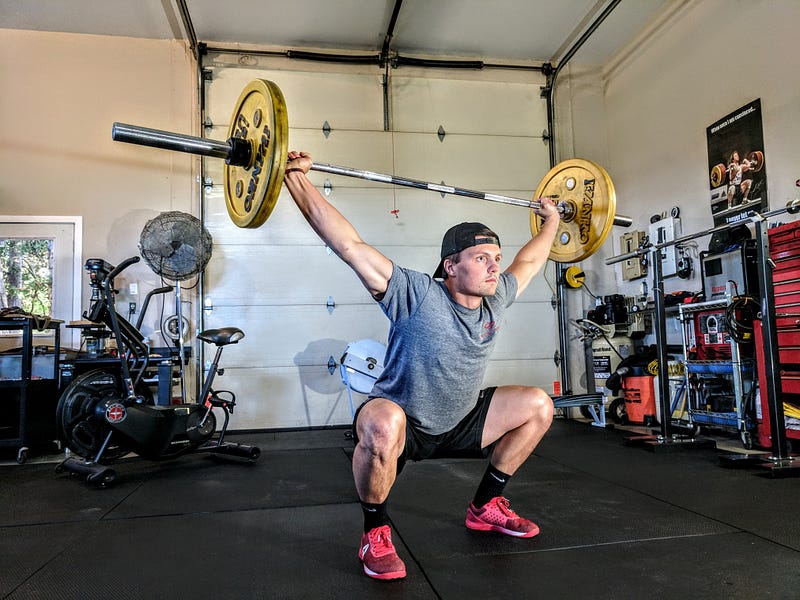
De um ponto de vista termodinâmico, existe aumento de tecido (anabolismo), seja ele muscular ou adiposo se existir um input positivo comparativamente ao nosso metabolismo diário.
Sabemos que a rutura e posterior regeneração de fibras musculares provocadas pelo treino e descanso, respetivamente, a somar ao excesso calórico nos trará benefícios a nível do aumento dos níveis de massa muscular, será então que o aumento do excesso calórico é proporcional ao músculo que ganhamos?!
Um estudo publicado pela Sciendo (Estudo Piloto) com o objetivo de determinar os efeitos de diferentes quantidades calóricas em combinação com treino resistivo progressivo na composição corporal sugeriu que quanto mais energia (kcal) juntamente com o treino (estímulo mecânico) induz num maior aumento dos níveis de massa muscular, mas também o aumento dos níveis de gordura corporal (imagem 2), mas em que proporção?
Para responder a esta pergunta neste estudo onze indivíduos do sexo masculino com idades na média dos 27 anos, 90 quilos e 177cm foram divididos de forma não programada em dois grupos sendo avaliada a composição corporal nos dois, o primeiro grupo ingeriu uma quantidade mais alta de kcal (G1–67.5 ± 1.7 kcal/kg) e o segundo grupo uma quantidade mais baixa de kcal assegurando na mesma o excesso calórico (G2–50.1 ± 0.51 kcal/kg). Os dois grupos treinaram 6 vezes por semana durante 4 semanas, no final foi avaliada novamente a composição corporal. Para a massa muscular o estudo revelou o que seria de esperar, um maior ganho para o grupo 1 comparativamente ao grupo 2, no entanto o ganho de massa gorda para o grupo 1 foi muito mais elevado comparando com o grupo 2 .
Podemos concluir que um excesso calórico mais elevado nos trará sim, maiores efeitos a nível de ganho de massa muscular, mas será que compensa o tecido adiposo que provém de uma alimentação mais rica em calorias?!