
Mental Health
Rejection, In Any Form, Triggers Painful Emotions
Learn how to cope with rejection
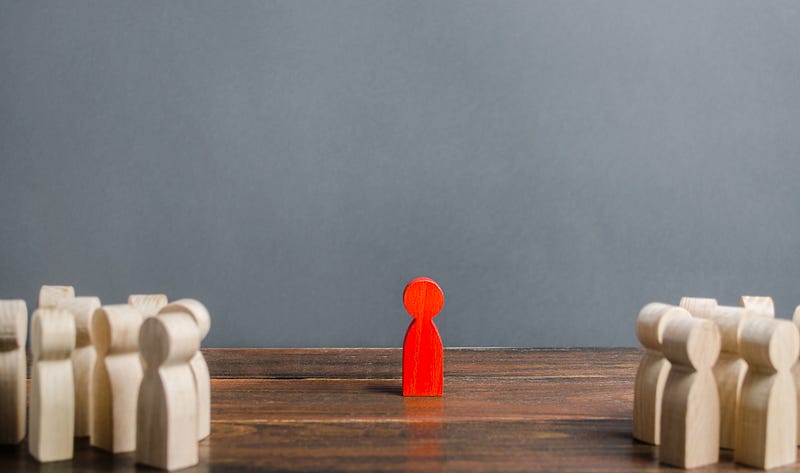
“When someone rejects you, for whatever reason, that rejection reflects their wants, not your limitations. You are in no way defined by the rejection, or the acceptance, of anyone else. And as hard as it can be to see it as such, there is just as big a gift in not connecting with those who don’t see your value, as there is a uniting with those who do.” ~ Scott Stabile
Rejection comes in many forms, but the result is the same. It leaves us feeling like we are not good enough, unloveable, and inadequate. We will all experience rejection at some point in life, but sadly some experience chronic rejection, which can cause psychological and physical long-term problems.
When we look at Maslow’s Hierarchy of Needs, love and belonging are basic needs. As humans, we are hardwired to connect with others. Those who live in Blue Zones, where each person contributes to the community, are said to have the longest life span.
Rejection triggers anger, sadness, jealousy, inadequacy, shame, low self-esteem, depression, and anxiety.
The good news is we are generally resilient regarding recovery from rejection. Those who suffer chronic rejection may experience trauma as a result.
Examining Various Forms of Rejection
- Family Rejection — you may have experienced abuse or neglect as a child, you may not receive the love you need, and your family may not approve of your choices or lifestyle.
- Social — again, as early as childhood, you may have gotten chosen last on the kickball team, you may have been bullied, or as adults, you may have friends who do not reciprocate calls and get-togethers. You may feel intimidated or bullied in the workplace.
- Romanticly — you may feel rejected if you call someone and they never return your message, and you may get denied for dates or friend-zoned.
- Relationship — rejection in a relationship may look like your significant other spending more time with their friends than you, not appreciating your efforts, not returning bids for attention (will address more later), or withholding physical or emotional intimacy. And a breakup is the ultimate form of rejection.
- Stranger — yes, we can even feel rejected when a stranger does not return a greeting, give a dirty look, or they mock us.
Bids For Attention
John Gottman is a well-known relationship therapist. He teaches that when we miss bids of attention, our significant other feel they are not important and often experiences rejection.
A bid for attention can be a text or phone call, a compliment, or any gesture that signals a need for attention. Your partner may send a random text, but the bigger picture is that they were thinking of you. If you do not return it promptly, they may feel you do not care. Missing bids of attention can easily lead to resentment.
“A bid is any attempt to another for attention, affirmation, affection, or any other positive connection.”
Results of Chronic Rejection
Chronic rejection can lead to isolation and leave a person feeling shame, lonely, and depressed. Shame is a dangerous emotion that leads to perfectionism, addictions, self-harm, and low self-esteem.
Someone with chronic rejection may have poor sleep habits and immune systems.
How to Cope With Rejection
- Do not take it personally.
- Drop the expectations for the outcome.
- Avoid rebounding and running to others to be soothed. Go within and find a hobby or project that can provide gratification.
- Seek therapy.
Conclusion
After being rejected, it is common to feel unworthy, unlovable, and inadequate, but that is not the truth. Do not define your self-worth by the actions or opinions of others.
Be kind to yourself and quiet the inner critic. Stay healthy — practice good sleep habits, eat well and move your body. Never let rejection define who you are.
Finally as you overcome rejection, practice processing, expressing, and regulating emotions. If being rejected triggers anger, learn how to channel that. Instead of punching a wall or hurting someone, scream into a pillow or go for a run.
Everything is temporary, and this, too, shall pass.
“Shame- the intensely painful feeling that we are flawed and therefore unworthy of love and belonging. ‘I am bad.’ ‘I am a mess.’ The focus is on self, not behavior, with the result that we feel alone. Shame is never known to lead us toward positive change.” ~ Brene Brown