
Reinventing Comfort: The Unlikely Journey of airweave Mattress Company
In a society that is constantly on the move, sleep has become a luxury. According to data from Japan’s Ministry of Health, Labor and Welfare, 30% to 40% of Japanese adults suffer from chronic insomnia or sleep disorders. Such conditions can lead to significant psychological stress, affecting daily performance at work or even an athlete’s performance in competitions. The tale of airweave, a renowned mattress company, is a poignant reflection of this concern and the untapped potential in the sleep industry.
From Fishing Lines to Innovative Comfort
airweave began its journey not as a bedding company, but as a factory in central Japan specializing in the production of nylon fishing lines. With the influx of cheap competition from China and Southeast Asia, orders declined, and the company was on the verge of extinction.
This scenario changed the life of a young entrepreneur named Takaoka Motokuni. He took over the struggling factory from his uncle, with a determination not to let it close down. Faced with a shrinking fishing line market, Takaoka pivoted, focusing on cushioning materials for various applications. Despite initial failures and losses, he saw potential in using the technology to create mattresses.
Inspired by personal experiences and recognizing the societal issue of sleep disorders, Takaoka developed a thin mattress made from polyethylene resin, which significantly alleviated his own neck stiffness. He was ready to revolutionize the sleep industry.
Breaking Barriers and Building a Brand
Initially, Takaoka planned to sell his innovative mattress material to well-known bedding brands. However, he stumbled upon an industry secret: bedding brands were uninterested in material innovation since consumers rarely change mattresses.
Undeterred, Takaoka founded his own brand, airweave, in 2007. Yet, launching a new product without consumer recognition was a daunting task. After struggling in the market, he took a unique approach through experiential marketing, targeting athletes who needed quality sleep.
Olympic Dreams and Unexpected Success
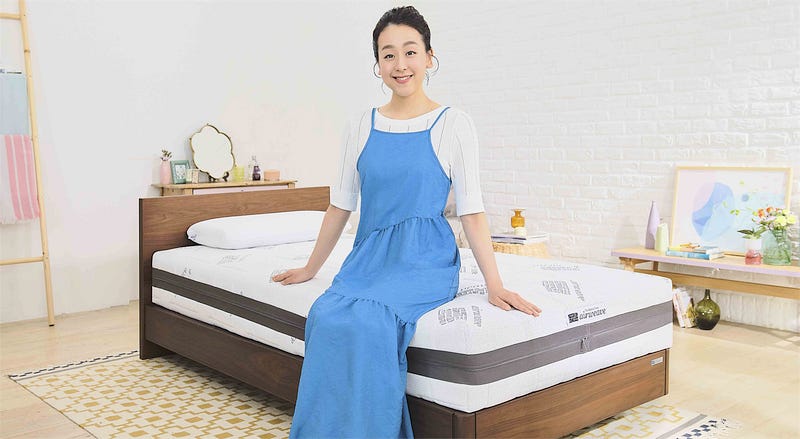
Takaoka’s product found praise among Olympic swimmers like Hiroshi Tanibashi and Kosuke Kitajima. However, real success came unexpectedly when figure skater Mao Asada was photographed with a reminder on her arm to take her airweave mattress. The brand went viral, and orders soared.
Even though Asada retired, her relationship with airweave continued. Takaoka’s leadership philosophy was rooted in mutual understanding and experience, not just fame. His confidence in his product was unwavering, making airweave not just a product but a symbol of trust and innovation.
Challenges and Triumphs: Expanding Horizons
airweave’s journey was not without stumbling blocks. While Taiwan proved a fair market, the U.S. expansion resulted in a loss of 2 billion yen. Yet, Takaoka was undeterred, learning from failure, and inventing a three-part mattress system that became a hit at the Tokyo 2020 Olympics.
The brand was then designated the sole bedding brand for the 2024 Paris Olympics. This recognition led to a dilemma for Takaoka, whether to proceed with the planned IPO or postpone it to focus on the Olympics. He chose the latter, fully aware of the financial commitment required as an Olympic sponsor.
Conclusion: A Legacy of Innovation and Persistence
Takaoka’s story is not just about business success but a testament to ingenuity, resilience, and a commitment to social good. airweave transformed from a struggling fishing line factory to a symbol of innovative comfort, driven by a belief in technological prowess, societal contribution, and employee well-being.
In the face of challenges and the unique demands of sleep culture, airweave found its place, not only among athletes but in the homes of many seeking better sleep. Takaoka’s ability to think outside the box and his unwavering faith in his product have shaped airweave’s legacy, proving that success is not just about an idea, but the confidence and perseverance to make it a reality.
This story reminds us that there is room for innovation even in the most unexpected places, and the right combination of insight, creativity, and tenacity can turn an ordinary product into an extraordinary solution. In the world of business, as in sleep, comfort might be closer than we think; we just have to be willing to look in unlikely places.