
Regenerative Agriculture: Farming Practices for Healthy Soil and Sustainable Harvests
Introduction
Regenerative agriculture has emerged as a beacon of hope in the realm of sustainable farming, offering a holistic approach that not only yields bountiful harvests but also nurtures the health of the soil and surrounding ecosystems. In this article, we delve into the principles and practices of regenerative agriculture, exploring how it contributes to healthier soil, increased biodiversity, and a more sustainable future for farming.
Understanding Regenerative Agriculture
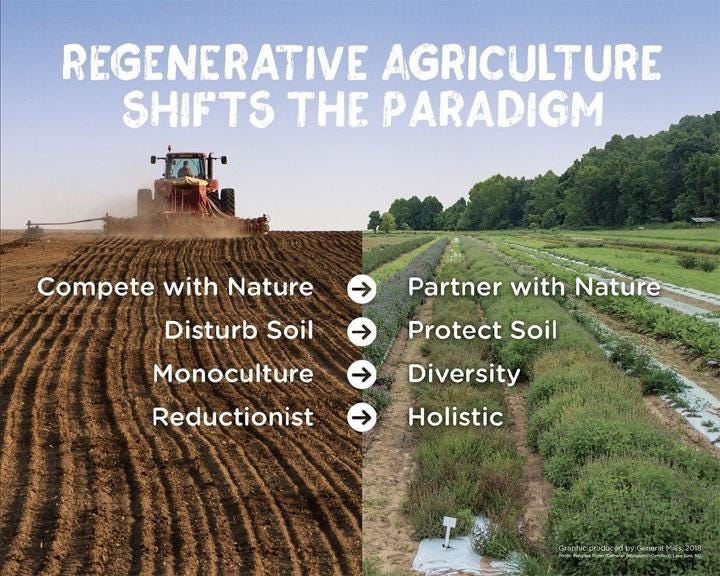
Regenerative agriculture is an approach that goes beyond sustainable farming, aiming to restore and enhance the health of the soil, improve water retention, and promote biodiversity. It focuses on working with nature rather than against it.
Soil Health as the Foundation
At the core of regenerative agriculture is a deep commitment to soil health. Practices like cover cropping, minimal tillage, and the use of organic matter contribute to the development of nutrient-rich and biologically active soils.
Cover Cropping: Green Blankets for the Soil
Cover crops, such as legumes and grasses, are planted during off-seasons to cover and protect the soil. These plants prevent erosion, suppress weeds, and add organic matter, fostering a resilient and fertile soil ecosystem.
No-Till Farming: Minimizing Soil Disturbance
No-till farming minimizes soil disturbance by avoiding traditional plowing. This practice helps retain soil structure, reduces erosion, and preserves the intricate networks of microorganisms essential for nutrient cycling.
Crop Rotation: Diversifying Plant Life
Crop rotation involves alternating the types of crops planted in a specific area over time. This practice prevents the depletion of specific nutrients, minimizes the risk of pests and diseases, and contributes to overall soil health.
Agroforestry: Trees in Harmony with Crops
Integrating trees into farming systems through agroforestry provides numerous benefits. Trees contribute to biodiversity, offer windbreaks, improve water retention, and even provide additional crops, creating a more resilient and productive environment.
Holistic Grazing: Mimicking Natural Ecosystems
In livestock farming, regenerative practices include holistic grazing, which mimics the natural movement of herds. Rotating animals through different pastures prevents overgrazing, enhances soil fertility, and promotes healthier vegetation.
Compost and Organic Matter: Nature’s Fertilizer
Utilizing compost and organic matter is a key tenet of regenerative agriculture. These natural fertilizers enrich the soil with essential nutrients, improve water retention, and encourage the growth of beneficial microorganisms.
Water Management: Conserving Nature’s Lifesource
Regenerative agriculture emphasizes water conservation through practices like rainwater harvesting, contour plowing, and efficient irrigation methods. By maximizing water efficiency, farmers contribute to the overall sustainability of their operations.
Promoting Biodiversity: Nature’s Resilience
Regenerative agriculture actively promotes biodiversity by creating habitats for beneficial insects, birds, and other wildlife. Diverse ecosystems contribute to natural pest control, improved pollination, and a more resilient farm environment.
Carbon Sequestration: Mitigating Climate Change
One of the significant advantages of regenerative agriculture is its potential to sequester carbon from the atmosphere and store it in the soil. This contributes to climate change mitigation by reducing greenhouse gas emissions.
Local and Sustainable Markets: Connecting with Communities
Regenerative farmers often focus on local and sustainable markets. This not only reduces the carbon footprint associated with transportation but also fosters community connections and supports regional economies.
Regenerative Certification Programs: Setting Standards
Certification programs, such as Regenerative Organic Certification (ROC), establish standards for regenerative agriculture. These programs help consumers identify products grown using holistic and sustainable practices.
Educational Initiatives: Sharing Knowledge
Regenerative agriculture encourages educational initiatives to share knowledge and best practices. Farmer-to-farmer learning, workshops, and community outreach play a vital role in expanding the adoption of regenerative principles.
Conclusion
Regenerative agriculture stands as a beacon of hope for a more sustainable and resilient future in farming. By prioritizing soil health, biodiversity, and holistic farming practices, regenerative agriculture not only produces nutritious and abundant harvests but also nurtures the land for generations to come. As farmers and communities increasingly embrace these principles, regenerative agriculture becomes a cornerstone in the quest for a more sustainable and harmonious relationship between agriculture and the environment.