Reentry Into The Roasting Pacific Northwest
A dream melts into the past
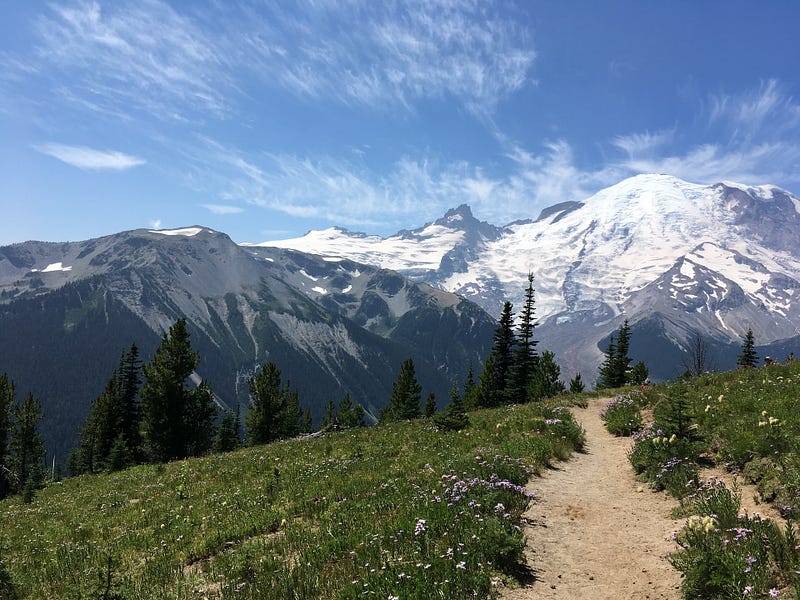
Paradise found/lost
Farming changed in Hawaii, primarily because of invasive species: the little-fire ant, borer beetles, feral pigs, and more. Hawaii is in transition from paradise to burning climate-crisis hell. Also, age crept into us like a beetle boring into a coffee bean. A tough, bitter exterior can’t stop advancing years. We moved.
I was born in the best place on Earth, the Cascades. Or they were. Today, it’s all fire, heat, extinction, drought; no end in sight to the menacing skies. Haze around Mt. Rainier this morning was promising, but the rising fireball of death we call “sun,” cleared them away: dreamy wisps of castles in the air.
Hot blooded
The stakes for our new home are in the ground, but I’m ready to pull them all up again and stab them into anyone I perceive as a blood-sucking vampire.
In my End-Times mood, that could be anyone: the parasites still shopping with plastic bags, science deniers, that guy stopped en route, but still spewing toxins, divisive, news channels. That jerk who built his house in just three months and put in a lawn, Auntie or Uncle, on social media. Myself. Anyone.
Construction delay arrived with our builder’s sudden retirement. Then COVID-19, then supply chain paralysis, then blazing temperatures.
Triple digit heat is the last charred straw that burnt the camel’s back.
Reentry into my beloved Pacific Northwest was based on the chill, refuge quality of this land. The ribbon-tied silver gifts of rivers, sparkling pearl-white peaks, expansive valleys of emerald sense — and salad. The pre-Bezos cool of Seattle, the joy of June-uary, warm coffee on a cold night, joyously celebrating legs in shorts — for a brief window of voyeurism — we called “a summer day.”
I grew up with frozen, glittery winters, blowy, spritely green springs, a rare, sizzling summer day, and the shrouding of every Halloween princess costume under rain gear and downy jackets. Braving the dark and cold to extort candy from neighbors was the real trick or treat.
An annual spring thrill unfolded when Tahoma (Mt. Rainier) in volcanic glory told Mt. St. Helen’s “My turn to glow, now, sister.”
Some say the world will end in fire
The sun we once worshipped has turned tyrant, complete with rippling, lashings of stinging sunbeams. Obtaining air conditioning — once a waste of money for mere fools — requires we breach the burning asphalt. The concept of shades over windows tells us the shadow knows best.
There is smoke. Air quality has gone from crisp to chewy, to extra-crispy. No backyard campfires, no fireworks, no birthday candles. No one has the breath to blow them out. Today, there is little snow on any peaks, no evading the heat. No escape from all the recriminations of those to whom we once could say “I told you so.”
More with steamy eyes than desiccated breath, they ask: “Why didn’t you tell us louder??”


