
Travel | SCUBA Diving | Red Sea | Underwater Photography
Rediscovering the Red Sea: A Deep (SCUBA) Dive into Vibrant Coral Reefs
Dive, eat, sleep, repeat: Seven blissful days of SCUBA diving on a liveaboard in the Red Sea
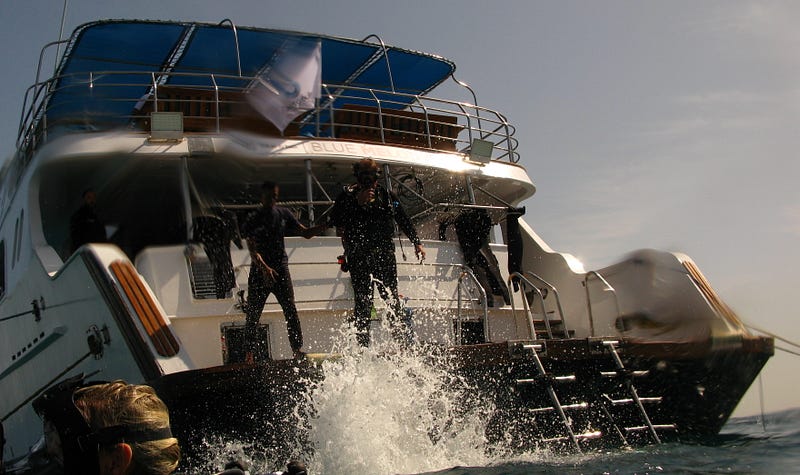
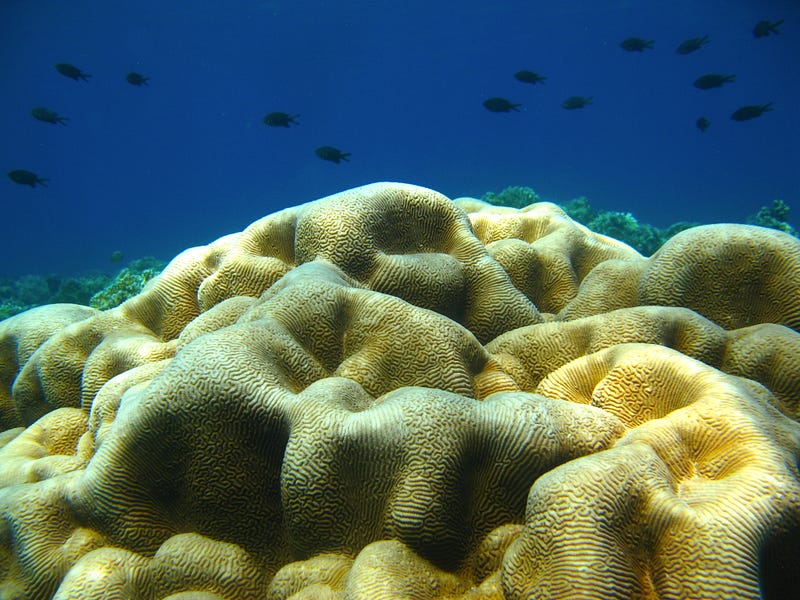
The current grabbed me the instant I hit the water. I kicked hard for the mooring line and, after what felt like ages, one hand finally made contact. I pulled myself down, hand over hand, towards the reef. Near the bottom, I released my grip on the line, which was thrumming like a guitar string. Surrendering to the current, I drifted over massive brain corals and huge sea fans, swaying in the eddies. I marveled at the sight of a vibrant, healthy reef, envious of the schools of fish darting around me, clearly unimpeded by the ripping current. Before I knew it, I gazed over the edge of the wall and into the abyss, some 1200 m below.
Escaping the German Winter
While I’ve come to call northern Germany home, the winters can be a bit, well, bleak. Weeks pass without a single glimpse of the star that we orbit. As a Floridian, the lack of sun can be torturous and downright depressing at times. In addition to staving off vitamin D deficiency, I find it difficult to stay active, as the weather is just cold enough to be uncomfortable, but not quite cold enough to support snow sports.
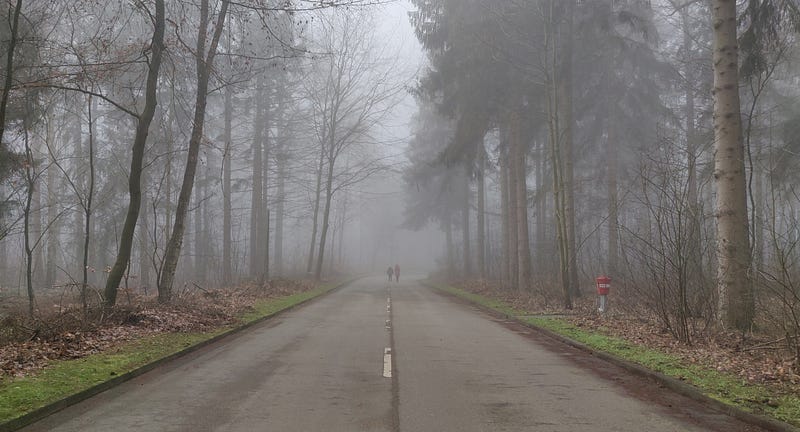
At some point during my third winter in Germany, I craved the sensation of warmth — of sunlight on my bare skin. I clearly needed to thaw out, but where? The Hamburg airport offers easy access to many destinations, but all the possibilities made it difficult to decide. Paralyzed by indecision, the days wore on while I watched airfares rise. I had almost given in to my gray-induced funk when house cleaning saved the day.
Rediscovering SCUBA
While organizing my closet I stumbled upon a long-forgotten black duffle bag. Ignoring my chores, I unzipped the dusty duffle, triggering a stream of violent sneezes. Inside lay my SCUBA gear, neglected for the better part of a decade. The smell of neoprene rubber wafted from the bag, triggering an avalanche of memories from the before times.
In the before times, that is before I got married, before I became a father, before I started on a competitive career track, before I moved to Germany, and before the pandemic, SCUBA diving was a regular part of my life. I tied my identity to the sport and used any excuse to go diving. Earlier in my oceanography career, I was able to mix work with pleasure, collecting data in beautiful places like the Florida Keys and the Red Sea.
Nowadays, my work, while still ocean-focused, keeps me tied to my desk. Additionally, my familial responsibilities and geographic restrictions make it difficult to pursue what was once my favorite hobby. Rediscovering my dive gear set all indecision aside. I was going SCUBA diving. Now I just needed to pick a location.
Liveaboard Luxury
Liveaboards offer the exact kind of laid-back diving experience that I was craving. The routine is simple: dive, eat, sleep, repeat. With all the logistics offloaded onto the tour operator, I could focus on recharging my depleted batteries. After discussing possible locations with friends, we decided on a liveaboard in the Egyptian Red Sea.
The Red Sea
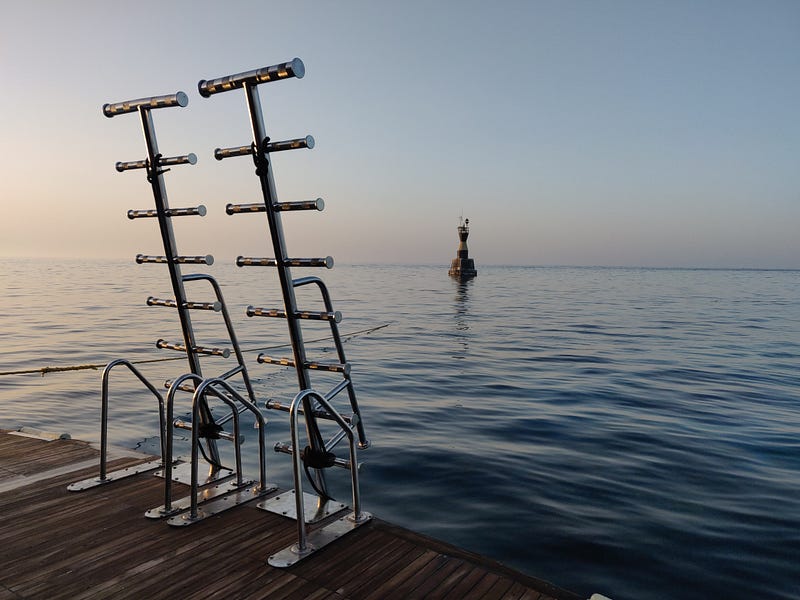
Having studied the oceanography of the northern Red Sea for 7 years, I knew it would make an ideal winter vacation destination. The Egyptian Red Sea receives plenty of sun and storms are rare, even in the winter months. The nights can be a bit chilly but the water rarely dips below 20° Celsius.
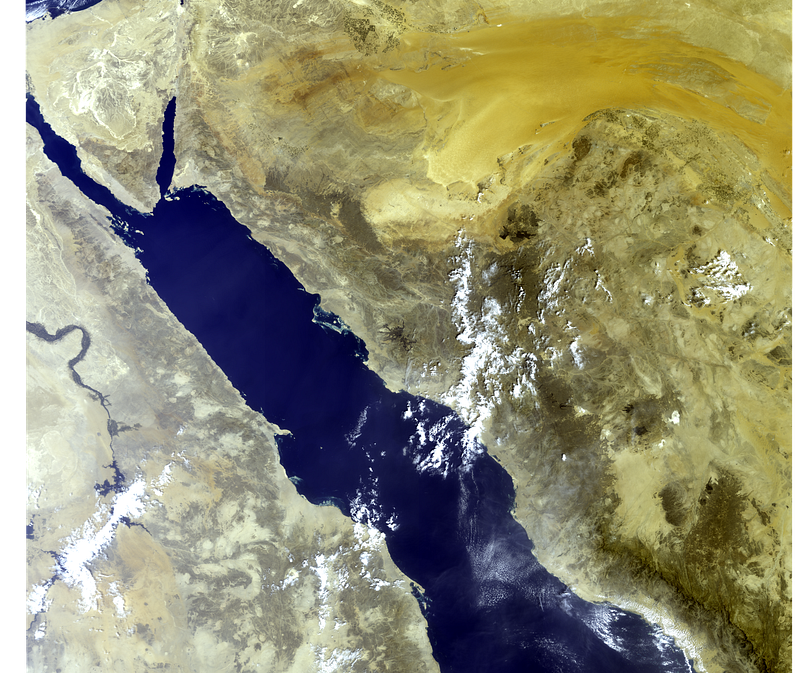
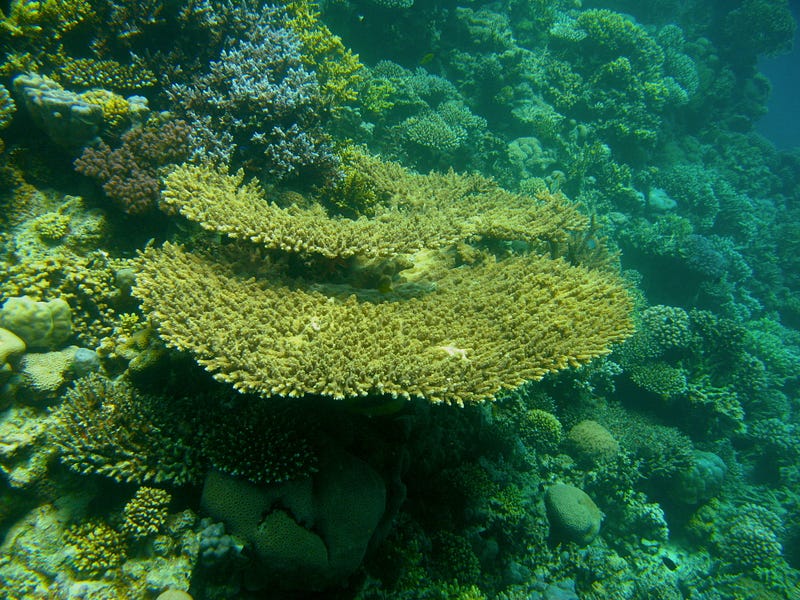
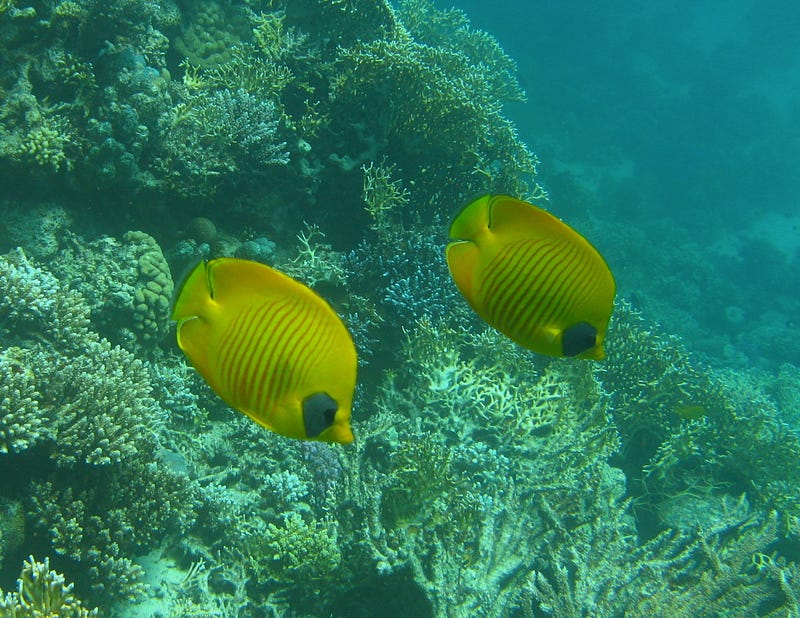
The diving opportunities are also spectacular. The Red Sea hosts brightly colored coral reefs that support incredible marine biodiversity. The reefs are in pretty good shape when compared to the rest of the world. In fact, the unique oceanographic conditions in the Red Sea make the region a refuge for corals, as they are less susceptible to bleaching and acidification.
Setting sail from Hurghada
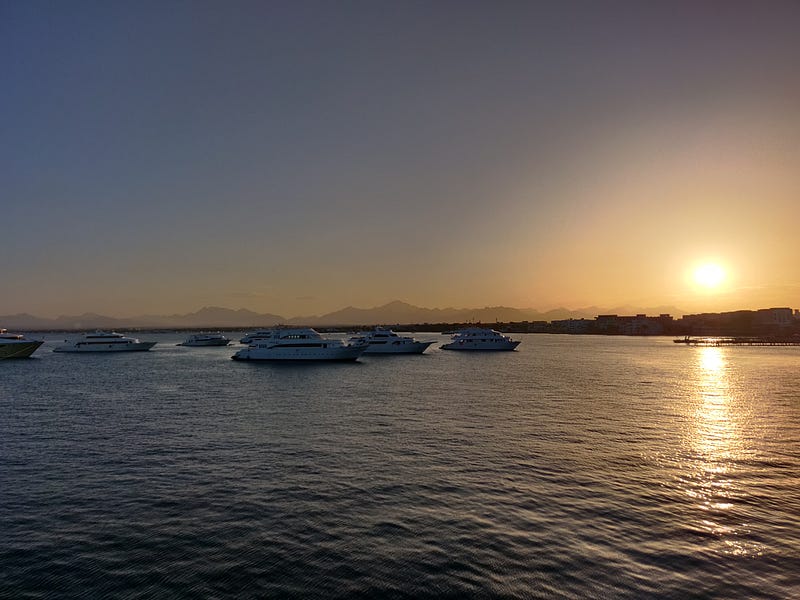
Early one morning in March I boarded a flight from Hamburg to Hurghada. After an uneventful 4-hour flight, I passed quickly through immigration, collected my luggage, and stepped out into the blazing Egyptian sun. I was instantly swarmed by locals promising everything from taxis, to personalized tours, to cheap cell phones. As generous as some of these offers were, I politely declined.
Mohammed, my driver, arrived and fifteen minutes later we pulled up to the pier where my boat was waiting. My luggage was whisked away to my cabin while I filled out the requisite liability waivers and health declarations. Paperwork completed, I selected my spot on the dive deck, assembled my buoyancy compensation device (BCD) and regulator and organized the rest of my equipment. Setting up and breaking down my equipment would be the only “work” during the entire liveaboard experience.
The boat had all the amenities, even WiFi, though I intended to spend the week blissfully disconnected from the outside world. Instead of scrolling mindlessly, I grabbed a beer and met my fellow divers. The group hailed mainly from northern Europe, with a few Canadians and Texans mixed in for good measure.
Dive! Dive! Dive!
We slipped our moorings early the next morning, heading south to Safaga for a check dive. After completing the mandatory check dive, we headed offshore, leaving civilization behind.
A Watery Grave
Our first dive on the wreck of the Salem Express made me uneasy. The Salem Express was a ferry that sank at night, during a storm, in December 1991. The overloaded ferry struck a reef and sank quickly, giving those onboard only a few chaotic minutes to reach the safety of the lifeboats.
The official death count reached 470, though unofficially many more are thought to have perished that night. The ferry was carrying pilgrims returning from Mecca and, according to our dive guides, the official count likely underestimated the number of passengers onboard. Out of an estimated 800–900 people onboard, only 180 survived.
The Salem Express was different from other wreck dives. The wreck is still littered with handbags, rucksacks, and other personal items. I pictured myself on board with my family, wondering if we would have made it to safety. After the dive, I reflected on the experience, ultimately deciding that the Salem Express, where so many people died, should be left alone.
Night Dive
Later that evening we moored near one of the reefs that the Salem Express attempted to skirt that fateful night. Our guides informed us that we could conduct our first night dive of the trip on this shallow reef. We entered right after sunset when the sea assumed it eponymous rouge.
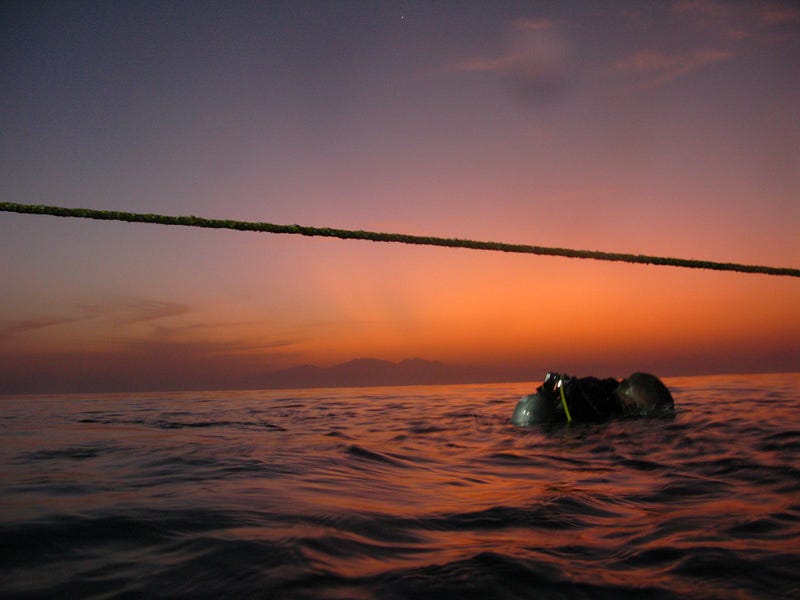
Night dives are surprisingly relaxing. The absence of ambient light forces me to intentionally illuminate small sections of the reef. Through the beam of a dive torch, I focus on small details that get passed over during the sensory overload that is a thriving coral reef in daylight.
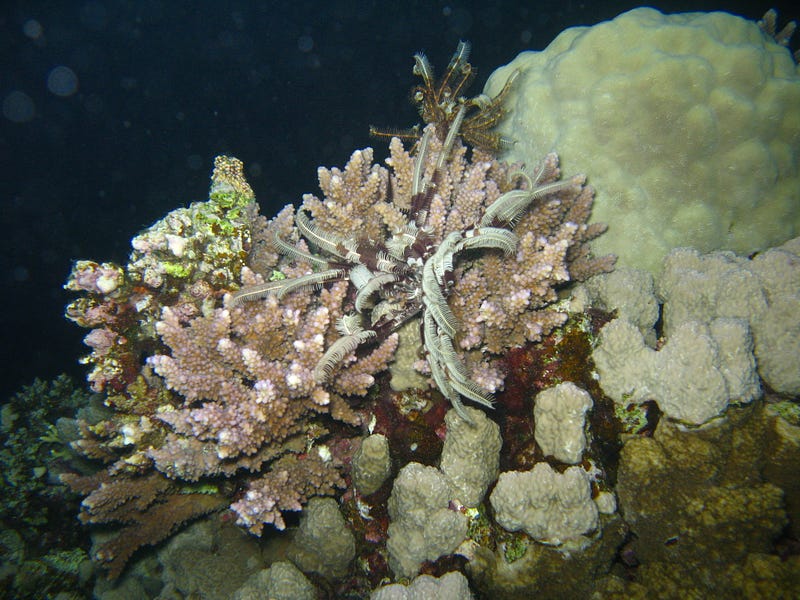
I particularly enjoyed seeing all the crinoids, or feather stars. At night, crinoids climb to the top of the reef to feed, using their many arms to snag plankton out of the water. Light them up for too long, though, and their arms will curl up.
Brothers Islands
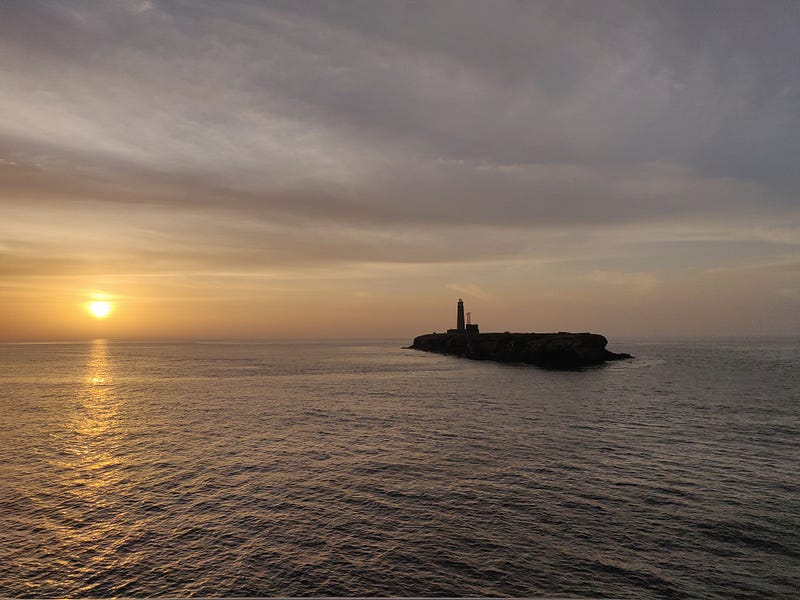
The next day we woke up at the Brothers Islands. The lighthouse on Big Brother Island harks back to the 19th century British colonial period and is maintained by the Egyptian Navy. Gazing at this barren strip of land in the middle of the sea, I wondered whether living on this tiny island was a punishment or a privilege. I still haven’t decided.
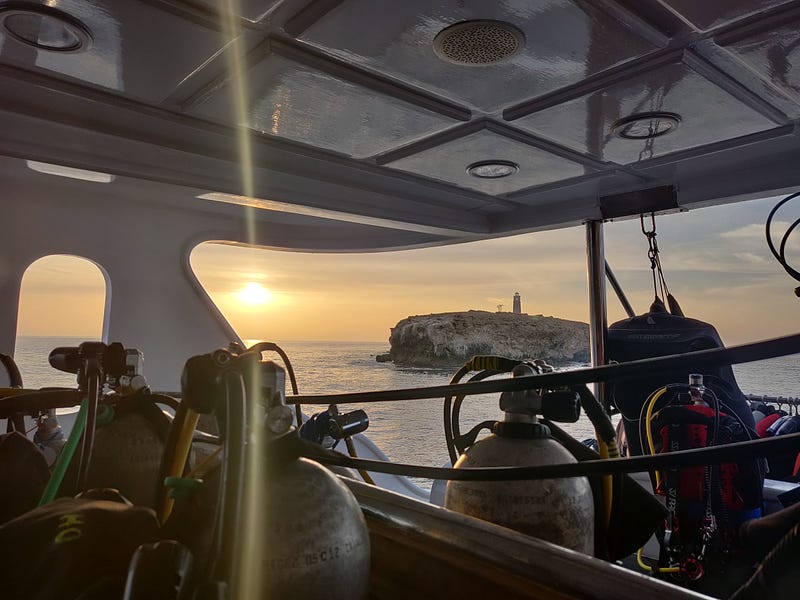
Our guides instructed us to enter the water negative, with no air in our BCDs, and descend along the mooring line until we reached the reef. Then we were to drift with the current along the wall. The crew would be waiting in rubber boats to bring us back.
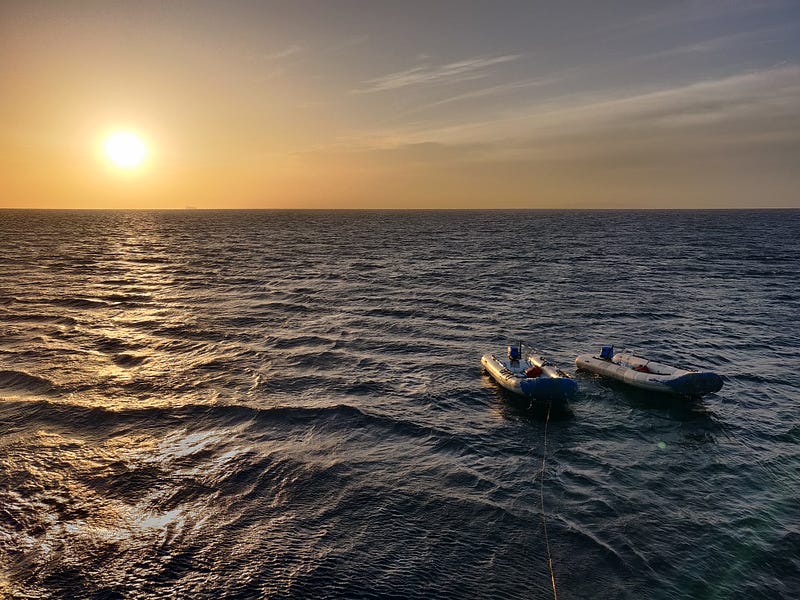
Our dive guides hyped up the possibility of seeing sharks, so of course we did not see a single one. Instead, I saw a school of huge tuna zoom past, but they were gone before I could even unclip my camera.
Unlike the sharks, the reef lived up to the hype. Hard and soft corals covered the wall, which was dotted with crevices and caves, all of which were teeming with life. Overcome with excitement, I had to take a second to slow my breathing and just enjoy the moment. I let the current guide me along the wall, pausing to take the occasional photo.
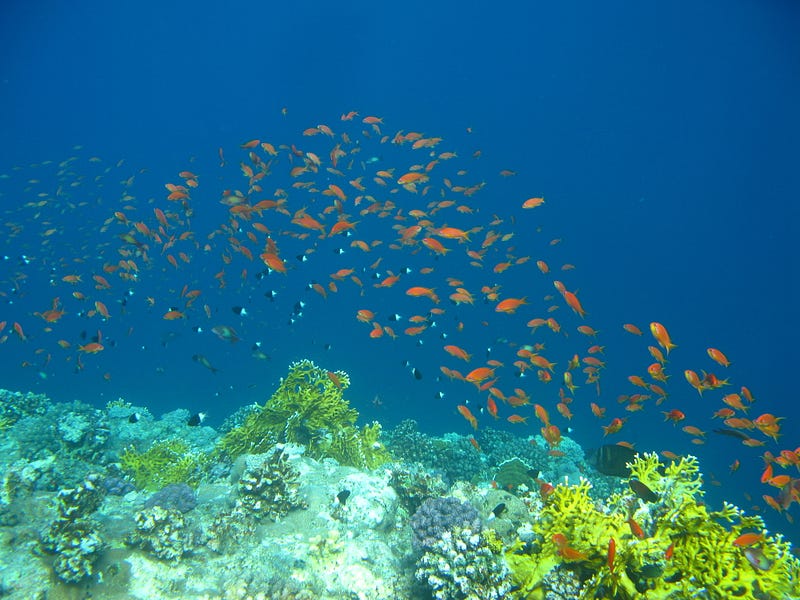
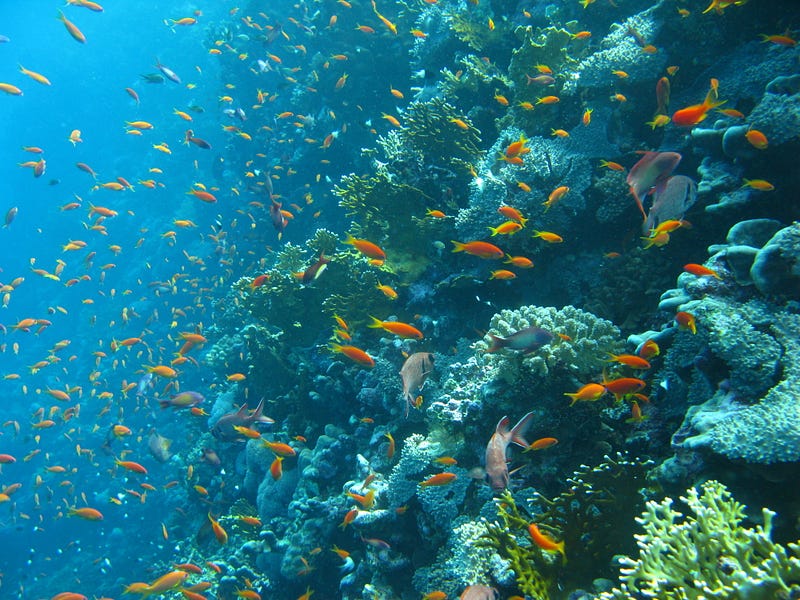
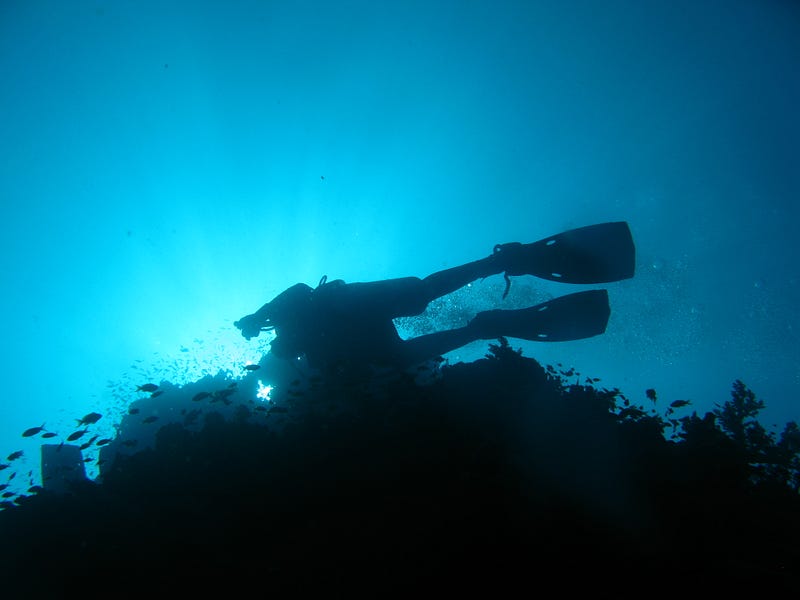
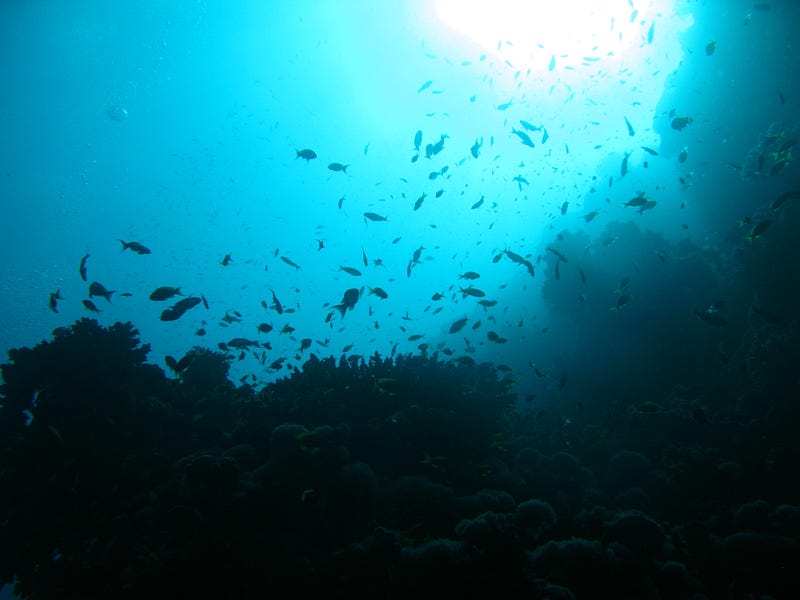
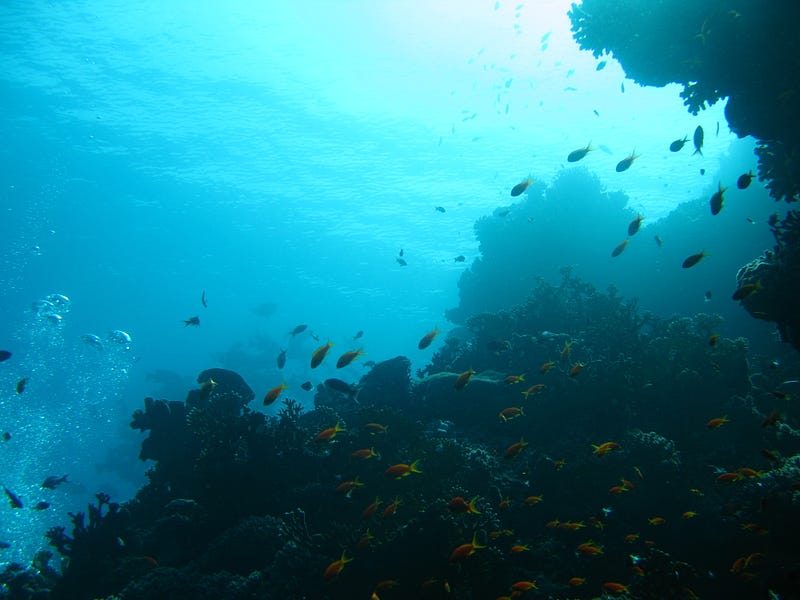
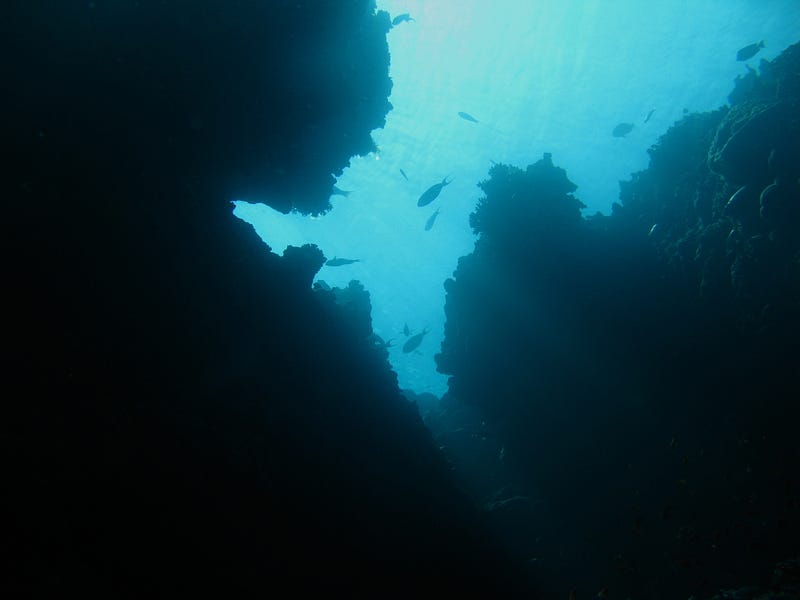
Twenty minutes flew by and then my dive computer chirped a warning. I still had plenty of air, but it was time to ascend if I wanted to avoid decompression stops. Reluctantly, I started my ascent, willing myself to take in the sweeping vista and lock it away in my memory. Later, I passed the surface interval quietly with my eyes closed, replaying the dive in my mind.
Batten Down the Hatches
The weather turned quickly. High stratus clouds moved in, followed by a freshening breeze. Wary of the approaching gale, the captain allowed us one more dive at the Brothers before seeking a safe harbor. We made the return trip to the Egyptian coast that night, heaving and rolling in the growing swells and I couldn’t help but think about the Salem Express.
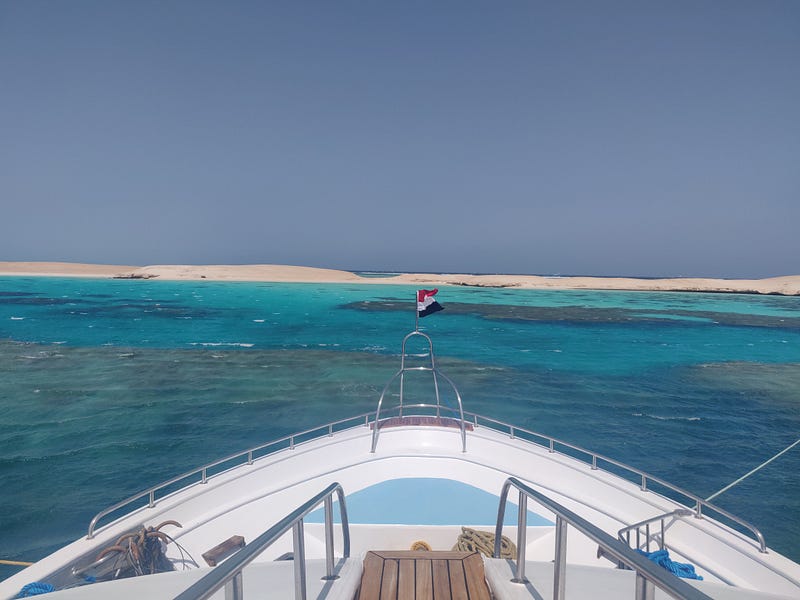
The next morning I awoke to find that the captain had cleverly positioned us in the lee of a barren, sandy island. The low-lying island protected us from the waves but we were still exposed to the full force of the wind.
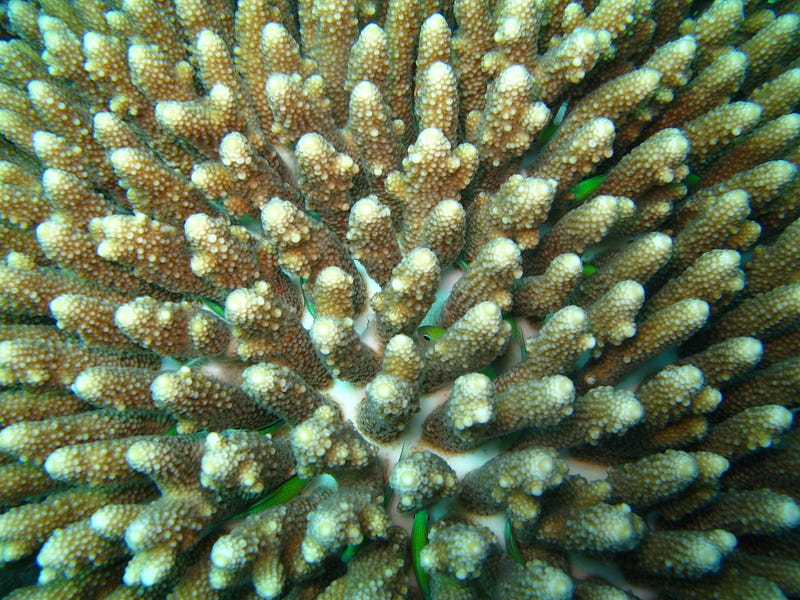
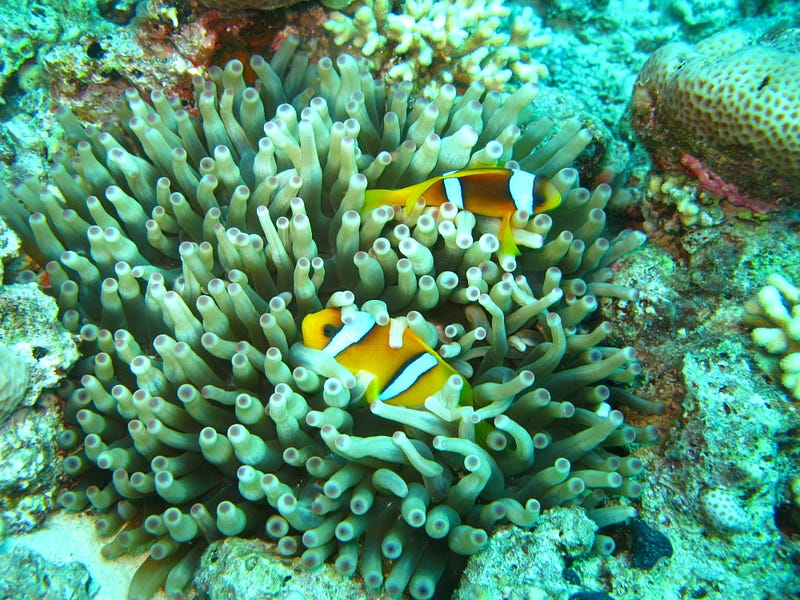
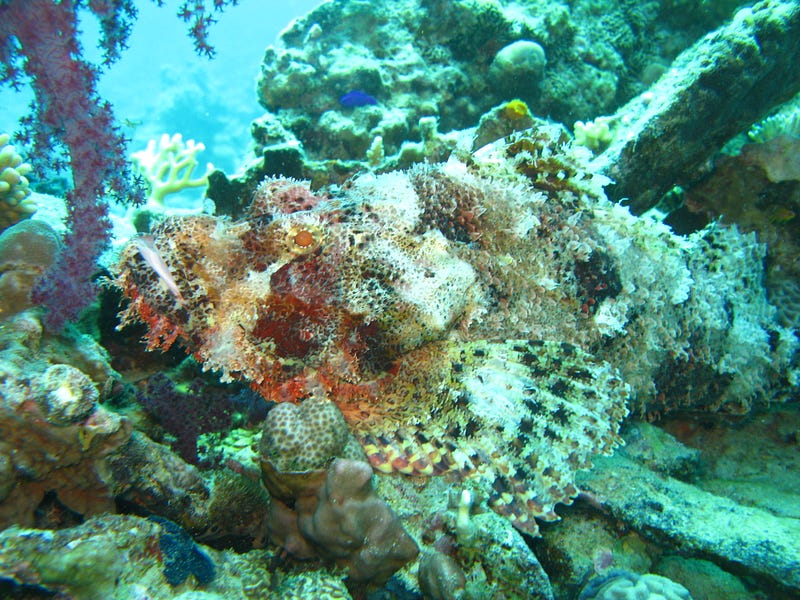
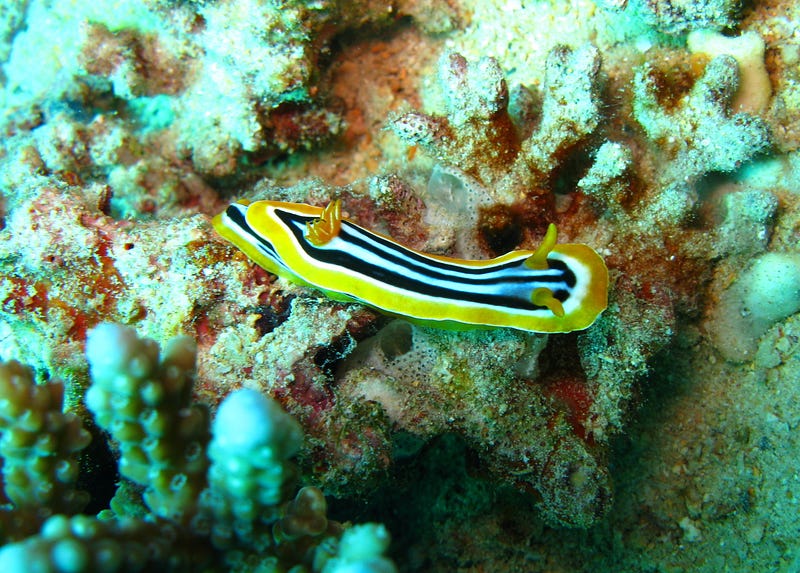
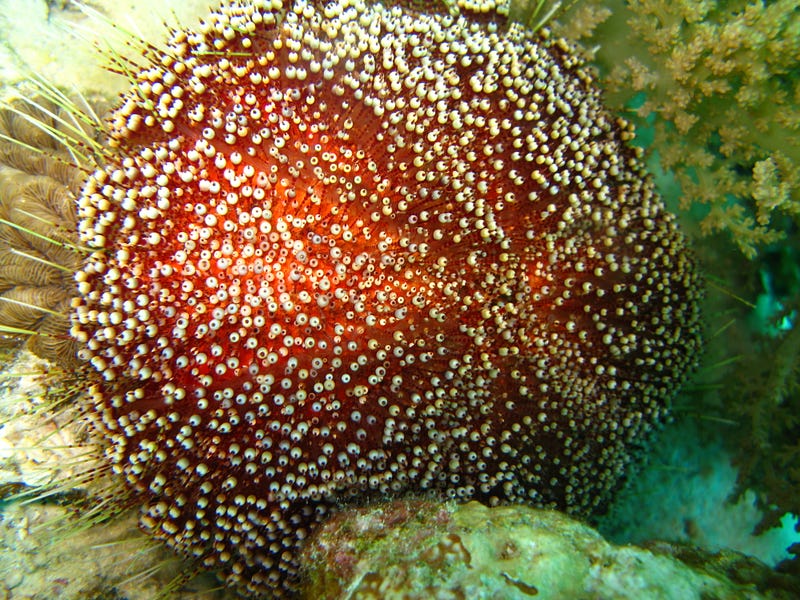
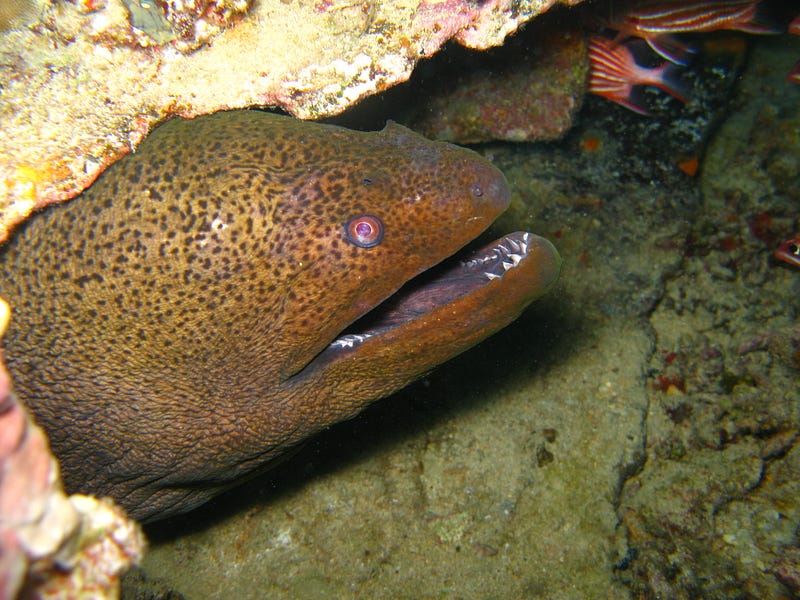
The wind only grew stronger and, with no safe exit, we stayed moored in the same spot for almost three days. Some of my fellow divers were disappointed by our luck but I was just happy to keep diving. Luckily we were moored over a large, shallow reef that offered much in the way of smaller critters. I treated these dives like scavenger hunts, seeking out animals hiding in the reef.
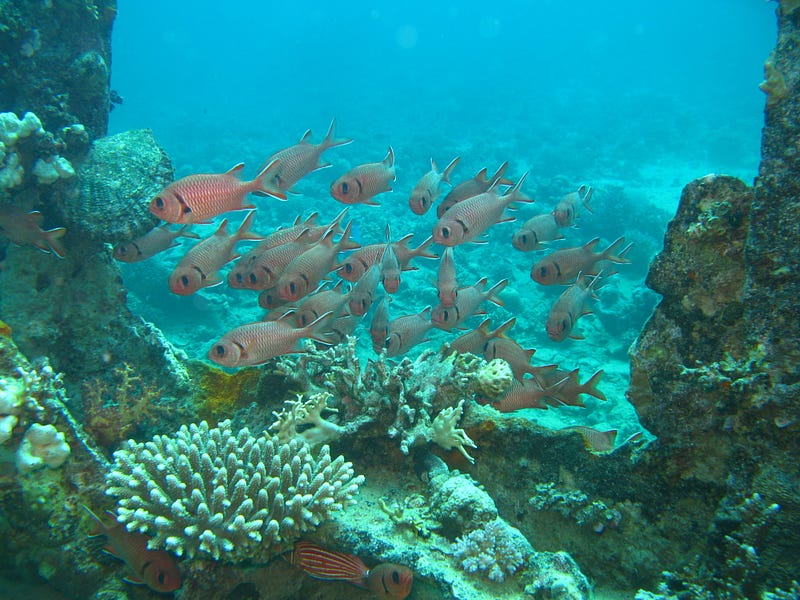
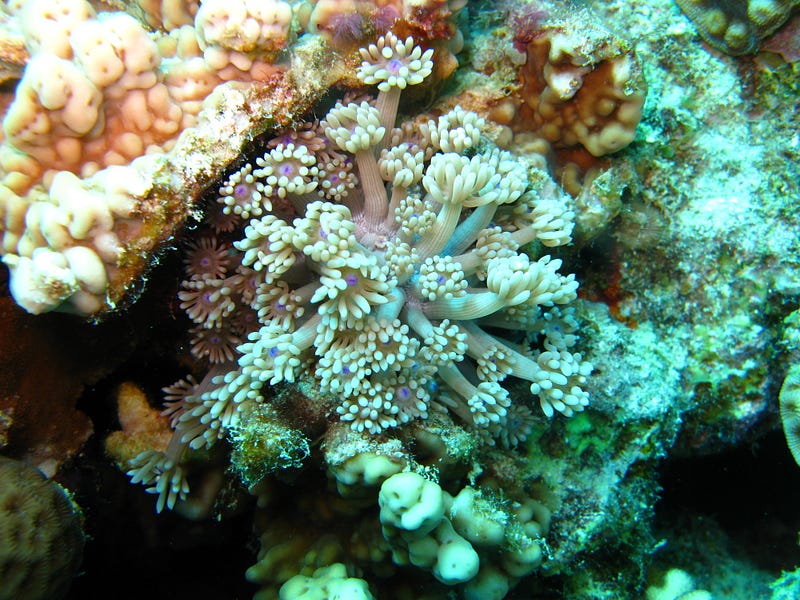
By accepting the situation, I adopted a positive attitude that allowed me to enjoy two and a half more days of great diving. Returning to SCUBA diving after a 10-year hiatus reminded me that when life overwhelms, I just need to control my breathing and assess the situation. Sometimes the current is too strong but that doesn’t mean that I can’t use it to my advantage.


