avatarTrash Talking

Free AI web copilot to create summaries, insights and extended knowledge, download it at here

5995

Abstract

ary microplastics originate from sources other than litter</i></b>, including <a href="https://portals.iucn.org/library/sites/library/files/documents/2017-002-En.pdf">road runoff (66%), wastewater treatment systems (25%), and wind transfer (7%)</a>. Every year, <a href="https://portals.iucn.org/library/sites/library/files/documents/2017-002-En.pdf">3.2 million tons of primary microplastics</a> enter the environment.</p><p id="2485">For most westernized countries, microplastic pollution largely originates from regular use and wear of plastic products. In fact, <b><i>most of us produce primary microplastic pollution without even realizing it</i></b>!</p><p id="f1be">Below are six common sources of primary microplastic pollution, all of which <i>CANNOT</i> be resolved with increased recycling practices.</p><h2 id="2433">Microplastic #1: Synthetic Fibers</h2><figure id="3ba9"><img src="https://cdn-images-1.readmedium.com/v2/resize:fit:800/0*shWFyGN_W_P6lhyw.jpeg"><figcaption>Image by <a href="https://www.pexels.com/@rodnae-prod/">RODNAE Productions</a> via <a href="https://www.pexels.com/photo/man-people-woman-technology-5591460/">Pexels</a></figcaption></figure><p id="7c08" type="7">Each load of laundry releases hundreds of thousands of microplastic fibers.</p><p id="31d2">Around 60% of clothes are made of synthetic materials, including polyester, acrylic, and nylon. These materials are made of various types of plastic and are widely used due to their low cost.</p><p id="7ee7">The problem is, garments made of synthetic materials shed small plastic fibers every time they are washed. Each load of laundry releases <a href="https://www.nature.com/articles/s41598-019-43023-x"><b>hundreds of thousands of microplastic fibers</b></a><b> down the drain.</b></p><p id="f93b">If a wastewater treatment plant is not equipped to filter microplastics, then these microfiber plastics will be released into the environment as effluent water or sewage sludge.</p><h2 id="757d">Microplastic #2: Agriculture Products</h2><figure id="4d97"><img src="https://cdn-images-1.readmedium.com/v2/resize:fit:800/0*DSN-ONuPa0QHMoJQ"><figcaption>Image by <a href="https://www.pexels.com/@timmossholder/">Tim Mossholder</a> via <a href="https://www.pexels.com/photo/photo-of-green-field-near-mountains-974314/">Pexels</a></figcaption></figure><p id="98a1" type="7">Plastics used in agriculture lead to food and groundwater contamination.</p><p id="51af">Even though microplastic pollution research is usually marine-focused, some researchers estimate that our <a href="https://www.ehn.org/plastic-in-farm-soil-and-food-2647384684.html">farm soils may be more contaminated with microplastics</a> than oceans.</p><p id="4cc5">Farmers rely on industrial fertilizers to grow crops more efficiently. Some fertilizer granules are covered in plastic coatings that create a slow-release effect. Sewage sludge is also used as a fertilizer, and as we learned earlier, this sludge is often contaminated with microplastic fibers.</p><p id="c0bf">(Note: <i>It’s worth mentioning that plastic film used for mulching purposes also results in more agricultural microplastic pollution, but this is technically a source of secondary microplastics.</i>)</p><p id="b0f7">Although these agricultural practices help to yield more output, they also release additional microplastics into the soil which are eventually absorbed by crops and groundwater sources.</p><h2 id="ddb3">Microplastic #3: Vehicle Tires</h2><figure id="e78b"><img src="https://cdn-images-1.readmedium.com/v2/resize:fit:800/0*g99vI6Oi6kTw69-U"><figcaption>Image by <a href="https://www.pexels.com/@ellie-burgin-1661546/">Ellie Burgin</a> via <a href="https://www.pexels.com/photo/pile-of-vehicle-tires-3283430/">Pexels</a></figcaption></figure><p id="54b7" type="7">Tire pollution is estimated to be 2,000 times worse than car exhaust pollution.</p><figure id="682c"><img src="https://cdn-images-1.readmedium.com/v2/resize:fit:800/1*gLr-cjVABOOA4miIAnL8dw.png"><figcaption>Image via the <a href="https://www.theguardian.com/environment/2022/jun/03/car-tyres-produce-more-particle-pollution-than-exhausts-tests-show">Guardian</a></figcaption></figure><p id="0694">Microplastics technically cover a wide range of synthetic materials, including synthetic rubber, which is what tires are mostly made of.</p><p id="ae53">Tires tend to wear down over time; this means small (sometimes large) pieces of rubber shed off of the tire and onto roadways. Through clean-up efforts, the larger debris can be effectively recovered; but what happens to the microscopic pieces that we can’t see? Eventually these smaller particles will be carried into the natural environment via wind and/or rain.</p><p id="f20c"><b>Now multiply that by a billion</b> (that’s how many motor vehicles are in use around the world). Unfortunately, even though this problem is widely recognized as a major source of microplastic pollution, <a href="https://www.theguardian.com/environment/2022/jun/03/car-tyres-produce-more-particle-pollution-than-exhausts-tests-show">tire particles are still not regulated by the US or EU</a>.</p><h2 id="8d99">Microplastic #4: Paint Chips</h2><figure id="5e15"><img src="https://cdn-images-1.readmedium.com/v2/resize:fit:800/0*qEMfunOMMWdUI_68"><figcaption>Image by <a href="https://www.pexels.com/@maltelu/">Malte Luk</a> via <a href="https://www.pexels.com/photo/person-holding-paint-roller-on-wall-1669754/">Pexels</a></figcaption></figure><p id="b3a4" type="7">Paint is one of the largest sources of microplastic pollution in the ocean.</p><p id="e4b1">Even though most people wouldn’t associated “paint” with “plastic”, paint is actually one of the largest sources of primary microplastic pollution around the world.</p><p id="a7a9">Many types of paints contain polymers (aka plastics), and we paint nearly everything: buildings, roadways, ships, etc. Just like vehicle tires, paint also wears down over time into tiny particles (or is removed thro

Options

ugh various techniques, such as sandblasting). These particles are easily picked up by running water or wind currents and eventually make their way into the natural world.</p><p id="055e">And even though these paint chip particles are nearly invisible, their impact is huge. According to the World Economic Forum, the amount of paint that ends up in the oceans is about the equivalent of <a href="https://www.weforum.org/agenda/2020/09/how-to-reduce-microplastics-from-paint/"><b>150 to 225 BILLION empty plastic bottles</b></a><b>.</b></p><h2 id="fba4">Microplastic #5: Personal Care Products</h2><figure id="4c71"><img src="https://cdn-images-1.readmedium.com/v2/resize:fit:800/0*z2MoQP_qHyftco8f"><figcaption>Image by <a href="https://www.pexels.com/@cup-of-couple/">Cup of Couple</a> via <a href="https://www.pexels.com/photo/2-white-pump-bottles-on-white-table-8015765/">Pexels</a></figcaption></figure><p id="d03e" type="7">Personal care products are one of the few sources of intentionally produced primary microplastics.</p><p id="9030">Most sources of primary microplastics originate from wear and tear of plastic items that we use. However, some microplastics that enter the environment were designed small to serve a specific purpose. These microplastic “ingredients” are commonly used in personal care products.</p><p id="7757">Even though plastic microbeads were banned in 2015, the ban only included <a href="https://www.plasticsoupfoundation.org/en/2016/03/100000000000000-plastic-particles-one-sunscreen/">“rinse-off” products</a> (like body washes and exfoliating face scrubs, for example). However, companies continue to use <a href="https://www.unep.org/news-and-stories/story/whats-your-bathroom-hidden-plastics-your-beauty-products">plastic ingredients in their products</a> by navigating around loopholes.</p><p id="0d8e">Products that may contain plastic include…</p><ul><li>Toothpaste</li><li>Sunscreen</li><li>Makeup products (<i>lipstick, foundation, highlighters, face powders, and mascara</i>)</li><li>Hair products (<i>hair dye, hairspray</i>)</li><li>Skincare products (<i>anti-wrinkle cream, moisturizers</i>),</li></ul><p id="943b">…just to name a few.</p><h2 id="853b">Microplastic #6: Heat exposure to plastic products</h2><figure id="8934"><img src="https://cdn-images-1.readmedium.com/v2/resize:fit:800/0*wRKOzILHFDnbfQcm"><figcaption>Image by <a href="https://www.pexels.com/@burst/">Burst</a> via <a href="https://www.pexels.com/photo/bottle-container-high-chair-macro-374756/">Pexels</a></figcaption></figure><p id="c09f" type="7">Microplastics can shed from any plastic product we use, especially when the item is exposed to heat.</p><p id="a3ab">Heat helps to expedite the formation of microplastics. Baby bottles, for example, are typically heated to warm milk for babies to drink. Unfortunately, infants that drink from these bottles can consume about <a href="https://www.npr.org/sections/goatsandsoda/2020/10/19/925525183/study-plastic-baby-bottles-shed-microplastics-when-heated-should-you-be-worried#:~:text=The%20bottles%20also%20released%20trillions,over%2021%20days%20of%20testing.">1.5 million microplastics per day</a>.</p><p id="3366">Sometimes, we don’t even realize the items we use contain plastic. For example, many tea brands have opted to use plastic tea bags instead of paper. When placed into hot water, these <a href="https://www.bbc.com/news/world-us-canada-49845940">plastic tea bags can release BILLIONS of microplastics</a> into a single cup of tea!</p><h1 id="1add">As long as plastics exist, so will microplastics</h1><p id="0e4c">We could argue whether or not recycling helps to reduce secondary microplastic pollution in the environment, but we know it will do nothing to address primary microplastics.</p><p id="2f42">Even if recycling worked (<a href="https://www.theatlantic.com/ideas/archive/2022/05/single-use-plastic-chemical-recycling-disposal/661141/"><b><i>which it doesn’t</i></b></a>), it is only designed to keep plastic in rotation and in use. As long as we continue to use plastics, they will continue to shed microplastics and we will continue to consume them.</p><p id="925b"><b>In other words, recycling is not the sole solution to microplastic pollution</b>. We need more research, product redesigns, government regulations, and education for the public. But most importantly, we need to reduce plastic production wherever possible.</p><p id="b4a2">In the meantime, we will just continue eating a <a href="http://awsassets.panda.org/downloads/plastic_ingestion_press_singles.pdf">credit card’s worth of plastic each week</a>.</p><p id="d35b">For more like this, check out:</p><div id="e262" class="link-block"> <a href="https://trashtalking.medium.com/is-that-plastic-recyclable-or-just-technically-recyclable-520fed4e27ab"> <div> <div> <h2>Is that Plastic Recyclable? Or Just “Technically” Recyclable?</h2> <div><h3>There’s a distinct difference between the two terms. The nuance is meant to be confusing so you continue buying more…</h3></div> <div><p>trashtalking.medium.com</p></div> </div> <div> <div style="background-image: url(https://miro.readmedium.com/v2/resize:fit:320/0*KcMmlGhHL9MXvb7v)"></div> </div> </div> </a> </div><p id="a42e"><i>If you find these articles helpful, claps and comments are always appreciated. You can also support my work in the following ways:</i></p><ul><li><i>Buy me a coffee at <a href="http://ko-fi.com/crystalclear?source=about_page----------------------------------------">ko-fi.com/crystalclear</a></i></li><li><i>Sign up for a subscription to Medium using my <a href="https://trashtalking.medium.com/membership">referral link</a></i></li><li><a href="https://trashtalking.medium.com/subscribe"><i>Subscribe</i></a><i> to my mailing list for more trash talking!</i></li></ul></article></body>

Recycling Plastic Won’t Magically Eliminate Microplastic Pollution

“Primary” microplastic pollution refers to plastic that enters the environment as small particles; recycling plastic has virtually zero impact on reducing this type of microplastic pollution.
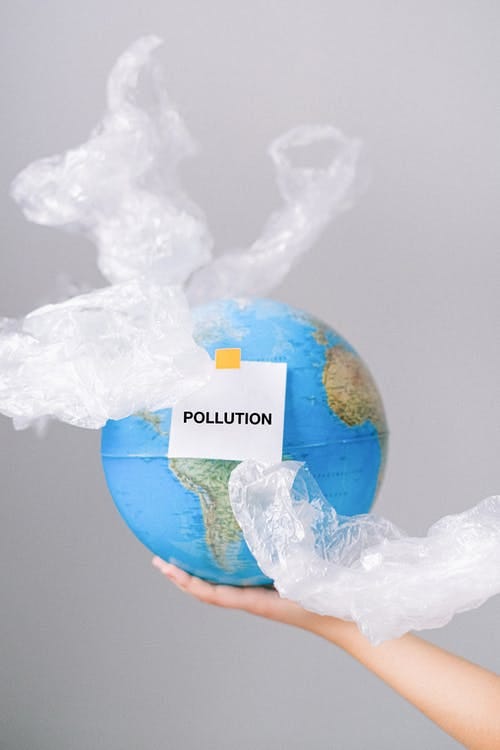
Image by Anna Shvets via Pexels

The recycling lie remains stronger than ever. And those who benefit the most from this lie (plastic producers, manufacturers, etc.) continue to perpetuate it.

Why?

Because they know recycling doesn’t work.

The United States has NEVER reached a 10% plastic recycling rate (at the moment, it’s currently 5–6%). And the global plastic recycling rate is not much better; the most recent estimates are 9%.

If recycling doesn’t work, then nearly all of the plastic we produce must be thrown away and replaced again. The cycle continues over and over.

More production = more profits for plastic producers and manufacturers. In the meantime, our planet (and our health) may suffer the consequences of these wasteful practices.

The recycling lie is now spreading onto the topic of microplastics. Recently, I read an article promoting recycling as an effective solution to reduce microplastics. But this connection is very misleading.

Even if we can keep plastic in “circulation”, the article ignores an important truth: a large portion of microplastics does not come from litter.

Microplastics are either intentionally designed to be small (such as ingredients for personal care products) or they originate from wear and tear of plastic items (such as clothing, tires, or paint).

First of all…what are microplastics?

Microplastics are plastic particles less than 5 millimeters in length (about the diameter of a pencil eraser or smaller).

Unfortunately, plastic is not biodegradable. When it enters the environment, plastic does not naturally decompose; instead, it breaks down into smaller pieces of plastic called microplastics.

These microplastics break apart over time and circulate around the world for decades, perhaps centuries. They infiltrate food chains and water sources and contaminate humans and animals alike.

Unfortunately, we don’t yet fully understand the long-term consequences of microplastics. More research is required to understand the long-term impacts of microplastics on human health, ecosystems, and the environment. However, most experts agree that the outlook isn’t favorable.

Why is recycling an ineffective strategy for managing microplastics?

On the surface, the logic makes sense: if more plastic is recycled, then less plastic will leak into the environment (and therefore less plastic will break down into microplastics).

But unfortunately, this solution is too simplistic to address the complexity of microplastics.

As mentioned earlier, plastic recycling is inefficient all around the world. Below are a few reasons why:

  • Plastic degrades every time it is recycled
  • Low-quality plastics are not cost-effective enough to recycle
  • Plastics that are soiled are usually thrown away by recyclers
  • There are many different types of plastic and cannot be lumped together when recycling
  • Not everyone has access to recycling
  • Not all plastic items are designed to be recycled
  • Recycling is costly and time-consuming
  • Recycled plastic is usually more expensive than virgin plastic
  • It’s more cost-effective to downcycle than to recycle

Secondly, even if we could recycle ALL plastic (which we are nowhere close to accomplishing), this would only help reduce secondary microplastics. Unfortunately, recycling is useless when addressing primary microplastics.

What are Primary and Secondary Microplastics?

The difference between the two terms is based on whether plastics become microplastics BEFORE or AFTER entering the environment.

  • Primary microplastics are plastics that are micro-sized BEFORE they enter the environment.
  • Secondary microplastics become microplastics AFTER they enter the environment. (For example, a plastic bottle in the ocean will break apart into smaller pieces when exposed to the elements.)

If recycling were effective, then it could theoretically reduce secondary microplastics by diverting litter from the environment. But primary microplastics would be largely unaffected.

This is because primary microplastics originate from sources other than litter, including road runoff (66%), wastewater treatment systems (25%), and wind transfer (7%). Every year, 3.2 million tons of primary microplastics enter the environment.

For most westernized countries, microplastic pollution largely originates from regular use and wear of plastic products. In fact, most of us produce primary microplastic pollution without even realizing it!

Below are six common sources of primary microplastic pollution, all of which CANNOT be resolved with increased recycling practices.

Microplastic #1: Synthetic Fibers
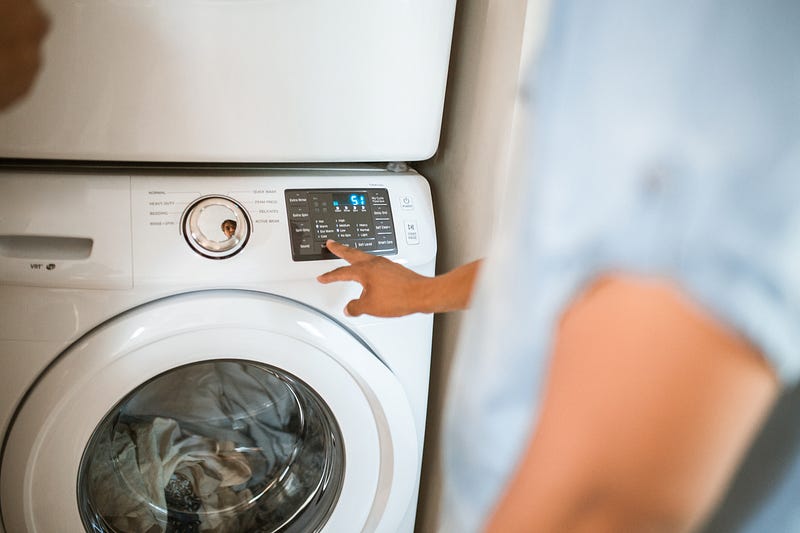
Image by RODNAE Productions via Pexels

Each load of laundry releases hundreds of thousands of microplastic fibers.

Around 60% of clothes are made of synthetic materials, including polyester, acrylic, and nylon. These materials are made of various types of plastic and are widely used due to their low cost.

The problem is, garments made of synthetic materials shed small plastic fibers every time they are washed. Each load of laundry releases hundreds of thousands of microplastic fibers down the drain.

If a wastewater treatment plant is not equipped to filter microplastics, then these microfiber plastics will be released into the environment as effluent water or sewage sludge.

Microplastic #2: Agriculture Products

Image by Tim Mossholder via Pexels

Plastics used in agriculture lead to food and groundwater contamination.

Even though microplastic pollution research is usually marine-focused, some researchers estimate that our farm soils may be more contaminated with microplastics than oceans.

Farmers rely on industrial fertilizers to grow crops more efficiently. Some fertilizer granules are covered in plastic coatings that create a slow-release effect. Sewage sludge is also used as a fertilizer, and as we learned earlier, this sludge is often contaminated with microplastic fibers.

(Note: It’s worth mentioning that plastic film used for mulching purposes also results in more agricultural microplastic pollution, but this is technically a source of secondary microplastics.)

Although these agricultural practices help to yield more output, they also release additional microplastics into the soil which are eventually absorbed by crops and groundwater sources.

Microplastic #3: Vehicle Tires
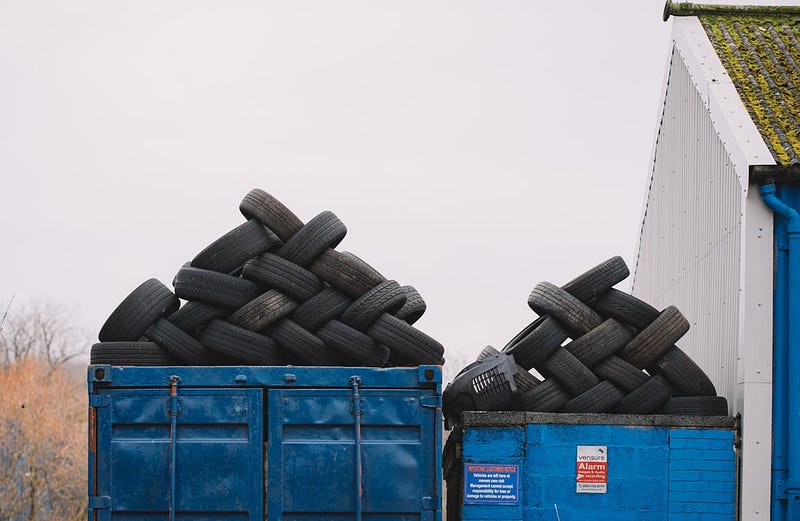
Image by Ellie Burgin via Pexels

Tire pollution is estimated to be 2,000 times worse than car exhaust pollution.
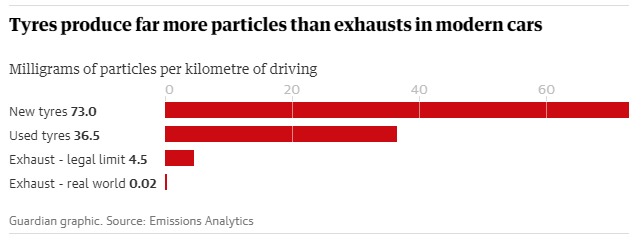
Image via the Guardian

Microplastics technically cover a wide range of synthetic materials, including synthetic rubber, which is what tires are mostly made of.

Tires tend to wear down over time; this means small (sometimes large) pieces of rubber shed off of the tire and onto roadways. Through clean-up efforts, the larger debris can be effectively recovered; but what happens to the microscopic pieces that we can’t see? Eventually these smaller particles will be carried into the natural environment via wind and/or rain.

Now multiply that by a billion (that’s how many motor vehicles are in use around the world). Unfortunately, even though this problem is widely recognized as a major source of microplastic pollution, tire particles are still not regulated by the US or EU.

Microplastic #4: Paint Chips
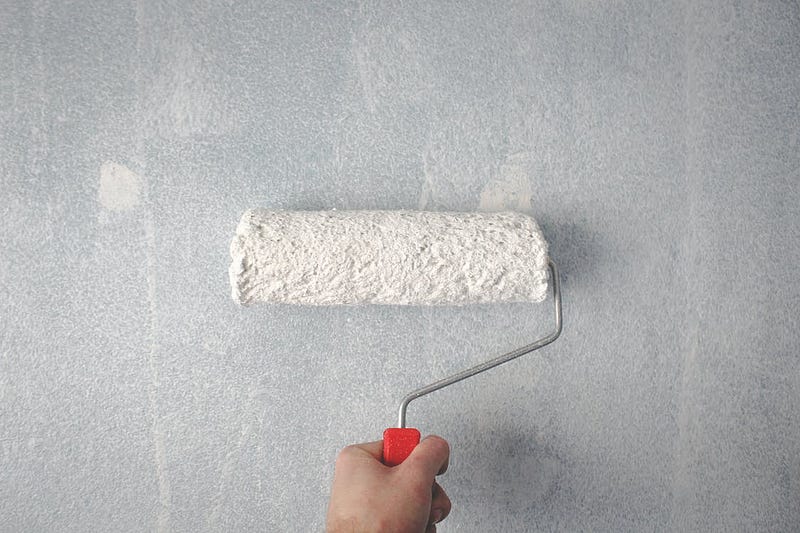
Image by Malte Luk via Pexels

Paint is one of the largest sources of microplastic pollution in the ocean.

Even though most people wouldn’t associated “paint” with “plastic”, paint is actually one of the largest sources of primary microplastic pollution around the world.

Many types of paints contain polymers (aka plastics), and we paint nearly everything: buildings, roadways, ships, etc. Just like vehicle tires, paint also wears down over time into tiny particles (or is removed through various techniques, such as sandblasting). These particles are easily picked up by running water or wind currents and eventually make their way into the natural world.

And even though these paint chip particles are nearly invisible, their impact is huge. According to the World Economic Forum, the amount of paint that ends up in the oceans is about the equivalent of 150 to 225 BILLION empty plastic bottles.

Microplastic #5: Personal Care Products
Image by Cup of Couple via Pexels

Personal care products are one of the few sources of intentionally produced primary microplastics.

Most sources of primary microplastics originate from wear and tear of plastic items that we use. However, some microplastics that enter the environment were designed small to serve a specific purpose. These microplastic “ingredients” are commonly used in personal care products.

Even though plastic microbeads were banned in 2015, the ban only included “rinse-off” products (like body washes and exfoliating face scrubs, for example). However, companies continue to use plastic ingredients in their products by navigating around loopholes.

Products that may contain plastic include…

  • Toothpaste
  • Sunscreen
  • Makeup products (lipstick, foundation, highlighters, face powders, and mascara)
  • Hair products (hair dye, hairspray)
  • Skincare products (anti-wrinkle cream, moisturizers),

…just to name a few.

Microplastic #6: Heat exposure to plastic products
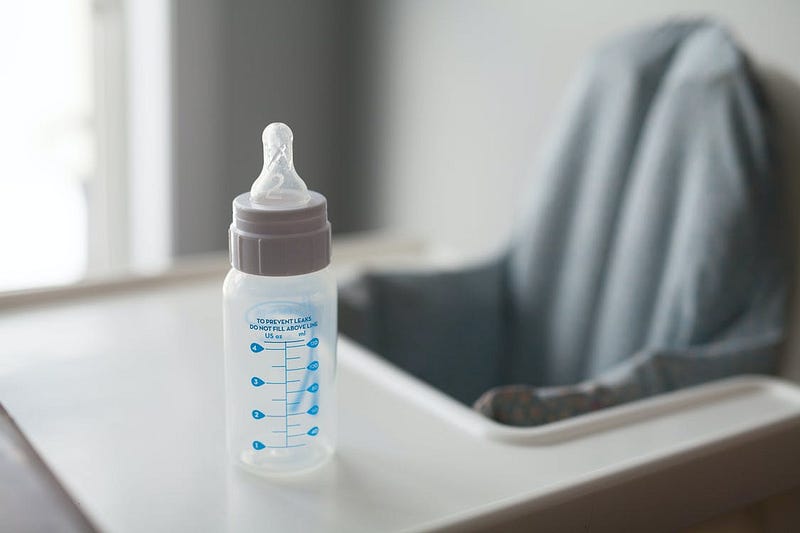
Image by Burst via Pexels

Microplastics can shed from any plastic product we use, especially when the item is exposed to heat.

Heat helps to expedite the formation of microplastics. Baby bottles, for example, are typically heated to warm milk for babies to drink. Unfortunately, infants that drink from these bottles can consume about 1.5 million microplastics per day.

Sometimes, we don’t even realize the items we use contain plastic. For example, many tea brands have opted to use plastic tea bags instead of paper. When placed into hot water, these plastic tea bags can release BILLIONS of microplastics into a single cup of tea!

As long as plastics exist, so will microplastics

We could argue whether or not recycling helps to reduce secondary microplastic pollution in the environment, but we know it will do nothing to address primary microplastics.

Even if recycling worked (which it doesn’t), it is only designed to keep plastic in rotation and in use. As long as we continue to use plastics, they will continue to shed microplastics and we will continue to consume them.

In other words, recycling is not the sole solution to microplastic pollution. We need more research, product redesigns, government regulations, and education for the public. But most importantly, we need to reduce plastic production wherever possible.

In the meantime, we will just continue eating a credit card’s worth of plastic each week.

For more like this, check out:

If you find these articles helpful, claps and comments are always appreciated. You can also support my work in the following ways:

Plastic Recycling
Greenwashing
Plastic
Microplastic
Sustainability
Recommended from ReadMedium