
NATURE NURTURES
Reciprocity Works In Nature
But only after we master the ABC of how to effect reciprocation
MUCH has been made about reciprocity as the sayings below indicate:
- Smile and the world smiles with you
- Kindness begets kindness
- Courtesy earns goodwill
- A good deed is returned many times over
If the above sayings are in reference to human interactions, reciprocity does not work 100%. The human psyche is complex. Some of us have issues that make reciprocity not workable, for the time being at least.
With nature, reciprocity works each time
You want fruits, shade, and shelter? Then plant a fruit tree. But you need to take care of it first before it takes care of your wants.
You want flowers to prettify your garden, or indoor pot plants to improve the air quality of your home or office? Then plant them, or acquire pre-planted ones. But then again, reciprocity should work both ways. No ifs. No buts.
Nourish and nurture your plants. If you feel like it, talk to them. Encourage them to grow, in words and in deed. Care for them so they would grow and thrive, and reciprocate the kindness you have shown.
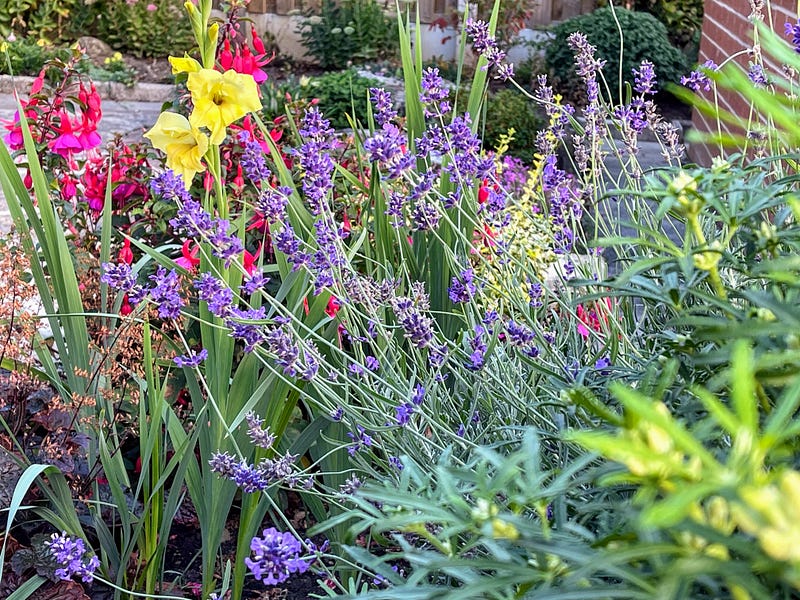
With nature — the greeneries, the waters, the birds and the bees and everything else — reciprocity works each time.
You want a mood-upper. You want inspiration. You want to breathe in the miracles of nature and be energized by all its wonders. These are free, and all we need to do is make a connection.
Nature is always open to us, but have we always been open to nature?
Establishing an affinity with nature is as easy as ABC.
Appreciate all that nature provides for us.
From acknowledging the oldest living tree, the 4,850-year-old Methuselah; to the youngest tree which, when it grows to be a big one, would provide a day’s supply of oxygen to four people; to the weeds that many undervalue, do not want, and regard as pests.
The Methuselah is the oldest living thing on earth. If that does not inspire awe in the power of nature, then I don’t know what will.
Some weeds, meanwhile, have benefits that are important to the ecosystem. They help protect and moisturize the soil, attract bees and other pollinators, and many weeds are edible for human as well as animal consumption.
Befriend nature in the context of helping to preserve it.
Think environment; think of not despoiling it. Making friends with nature, in essence, is protecting it the way we protect our loved ones.
Connect with nature as you appreciate and befriend it.
Think mindfulness; think about being in the moment, but think first about slowing down to drink in tranquillity. Breathe in; breath out.
Hear the songbirds perform for you their best; listen to the soft breeze, the rippling of water in the stream or brook, or the splash of waves at sea; perhaps the swish of wings when water fowls suddenly take flight.
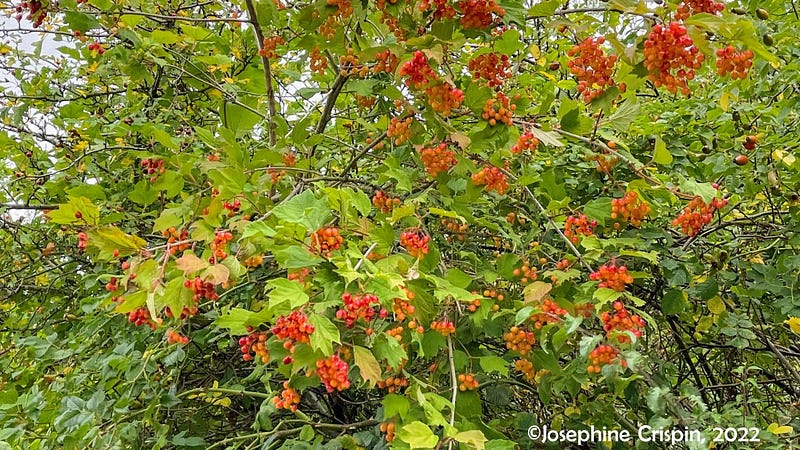
Or maybe sense a gentle fall of a teeny-weeny ball on your head as you walk along a path of tall bushes and trees with ripe berries. Look up and see how generous nature is in providing food for birds — and also for us, humans.
When we feel our hearts bursting with gratitude towards how nature nurtures us, and when our cares and worries fade as the blessings of nature envelop our senses — we have connected.
But nature is always, always there for us, patiently waiting for us to reciprocate the love, the generosity and the nurturing it has been giving us since time immemorial.
RECOMMENDED READING:
Trista Signe Ainsworth shares with us not only the miracles gifted to us by gratitude and appreciation but also delightful photographs of nature.
Sheryll James penned another fun read with her remake of Goldilocks story.
LinkedIn | WordPress | Twitter | Facebook | Instagram | Amazon Author’s Page | pinoypub.ph


