
Real Hemingway’s Writing Routine Tested by Working Novelists
What did we like? What did we hate?
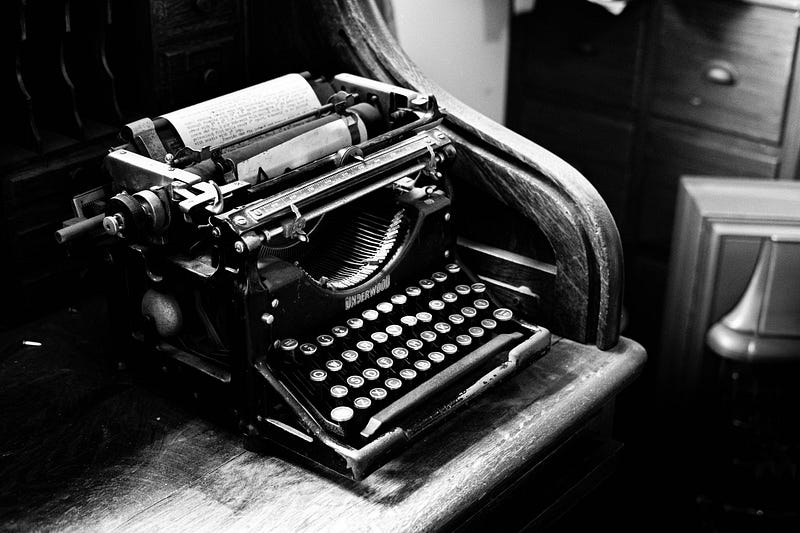
Discovering the Hemingway Way: A Writer’s Experiment
I’d try anything to get me into a consistent writing routine, and only by testing out the successful writers’ ways of writing, would I know what works and and what doesn’t.
Today, we are shadowing Ernest Hemingway.
I, Priscilla, a writer and literary magazine editor, decided to try Hemingway’s writing routine for seven days, along with my mystery writer friend Imo.
What’s helpful is that Hemingway made it very clear how he did it in his interview with the Paris Review dated 1958. It’s paywalled, so read on for all the tips you need to know.
Breaking Down Hemingway’s Writing Routine
Just a word of warning: there is a website which I don’t want to name, seems to have made up Hemingway’s routine. As a keen researcher, I suggest it’s always best to go back to the original primary source. So many so-called Hemingway’s routine videos and texts are untrue.
Here are the key points we extracted for a seven-day trial:
- Stand and write: Hemingway had a study where he lived but he seemed to prefer the standing desk(?) in his bedroom. He kept a lot of his momentoes there, and whatever that small space left, he kept his typewriter and wrote standing.
- Doddling: He seemed to have kept a clipboard with paper where he penciled thoughts, concepts, doodles, or whatever. Only when the time was right, he transferred his thoughts into words via his typewriter.
- Word counting: Unlike nowadays, where we can just get our computer to tell us how many words we have written, Hemingway tracked (most likely pages and estimates) his word count. He kept tabs on a board he hung on the wall. Sometimes he wrote more so that he could go fishing for several days.
- Dawn writing: He claimed to be a man of habit, and enjoyed writing at the crack of dawn. It seemed that the process went on till around lunch time, because he always went fishing in the afternoon. Judging by stories about him, he probably then go partying with his friends at night.
- When he stopped: Going fishing was important to him, but he also tried to stop once he knew what the next scene was.
So it was on this 5 bases that Imo and I tried the Hemingway routine for seven days. P.S. It also happened to coincide with my NaNoWriMo challenge this year, so I did have a lot of motivation to get the word count up!
Creativity, Sleepiness and CBA
The best way to know how our week went is to watch our video:
Reflections and Takeaways
On waking up early: Imo is an early riser, and I am an early riser too, but I only enjoyed moving my body in the morning, not hunching over the keyboard to write. This was a habit I have developed since I started meditating at Plum Village in France over five years ago.
In any case we believed that maybe Hemingway exaggerated a little bit when he said he wrote at the point of sunrise. Most people needed a coffee or something to slap themselves awake. Although we both like the idea of putting writing as the forefront of our minds.
On doodling before writing: Imo really detested the idea of writing notes on paper. This is common among younger people like ourselves — and probably unthinkable for even younger Gen Z-ers. If you like writing notes but not by hand, I recommend using digital whiteboards such as Miro.
On word counting: Imo and I differ in our opinions on word counting. Imo thinks it might be too stressful and defeating on days when you are not so productive, but a little bit of stress is good, no? Because I am no Nanowrimo, their interface made us log our daily word count anyway. I have grown slightly obsessed with the bar chart, and I wrote over 50000 words for that month in the end (here’s how I did it). So I would say, I am all for word-counting. Alternatively, you can try to motivate and monitor yourself through hard deadlines from prizes, universities, etc.
On writing standing: give this a go. It’s good for your health.
On stopping once you know the next scene: I must add here that the genius of this idea is that you don’t stop and go fishing when you finish the words. You stop writing, think about your next scene, and once you are happy, you go fishing (or whatever you do). This way of working saved us a lot of time and kept our morale high. We no longer wake up and stare at a blank screen crying. Of all the tips, this is the one that we love the most.


