
(AUDIO) BOOK REVIEW
Captured And Sent To Auschwitz — A True Story
The Tattooist of Auschwitz by Heather Morris — book review
When I saw the recommendation of this book on YouTube, I knew this was one I was going to listen to. Having grown up in South Africa, we learned about World War II, but only superficially. The South African Wars — especially the Boer Wars and The Battle of Blood River — received much more attention, it being the country’s own history.
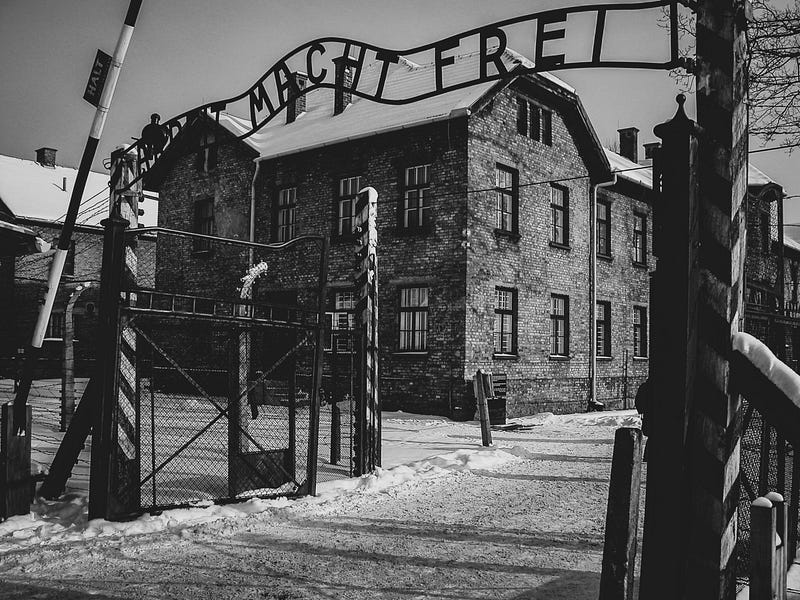
It was when I came to Europe that one day I visited the Overloon War Museum, and for the first time realized how horrible World War II was, and how many people died in the concentration camps. The photos in that museum didn’t lie, and made a deep impression on me.
Every year on the fourth of May the day is about The Remembrance of the Dead, and every year, in those two minutes of silence, I remember my visit to the museum, the people who died there, and the soldiers who died fighting for our freedom, which we celebrate annually on the fifth of May, Liberation Day.
About the author, Heather Morris
Heather Morris was born in New-Zealand, but now lives in Australia.
As a child, she loved reading and was told she was a good storyteller, but she grew up in a time where children were seen, not heard, so there’s that. She married in 1973, and her first child was born in 1976, second in 1980 and third in 1985. In 1991 Heather completed her B.A. degree, majoring in Political Science. In 1995, she began work in the Social Work Department at Monash Medical Centre in Melbourne, where she stayed until 2017.
At 45, she became a competitive Veteran athlete, taking part in shot-put, discus, javelin and hammer throwing. Heather never stopped telling stories, or as her husband called them: long-winded tales. In 1996, she enrolled in The Professional Scriptwriting Course through the Australian College of Journalism to follow her passion for storytelling.
Heather studied and wrote screenplays for several years until she met an elderly gentleman ‘who might just have a story worth telling’.
That man was Lale Sokolov.
About the book, The Tattooist of Auschwitz
The Tattooist of Auschwitz is the debut novel of Heather Morris.
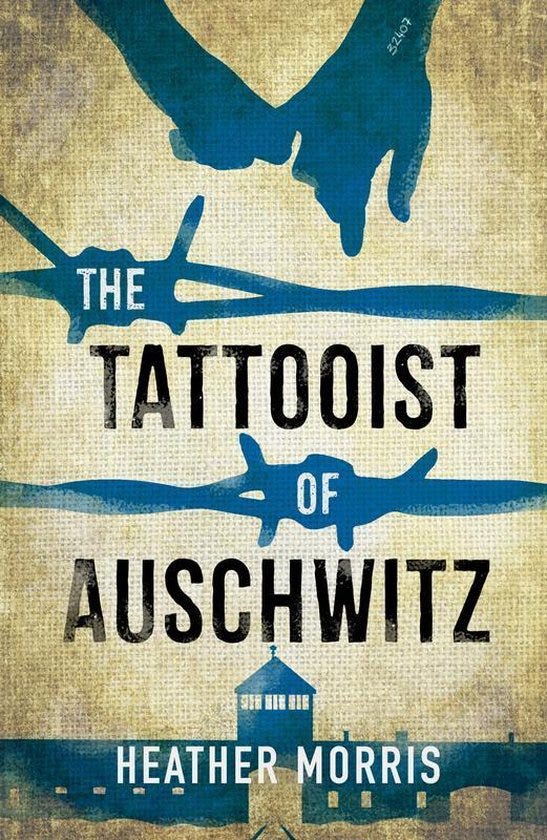
The story is about Lale Sokolov, who was forcibly transported to the concentration camps at Auschwitz-Birkenau in April 1942. There the Germans discovered he spoke several languages, and he was permanently tasked with tattooing numbers on the wrists of his fellow prisoners.
Lale risked his life several times, using his privileged position to exchange jewels and money from murdered Jews for food to keep fellow prisoners alive. He witnessed many horrific things during the two and a half years of his imprisonment.
In July 1942, Lale — prisoner 32407 — comforted Gita, a trembling young woman waiting in line to have number 34902 tattooed on her arm. Lale and Gita fell in love, and Lale vowed they would somehow survive the camp and get married. However, when the Germans emptied the camps close to the end of the war, Gita was shipped off, and Lale didn’t know where she was.
This book touched my heart
I mainly listen to books on my daily walks. Many days on those walks, listening to this book, I fought tears, and sometimes just let them run. The book doesn’t sugarcoat the horrible moments during war — moments Lale or Gitta witnessed.
A vivid, harrowing, and ultimately hopeful re-creation of Lale Sokolov’s experiences as the man who tattooed the arms of thousands of prisoners with what would become one of the most potent symbols of the Holocaust, The Tattooist of Auschwitz is also a testament to the endurance of love and humanity under the darkest possible conditions.
I copied the above quote from Goodreads. This book IS a testament to the endurance of love and humanity, and what made the story even more real is when at the end of the book, Heather tells us about meeting Lale, and him telling her his story, about his feelings, his fears, his sadness.
And then, as a bonus, there is another piece of text — a second epilogue, so to speak. If you want to know who is ‘speaking’ in that part, read the book. You won’t regret it!
If you’re thinking of joining Medium, click on my referral link to support me and other writers.
Find more of Marie on her lists, and here…


