avatarMatthew Bamberg

Free AI web copilot to create summaries, insights and extended knowledge, download it at here

1479

Abstract

f short stories requires that you read the <a href="https://www.commonlit.org/blog/10-short-stories-high-school-teachers-love-8046d35fad47/">best ones</a>.</p><p id="ca12">Discuss the the title.</p><p id="12dd">Discuss author’s background and ask:</p><ul><li>Why do you think the author wrote this story?</li><li>How does it relate to his/her background? (This will inform students that when they write their story, they need to consider their own background and life. subject area and so on.)</li></ul><p id="03ee">Review <a href="https://www.rcboe.org/cms/lib010/GA01903614/Centricity/Domain/4395/Elements%20of%20a%20Story.pdf">parts of a short story</a> using a graphic organizer.</p><p id="9204">Use <a href="https://teachanywhere.byu.edu/teaching-tips/the-socratic-method">Socratic questioning</a> to get students critically thinking by relating the topic of the selection to the students’ own lives and/or real world.</p><p id="3d57">Set purpose for reading the example story by focusing on its content. Ask students about the title’s implication and what to look for in the content (a scence, a character behavior or reaction.</p><p id="b7ce">*If possible and appropriate, relate story to social justice to meet <a href="https://sdlhub.org.au/lifting-the-silence">critical literacy and other related guidelines </a>to prepare students for writing their own short story with a compelling message.</p><h2 id="b011">Reading (Lesson Two)</h2><p id="332a">Use <a href="https://

Options

www.commoncorestandardslinks.com/2014/09/grade-1-8-ccssclose-reading.html">close reading</a> to read through the story a few times, each time focusing on a reading or writing skill.</p><p id="300d">One idea I have presented to help English Language Learners (ELLs) to new teachers is to run through the story having students <a href="https://www.commoncorestandardslinks.com/2022/11/close-reading-updated-procedure-for.html">mark all of the cognates</a> in it.</p><p id="6ba8"><i>Opting for reading the story aloud while using a variety of gestures, movements and voice changes to liven up the storytelling and engage students.</i></p><h2 id="7463">Post-Reading (Lesson Three)</h2><p id="958e">Have students identify and define the key elements of the short story (theme, character, plot, setting, conflict).</p><p id="8ccf">Identify key elements of the story from the use of figurative language to the meanings and discussions about complex vocabulary words contained in the story.</p><p id="e0ab">Assess students’ knowledge of story elements, so they can write their own story.</p><p id="4c62">Proceed with steps (brainstorming, outlining, drafting, editing, creating a final draft) for teaching a few more lessons about how to write their own short story.</p><p id="9d8e">The reading and writing process requires breaking up each task by using steps. For compelling writing, it’s essential to break down the process of reading before writing in any genre.</p></article></body>

Teaching and Learning

Reading to Write

Student lessons for critically reading short stories in order to prepare for writing their own
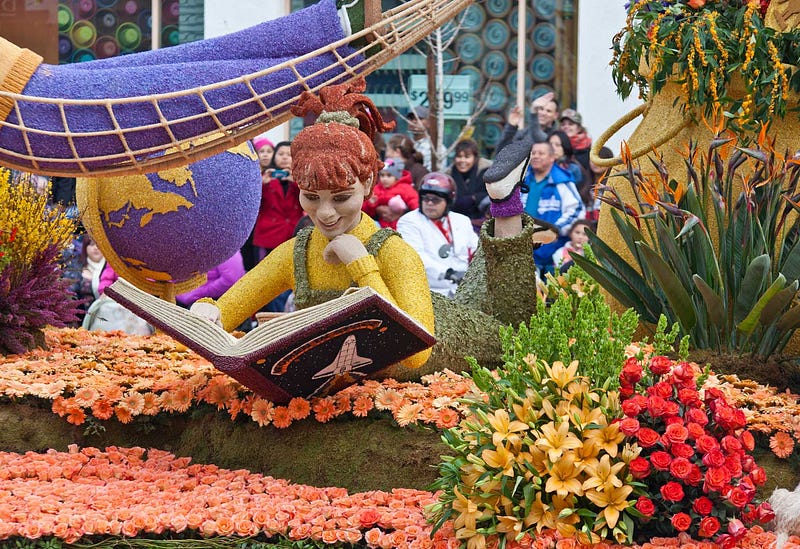
Reading is the key to good writing. Photo by Matthew Bamberg

Reading to write trains students in the classroom and elsewhere how different writing genres require reading from those genres.

Why is critical reading and literacy important?

Critical reading in order to write involves many factors related to themes, characters, settings, historical information, and sometimes political points of view.

Critical reading requires that the reader/writer thinks carefully about a theme so that it contains addressing an issue that relates to a specific audience.

Finally, critical reading has readers seeking out any messages the writer has regarding the content of the story.

Steps to critically reading to enhance literacy include creating activities for:

pre-reading

during reading

post-reading

Pre-Reading (Lesson One)

Tackling the writing of short stories requires that you read the best ones.

Discuss the the title.

Discuss author’s background and ask:

  • Why do you think the author wrote this story?
  • How does it relate to his/her background? (This will inform students that when they write their story, they need to consider their own background and life. subject area and so on.)

Review parts of a short story using a graphic organizer.

Use Socratic questioning to get students critically thinking by relating the topic of the selection to the students’ own lives and/or real world.

Set purpose for reading the example story by focusing on its content. Ask students about the title’s implication and what to look for in the content (a scence, a character behavior or reaction.

*If possible and appropriate, relate story to social justice to meet critical literacy and other related guidelines to prepare students for writing their own short story with a compelling message.

Reading (Lesson Two)

Use close reading to read through the story a few times, each time focusing on a reading or writing skill.

One idea I have presented to help English Language Learners (ELLs) to new teachers is to run through the story having students mark all of the cognates in it.

Opting for reading the story aloud while using a variety of gestures, movements and voice changes to liven up the storytelling and engage students.

Post-Reading (Lesson Three)

Have students identify and define the key elements of the short story (theme, character, plot, setting, conflict).

Identify key elements of the story from the use of figurative language to the meanings and discussions about complex vocabulary words contained in the story.

Assess students’ knowledge of story elements, so they can write their own story.

Proceed with steps (brainstorming, outlining, drafting, editing, creating a final draft) for teaching a few more lessons about how to write their own short story.

The reading and writing process requires breaking up each task by using steps. For compelling writing, it’s essential to break down the process of reading before writing in any genre.

Education
Writing Cooperative
Reading
Short Stories
Teaching
Recommended from ReadMedium