
Reading Island of the Blue Dolphins with my Daughter
A Quarantine Review
The book Island of the Blue Dolphins, by Scott O’Dell was written in 1960. I remember reading it as a kid in the 1980s. I thought since I still have my original copy, a copy that has my name written by my 10 year old hand, in pencil, on the back of the front cover, and that since my daughter is 11 years old we may as well give it a try as a homeschooling adventure.
There’s a lot to like about the book. For starters it is calm. The writing is calm. The descriptions. Most of the events. Even when they are awful and tragic and dangerous, the writing is calm and inviting. Now I know there’s problematic issues that abound with this book, the white man writing the native girl, all of it. I know. And yet here we are on this journey where the classics that exist have to be wrestled with and where I want my daughter to have insight into things without me just telling her what is bad, or wrong, or why this issue is an issue, and so on.
It has a Boxcar Children (by Gertrude Chandler Warner) feel to some of it and both my daughter and I literally freaked out with happiness over the part in the Boxcar Children where the kids find their boxcar and start making it into a home.
“Two each,” said Jessie. She gave them out. That is, she rolled two potatoes to each one. “Now let’s put the canned milk in the water pail with some spring water.” “What a dinner!” cried Benny. “I don’t like canned milk when I’m home. But it tastes all right here.” It was certainly queer not to have any dishes except a water pail and milk cans. But even as the wind kept on blowing and the rain kept on falling, everyone was very happy to have tin cups and a water pail. “We are pretty lucky to have anything to eat,” said Violet. “If you hadn’t found the bag, Benny, we wouldn’t be eating now.” The children opened the hot potatoes with sticks. They ate them with small sticks. “Awfully hot, aren’t they?” said Henry, burning his fingers. “But aren’t they delicious!” “We have to eat slowly this time,” said Joe. “Make them last as long as you can.” — Gertrude Chandler Warner, The Boxcar Children, 1924
Because of course every child’s dream is to be doing things for themselves. To be in charge of their own lives. To set up their own home. This is the stuff of fairy tales, yes? A child alone, figuring it out, going through it, growing up.
Now of course the other dream of every child is to stay and remain a child and to not grow up. I know this from life, from talks with my daughter, from wanting this right now for us all, from psychology, from the tension — you cannot have the fairy tale desire to be on your own if you did not also have the fairy tale desire to never have to be.
Also, note how perfect for our times right now. This girl is doing it all and totally isolated. She is practicing the ultimate in social distancing. We identified and also wished we had an island to be on, with nature and animals, with building tools and a house from scratch with our own hands! Wow! And of course, we were also grateful for being in our home, with our things, and for the ease in which we can isolate in today’s world — hello social media, hello Roblox, hello texting and Facetiming with friends and family!
My daughter loved the parts of the book where Karana is living her life. We will not spoiler alert it for other homeschoolers but there’s some tragic tragedies that are a bit much — and that all result in our girl, Karana, being alone on this island for years and years. Just building stuff. Just hunting. Just taming wild dogs and being awesome. And we live for it. Her clothing, her freedom, her living by her own rules and creating her own everything. Yes, girl, yes.
I recommend it for this reason. So does my daughter. Because this glimpse into all of the things Karana has to do to survive, and how she does them, is inspiring in the way only books can be — it takes your imagination into magical places that lead you to ideas, to wanting to know more, to wondering and to wandering. While reading this book my daughter and I created a few striking scenes from it with Legos, and she also drew her favorite part — Karana and her dog, Rontu (heads up tragedy abounds there too, fam). But her love for animals is so preteen girl magic that my daughter felt so seen!
“Ulape would have laughed at me, and others would have laughed, too — my father most of all. Yet this is the way I felt about the animal who had become my friends and those who were not, but in time could be. If Ulape and my father had come back and laughed, and all the others had come back and laughed, still I would have felt the same way, for animals and birds are like people, too, though they do not talk the same or do the same things. Without them the earth would be an unhappy place,” — Scott O’Dell, Island of the Blue Dolphins, 1960
This was a very good book to read together and to make the focus of some of our pandemic COVID19 2020 homeschooling life. Because it takes you out of the now and puts you into a place where you kind of want to be — a place of what feels like freedom, and also peace. Well, maybe you would not want to be totally alone, perhaps. Maybe the isolation of Karna circa her time after being legit abandoned on her island and the isolation of us circa our time after being legit bombarded by a virus that is both physically and politically destructive is too much. But still, the idea is tempting.
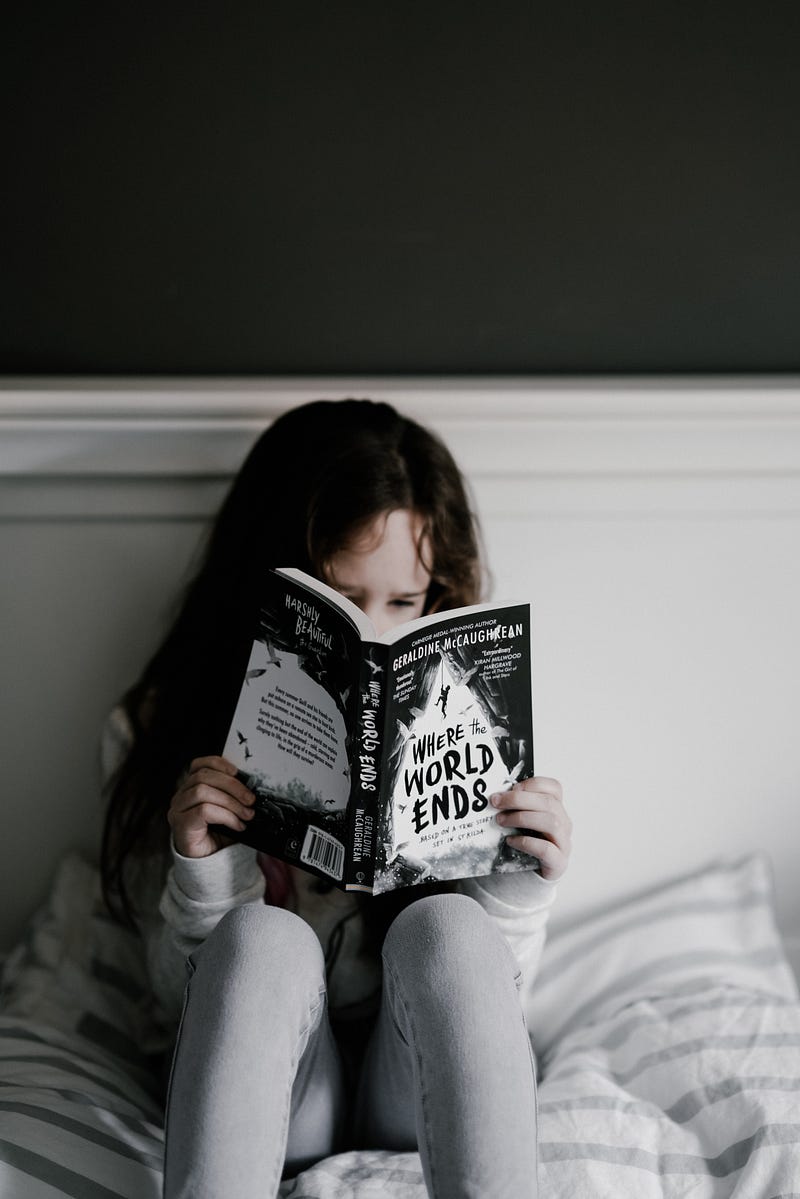
I am happy we read this book together and that we could talk about it. The ending made us both upset. I recall being very angry about it when I was a kid. I always had a thing for justice and freedom and recall being livid when the missionaries came and pretty much started right in on changing Karana — taking her favorite skirt and making her a boring AF blue dress that covered her entire body, no thank you sirs.
My daughter felt the same way. Just really bummed. What an ending. And then we look up the actual story and come to find that pretty much after being found and let’s say taken by the missionaries, Karana died from illness — flat out died, after I think 7 weeks.
So she was happy, free, thriving, creating, existing on her island for decades, even alone, and then 7 weeks with these missionaries and she’s dead. What a loss! But also, what a lesson in colonialism and imperialism and racism and all of the all of these issues that take people away from their freedoms, their lives, their ways, and call it ‘civilization.’
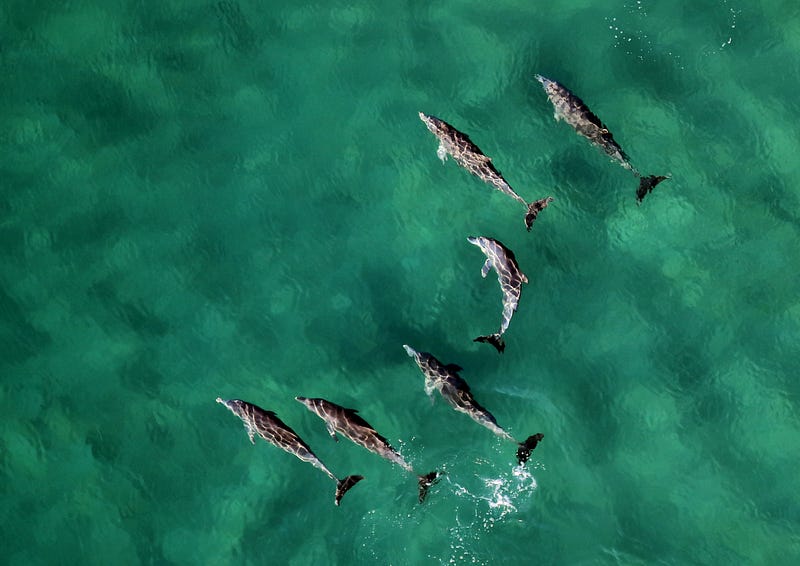
This book gives us a lot to think about when it comes to freedom, humanity, and life — what is a good life? Who is free to live this good life? And of course, the last thing she sees as she is leaving her island are dolphins, who might just represent freedom, right?
“For a long time I stood and looked back at the Island of the Blue Dolphins. The last thing I saw of it was the high headland. I thought of Rontu lying there beneath the stones of many colors, and of Won-a-tee, wherever she was, and the little red fox that would scratch in vain at my fence, and my canoe hidden in the cave, and of all the happy days.
Dolphins rose out of the sea and swam before the ship. They swam for many leagues in the morning through the bright water, weaving their foamy patterns. The little birds were chirping in their cage and Rontu-Aru sat beside me,” — Scott O’Dell, Island of the Blue Dolphins, 1960
My daughter and I also looked into reading some of A People’s History of the United States, but the kids version, A Young People’s History of the United States, because I think after this book she is ready.
©Jenny Justice. All Rights Reserved.
Jenny Justice, Poet. Author of Love in the Time of Climate Change and Reveal. You can read more of her poetry at Justice Poetic. Sign up for her newsletter here.


