
Read These Seven Books To Improve Articulation — Both Verbal and Written
The road to becoming more articulate is a personal journey, one that requires patience and perseverance

Whether it’s written articulation or verbal, both require a blend of listening and speaking skills. Articulating your point of view is something that is gathered through experience. When you fail to articulate well, you gain to articulate later.
I tag myself as an introvert. And, that will sound like —‘What does this guy know about articulation?’
But articulation is not just verbal; it’s about writing, too.
In my relationships at the workplace, I often make use of writing as a way to communicate more effectively than spoken words. In a way, it becomes challenging also to ensure that the written words are articulating the right tone and meaning.
In order to make this journey smooth, books have been an exceptional tool for me.
7 Books That Helped Me Understand Articulation
Here are some book recommendations that address both written and verbal articulation and that have helped me become better at my craft and learn more.
“Made to Stick” by Chip and Dan Heath
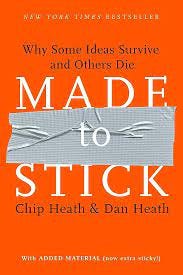
This book is about creating ideas that are memorable and teaches how to express oneself effectively. I like this book because better ideas mean better conversations. And better conversation leads to getting better at articulation.
The authors have explored different aspects of idea creation and why a few works and others don’t. While reading this book, I explored different ideas from different perspectives. That ultimately helped me scroll through my written and spoken words better.
“How to Win Friends and Influence People” by Dale Carnegie
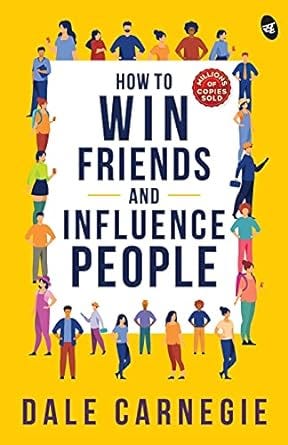
This timeless classic offers valuable principles on how to communicate effectively with others and express oneself clearly in conversations. I have used Audible to listen to this book almost 7–8 times.
The principles sound basic, but they are effective and meaningful. The book is simple and flows like butter in your mind.
The lasting fragrance that it leaves is something I always find intriguing. How and what to say is something that this book is great about.
“The Art of Communicating” by Thich Nhat Hanh
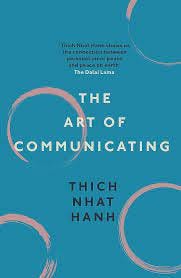
Here, the focus is on mindful communication, teaching readers how to listen with compassion and speak with clarity. The author’s expression of words will force you to go into deep meditation and articulate within before turning it into a life skill.
Hanh emphasizes the importance of being present in conversations and understanding the emotional undertones of what is being conveyed. His approach helps to cultivate a kind of communication that goes beyond mere words, fostering deeper connections with others. This aligns well with self-improvement and can be a transformative read for anyone looking to enhance their interpersonal skills and articulate their thoughts more effectively.
“Just Listen: Discover the Secret to Getting Through to Absolutely Anyone” by Mark Goulston
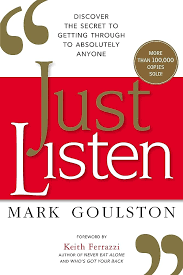
This book is about the art of listening, which is crucial for being articulate in conversations, as understanding others helps you frame your responses more effectively.
To me, deep listening is the secret sauce to making profound conversations and also to write better.
Goulston, a psychiatrist, provides insights into the psychological underpinnings of communication, offering strategies to connect with people, even in challenging situations. He explains how to transform the usual monologues into meaningful dialogues by using empathy and by truly understanding the perspective of others.
“Influence: The Psychology of Persuasion” by Robert B. Cialdini
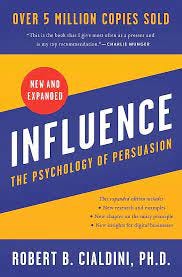
This is one of my favourites. This book explores the psychological principles behind effective communication and how to persuade others effectively, improving both written and verbal articulation. I have read through the physical book once and played it on Audible twice. And, every time, there are new lessons to be learned.
By exploring the science of why people say "yes" and teaching how to apply these understandings, the book is a powerful tool for anyone looking to improve their ability to persuade and articulate their thoughts in a manner that influences others. It’s a cornerstone text for those interested in enhancing their communicative impact, making it a perfect fit for discussions on effective articulation.
“Steal Like an Artist: 10 Things Nobody Told You About Being Creative” by Austin Kleon
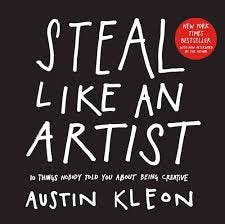
While it focuses on creativity, it also touches on how to express those creative ideas articulately and persuasively. Austin Kleon is an amazing artist, and his creativity is a lesson in expressing ourselves better. Go through his Instagram feeds to get to know him better.
Kleon encourages embracing influences and reinventing them into something unique, a concept that can be directly applied to the way we articulate thoughts and ideas.
The book is not just about creating art but about transforming the way we see and convey ideas. It advocates for a more dynamic and innovative approach to expression, making it an essential read for anyone who wants to articulate their thoughts in a way that is both authentic and creatively inspiring.
“Never Split the Difference: Negotiating As If Your Life Depended On It” by Chris Voss
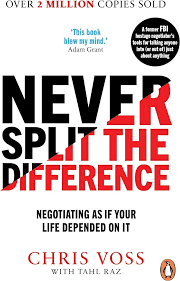
A former FBI negotiator provides insights into negotiation skills, which are directly applicable to becoming more articulate in high-stakes conversations. There is something about authors who have served in such organisations. The practical applications of principles become profound lessons for the readers.
The book teaches how to use words effectively to influence outcomes, which is a critical skill for anyone looking to enhance their articulation abilities, whether in everyday conversations or complex negotiations.
Each of these books provides insights into different aspects of communication, from structuring your thoughts clearly to engaging listeners and responding effectively, all of which contribute to becoming more articulate in conversations.
Get More From Reading
Reading a variety of books, from style guides to literature, can greatly enhance articulation by exposing you to different writing styles, expanding your vocabulary, and providing models of clear expression.
Additionally, to truly harness the power of reading to enhance your articulation, it’s crucial to engage with these books actively.
- Practice reading aloud: This will not only improve your pronunciation but also help you gain confidence in your speaking abilities.
- Summarise and reflect: After finishing a book, take a moment to summarise it in your own words. This exercise forces you to distil information, enhancing your ability to convey its ideas clearly.
- Consistency is key: Like any skill, consistent practice is vital. Make reading and speaking a daily habit, even if it’s just for a few minutes each day.
- Engage in Online Forums: Websites like Reddit or Quora are excellent places to engage in discussions on a plethora of topics. Articulate your thoughts in writing and learn from the discourse.
- Mindful Reading: Don’t just read — analyse. Pay attention to the author’s choice of words, metaphors, and analogies. How do they make complex topics understandable? How do they persuade or inform?
Remember, the road to becoming more articulate is a personal journey, one that requires patience and perseverance. As I have found in my own experience, integrating these practices into your daily routine can lead to significant improvements over time.
Nishith is an author and creator of a unique self-development platform — “Be Better Bit-By-Bit.”
Grab your copy of his books — Be Better Bit-By-Bit and My Daily 5-Minute Gratitude Journal. Also, listen to his podcasts Be Better Bit-By-Bit and 10 Bullets — 100 Words Book Summary.


