Rasputin — The Self-Proclaimed Holy Man
The Puzzling Journey of the Imperial Family’s Faith Healer
Introduction
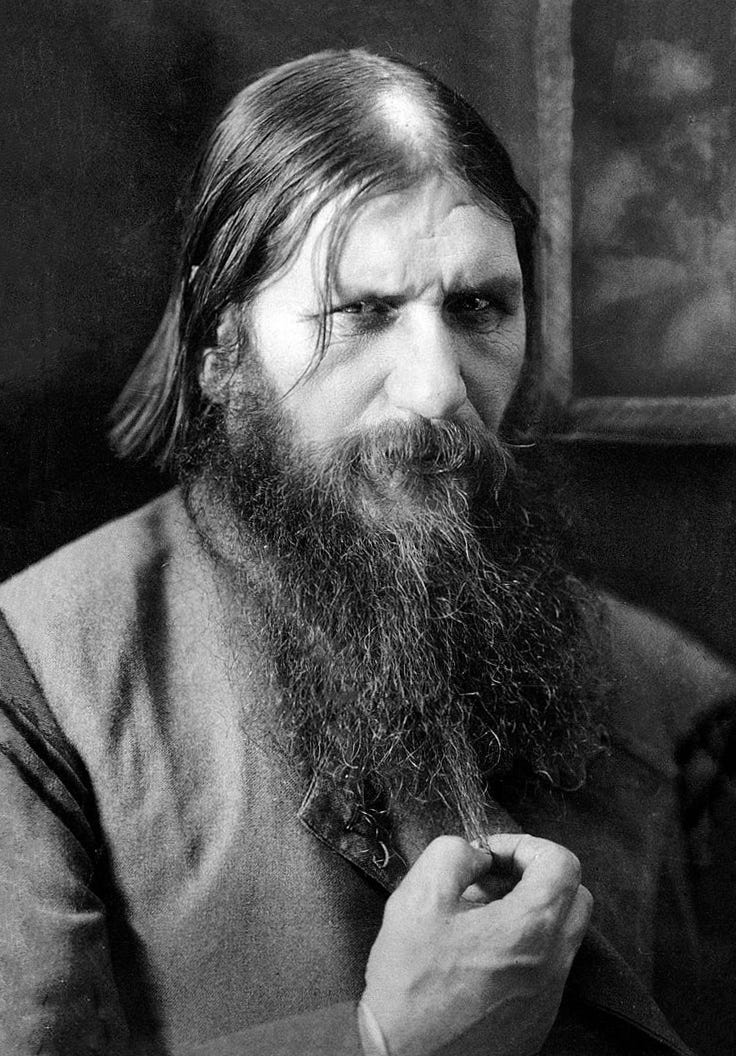
Diving into the depths of history often takes us on a wild journey, and the case of Grigori Rasputin is no exception. Born in a humble peasant family in the harsh Siberian landscape, Rasputin rose to unprecedented prominence in the court of the last Tsar of Russia.
His life, brimming with controversy, spirituality, power, and a grisly murder, offers a riveting blend of fact, fiction, and endless speculation. As we delve deeper into the labyrinthine saga of Rasputin’s life, we find ourselves on the boundary between historical reality and mystical enigma.
Ascend to the Court
Rasputin’s journey from the Siberian wilderness to the opulent corridors of the Russian royal court was marked by a peculiar set of circumstances and his uncanny charisma.
His first encounter with St. Petersburg’s high society occurred in 1903 when he was introduced as a ‘starets’ or holy man, known for his supposed healing powers and prophetic abilities. His intense persona, the air of mysticism, and his fascinating tales of religious experiences attracted influential followers, including Bishop Hermogen and Theofan, Inspector of the Theological Seminary of St. Petersburg.
However, the defining moment that cemented his position in the court was his encounter with Tsarina Alexandra in 1905. The Tsarina was desperately seeking a cure for her son, Tsarevich Alexei, who was suffering from hemophilia, an incurable disease at the time.
When traditional medicine failed, Alexandra turned to Rasputin, drawn by tales of his healing powers. According to historical accounts, Rasputin managed to alleviate Alexei’s sufferings, which some attribute to his calming influence and the ceasing of aspirin, a known blood-thinner that was used for treating Alexei’s condition.
Rasputin’s perceived miracle not only solidified his position as a spiritual advisor to the Tsarina but also gave him unprecedented access to the royal family. He used this access to make political recommendations, which were often followed by the Tsar and Tsarina. As his influence grew, so did the public’s suspicion and resentment, setting the stage for the tumultuous events that followed.
The Alleged Healing Powers: Diving into the Theories
Rasputin’s inexplicable healing abilities remain a hot topic for discussion, even after a century of his death. His mysterious ‘curing’ of the Tsarevich’s severe hemophilic condition has intrigued historians, researchers, and enthusiasts alike, leading to several theories that attempt to explain this peculiar phenomenon.
The Hypnosis Theory
One widely discussed theory is that Rasputin might have been a skilled hypnotist.
Some historical accounts suggest that Rasputin possessed a powerful gaze and an imposing presence, potentially indicative of his abilities to influence and control others through hypnosis. The proponents of this theory believe that Rasputin might have used hypnotic suggestions to alleviate Alexei’s pain and induce a psychological state conducive to healing.
The Folk Medicine Theory
Given Rasputin’s Siberian roots, it’s also plausible that he could have been well-versed in folk medicine. He could have leveraged natural remedies and traditional healing practices, which were common in Siberian villages, to relieve the Tsarevich’s sufferings.
The Aspirin Theory
A more modern take on this mystery suggests that Rasputin’s contribution to the Tsarevich’s recovery could be due to his advice against the administration of aspirin.
Unknown to many at the time, aspirin is a potent blood thinner, which would have exacerbated Alexei’s hemophilia. Thus, by advising against its use, Rasputin might have unintentionally facilitated Alexei’s recovery.
Regardless of the theory one chooses to believe, it is undeniable that Rasputin’s alleged healing powers played a crucial role in his rise to power and his eventual downfall. It also contributes to the enigma that continues to surround his persona, making his tale one of the most captivating chapters in the annals of Russian history.
Rasputin’s Mystical Influence: Beyond Healing

This faith healer’s alleged powers were not limited to his remarkable healing abilities. His uncanny influence over the Russian royal family was attributed to a series of other mystical powers that he was believed to possess. These supposed powers further strengthened his position in the court and amplified his mysterious persona.
The Seer’s Eye
Accounts suggest that Rasputin displayed prophetic abilities, adding to his aura of divinity.
On one notable occasion, Rasputin reportedly predicted his own death and the downfall of the Romanov Dynasty, lending credence to his clairvoyant abilities and making him more influential in court.
Master of Persuasion
Rasputin was also known for his mesmerizing oratory skills. His captivating speeches, layered with religious philosophy and esoteric wisdom, endeared him to the royal family and the courtiers. Many historians speculate that his extraordinary persuasive skills were a manifestation of his mystical power over people.
Spiritual Influence
Rasputin often played the role of a spiritual guide to the Tsarina, advising her on matters beyond the physical wellbeing of her son. His unique interpretations of religious texts and his prophetic insights lent him an image of a spiritual guru, which in turn increased his influence within the royal household .
These abilities, coupled with his healing powers, painted a picture of a man with divine connections, making him an influential figure within the royal court. However, his unchecked influence and the mystery surrounding his abilities also sowed the seeds of resentment among the Russian nobility, setting the stage for his eventual downfall.
His Scandalous Intrigues: Sensationalism or Reality?
Grigori Rasputin’s personal life was as much a spectacle as his political influence and mystical reputation.
Notorious for his hedonistic lifestyle, the self-proclaimed holy man’s indiscretions caused a stir within society and the political world. This scandalous side of Rasputin included an alleged mix of theological misinterpretations, rumored affairs with noblewomen, and behaviors that led to his eventual downfall.
Rasputin justified his sexual behavior under a controversial belief that sinning was a necessary path to redemption. He propagated that one had to sin to understand and attain true repentance. While heavily criticized, this doctrine allowed him to find a theological basis for his actions.
Rumors also circulated about Rasputin’s affairs with numerous noblewomen, including the Tsarina herself. Though these rumors were never substantiated, they had a damaging effect on the reputation of the royal family and amplified public resentment against Rasputin.
The tales of Rasputin’s sexual improprieties played a significant role in his downfall. They not only infuriated the nobility and church officials but also distanced him from the public. This growing resentment eventually led to calls for his removal and set the stage for his eventual assassination.
Whether based on fact or fiction, Rasputin’s sexual exploits became a contentious part of his enigmatic persona, playing a pivotal role in shaping his image and the public’s perception of him.
The Holy Murder: A Supernatural Phenomenon or a Botched Assassination?
Rasputin’s influence, increasingly seen as malevolent, led a group of disgruntled nobles to orchestrate a plot to assassinate him. The circumstances surrounding his murder in December 1916, but, are steeped in mystery and controversy, adding further to the mystery of Rasputin.
The Poison That Didn’t Work
According to widely accepted accounts, the nobles first attempted to kill Rasputin by poisoning his food and wine with cyanide.
Miraculously, or so it seemed, Rasputin didn’t succumb to the poison, raising speculation about his supposed invincibility. Was it Rasputin’s supposed supernatural powers at work, or did the assassins fail to administer a lethal dose?
The Failed Gunshots
Undeterred by the failure of their initial attempt, the nobles resorted to shooting Rasputin. According to the narrative, Rasputin was shot multiple times but still managed to attempt an escape. T
his resilience in the face of fatal injuries has often been attributed to Rasputin’s alleged mystical abilities. However, critics suggest that the panic-stricken assassins might have failed to deliver a fatal shot.
The Final Act: Drowning
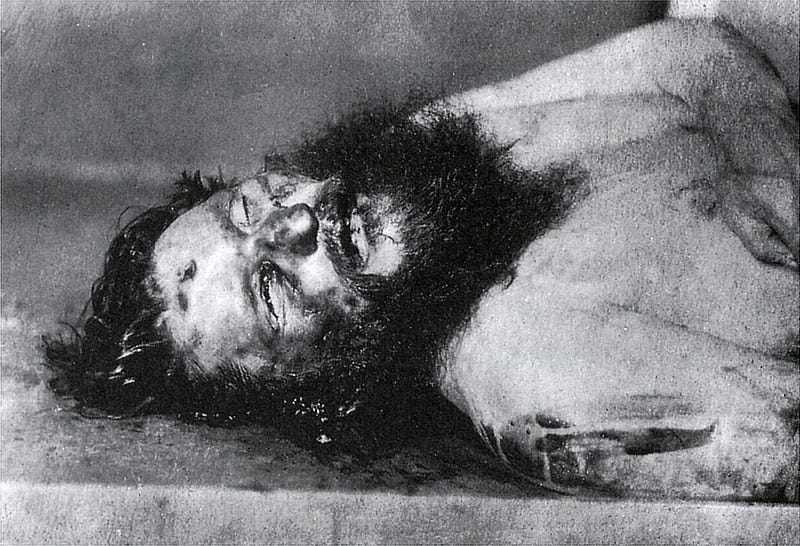

When bullets failed to do the job, Rasputin was finally thrown into the icy Neva River, where he ultimately met his end.
Autopsy reports suggest that water was found in his lungs, indicating that Rasputin was alive when thrown into the river and that drowning was the cause of his death. This finale of the chaotic assassination attempt has further fueled theories about Rasputin’s supernatural invincibility.
Final Thoughts
Even more than a century later, the story of Grigori Rasputin continues to intrigue historians and laymen alike.
His life and dramatic death often blur the lines between historical fact and lore. Rasputin’s rise from obscurity to divine prominence and his uncanny survival of multiple assassination attempts have been etched into the annals of history, serving as a reminder of our fascination with the unexplained and the power of individual charisma in shaping historical narratives.