
Ramadan in Egypt: Traditions, Anticipation, and the Joy of Iftar
Hello everyone! After a brief break, I’m excited to be back and share something close to my heart — Ramadan in Egypt. As the holy month started, the air was buzzing with preparations and a beautiful sense of anticipation. Being Egyptian, I’d like to take you on a journey through our unique Ramadan rituals and the heartwarming joy of our first iftar.
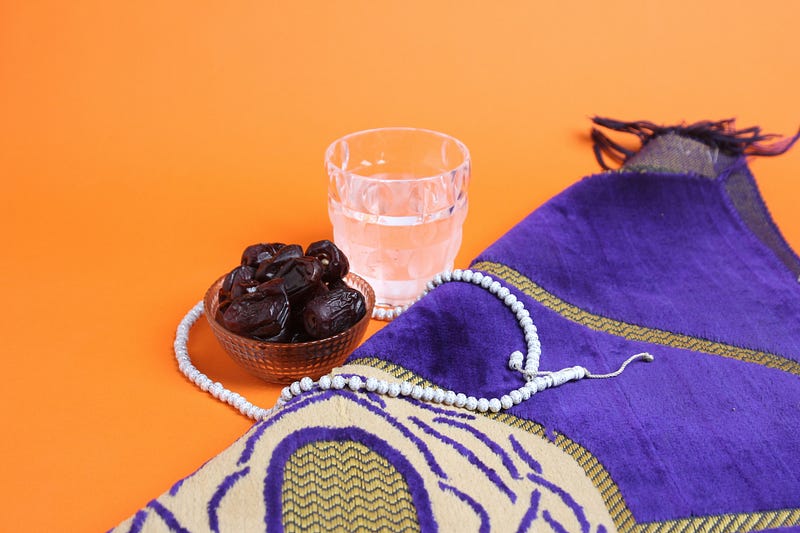
What is Ramadan?
Ramadan is the ninth month of the Islamic calendar, considered incredibly sacred. We as Muslims believes that the holy book of Islam, the Quran, was first revealed to the Prophet Muhammad during this month. For us Muslims, Ramadan is a special time to strengthen their faith and connect with God.
Fasting: The Heart of Ramadan
The most well-known aspect of Ramadan is fasting. From dawn to sunset, healthy adult Muslims abstain from eating, drinking, sex and other certain activities. This might seem difficult, but it’s a way to practice self-discipline, empathy for those less fortunate, and focus on spiritual growth.
The First Day of Fasting
The Sohour Rush,
Waking up before dawn for sohour, our pre-fast meal, is a shared experience. Families gather for a nourishing meal to fuel the day. In Egypt, this is a must! It’s a vibrant scene in many households.
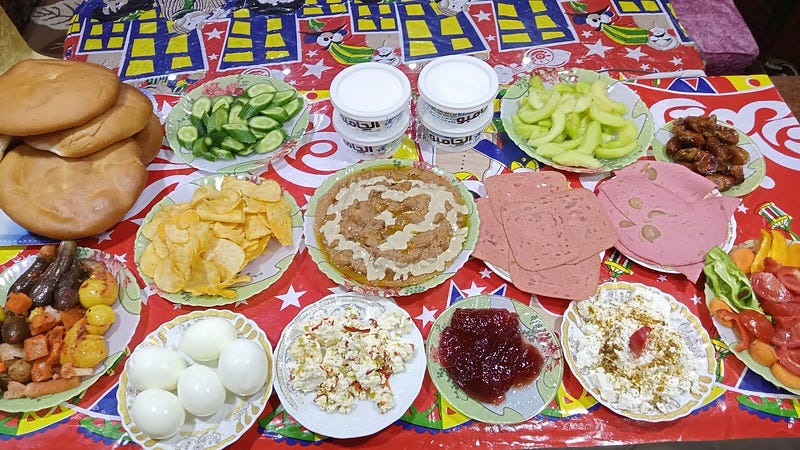
Me and my wife, for instance, wakes up before everyone to prepare a spread of foul (seasoned fava beans) simmered with spices and tomatoes. The aroma fills the house, a comforting reminder of the day ahead. Alongside the foul, there’s usually pita bread, yogurt, dates, and lots of water to keep us hydrated throughout the long day.
The Joy of Iftar
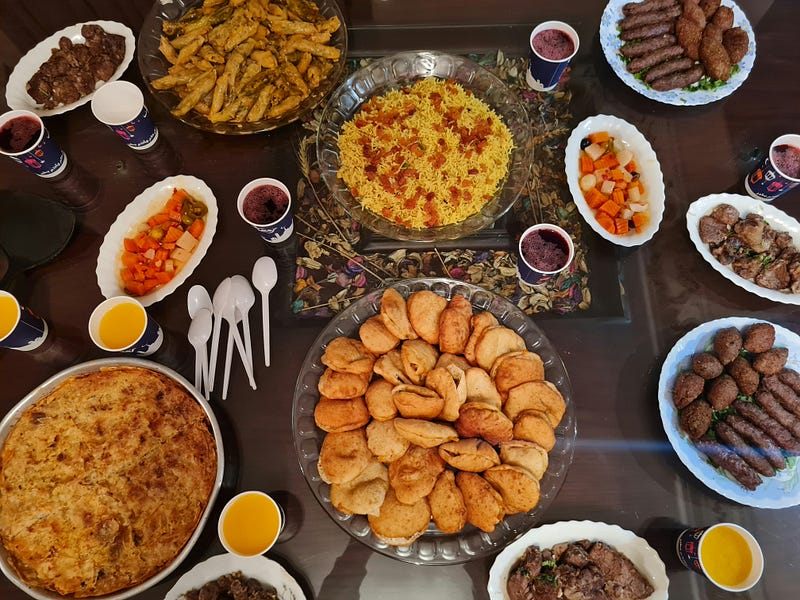
The Sweetest Sound at this moment is The maghrib prayer call, signaling sunset, is music to our ears. It’s the moment we’ve waited for all day. Egyptian iftar tables are laden with delicacies! We start with dates and refreshing drinks like tamer hindi and karkadeh. Hearty soups, stuffed vegetables, meats, and an array of Ramadan treats follow.
The Star of Iftar: Mahshi
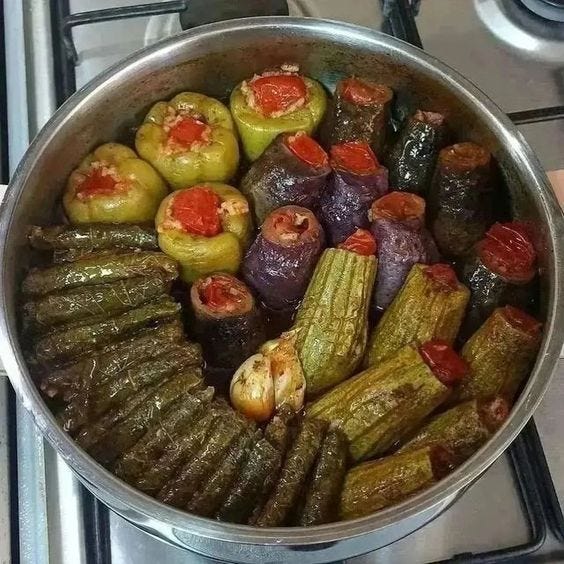
While every household has its favorites, mahshi is a true star of Egyptian Ramadan Iftar. Mahshi refers to vegetables like grape leaves, cabbage, or zucchini stuffed with a flavorful rice and herb mixture — a true labor of love! We start by breaking the fast with dates and refreshing drinks like tamer hindi (tamarind) or karkadeh (hibiscus). Then comes a feast of soups, salads, meats, and of course, the beloved mahshi.
Free Iftar for Everyone
Iftar is best shared with loved ones. The spirit of generosity shines as we invite neighbors and those in need to join our meals. The sense of community strengthens during Ramadan. Fasting together creates a unique bond, and mosques become centers of prayer and reflection.
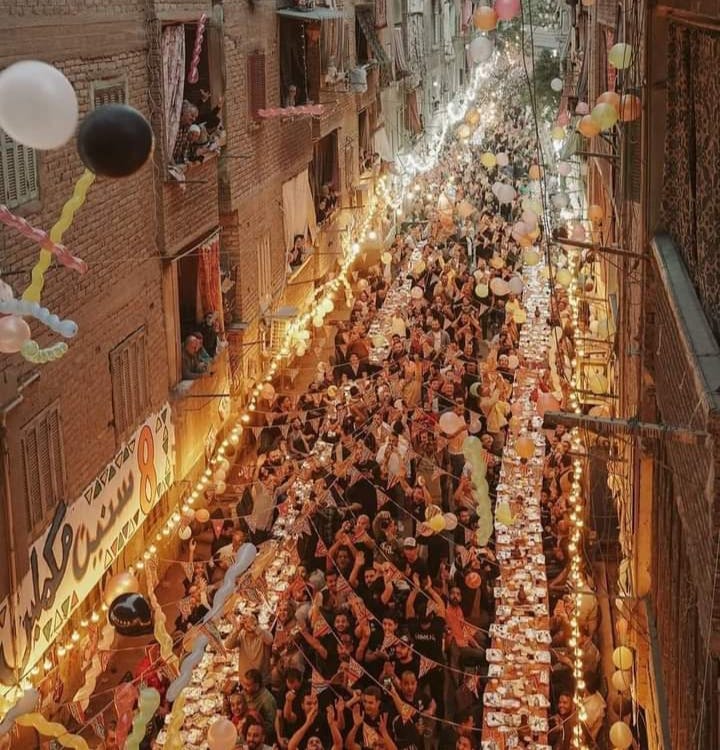
A special thing happens in Egypt during Ramadan. In every city, village, and everywhere in between, long tables appear in the streets. During the day, they stand empty, ready and waiting. But when the sun goes down and it’s time for the Maghrib prayer, something amazing happens!
The tables become full of life! People bring juice, water, and plates piled high with hot food. These aren’t just any meals — they are about sharing and helping each other. Neighbors, businesses, and special groups work together to make these free Iftar for anyone who needs them, anyone means anyone, maybe you don’t have money to eat or may be you have money but you are late going back home, or even you are not a Muslim and just passing by, you are welcome at this tables. This is because Muslims believe in giving to help others.
The feeling around these tables is special. People chat quietly, plates clink, good smells fill the air, and strangers smile at each other. These iftars show what Ramadan is really about being kind, coming together, and sharing a meal. If you ever get the chance to see this during Ramadan, go! It will remind you how good it feels when people connect and help each other.
Ramadan Treats: A Sweet Reward
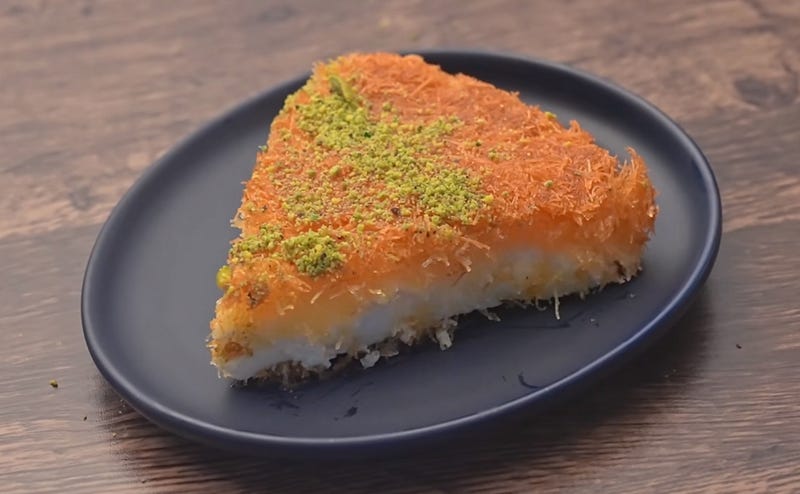
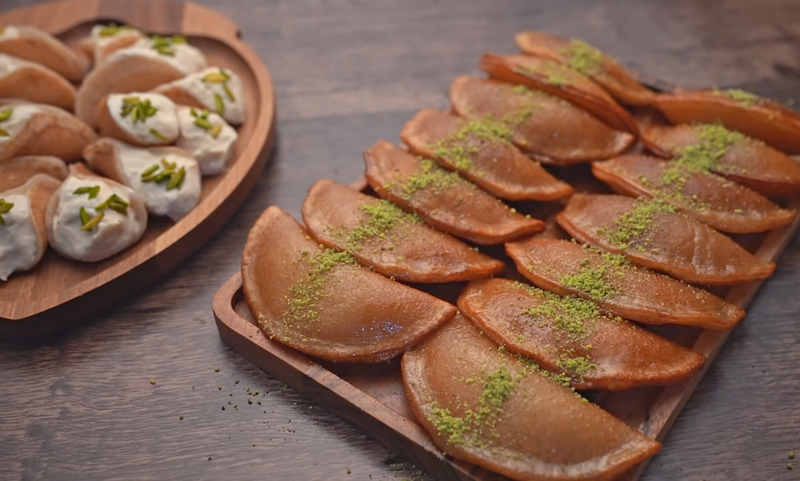
Egyptians have a sweet tooth, and Ramadan is when it truly shines! Desserts like konafa (shredded pastry with cream or nuts) are a must-have. Imagine layers of crispy, buttery pastry, soaked in fragrant syrup and topped with either creamy custard or crushed pistachios. Another favorite is atayef, sweet pancakes filled with nuts or cream, drizzled with honey or rosewater. We wash it all down with cups of strong, hot tea or fragrant Arabic coffee, enjoying long conversations and shared laughter after a satisfying meal.
Beyond the Fasting: Nightly Prayers and Community Spirit
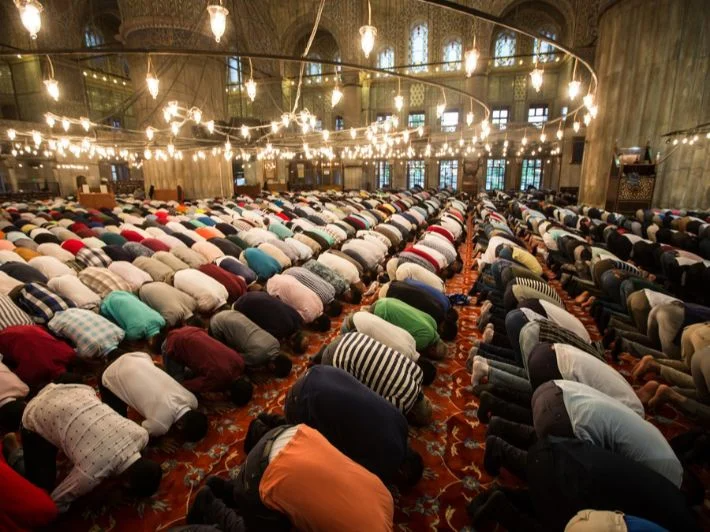
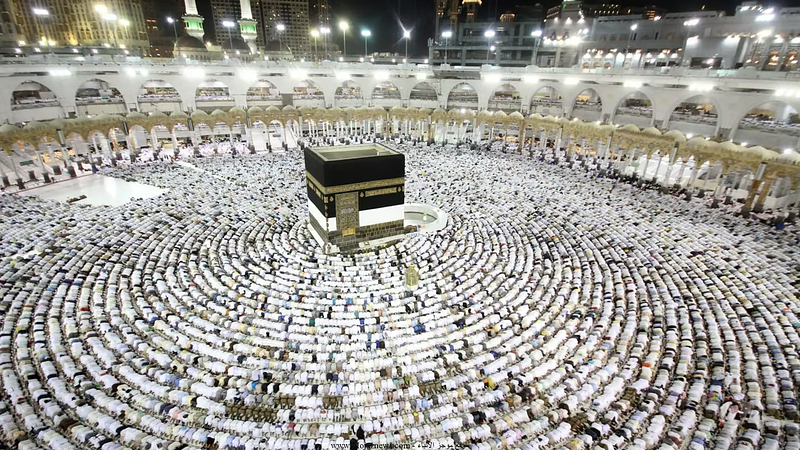
Yes, Ramadan means fasting, but it’s so much more. It’s a time when mosques fill with worshippers for nightly prayers called Taraweeh. These special prayers are a beautiful and spiritual experience. The mosque, usually brightly lit and decorated, is filled with the sound of rhythmic chanting as worshippers recite verses from the Quran.
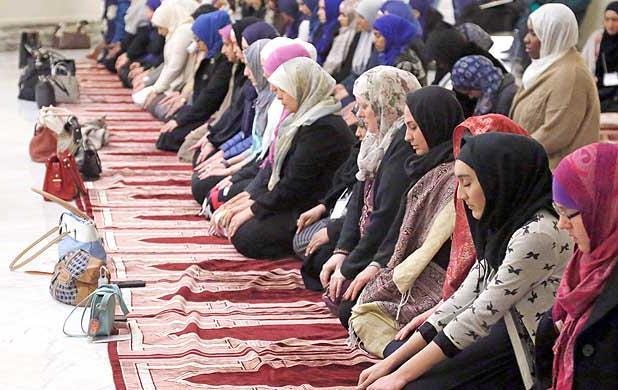
Ramadan is also a time for increased charity. Helping those less fortunate is a core Islamic value, and during Ramadan, the spirit of giving is amplified. People donate food and money to those in need, and there’s a strong sense of community support.
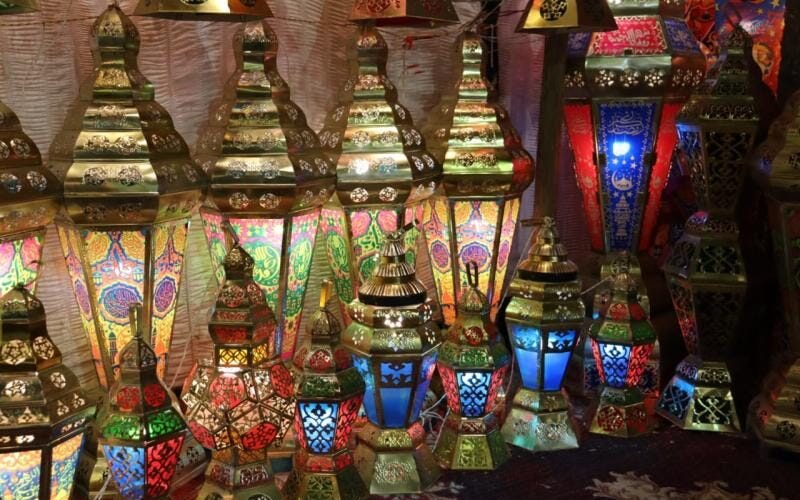
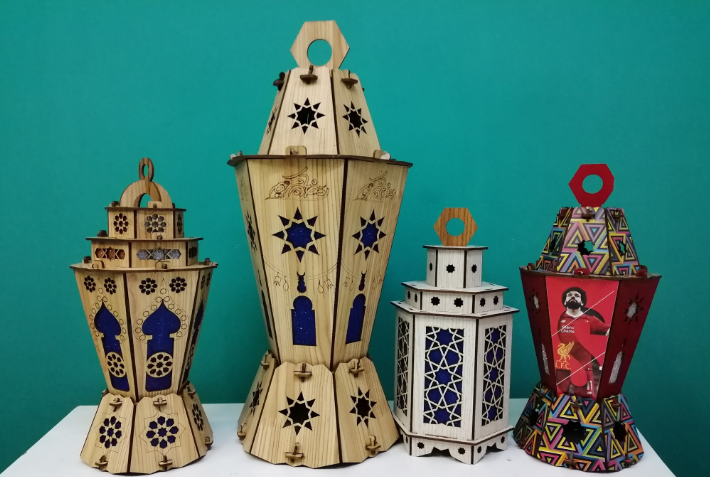
Streets twinkle with lanterns called fanous, casting a warm glow on the night. Homes are adorned with colorful decorations, and a joyful spirit infuses the air.
A Month of Purpose and Celebration
Food is a highlight, but Ramadan’s essence lies in spiritual renewal, compassion, and togetherness. It’s a time to reconnect with faith, family, and community. If you ever have the opportunity to experience Ramadan in Egypt, or anywhere in the Muslim world, I encourage you to do so. You’ll witness firsthand the warmth, the generosity, and the profound beauty of this special month.


