
Raising World Changers: An Introduction to Our Unschooling Journey
Welcome to “Raising World Changers,” a blog dedicated to the exploration and celebration of unschooling: a unique educational approach that fosters creativity, critical thinking, and a lifelong love for learning.
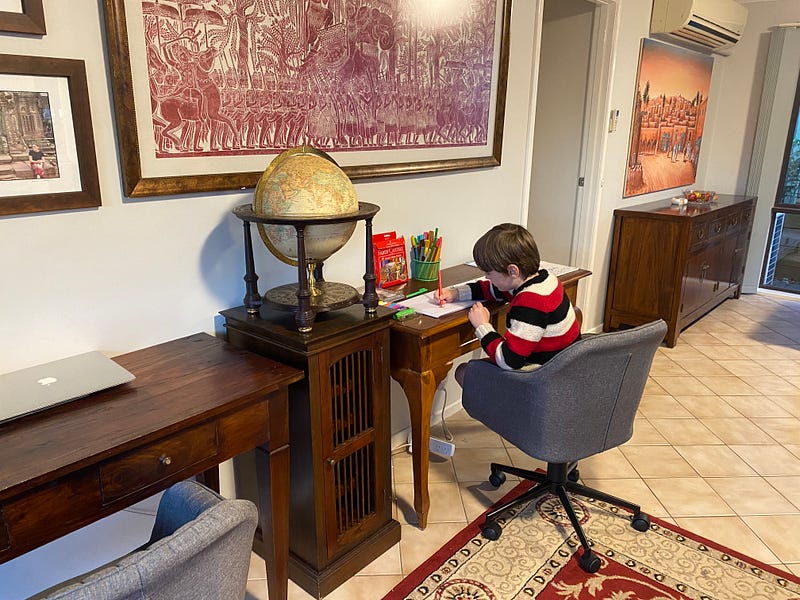
Unschooling nurtures children’s natural curiosity and empowers them to chart their own educational paths, providing them with the essential tools and mindset to become the innovative thinkers and problem solvers our world needs.
At the heart of this blog is the belief that every child has the potential to be a world changer, capable of making a meaningful impact on the world around them, whether that be simply within their own communities or beyond.
Through unschooling, children are given the freedom to explore their interests, develop their skills, and cultivate their own unique perspectives, without being confined by the limitations of traditional educational systems.
Here, we’re intending to delve into the principles and practices of unschooling, sharing stories of how our children are enjoying (or otherwise) our educational approach, as well as providing practical tips and resources for families who are interested in embracing this alternative learning path.
We have four kids — one already grown (now 20), one almost grown (at 16), and two young ones aged 7 and 3.
We’ve explored what’s possible with our older ones and are now on a mission to give that much more again for our younger ones, knowing what we know now from what’s come before.
We’ll also be discussing the importance of balancing early academic opportunities with play-based learning and real-world experiences, highlighting the benefits of a holistic and child-led approach to education.
We hope you’ll join us as we embark on an adventure to discover the transformative power of unschooling and its role in raising the next generation of world changers.
Together, we can redefine the meaning of education, challenge conventional wisdom, live in the present, but also help our children build what they’re going to need for their journeys tomorrow.
The Problems with Traditional Education
Traditional education systems, with their rigid structures and emphasis on early academic training, often fall short in preparing children for the complex and rapidly changing world we live in.
These systems tend to prioritise standardised tests and rote memorisation over the development of essential life skills and the cultivation of a genuine love for learning.
One of the key limitations of traditional education is the focus on early academic training, which can inadvertently stifle children’s natural curiosity and creativity.
As young learners are pushed to meet specific benchmarks and conform to strict curriculums, they may experience burnout, stress, and a reduced motivation for learning.
This approach can also lead to an overemphasis on competition and extrinsic rewards, which can further undermine a child’s intrinsic motivation and hinder their intellectual growth.
Traditional education also often neglects the importance of fostering creativity, problem-solving, and social skills, which are vital components of what our children are going to need in the world that is coming.
In an era marked by rapid technological advancements and global challenges, it is more crucial than ever for individuals to be adaptable, innovative, and collaborative.
By prioritising academic achievement over these essential skills, traditional education systems may inadvertently limit the potential of our future leaders and change-makers.
To truly prepare our children for the world of tomorrow, it is vital that we reevaluate our current educational practices and create an environment that nurtures their inherent curiosity, resilience, and creativity.
This is where unschooling and its holistic approach to learning can make a significant difference, fostering the development of well-rounded individuals who are equipped to tackle the challenges of the 21st century.
The Unschooling Philosophy
Unschooling is an educational philosophy that stands in stark contrast to traditional education systems.
Rooted in the belief that children are natural learners, unschooling encourages a child-led approach to learning that fosters curiosity, intrinsic motivation, and a genuine love for knowledge.
Rather than adhering to a predetermined curriculum or standardised tests, unschooling allows children the freedom to explore their interests, learn at their own pace, and develop essential skills through real-life experiences.
One of the key principles of unschooling is child-led learning, which places the child at the centre of their educational journey.
By nurturing their curiosity and allowing them to make choices about what and how they learn, unschooling empowers children to take ownership of their education and cultivates a lifelong passion for learning.
This approach not only encourages intellectual growth but also fosters emotional and social development, as children learn to navigate the world around them and interact with others in meaningful ways.
Another essential aspect of unschooling is the emphasis on play and real-world experiences.
Recognising that learning extends far beyond the walls of a classroom, unschooling encourages children to engage with their environment, ask questions, and solve problems through hands-on experiences.
This approach not only helps children develop a deep understanding of the world around them, but it also hones their creativity, critical thinking, and problem-solving skills.
Benefits of Unschooling for Intellectual and Emotional Development
Unschooling offers numerous advantages when it comes to fostering intellectual and emotional development in children.
By emphasising child-led learning, play, and real-world experiences, unschooling provides a holistic approach to education that nurtures essential skills and encourages personal growth.
Intellectual Development
Unschooling promotes critical thinking, creativity, and adaptability, which are vital skills for world changers.
As children engage with their interests and explore the world around them, they develop the ability to think critically, ask meaningful questions, and solve complex problems.
This intellectual growth is further enhanced by the creative freedom that unschooling provides, as children are encouraged to imagine, innovate, and develop their own unique solutions to challenges.
Additionally, the adaptable nature of unschooling enables children to learn how to navigate change and uncertainty, equipping them with the resilience and flexibility needed in today’s ever-evolving world.
Emotional Development
The unschooling philosophy places a strong emphasis on nurturing the emotional well-being of children.
By allowing children to learn at their own pace and engage with subjects that genuinely interest them, unschooling fosters a sense of self-motivation, passion, and intrinsic joy in learning.
This, in turn, promotes a positive relationship with education, helping children develop a healthy mindset towards learning and personal growth.
Mental Health and Self-esteem
Unschooling can have a significant impact on children’s mental health and self-esteem.
By removing the pressure and stress associated with traditional education systems, unschooling creates a supportive and nurturing learning environment that enables children to flourish.
As children experience success and growth through their self-directed learning, they develop a strong sense of self-efficacy and confidence in their abilities.
This increased self-esteem can translate to improved mental health and overall well-being.
Real-life Example of Unschooling
One inspiring example of the power of homeschooling is my own daughter, who at just 20 years old, has already made remarkable strides in her academic and professional journey.
Having made it to university at the young age of 16 (very much her choice, despite the non academic push in our home), she initially pursued a law degree before quickly realising it wasn’t the right path for her.
We joke that we’re the only parents we know who celebrated our daughter opting away from such a career — but we love that she had the wisdom and strength to know what was and wasn’t for her, and has since determined she wants a career that will actively help others.
Undeterred, she switched gears and completed a degree in sociology, and is now working for a government ministry with aspirations to move into policy-making or work with NGOs in the future.
Her journey is a testament to the incredible potential that homeschooling can unleash in young individuals, allowing them to discover their passions and make their mark on the world on their own terms.
There are several common traits and skills that people like my daughter possess, many of which I believe can be attributed to their homeschooling or unschooling background:
- Adaptability: The ability to recognise when a path is not the right fit and make changes accordingly is a valuable skill that unschooling nurtures. This adaptability allows individuals to pivot and explore new opportunities, ensuring their success in an ever-changing world.
- Critical Thinking: Unschooling encourages children to question, analyse, and evaluate information, fostering strong critical thinking skills. This ability to think independently and critically is essential for world changers who need to make informed decisions and find innovative solutions to complex problems.
- Passion and Motivation: Unschooling cultivates a strong sense of intrinsic motivation and passion for learning, as children are given the freedom to explore their interests and develop their unique talents. This internal drive fuels their success and enables them to make meaningful contributions to their chosen fields.
- Resilience: Unschooling helps children develop the resilience needed to overcome obstacles and challenges. By facing setbacks and learning from them, world changers develop the perseverance and determination required to achieve their goals.
Our family’s homeschooling / unschooling journey continues with our three other children.
Through this blog, we’ll focus on their experiences and growth, as well as share insights and tips for other families interested in unschooling.
We believe that unschooling has the potential to cultivate the next generation of innovative thinkers and problem solvers who will shape the world for the better.
Together, we believe we can empower our children to become the world changers they were born to be — whether that simply be as contributing members of their communities or beyond!
We hope you can join us for this story :-)