

Raising Raisin Cookies
Adding homegrown raisins to your menu
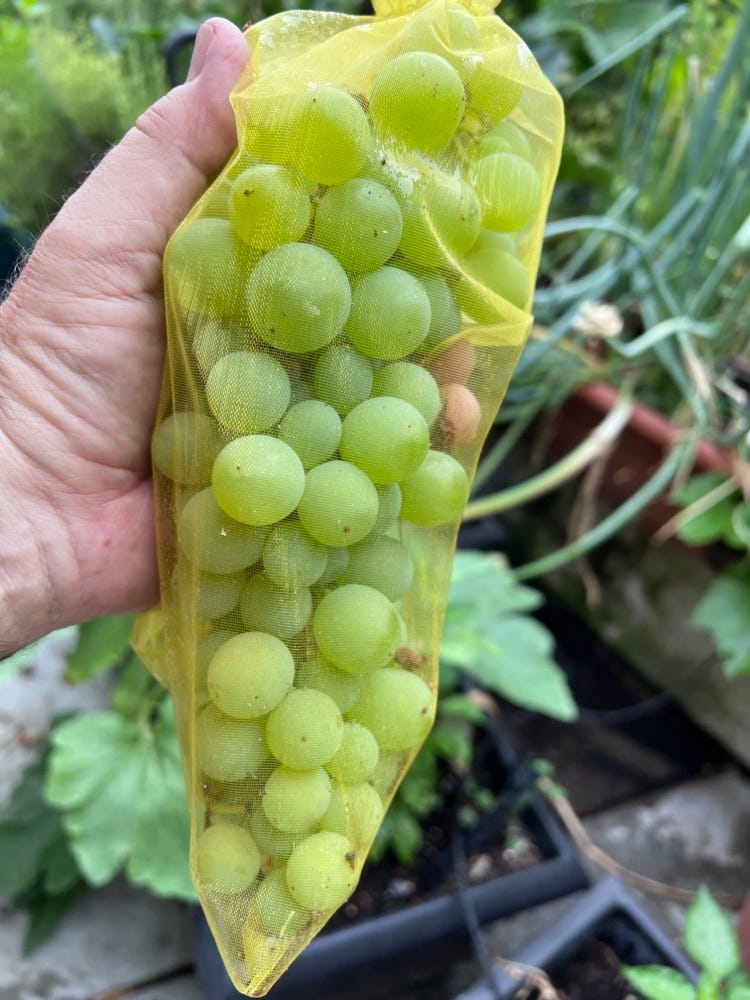
I am growing grapes in some of the worst soil imaginable. The main ingredient of the soil is decomposed granite. But somehow, the grapevine thrives. My garden went through one of the wettest and dreariest springs in memory. But the grapevine persisted. I use the singular in the last sentence on purpose. There is only one vine that is producing grapes.
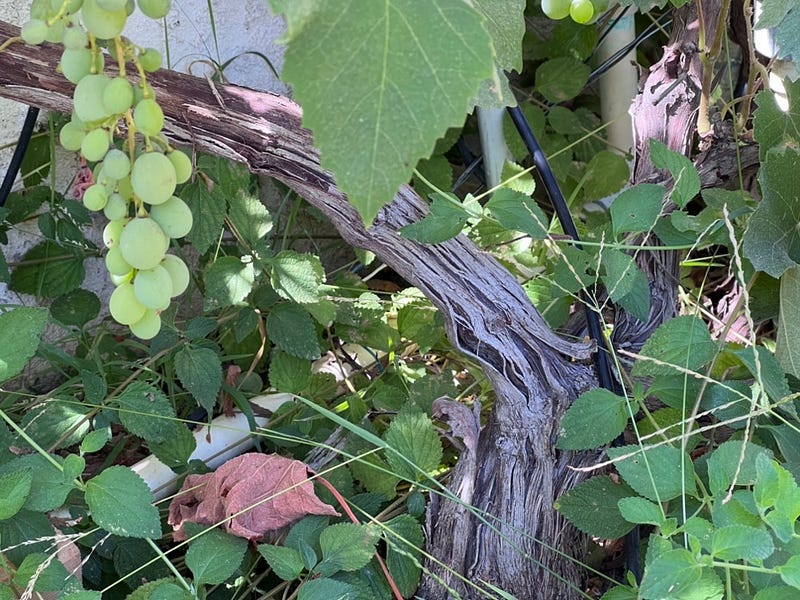
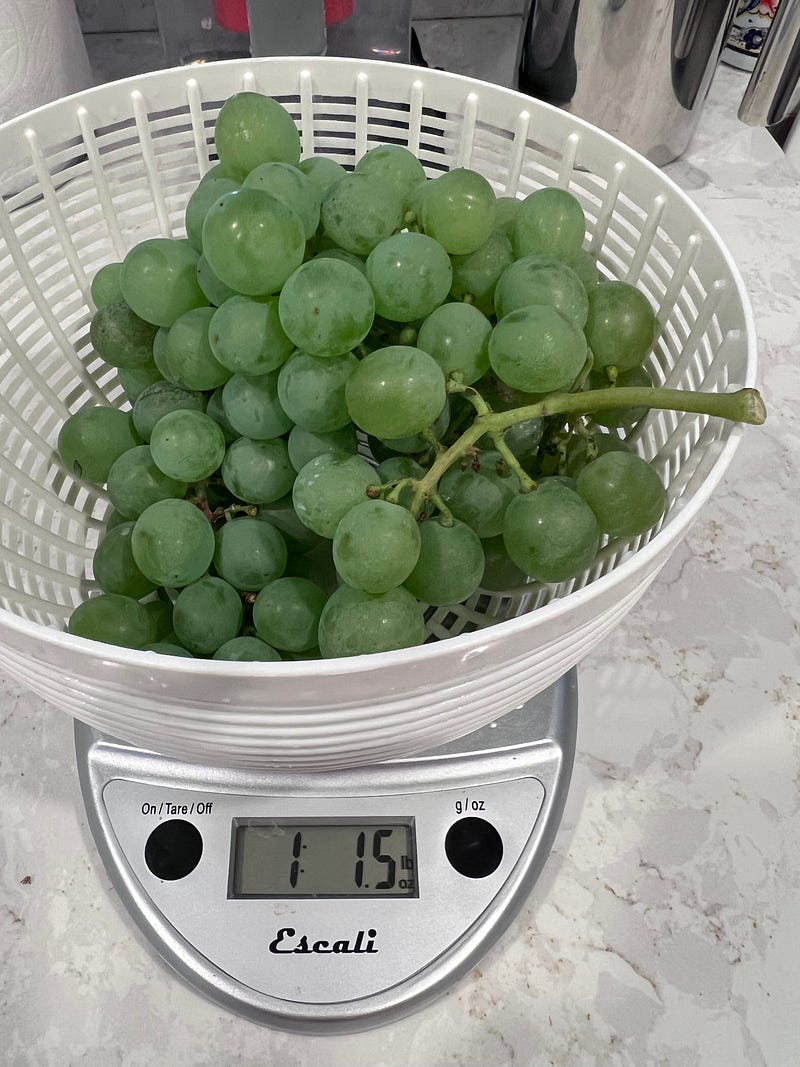
It is a Thompson Seedless planted five years ago. I expect it will produce at least twenty to thirty pounds of grapes this summer.
I have used the sturdy vines to weave a fence across the back of my patio. The association does not allow an actual fence, but this is ‘just’ a plant.
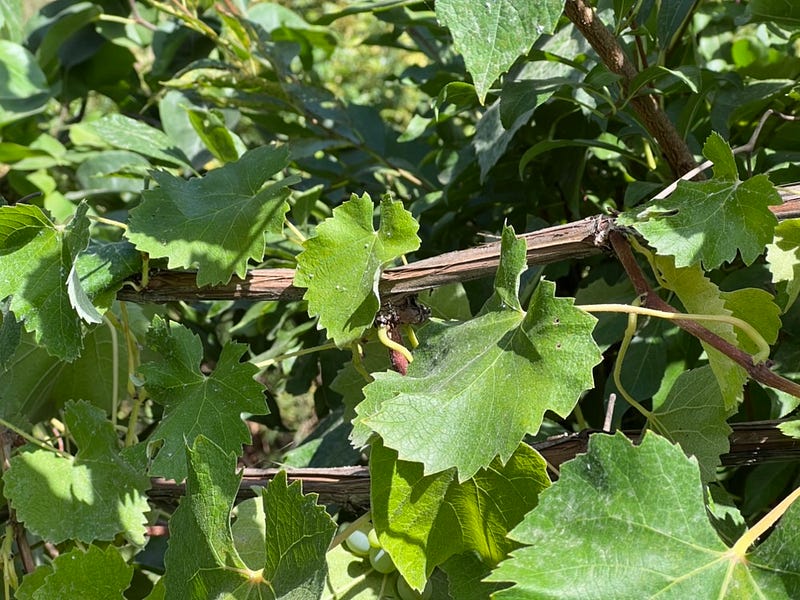
Even thirty feet away from the base of the trunk, bunches of grapes grow on the vines.
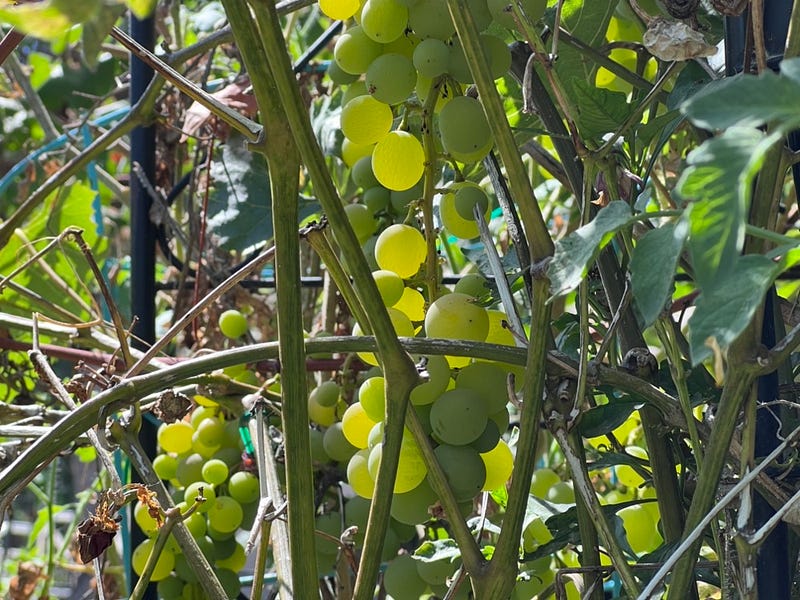
Grapes have been around for millions of years. They are a hardy plant that is easy to grow and propagate. Last year, 5 cuttings of this Thompson Seedless were planted into the soil without any other care, besides water. They all grew. I expect the new vines will bear fruit in the next few years.
Grapes were growing before our ancestors stood up to pick them. It was a natural plant to domesticate. In Greek Mythology, Dionysus, a.k.a. Bacchus was the god of wine-making and insanity. The first thing Noah planted after the flood was a vineyard. Cato the Elder describes the requirements for creating a vineyard in his De agri cultural. Leif Erickson, was so impressed by the discovery of grapes on the new land he discovered he called it Vinland.
Grapes are good when fresh and they are easy to preserve as juice, wine, vinegar, oil, or raisins.
I can only imagine how wine was discovered 8000 years ago, but it must have been an adventurous individual. Dried grapes, that is raisins, are toxic to some animals such as dogs and cats. So early experimentation with grapes must have been done with some trepidation. However, the results were a game changer.
Wine is easy to make. In Saudi Arabia, alcohol is forbidden. However, in my four years living in Riyadh, almost every social event or dinner party included bottles of homebrewed wine. Nearly every teaching family at the international school in Riyadh made wine at home. Not my family. The draconian laws of the land had us scared straight. But in a wink to the practice, the local Safeway had an entire row devoted to making wine. It was not advertised as such, however, one side of an aisle was grape juice in glass bottles with removable stoppers and the other side was sugar. However, sometimes our local winemaking was a demonstration of how to create vinegar.
Raisins are also easy to make.
How To Make Raisins
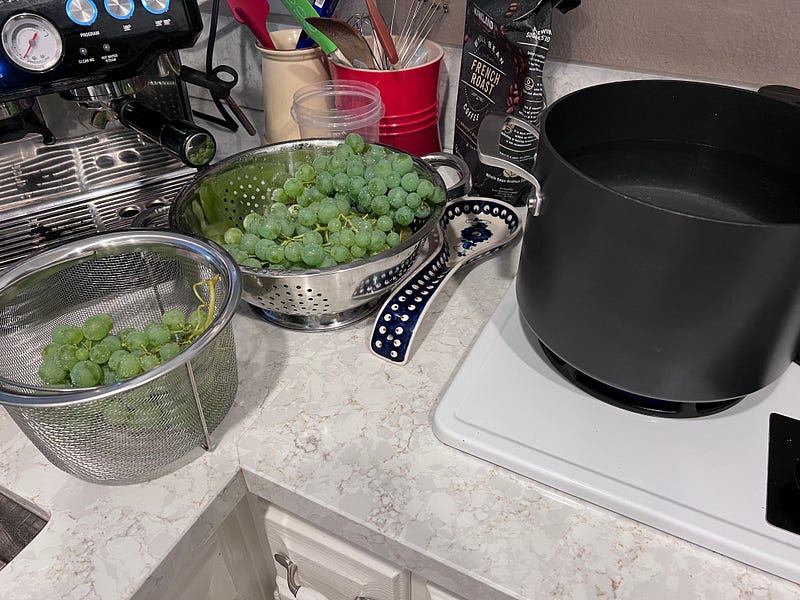
Put the grapes into boiling water for 30 seconds.
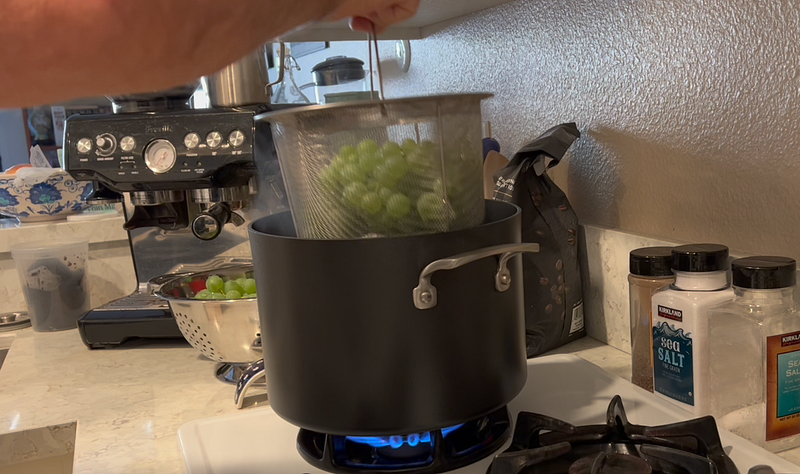
Then cool the grapes in an ice bath for two minutes.
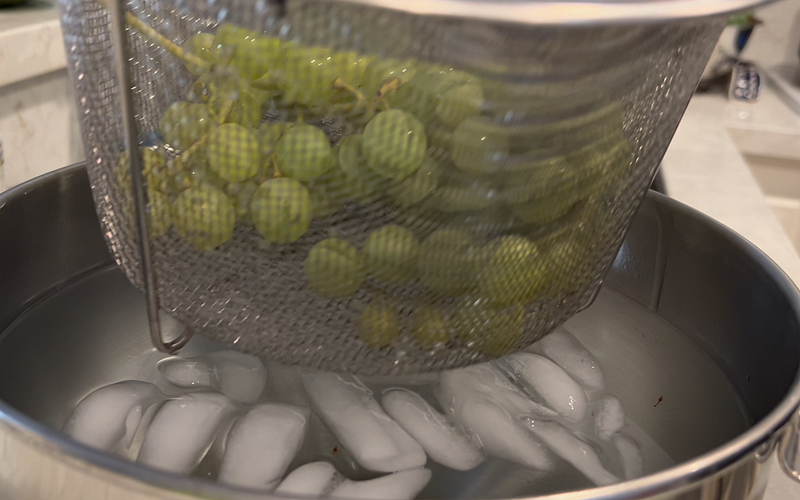
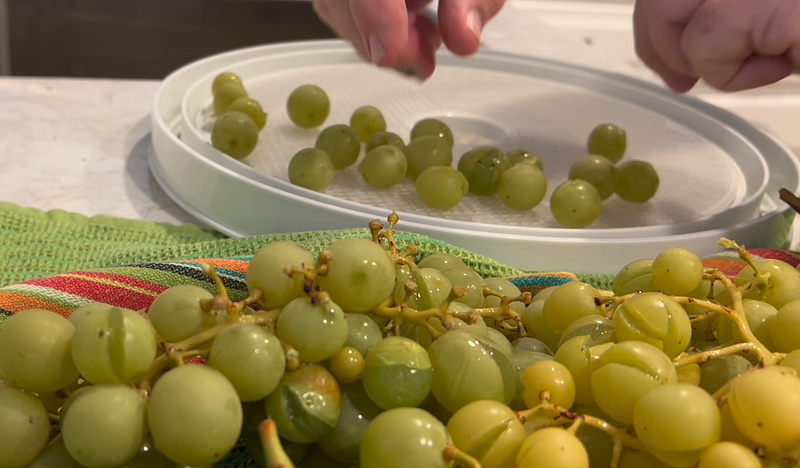
De-stem the grapes and place them on a drying rack of a dehydrator. Removing the grapes from the stems is very easy after the par-boiling.
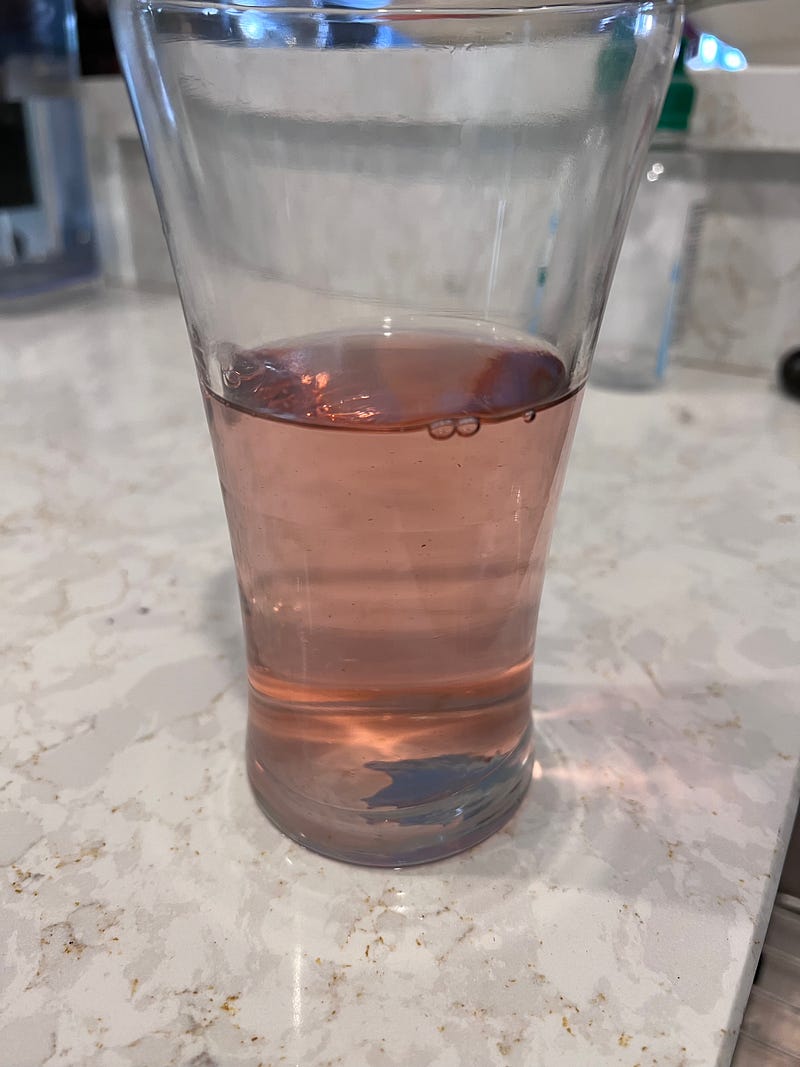
The water from the boiling pot will become rose-colored. The hot water removes some of the tannins from the grapes making the end product sweeter.
Tannins are a large group of macro-molecules. Plants use many tannins as a natural pesticide. They can be poisonous to your pets. (see below). They also give the astringent taste to un-ripened fruit and red wine. In the case of grapes, the stems are also loaded with tannins.
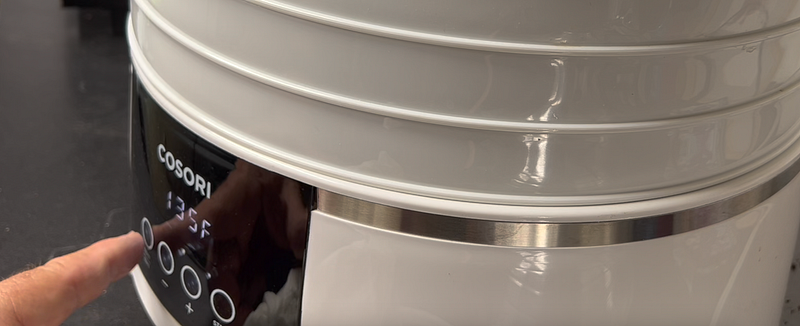
Place the trays of grapes on the dehydrator. Set it to 135℉ for 48 hours.
After 48 hours, you have finished raisins.
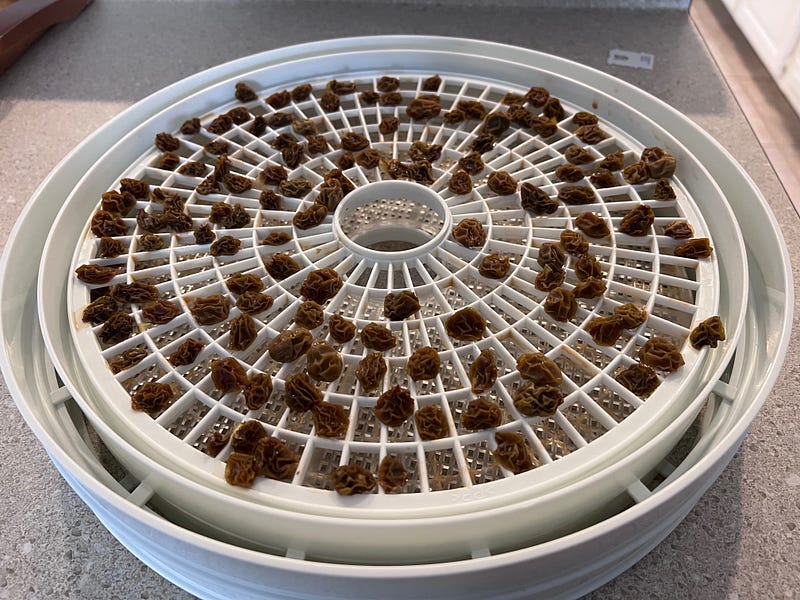
These raisins are preservative-free. So keep them refrigerated in a closed container.
I have boiled down (or dehydrated) the above tutorial into a 1-minute video on YouTube. Please share it with anyone you think might be interested.
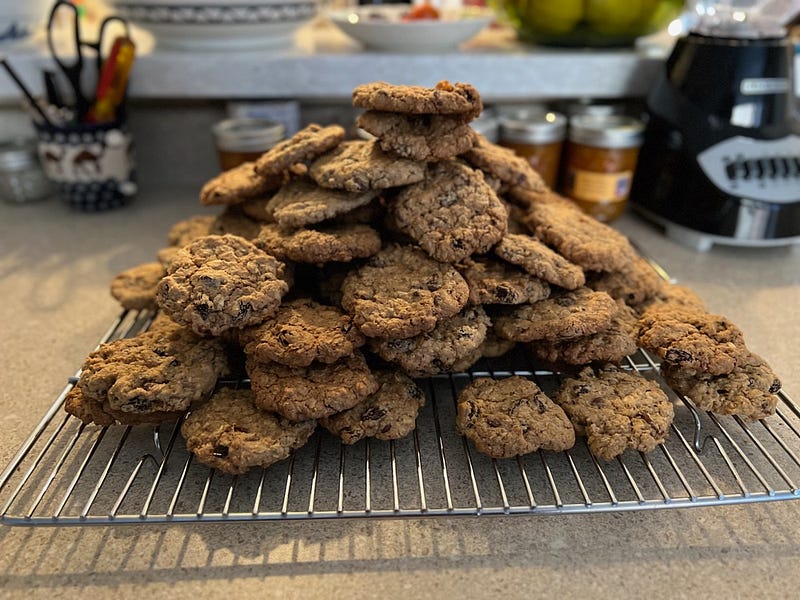
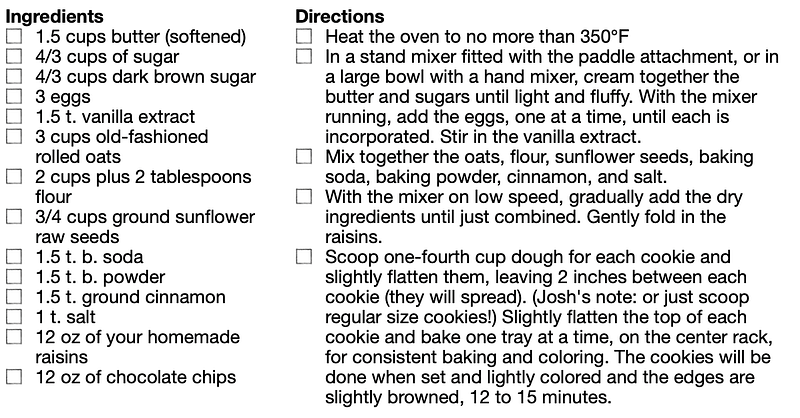
I use the raisins in my morning oatmeal. Also the fresh raisins are extra-delicious in this cookie recipe.
Josh’s Oatmeal Raisin Cookies with Chocolate Chips
Caution
Grapes and raisins are toxic to cats and dogs. That includes the delicious cookies above.
Cats have the same issue: https://wagwalking.com/cat/condition/raisin-poisoning-in-cats