
Raising Eco-Conscious Kids in a Consumerist Society
Our home is a microcosm of the larger battle against consumerism, where my partner and I strive to create an environment where our twin daughters can learn the importance of living with a light ecological footprint. This involves more than just telling them about the importance of recycling or turning off lights when they leave a room, and rather is about embodying the values of respect and care for our planet in all aspects of our life.
In our household, discussions about the impact of our choices on the environment are, for example, routine. Whether we’re considering a new purchase or planning our meals for the week, we involve our daughters in these decisions, emphasizing the why behind each choice. So, we talk about not just buying less but buying wisely — choosing products that are ethically made, sustainably sourced, and designed to last.
Avoiding the seductive pull of consumer culture involves critically engaging with the world around us. For example, when advertisements flash enticing images of the latest toys or gadgets, we take these moments as opportunities to discuss the concept of need versus want, exploring the idea that happiness and fulfillment don’t come from possessions.
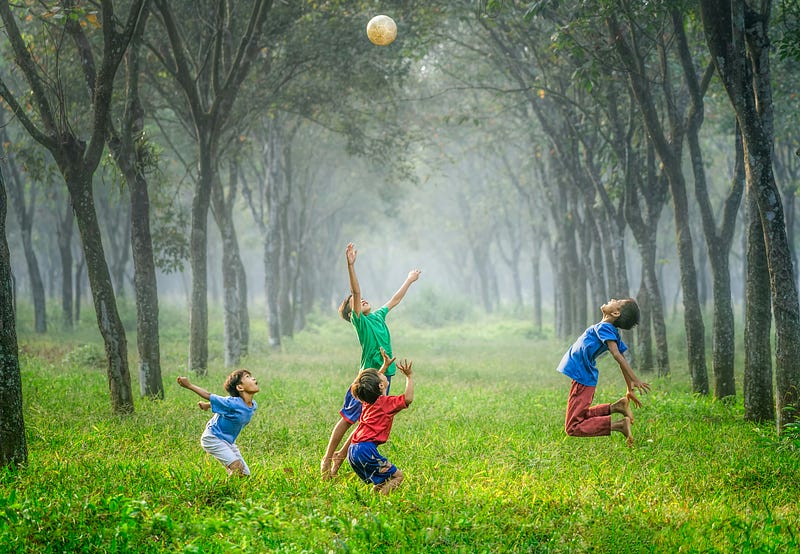
We also celebrate the beauty of nature and the outdoors, and encourage a deep appreciation for the environment. Our family adventures are often simple — hiking local trails, planting in our garden, or participating in community clean-up days. These experiences are designed to show our daughters that joy can be found in the natural world, and that protecting it is both rewarding and fun.
Another cornerstone of our approach is demonstrating the power of collective action and the importance of being part of a community that shares our values. We attend local events focused on sustainability, for example, where our daughters can see and meet others who are also committed to making positive changes. This sense of community reinforces the idea that while individual actions are significant, there is also strength in numbers, and together, we can perhaps better enact significant change.
This is of course a path that requires patience, consistency, and creativity. Yet, it is also incredibly fulfilling. As we watch our daughters grow into thoughtful, questioning young people who care deeply about the planet, we’re reminded of the importance of our role as parents — not just teaching them to be environmentally aware, but empowering them to be part of the solution.
Our efforts are also part of the larger puzzle of how we combat the environmental crises facing our world — a task that can seem daunting at times, but in the eyes of our children, we find hope. They are a reminder that change is possible, and that through our daily actions and choices, we can inspire a new generation to embrace a more sustainable, conscious way of living.
Across the globe, we know of many other families and communities taking up this mantle to, driven by the shared belief that a greener, more sustainable future is not just necessary but imperative for the well-being of our planet and future generations.
Raising eco-conscious children in today’s world is indeed an act of defiance against the norm and a declaration of hope for the future. And it’s a commitment to instilling in our children the values of empathy, responsibility, and stewardship for the Earth that sustains us all.


