
‘Radical Candor’ is about respect, courage and openness
“Living the Scrum Values” — Episode 4
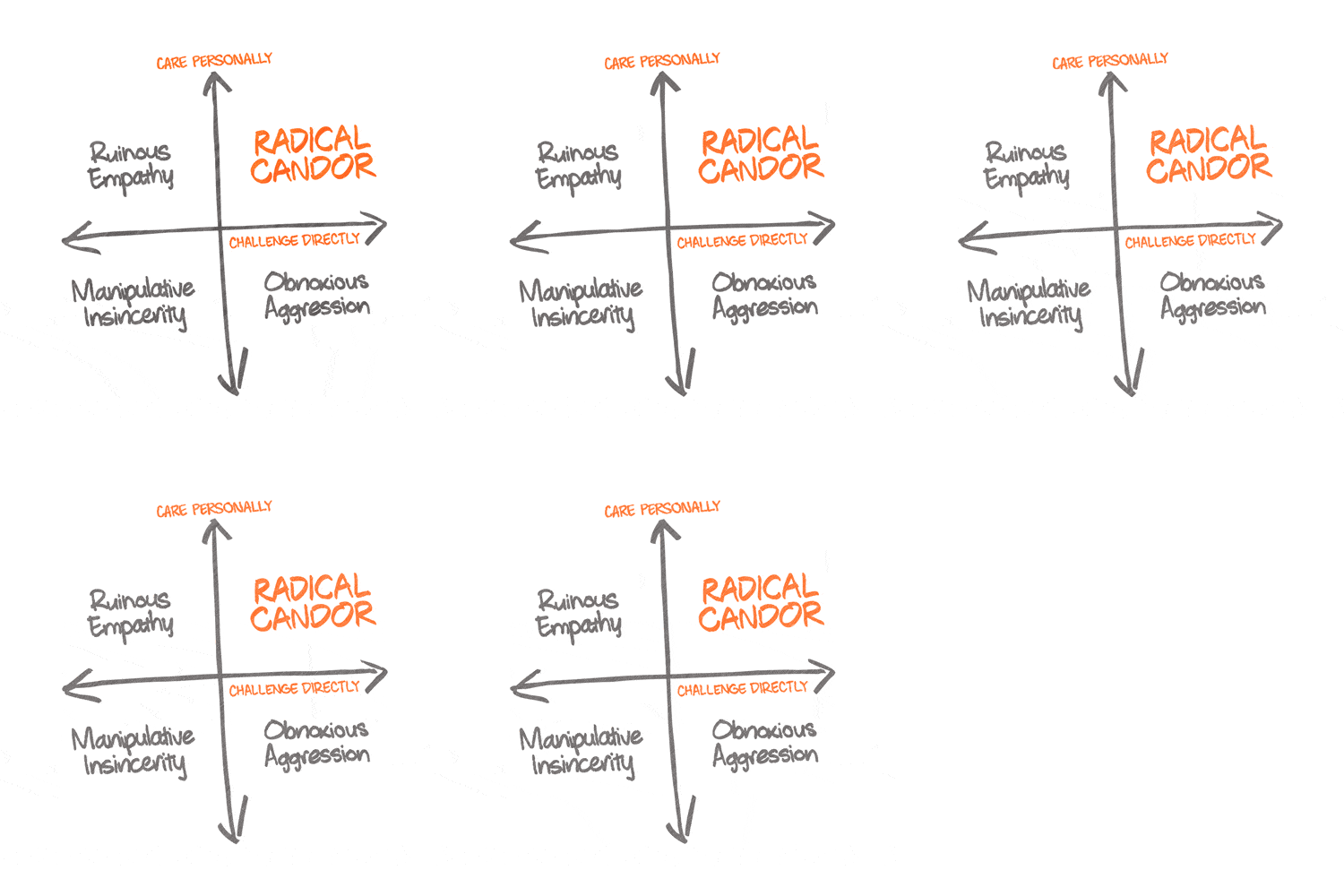
I learned a lot from ‘Radical Candor’ by Kim Scott. My main take-away, elaborated in this post, is that Radical Candor fits nicely closely with 3 of the Scrum Values.
For one, it takes courage to challenge colleagues directly, and obviously that requires openness, on both sides of the feedback conversation. Ultimately, that this approach is a positive way for me to show respect to my colleagues, and for them to show it to me. I believe it is an approach to build a high-performing culture.
To engage in Radical Candor, there are only two main principles:
1. Care Personally — Personize.
Early in this series, I covered Peter Schein and Edgar Schein’s excellent book ‘Humble Leadership’, where they described a process of personization as being critical to creating the right kind of culture in an organisation.
In Humble Leadership, Schein & Schein articulate the need to change the nature of working relationships in order to increase effectiveness. Gone are the days of coercion, where orders can be barked. Restricted success can be expected from transactional, role-based relationships. The Scheins’ research indicates that higher-performing teams and organisations are structured around personal, co-operative and trusting relationships. They refer to these as Level 2 relationships. Effectively, we need to personize the people around us in our working environments, and bring our whole selves to work, if we want to create a higher performance environment.

The first axis of Kim Scott’s theory in ‘Radical Candor’ is similarly themed. It involves caring personally about our working relationships. We need to treat our colleagues like they were real people.
While the Scheins’ book was about leaders, and Scott’s book is directed at managers or ‘bosses’ as she calls them, I believe these principles can apply to anyone. For example, sometimes we demonize individuals at work. Taken further, teams can develop that kind of mindset with other teams, and engage in ‘us and them’ tribal disagreements. Scott and the Scheins are both arguing against these kinds of behaviours.
Personize your colleagues, regardless of whether they are your direct reports, colleagues, bosses or another team in your organisation. Care about them enough to make them feel like people. It will make you more of a person in their eyes in return. It’s not about hugs and high fives every morning, more about being yourself.
“Be yourself. Everyone else is already taken”— Oscar Wilde
2. Respect, openness and courage — challenge directly!
The strongest connection with the Scrum values can be made if we think about what happens without this kind of feedback. In Radical Candor, Kim Scott tells a story along these lines about a colleague to whom she did not give negative feedback that he sorely needed to hear. Eventually, at the point where she told him, it was too late, and his words echoed in her ears:
“why didn’t you tell me before now?”
Scrum Masters are not bosses, but are in a position of responsibility in a team. If Scrum Masters allow bad performance or sub-par behaviors to continue unchecked, we will never be able to assist in creating a higher-performing environment in Scrum teams.
When high-performing employees see this kind of culture, they will use the law of two feet, and move to an environment where there are consequences to good or bad performance.
However, a critical point here is that we can’t assume that people are aware of their poor behaviors. Remember the point about transparency being the first step towards real change? If bad behaviors are obvious to a Scrum Master, then we have a responsibility to give feedback about them. Otherwise, how can we assume that there is a shared understanding of that poor performance or bad behaviour?
We demonstrate respect, courage and openness to our colleagues by soliciting feedback, and we live those same Scrum Values by challenging our colleagues on their bad behaviour... Just as long as we aren’t a dick about it.
Scrum Masters — Avoid Ruinous Empathy!
In the axis to the left of Radical Candor, where we are caring personally, but not challenging our colleagues, we find the quadrant named ‘Ruinous Empathy.’
As a Scrum Master, I feel I’ve resided in this quadrant a little too often, to the detriment of my colleagues, and this is something I need to work on. I bring my whole self to work, and I care deeply about the teams with which I work. I want everyone to be successful, and sometimes, that means I bite my tongue or hold back when I should be giving constructive criticism.
There’s a difference between choosing your battles, and just ignoring a task that is your responsibility.
The thing is, sometimes people are just being jerks, and they need to be told. Scrum Masters are not bosses, but they still deserve to be treated with respect by their colleagues. It pays to remember that too much empathy can be a bad thing. If your colleague is not aware that they are making themselves look foolish, why would they change their behavior? Ruinous empathy, or avoiding a difficult conversation with someone, betrays a lack of openness, a lack of courage, and a lack of respect.
Scrum Masters in particular need to be capable of living these Scrum Values. I strongly recommend you introduce a bit of Radical Candor into your working relationships. You will personize your colleagues, demonstrate humble leadership, and learn valuable feedback about yourself with which you can inspect and adapt your own behaviors.
If that’s not Living the Scrum Values, then I don’t know what is.
