
Racism When I Was A Kid
It didn’t seem so bad
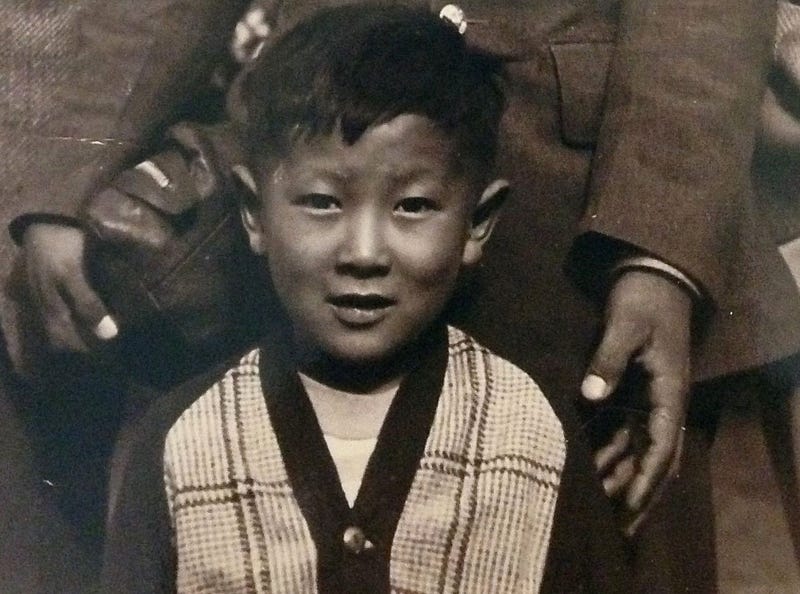
A little kid in Utah
Although racism was present when I was a kid in what was a rural part of Utah decades ago, it didn’t seem so bad. I was a Japanese American in an almost all white community where my family were the only racial minorities. I faced racism, but I didn’t recognize it as such when I was a child. I thought I belonged, and I acted like I did.
It did help that there were some kind people, such as teachers and neighbors, who helped me along the journey.
My friend Larry was a little older than I was. He and I were inseperable. This was when I was a small child before I had to work in the fields everyday, which all my family did when we were old enough. I had six older siblings and one younger brother who all worked hard on the farm.
There was no racism expressed to me from Larry and his family. As a young child, I felt accepted by them. Larry and I spent many days and nights together as best friends, playing together and sleeping at each other’s homes.
When I started school, I met classmates that I had not known. One day a girl in the class passed out invitations to her birthday party. She gave one to everyone in the class except me. I was the only one who was different, and I was the only one not invited. I thought it was exclusion but did not attribute it to racism. It was a very obvious slight. I now recognize it was because of my race and prejudice that I was not invited.
I can remember some incidents when my family would be driving in an area where we did not know people. Some children yelled at us and called us the J word. The first three letters of the word Japanese were used a lot as an extremely derogatory expression during and after World War II. It has become a terrible racial slur just as the N word is for Black people.
Usually people who knew me and my family did not treat us with racism. That is the case even now. People generally are not racist to friends or people with whom they are acquainted. The people who treat others with racism usually do it to people they do not know.
Racism could be eliminated or at least reduced if people would get to know each other and use empathy in their interactions.
Most Asian Americans have had some issues of racism against them from time to time during their lifetimes in the United States. Racism against them has escalated during the pandemic since Donald Trump and others have continually blamed China for the cororavirus. People do not distinguish between immigrants and American citizens of Asian descent. There are many Asian countries, but they also do not distinguish among them. These acts of racism are all too prevalent.
Chinese and Japanese immigrants faced racism regularly in the late 1800s and early 1900s. Their children who were American citizens faced racism also throughout their lives. A most egregious act of racism was the unjust incarceration in camps of innocent persons of Japanese descent during World War II. Two thirds of them were American citizens. They lost their freedom and nearly everything they had by this injustice.
Racism continues to be a problem in the United States with ignorant and intolerant people around. Black people and other minorities who face racism do not deserve such mistreatment.
[Source: The Japanese American Story As Told Through A Collection of Speeches and Articles, www.thejapaneseamericanstory.com]