
Racism and the Bee
Zaila Avant-Garde’s Triumph Recalls the Story of MacNolia Cox
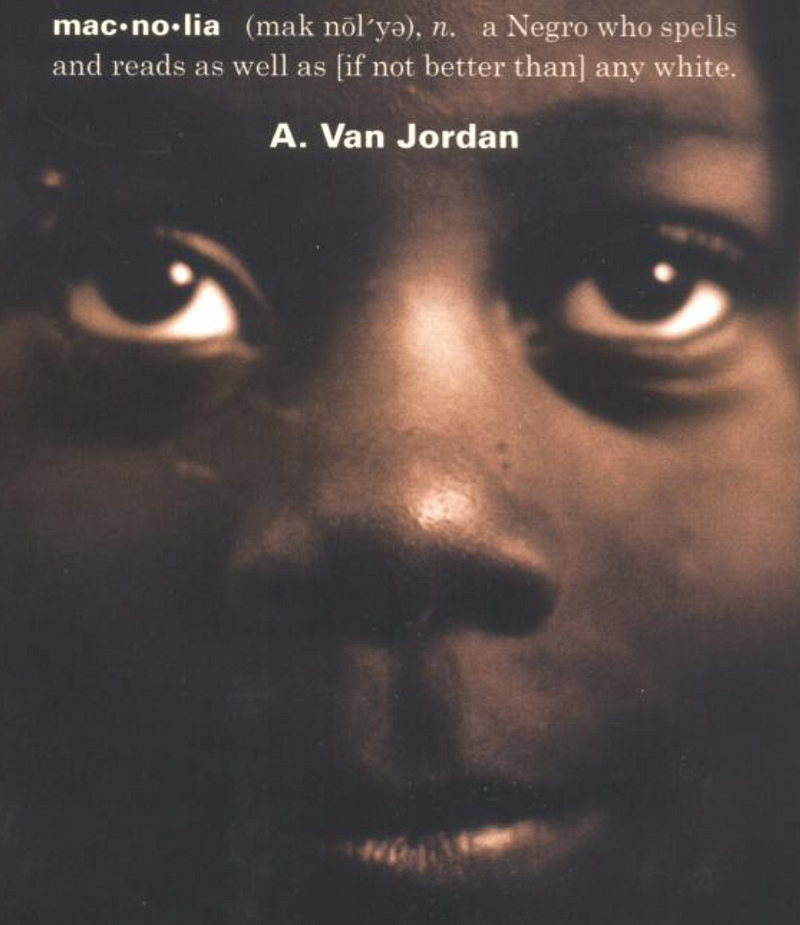
In 1936, MacNolia Cox, a 13-year old African-American girl, made the finals of the National Spelling Bee. She dominated the field throughout the contest.
She was not only the only contestant to not miss a word,** she accomplished this in the face of racism that eventually poisoned the contest.
According to poet and writer, A. Van Jordan, who wrote a book of verse about Cox in 2004 titled, MacNolia, Cox’s experience was a Jim Crow Spelling Bee experience:
She had faced all types of racism up… When she crossed the Mason-Dixon Line on the train, she had to get off and go to the colored car. She gets to D.C. and she can’t stay at the hotel with the other contestants, so she has to stay at a safe house. She stays at the home of a doctor, who inspired her to want to be a doctor. She goes to the competition, she can’t go through the front door. She has to go around back. She gets to the ballroom where the competition is held and they won’t let her sit with the other contestants, so she’s sequestered at a card table all by herself.
Cox, according to Jordan, is eventually eliminated from the contest when she misspells the word, ‘nemesis’ — a word not on the official list of words. It was a dirty tactic devised by southern judges who did not want a Cox to win.
Jordan contends that Cox looked like the likely winner that year and the judges saw it coming. They tossed a wrench in Cox’s aspirations with their move.
She “was a very precocious little girl,” according to Jordan; she “had the IQ of a genius.” To prepare for the competition, Cox “memorized 100,000 words,” according to Jordan.
Jordan, who is also from Akron, Ohio, like Cox, researched her life and the contest extensively for the book, conducting interviews and digging through the history:
She was a straight-A student…She had all the potential in the world…When you’re a teenager and someone does an injustice to you, how do you come back from that? What we find with her is that that event was traumatic. She doesn’t come back from it. It sets her life in a different direction.
MacNolia Cox didn’t recover from the evil episode. She worked during her life as a domestic, suffered in an abusive marriage, and died early at the age of 53. She didn’t attend medical school and didn’t rise to the intellectual heights her childhood suggested. One episode of racist hate, one nasty microaggression, and Cox’s life was changed.
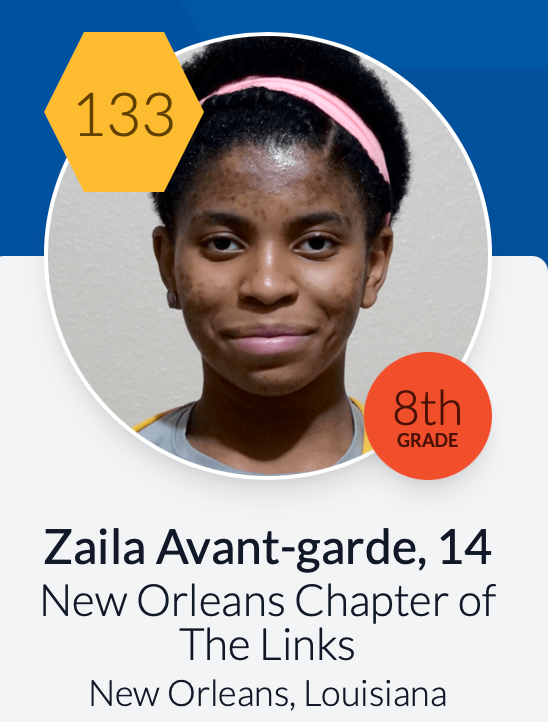
This week, as we have heard, Louisiana’s Zaila Avant-Garde won the National Spelling Bee. Avant-Garde is the first Black American from the U.S. to win the award.
“It makes me feel really proud,” Avant-Garde said. “I’m really hoping lots of little brown girls all over the world are, like, really motivated to try out spelling and stuff because it’s really a fun thing to do. And it’s a great way to kind of connect yourself with education, which is super important.”
MacNolia Cox is mentioned in some of the coverage of Avant-Garde’s win. NBC News describes her as a “Black finalist at the bee” who “wasn’t allowed to stay in the same hotel as the rest of the spellers.”
Voice of America described Cox as “the first Black finalist at the 1936 competition” who “was not permitted to stay in the same hotel as the rest of the spellers because of her skin color.”
There are no stories yet about how Cox was eliminated from the contest, a secret history of a heinous act of racism. There is also no chance to tell the story of how Cox’s experience was sabotaged and that she was racially isolated during the contest in every respect.
A young Black girl, who once dreamed of being a doctor, who was a straight-A student, winds up as a domestic (no disrespect to domestics but I know you get my point).
Barack Obama, the former President, did congratulate Avant-Garde when the win was announced.
“Three Guinness World Records and now the national spelling bee champ!, Obama tweeted. “Congrats, Zaila — your hard work is paying off. We’re all proud of you.”
The former President did not mention MacNolia Cox and her sad ending at the Bee in 1936.
References, Sources, and Notes
**Other finalists according to Jordan’s research missed words but when no other contestant gets the word correct, the contestant can still advance, or if the contestant spells the word wrong but it is alternative spelling they can still advance.
Michael Romain, “The Tragedy of MacNolia Cox,” Oak Park Wednesday Journal, May 20, 2015
A. Van Jordan, MacNolia, W.W. Norton Co., 2004
Charles Rowell, “Interview with A. Van Jordan,” Callaloo, Vol. 27, №4, 908–919
NBC News
Voice of America
National Public Radio


