
Racism and Hazing in the U.S. Military
An injustice which should be stopped
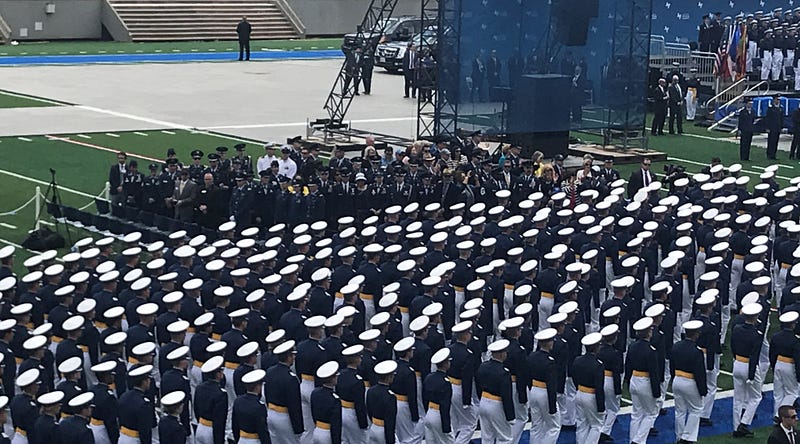
Racism and unjust treatment have long existed in the United States military. Incidents were documented in many war movies throughout the years. Now videos are shown which indicate some of those conditions still exist.
The racism and hatred displayed against Black people and other minorities in the United States have come to the forefront as a huge problem for the country. In the aftermath of the killing of George Floyd by a Minneapolis police officer, the call for racial equality has resonated with millions of people around the world. Countless people have participated in peaceful protests throughout the country with a few of those protests turning into riots.
It has been no secret that Black men have been targets of police unfairly for decades. Although most police officers are undoubtedly good people who are trying to help those in need, there have been many cases where Black people were treated unjustly by some police officers. They have been documented in the news and on the Internet.
Too many innocent Black people have died because they were suspected of wrongdoing simply because they were Black and in the wrong place at the wrong time. There have been cases of people who were tried and convicted even though they were innocent. Years later they may have been found to have been innocent after spending all those years in prison. Life has been difficult for them.
Just as racism should not be a factor in the police forces throughout the country, the United States military should not allow for racism and hatred within the various branches of the military. There have been many cases of racism and discrimination being allowed to hurt innocent people. Sometimes the perpetrator has been an officer, and sometimes it was a fellow enlisted soldier with a lower rank.
During World War II, Japanese Americans were considered to be non-citizens and enemy aliens although they had been born in the United States. Most of them were incarcerated into what have come to be known as American concentration camps. Japanese American young men who were already serving in the military were released from the Army because of racism.
Then after the government decided they could use those young men in the military, a segregated unit was established. Most Japanese American young men served in the 442nd Regimental Combat Team/100th Battalion. Some who had been discharged from the military because they were of Japanese descent joined back up with the 442nd. They adopted the motto of “Go For Broke” which was used by the Hawaiian soldiers in their unit.
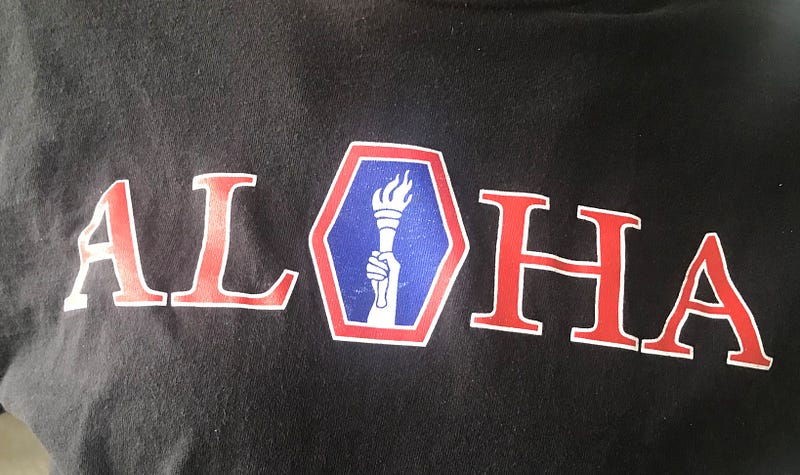
Others served in different American military units, including some who could speak the Japanese language who joined the Military Intelligence Service (MIS). Those young people who were in regular units instead of the Japanese American units faced racism from their fellow military personnel even as they served their country.
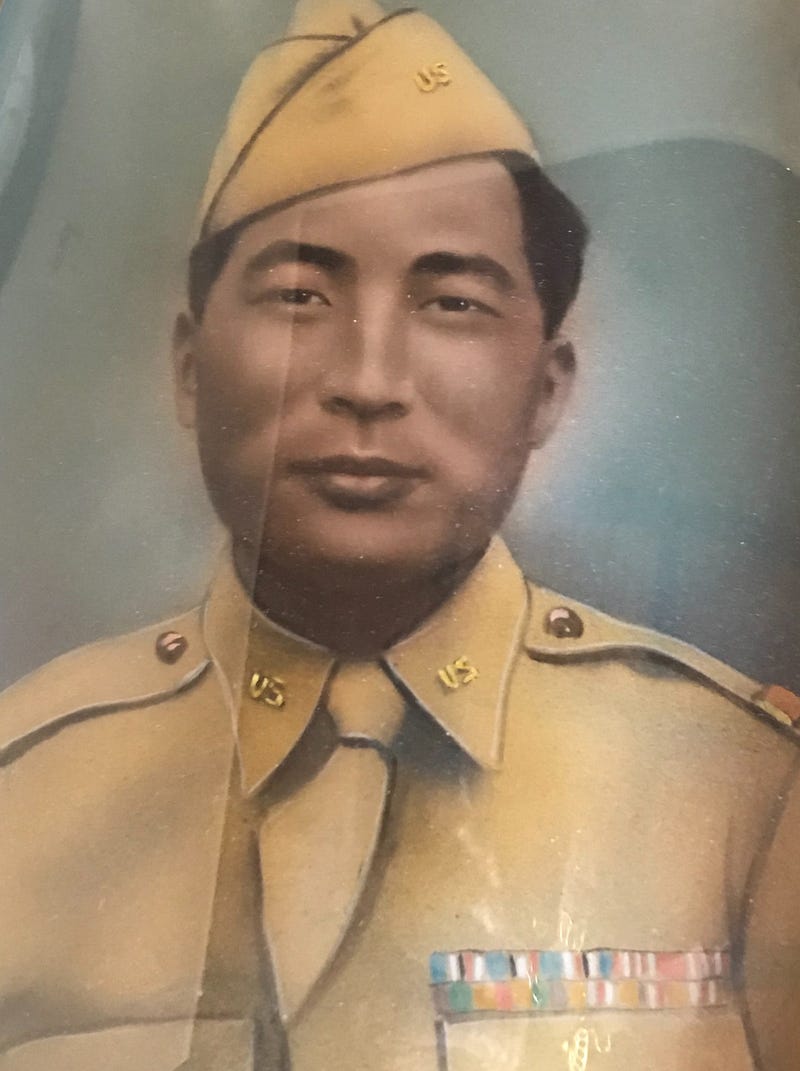
There were other segregated units of the United States military as well, including the Native Americans and Black people. After World War II ended, President Harry S. Truman desegregated the military. Yet racism did not go away just as it has not been eradicated from the general population.
Dr. Martin Luther King, Jr. worked hard to try and eliminate the racism and hatred which exists in this country. He lost his life doing so. There have been numerous others who have also tried to bring attention to racism and to unjust treatment especially to Black people.
Two black athletes, John Carlos and Tommie Smith, tried to do their part to stop racism when they stood on the podium during the 1968 Summer Olympics in Mexico City. Little known is the story of the white Australian athlete, Peter Norman, who stood in solidarity with them even though it cost him dearly throughout his life.
Colin Kaepernick tried to make the public aware of the problems of racism and police brutality against Black men when he took a knee at NFL games. He was severely criticized and lost his job because of it. People have tried for decades to bring an end to racism to no avail.
Statistics report that over twenty people a day in the military commit suicide. It is not an easy life to serve the country and try to maintain the freedom we enjoy. Some of that is related to racism and unjust treatment such as hazing. Two Chinese American young men in the military committed suicide in 2011 after racism and hazing made life miserable for them. One was the nephew of a member of the United States Congress.
Military leaders now seem to be acknowledging the problems of racism and unjust action throughout the nation. Gen. Mark Milley, the Joint Chiefs of Staff Chairman, has said that it was a mistake for him to accompany the group to a photo op when hundreds of peaceful protesters were punished with tear gas for trying to bring attention to the racism and police brutality which resulted in the death of yet another Black man.
The military should not allow such racism, hatred, hazing, and unfair treatment to exist within their ranks. There have been too many incidents of racism within the military. Reports indicate that the military leaders are trying to make changes to ensure safety.
These people who serve are all trying to be patriotic and serve their country to keep us all safe. We should all be grateful to them. They do not deserve to suffer from racism and hate as they serve.
[Information from Wikipedia and the Internet. Thank you for reading this. If you would like to learn more about the Japanese American experience, you can get a free ebook of The Japanese American Story As Told Through A Collection of Speeches and Articles via email request to: [email protected]]]