
STRATEGIES TO QUIT
Quitting Drinking? Ease Into Your Sobriety With Physical Fitness
Start with a bit of exercise — the fitness part will unfold.
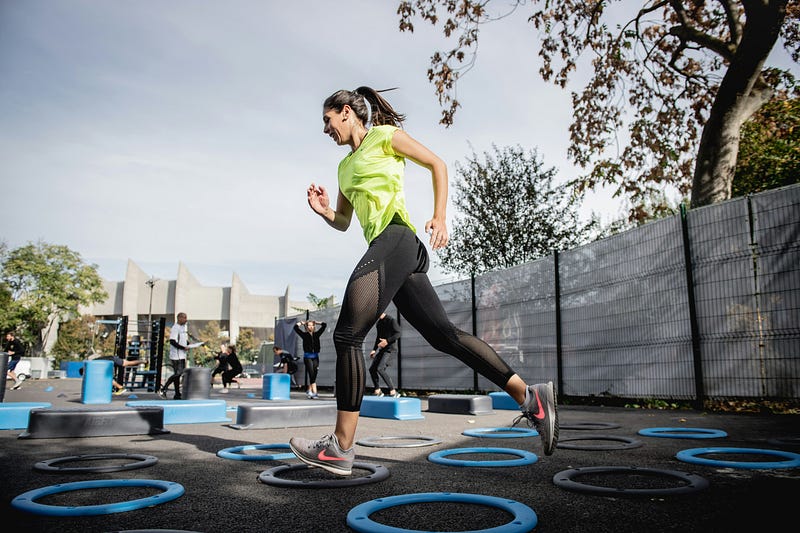
I was a runner throughout my 30s and 40s. I also trained for and entered many 12K races.
Yes, I drank in those days — but primarily on weekends.
Ah, youth.
When I retired, I stepped up my drinking a notch and my exercise down — not just a notch, but quite a bit.
I’d given up running years before, but I was walking or hiking several miles daily and taking gym classes.
As my drinking increased, exercise continued to decrease. How could I keep up the pace with a hangover?
I did my best but often canceled my hikes with my dear friend, Shannon.
After several years of this, I knew something’s gotta give. Either I will continue the downward spiral into decrepitude or change — big time.
Blessedly, I gave up the drink five years ago and feel like a million bucks.
It wasn’t overnight. I increased my exercise, gently easing it up. Luckily, I hadn’t abandoned it entirely during my drinking days.
It’s easy to let our exercise routine go when struggling with alcohol use. We intend to get out and go for a run, but that darn headache. Again.
Getting our exercise routine going once we’re in recovery is critical to promoting both physical and emotional well-being. Exercise can be a supportive factor in healing addiction and preventing relapse.
The National Institutes of Health published a report stating:
Moderate and high-intensity aerobic exercises, designed according to the Guidelines of the American College of Sports Medicine, and mind-body exercises, can be an effective and persistent treatment for those with Substance Use Disorder.
Why We Should Exercise During Recovery
Exercise during recovery offers many benefits related to the recovery process:
- Sleep Better. Addiction disrupts normal circadian rhythms. Once you begin a regular fitness routine, you can help your body return to its standard biological patterns. Your regular sleep patterns that have been disrupted by alcohol consumption will be restored.
- Restore mental equilibrium and calm the mind. Physical exercise provides emotional and psychological benefits similar to those of meditation. It also improves mental focus.
- De-stress and balance out unsettled emotions. Exercise is a way of coping with unpredictable or challenging emotions that arise once alcohol is removed from use.
- Build confidence. Exercise helps build physical and mental faculties while increasing your confidence in overcoming challenges.
- Positively alter your brain chemistry. Exercise releases the brain's chemical endorphin, giving one the feeling of a natural “high.” By exercising, you are retraining your body to regulate your brain chemistry and mood in a healthy, uplifting way.
How Does Exercise Affect the Brain?
It’s all about brain chemistry. Exercise can reduce symptoms of depression or anxiety. We’ve all heard of “runner’s high.” It’s when endorphins trigger chemicals that produce a feeling similar to euphoria — that some seek through drugs or alcohol.
In addition, galanin, another brain chemical produced during exercise, has been shown to reduce specific stress-related cravings. Exercise, then, can be a help in reducing the risk of relapse by limiting cravings for alcohol.
See how you can heal your brain even after years of alcohol abuse.
What Are the Best Types of Exercise During Recovery?
According to The National Institutes of Health, moderate and high-intensity aerobic exercise is recommended during recovery, including:
- Walking, jogging, running, biking, hiking and other cardio activities that raise the heart rate to about 60–90% of the maximum level. (To calculate your heart rate, subtract your age from 220 — take the percentage you want to achieve.)
- Strength training: Lifting weights 2–3 times per week, with 48 hours of rest between sessions.
- Yoga: Combining mindfulness meditation and gentle yoga movements has been shown to reduce stress, increase energy, and provide relaxation. There are many forms of yoga, and some are rather strenuous, so start slowly.
Start gently — ease into your newly discovered way of life.
If you haven’t exercised previously, start by walking—perhaps 15 minutes daily, up to 30 minutes five days a week. Add jogging, biking, or swimming as you become stronger and more confident. Decide what feels right and what you enjoy.
You may grow to love exercise.
Creating a routine, developing discipline, and prioritizing exercise as a new addition to your sober life is essential.
The structure and discipline will be helpful to keep you from straying off your sober path.
I prefer exercising outdoors to breathe fresh air and enjoy nature. I do this daily, and it is one of the priorities of my day. You will find your groove as you experiment.
Exercise was critical to my recovery and attaining sobriety. It was my outlet that reduced the urge to drink. Stress is common in the first stages of recovery, and hiking and walking my Golden Retriever eased it.
I also gained self-esteem and confidence that I could become a non-drinker and enjoy the new life I created.
Exercise can change your life — go for it.
Do check with your doctor before attempting any exercise program.


