
Quick Ways To Tell If Your Child Is Being Bullied And What You Can Do About It
Be your child’s safe haven
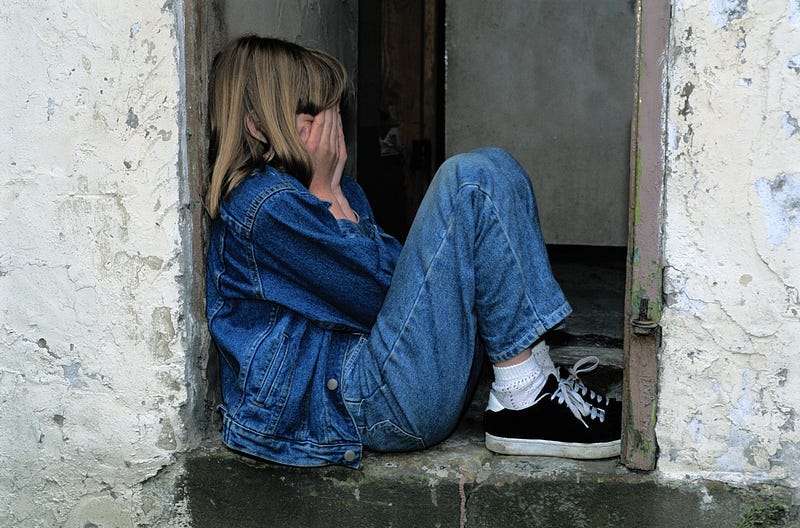
Bullying is a major problem in our society. The psychological trauma that comes with it is better imagined than experienced.
Not only does it leave kids feeling attacked, but it also reduces their self-confidence and could cause some other undesirable long-term consequences.
Despite the awareness that has been brought to it and various measures taken to curb it, a United Nations report shows that bullying incidents have continued to increase.
Presently, it remains an unfortunate incident that hasn’t stopped happening globally, particularly in schools.
What is bullying?
With bullying, most people ascribe it to only physical aggression, without realizing that it also exists in other forms such as cyberbullying, verbal bullying, and relational aggression.
To this extent, the Helpguide website defines bullying as the “repeated aggressive behavior that can be physical, verbal, or relational, in-person or online.”
Bullying acts vary, and they don’t have to be physical.
Children are bound to have minor disagreements or conflicts that can be resolved almost immediately after they happen, but where the aggression continually happens, we may start talking about bullying.
“Bullying usually isn’t a one-time act. Rather, it represents an ongoing pattern of behavior.”- Sherri Gordon
A lot of kids experience bullying but may not realize it for what it is, so they stay quiet.
Bullying happens when a child:
- Says something nasty or mean to another child;
- Pushes or beats another child;
- Spreads nasty stories about another child;
- Continually teases and mocks another child;
- Deliberately ignores and refuses to include another child during a joint activity;
- Knowingly takes another child’s possession.
Signs that your child is being bullied
If your child doesn’t outrightly tell you about it and you suspect a case of bullying, here are some signs which he or she may exhibit:
- Lack of interest in going to school or an outright reluctance in going;
- Changes in mood whenever school is mentioned. This mood could range from sadness to anxiety, anger, or confusion.
- The fear of being alone.
- Deteriorating academic performance.
- Unexplained bruises, cuts, or body marks.
- Sleeping difficulties and nightmares
- Always comes home starving.
- Exhibits fear of getting on the school bus or walking alone to school.
- Refusal to take part in some school activities;
- Lonely tendencies; child staying aloof.
Besides the above, Samantha Feijoo, a researcher at the National Anti- Bullying Research and Resource Centre states that a clear sign of bullying is where a child doesn’t exhibit as much fear during holidays, weekends, or any free time, but panics anytime resumption is close.
Parents are also advised to be more watchful because a child exhibiting most of these signs may not always be a case of bullying. As the “raising children” website further warns, they could be symptoms of a more serious issue like depression.
Consequences of Bullying
Children who have been bullied are known to suffer from negative psychological trauma which could affect them physically and academically. While some victims suffer from self-esteem issues, others are prone to having depression or anxiety.
In other cases, experts have reported that a child who is being bullied may do poorly in school or turn to alcohol or drugs as coping mechanisms.
Some others get involved in crime or turn to violence for consolation.
There’s no denying that bullying could also cause mental health problems for children.
What parents can do to help
Peggy Moss, an expert, and advocate to prevent hate violence, advises parents that once they notice any sign of their children being bullied, they should first listen in a non-judgmental way and not automatically assume that their kid has done anything wrong to deserve such treatment.
This is because, in such situations, the child’s feelings need to be considered first. Communication gets easier when the child knows he is being heard and that his feelings matter.
While some children can freely explain bullying incidents, others may choose not to tell their parents about it because: 1. They are scared that their parents will confront the bully;
2. They are embarrassed or uncomfortable about revealing it.
If your child refuses to open up on what’s really happening, it’s advisable to get another adult, teacher, coach, counselor, or elderly family member to start a conversation with the child so the real problem can be addressed.
You can:
- Show positive support by asking questions.
- Try as much as possible to figure out what is truly happening and where it has been happening so you can get the much-desired help your child needs.
- If possible, set up a meeting with your child’s teacher or school officials to discuss the issue and the way forward.
Once you can confirm a case of bullying, it is advisable to see the teachers and principal to know if there are any anti-bullying programmes in place and the protocols required for finding a quick solution to the issue.
Final Thoughts
As parents, we need to be very sensitive to the needs of our children. This is because as technology keeps getting better, so comes greater exposure to newer forms of bullying.
We equally have a greater sense of duty to keep close tabs on our children and respond swiftly when we notice anything odd.
Taking the right steps could save your child(ren) a lifetime of trauma and insecurity.


