
Queens who had the Most Children
The stamp of royalty does not take away from the weight of being a woman. In fact, the monarchy’s expectation for male heirs has resulted in the death of some Queens. Is the role of women in royalty limited to motherhood? Which women have had the most children?
Throughout history, the role of queens and empresses was crucial in securing the lineage and power of dynasties. Their primary duty often centered on childbirth, aiming to produce as many heirs as possible.
This expectation placed immense pressure on royal women, whose lives revolved around continuous pregnancies and the health of their offspring. While their stories highlight their dedication and resilience, they also disclose the challenging realities of royal motherhood.
The Historical Role of Royal Motherhood
The role of motherhood in royal contexts was shaped by the dynastic priorities of the time.
Royal women were expected to secure the succession of their husband’s lineage, often under considerable personal and political pressure. This expectation was a state affair, as the stability and future of a kingdom or empire could rest on the birth of male heirs.
For queens and empresses, motherhood began immediately upon marriage, sometimes even before they reached full physical maturity. Marriage and childbirth at a young age were common, driven by the need to ensure a direct line of succession as quickly as possible. The health risks associated with early pregnancies, along with the lack of advanced medical care, made royal childbirth a dangerous endeavor.
Male offspring were particularly valued as they guaranteed the continuation of the dynasty and were potential rulers. Female children, while not as politically valuable in terms of succession, were important for forging alliances through marriage. Thus, each child, regardless of gender, was a potential political asset, and their births, survival, and marriages were carefully planned and executed for strategic advantage.
The fertility of a queen was so crucial that it overshadowed other aspects of her life, including her health, personal desires, and sometimes her political influence. The public and political spheres scrutinized and celebrated royal pregnancies and births, linking them directly to the prosperity and stability of the state.
Tragedies and Triumphs
The historical landscape of royal motherhood is filled with emotional tragedies and remarkable triumphs. These stories highlight the personal struggles and successes of royal women, illustrating the broader impact of their maternity on the dynasties they belonged to.
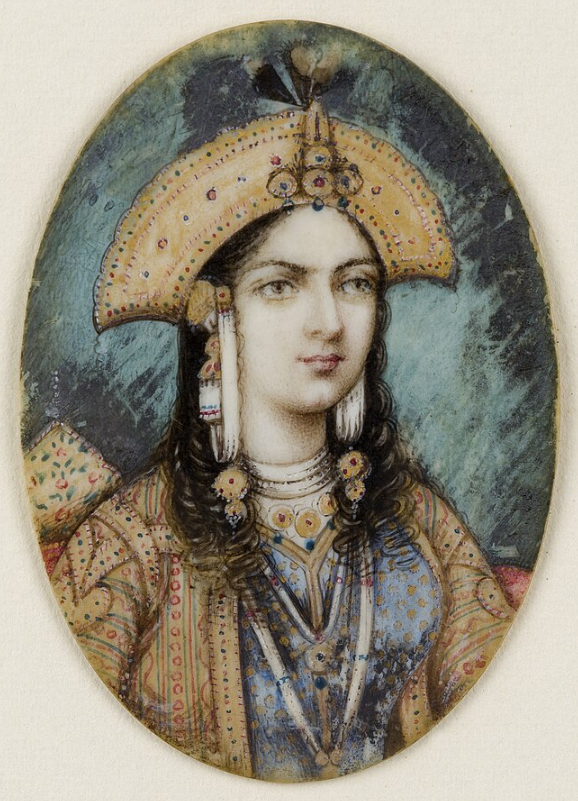
1- Mughal Empress Mumtaz Mahal
Mumtaz Mahal had 14 children with her husband, Shah Jahan. She was a beloved companion to the emperor. Her death during the birth of their 14th child devastated Shah Jahan, prompting him to build the Taj Mahal in her memory. Her life highlights the blend of deep love and royal duty.
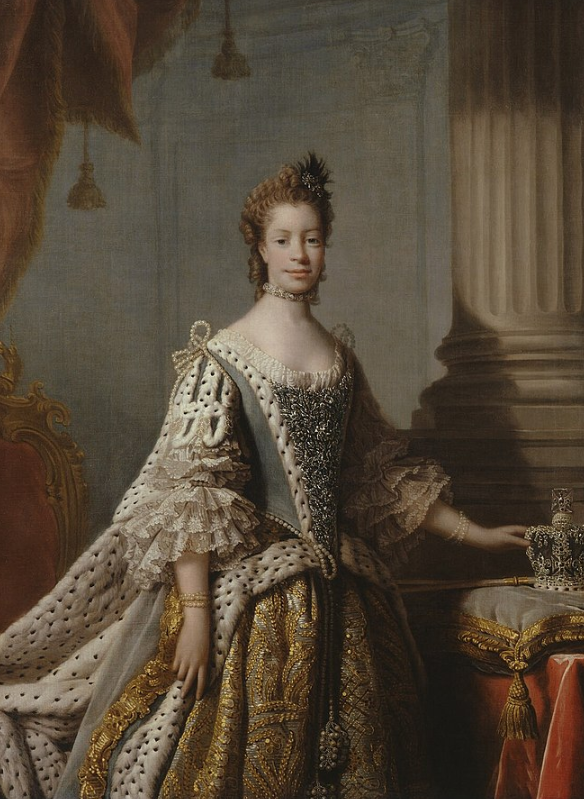
2- Charlotte of Mecklenburg-Strelitz
Queen Charlotte bore 15 children as the wife of King George III. She faced personal tragedy with the loss of two children to smallpox but maintained a strong family unit. Her numerous offspring secured the succession of the British monarchy and established alliances across Europe.
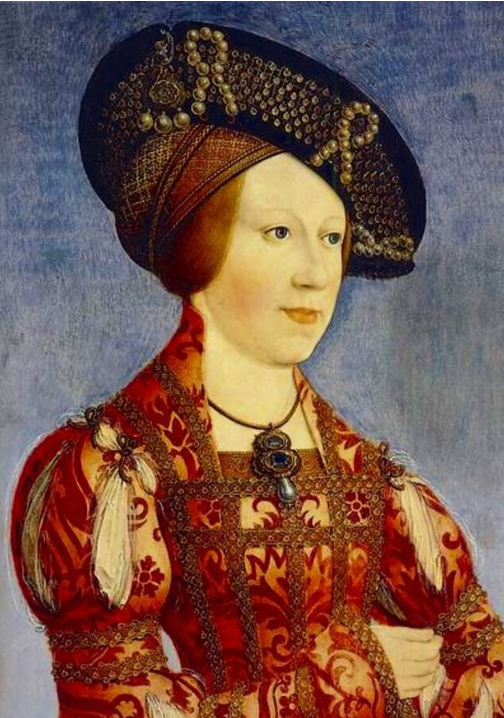
3- Anna of Bohemia and Hungary
Anna married Ferdinand I and significantly contributed to the Habsburg lineage with 15 children. Her marriage strengthened the dynasty’s future prospects but ended tragically when she died after her last childbirth, highlighting the perilous nature of royal births.
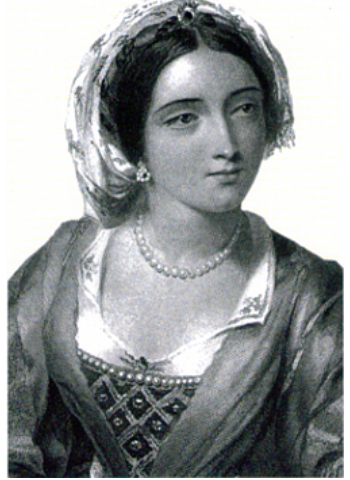
4- Eleanor of Castile
As Edward I’s consort, Eleanor gave birth to 16 children, enduring numerous tragedies, including the loss of several infants. Despite the personal sorrow, her children, who survived, played crucial roles in English history.
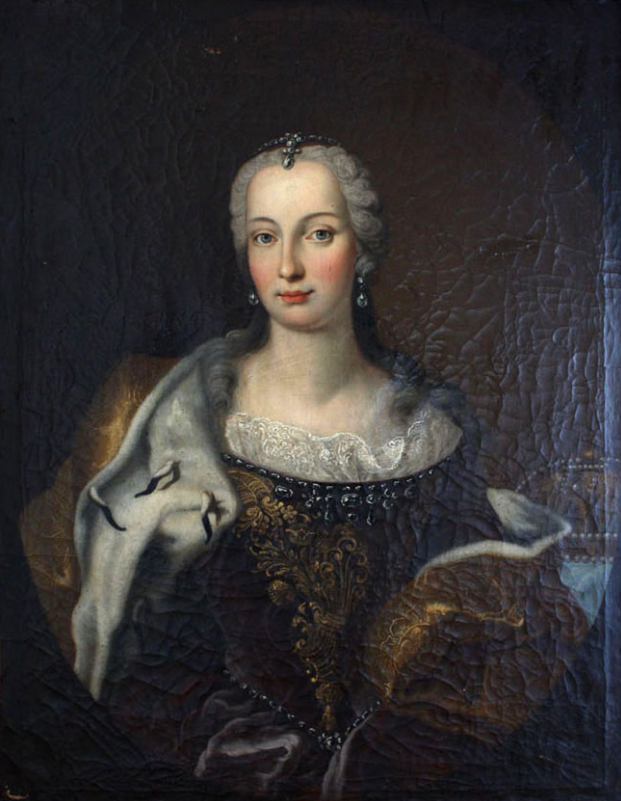
5- Maria Theresa
The Archduchess of Austria and queen of Hungary and Bohemia, Maria Theresa, had 16 children. She skillfully married them into other royal families, strengthening her empire. Despite losing four children to smallpox, she remained a powerful political figure and devoted mother.
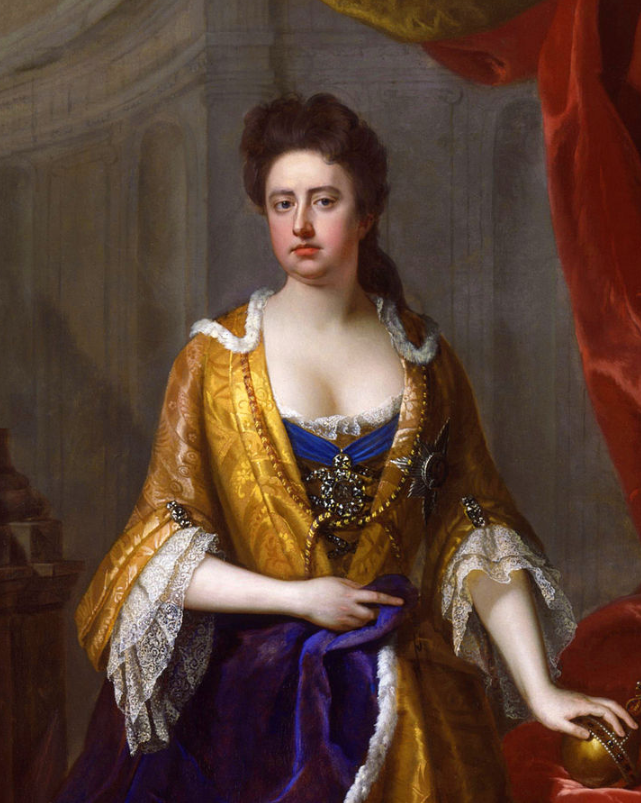
6- Queen Anne
Anne experienced intense personal loss, enduring 18 pregnancies with no surviving heirs, which contributed to the end of the Stuart line. Her story is evidence of the personal cost of royal duty and the fragility of life in the early 18th century.
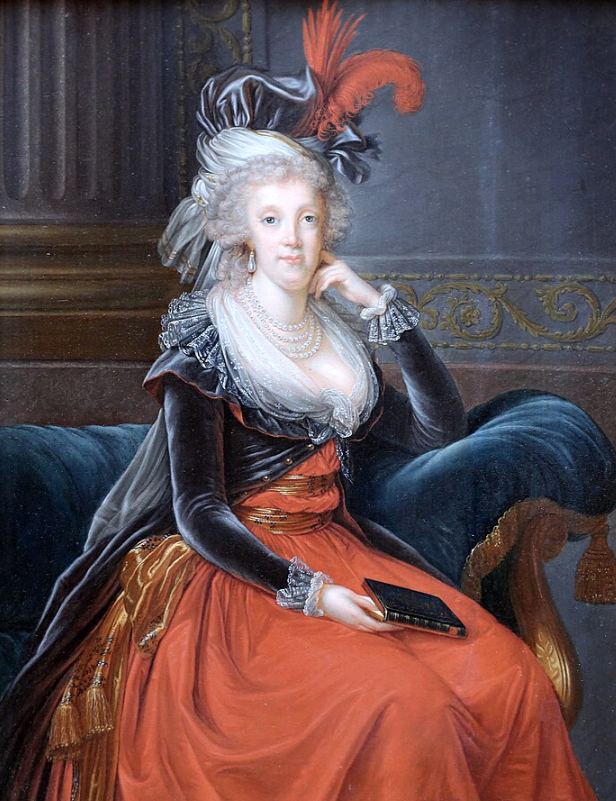
7- Maria Carolina of Austria
Married to King Ferdinand of Naples and Sicily, Maria Carolina had 17 children and used them to forge political alliances. Despite mutual dislike with her husband, their children helped secure the dynasty’s future, showcasing the strategic role of royal marriages.
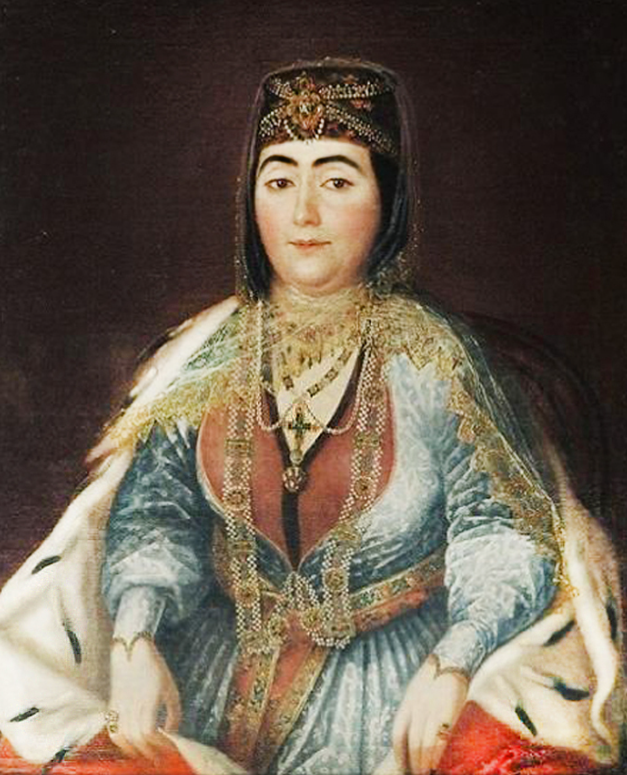
8- Darejan of Georgia
Married to King Heraclius II, she had 23 children. Her large family was proof of the importance of heirs in maintaining royal authority and influence despite the political turmoil of her time.
Despite these strategic successes, the personal toll on these women was immense. Frequent pregnancies, the pressure to produce male heirs, and the high infant mortality rate of the time left deep emotional scars. Yet, their resilience in the face of adversity and their contributions to their respective dynasties have cemented their places in history.
From Duty to Despair
Behind the grandeur of royal life lay the personal struggles and emotional toll of their roles as mothers. The continual cycle of pregnancy, childbirth, and the pressure to produce heirs often left these women in a state of physical and emotional exhaustion.
For many royal women, the joy of childbirth was frequently overshadowed by the fear of complications and the potential loss of the child. Infant mortality rates were high, and the loss of a child was a common but devastating experience.
The duty to produce heirs often led to a sense of isolation and despair among these royal mothers. Their personal desires and health were secondary to their dynastic duties. The physical toll of repeated pregnancies, often without adequate recovery time, worsened their emotional strain. Furthermore, the public nature of their role meant that their private grief was subject to public scrutiny and political interpretation.
Despite these challenges, royal women found ways to navigate their roles. They developed resilience and strategies to cope with their losses and the pressures of their position.
The Evolution of Royal Motherhood
The role of royal motherhood has evolved significantly over the centuries, shaped by changes in societal norms, medical advancements, and shifts in political landscapes. Historically, the primary function of queens and empresses was to ensure the continuation of the dynasty through childbirth.
In earlier times, the high infant mortality rate and lack of effective medical care meant that royal mothers frequently endured multiple pregnancies. This relentless cycle aimed to secure a male heir who would ensure the stability and future of the monarchy. However, the personal toll on these women was significant, with many experiencing physical strain and emotional distress.
As medical science advanced, the risks associated with childbirth decreased, leading to changes in the expectations placed on royal women. The development of obstetrics and improved maternal care reduced the need for multiple pregnancies, allowing royal mothers more time to recover and bond with their children. This shift impacted the health of royal mothers and allowed them a greater role in the upbringing and education of their offspring.
Furthermore, changes in political structures and the increasing separation of personal and state duties have altered the role of royal motherhood. In modern times, the pressure to produce a male heir has lessened in many monarchies, with laws changing to allow female succession. This shift reflects broader societal changes towards gender equality and has significantly impacted the lives of royal women, allowing them more control over their reproductive choices and greater involvement in public and state affairs.
Today, the role of royal motherhood encompasses a balance between personal and public duties. Royal women are often seen engaging in charitable work and representing their countries on the global stage, in addition to raising their families. Their motherhood is still a subject of public interest, but the narrative has shifted from one of duty and succession to one of personal choice and public service.
The Legacy of Queenly Motherhood
The legacy of queenly motherhood extends beyond the personal stories of loss, resilience, and duty to shape the future of dynasties, nations, and historical narratives.
The experiences of royal mothers have left permanent marks on the social, political, and cultural landscapes of their times. Their roles as mothers were intertwined with their responsibilities as queens, reflecting the complex interplay between personal duties and public expectations.
The impact of their motherhood on dynastic success and political alliances has been profound. Through arranged marriages, their children forged unions that shaped political landscapes, altered balances of power, and established peace treaties. The offspring of these royal mothers often rose to prominence, influencing the course of history through their own actions and leadership.
However, the legacy of these queens extends beyond their contributions to lineage and politics. Their experiences highlighted the challenges faced by women in positions of power, particularly in matters of personal agency and public duty.
The stories of these royal mothers have contributed to a richer understanding of history, one that includes the perspectives and experiences of women. They have inspired discussions about the role of women in leadership, the expectations placed upon them, and the intersection of motherhood and professional obligations.
Moreover, the historical record of queenly motherhood provides insight into the evolution of medical practices, social customs, and gender roles. The personal tragedies and triumphs of these women have, over time, led to increased attention to maternal health, changes in child-rearing practices, and shifts in societal attitudes toward women’s reproductive rights and roles.
The legacy of queenly motherhood continues to resonate today, influencing contemporary views on leadership, maternity, and female agency.


.jpg)