
Python Tutorial 7 of 50: 25 one-line code snippets
In this article, we will show you 25 one-line code snippets that you can use in your Python programs.
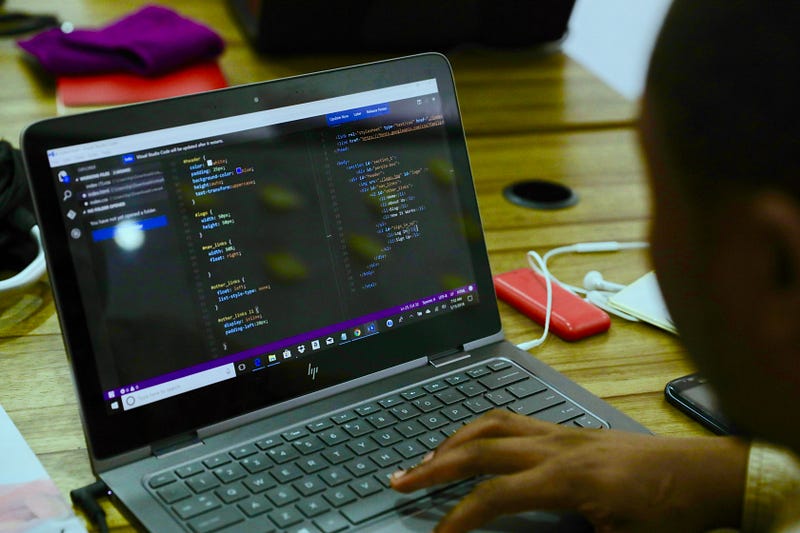
Do you know what a programming language is? It is a means of communication with a computer. A programmer writes instructions for the computer in a particular language, and the computer carries out the instructions.
Python is a programming language that was designed for readability. It is an interpreted language, which means that you can use it on any computer without having to first install a software program. Python is free and open source software released under the GNU General Public License.
Python is an easy language to learn for beginners. It has a simple syntax, and the code is easy to read. Python is a popular language for data science and machine learning.
In this article, we will show you 25 one-line code snippets that you can use in your Python programs.

#1: Add two numbers
a = 1 + 2
#2: Subtract two numbers
a = 3–2
#3: Multiply two numbers
a = 4 * 5
#4: Divide two numbers
a = 10 / 2
#5: Get the square root of a number
a = 9.0 / 0.5
#6: Convert a number to a string
a = “10”
#7: Convert a string to a number
a = int ( “10” )
#8: Find the absolute value of a number
a = abs ( — 5 )
#9: Find the largest number in a list
a = [ 1 , 2 , 3 , 4 ]
#10: Find the smallest number in a list
a = [ 1 , 2 , 3 , 4 ]
#11: Find the sum of a list of numbers
a = [ 1 , 2 , 3 , 4 ]
#12: Find the product of a list of numbers
a = [ 1 , 2 , 3 , 4 ]
#13: Find the median of a list of numbers
a = [ 1 , 2 , 3 , 4 ]
#14: Find the mode of a list of numbers
a = [ 1 , 2 , 3 , 4 ]
#15: Reverse a list of numbers
a = [ 4 , 3 , 2 , 1 ]
#16: Find the largest number in a range
max = 5
for i in range ( 1 , max + 1 ):
if i > max :
max = i
#17: Find the smallest number in a range
min = 1
for i in range ( 1 , max + 1 ):
if i < min :
min = i
#18: Find the sum of a range of numbers
sum = 0
for i in range ( min , max + 1 ):
sum = sum + i
#19: Find the product of a range of numbers
product = 1
for i in range ( min , max + 1 ):
product = product * i
#20: Convert a number to a hexadecimal string
a = “10”
b = “a”
print ( “ { :x } “ . format ( a ))
#21: Convert a hexadecimal string to a number
a = “10”
b = “a”
print ( “ { :x } -> { :x } “ . format ( a , b ))
#22: Get the length of a string
a = “Python”
length = len ( a )
#23: Join two strings
a = “Hello”
b = “ world!”
c = a + b
print ( c )
#24: Split a string into a list of words
a = “Hello world!”
words = a . split ()
#25: Remove the first occurrence of a word from a string
a = “Hello world!”
b = a . strip ( “Hello” )
print ( b )
If you enjoyed this article then consider using my affiliate link to become a Medium member today. For just $5 bucks a month (and no additional cost to you), you will gain unlimited access to Medium’s rich library of articles.


