
Python Trading Strategies: 5 Ways to Create Winning Strategies
In this article, we will discuss five ways that you can use Python to create trading strategies.
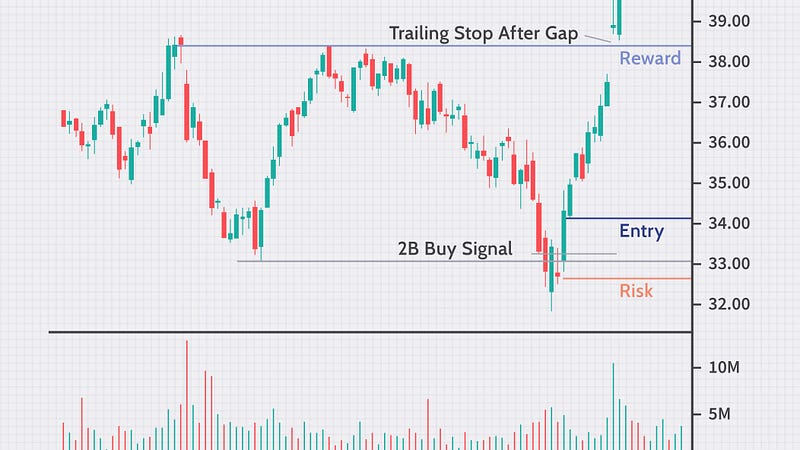
Trading strategy refers to the predetermined set of rules that a trader uses to determine whether to buy or sell a security.
Traders employ different trading strategies depending on the market conditions.
Some common trading strategies include trend following, breakout trading, and mean reversion.
Python is a versatile programming language that can be used to develop trading strategies. In this article, we will discuss five ways that you can use Python to create trading strategies.
1. Build a Trading Model
One way to use Python for trading is to build a trading model. A trading model is a computer program that uses historical data to predict future prices.
You can use Python to build a trading model by importing data from a data source, such as a comma-separated values (CSV) file, and then using machine learning algorithms to predict future prices.
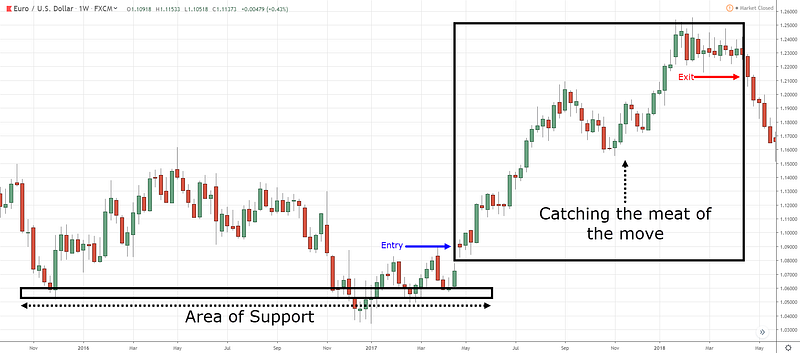
2. Create a Trading Bot
Another way to use Python for trading is to create a trading bot. A trading bot is a computer program that automatically executes trades based on pre-determined rules.
You can use Python to create a trading bot by importing data from a data source, such as a CSV file, and then using Trading Library to automate the trading process.
3. Detect Price Patterns
Python can also be used to detect price patterns. Price patterns are recurring sequences of price data that can be used to predict future price movements.
You can use Python to detect price patterns by importing data from a data source, such as a CSV file, and then using machine learning algorithms to find patterns in the data.
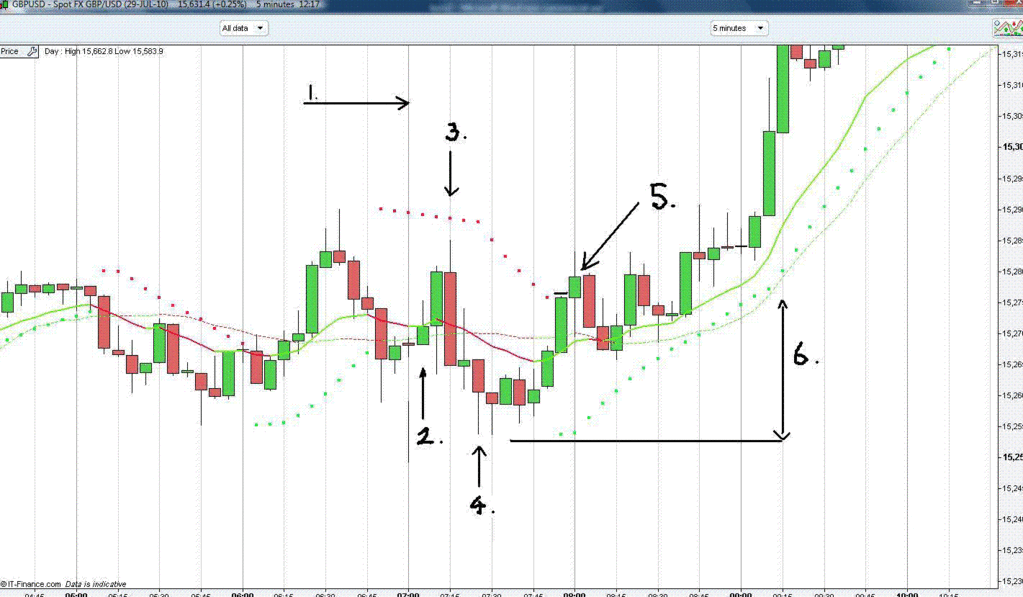
4. Create Automated Trading Strategies
Python can also be used to create automated trading strategies. Automated trading strategies are computer programs that automatically execute trades based on pre-determined rules.
You can use Python to create automated trading strategies by importing data from a data source, such as a CSV file, and then using Trading Library to automate the trading process.
5. Backtest Trading Strategies
Finally, Python can also be used to backtest trading strategies. Backtesting is the process of testing a trading strategy on historical data to determine its viability.
You can use Python to backtest trading strategies by importing data from a data source, such as a CSV file, and then using machine learning algorithms to find patterns in the data.
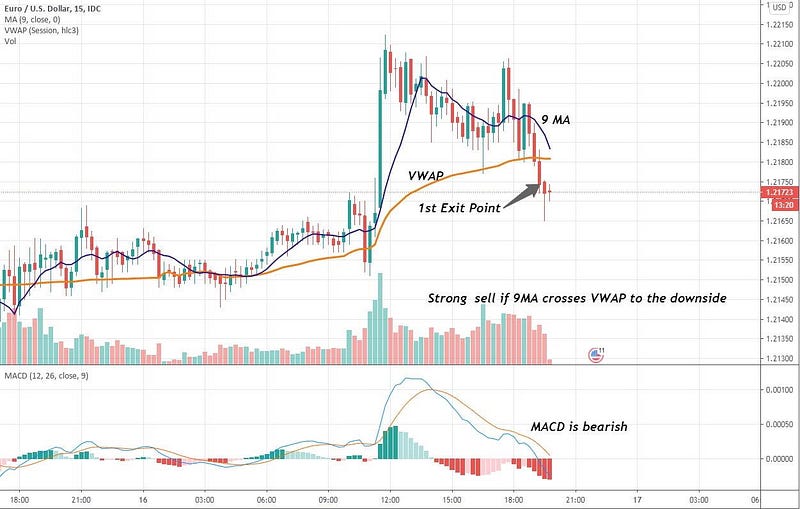
In conclusion, there are many benefits to using python when creating trading strategies. It is a versatile language that can be used on a variety of platforms.
Additionally, it is relatively easy to learn, which makes it a good option for novice traders.
Finally, python allows for a high degree of flexibility, which can be helpful when creating complex trading strategies.
If you’re not a Medium member yet, you’re missing out on a lot of great content. For just $5 a month, you can have unlimited access to all of Medium’s articles. That’s an incredible deal, and there’s no extra cost to you.
So don’t wait — sign up now and start enjoying all that Medium has to offer.
If you enjoyed this article, please follow me and give me a few claps or maybe if you want to support me, buy me a cup of coffee! I would greatly appreciate it! Thank you in advance.


