
Python for Finance and Economics
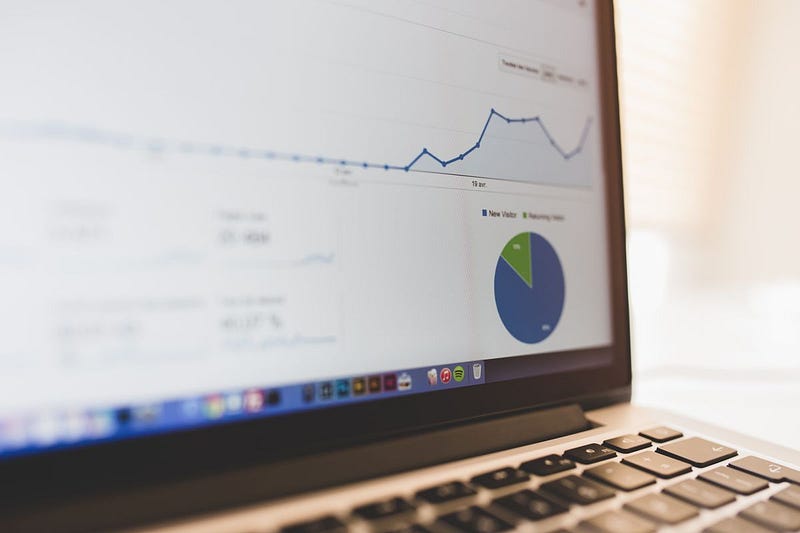
The intersection of Python and finance has created a dynamic field where programming expertise can significantly enhance financial analysis and economic research. With Python’s powerful libraries and tools, professionals in finance and economics can automate data retrieval, build predictive models, manage risks, and create advanced visualizations to support decision-making processes. This article explores the multifaceted applications of Python in finance and economics, providing insights into how this versatile language is shaping the future of the industry.
Key Takeaways
- Python’s capabilities in automating financial data retrieval and analysis streamline the workflow for finance professionals.
- The language’s extensive libraries and tools facilitate technical and fundamental analysis, as well as the integration with applications like Excel.
- Predictive modeling using Python, including time-series forecasting and machine learning, is pivotal for stock price analysis and risk assessment.
- Python plays a crucial role in economic research, enabling the scraping of economic indicators and the simulation of macroeconomic models.
- Advanced visualization techniques in Python, such as interactive charts and real-time dashboards, enhance financial reporting and data interpretation.
Harnessing Python for Financial Data Analysis

Automating Data Retrieval with Python Scripts
In the realm of finance, data is king, and having the latest information at your fingertips can be the difference between a profitable decision and a costly mistake. Python scripts offer a powerful way to automate the retrieval of financial data, ensuring that analysts and traders have access to the most up-to-date figures without manual intervention.
Automation not only saves time but also reduces the risk of human error, making it an indispensable tool in financial analysis.
For instance, a Python script can be scheduled to download end-of-day (EOD) historical stock data, index information, and delivery data from the National Stock Exchange (NSE). This can be done with added features such as charting and analysis, all updated regularly without the need for manual downloads. Below is an example of how Python libraries and scripts are utilized in the financial sector:
- LIKE-A-FREEDOM / BFO_CRAWLER: A tool to get Russian accounting data and financial metrics easily.
- BENNYTHADIKARAN / EOD2: Automates the download and update of NSE EOD historical stock data.
- ASHARIBALI / FINANCIAL-ANALYST-AI: An AI-powered financial analyst assistant.
- RAJKULK16 / FINANCIAL-SENTINEL: Aims to detect financial fraud using AI.
These tools highlight the versatility of Python in automating diverse financial tasks, from data retrieval to fraud detection.
Utilizing Libraries for Technical and Fundamental Analysis
Python’s ecosystem is rich with libraries designed to streamline both technical and fundamental analysis in finance. Libraries such as yfinance for data retrieval and [QuantPy](https://wilsonfreitas.github.io/awesome-quant/) for quantitative finance make it possible to access and analyze financial data with ease. For technical analysis, libraries like TA-Lib provide tools to calculate over 150 indicators, from simple moving averages to complex candlestick patterns.
When it comes to fundamental analysis, Python offers libraries that can parse financial statements and extract key metrics. Libraries such as FundamentalAnalysis and finviz help in scraping data from financial websites, allowing analysts to focus on strategy rather than data collection.
By leveraging these libraries, analysts can significantly reduce the time spent on data processing and enhance the accuracy of their financial models.
The table below showcases some of the popular Python libraries for financial analysis:
Library
Description
vollib
A library for calculating option prices, implied volatility, and greeks.
QuantPy
A framework for quantitative finance in Python.
It’s important to stay updated with the latest libraries and their features, as the landscape of financial analysis is constantly evolving.
Integrating Python with Excel for Enhanced Financial Modeling
The synergy between Python and Excel opens up a powerful avenue for financial analysts to enhance their modeling capabilities. Python’s versatility in data manipulation and automation complements Excel’s user-friendly interface, creating a robust environment for complex financial analyses. By leveraging Python libraries such as openpyxl or xlwings, analysts can automate repetitive tasks, perform bulk operations, and extend the analytical power of Excel spreadsheets.
For instance, consider the following common tasks that can be streamlined using Python:
- Reading and writing Excel files programmatically
- Generating dynamic reports and dashboards
- Conducting batch operations like data cleaning and transformation
Embracing Python for Excel-related tasks not only saves time but also minimizes the risk of human error, leading to more accurate financial models.
The integration process typically involves writing Python scripts that interact with Excel workbooks. These scripts can be triggered from within Excel or run independently to process and analyze financial data. The table below illustrates a simplified workflow for integrating Python with Excel:
Step
Action
1
Write Python script to handle data
2
Use Python to read/write Excel files
3
Automate data analysis with Python
4
Generate reports and visuals in Excel
By mastering this integration, analysts can significantly enhance their productivity and the sophistication of their financial models.
Building Predictive Models in Finance Using Python
Time-Series Forecasting for Stock Prices
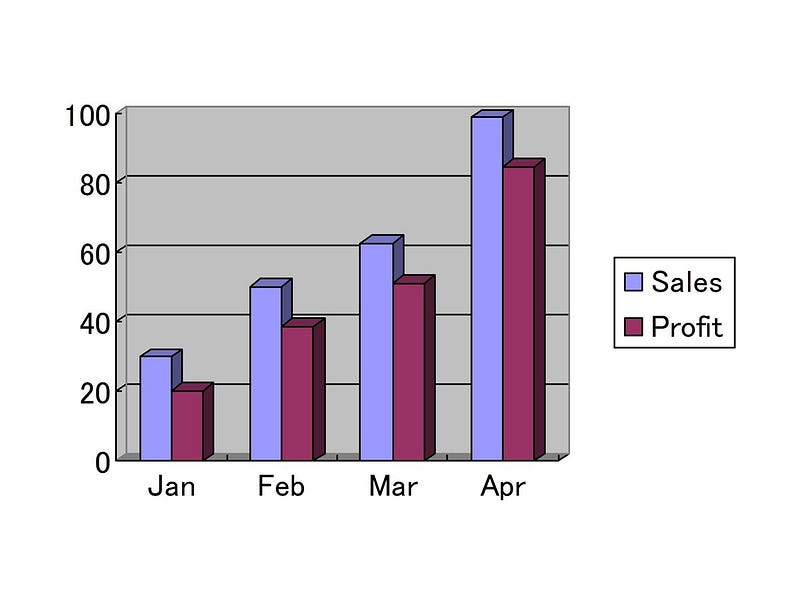
Time-series forecasting is a critical tool for investors and analysts who aim to predict future stock prices and make informed decisions. The use of machine learning algorithms has revolutionized this field, providing more accurate and sophisticated predictions than traditional statistical methods. One popular approach is the application of Long Short-Term Memory (LSTM) networks, which are particularly adept at capturing patterns in sequential data.
The process of forecasting involves analyzing historical price data to identify trends, patterns, and potential correlations with other financial indicators. By doing so, analysts can anticipate price movements and volatility, which are essential for strategy development in trading.
Python’s rich ecosystem offers a variety of libraries and frameworks that facilitate the implementation of time-series forecasting models. Libraries such as pandas for data manipulation, NumPy for numerical computations, and AutoTS for automated forecasting are indispensable tools for analysts. Below is a list of steps typically involved in building a predictive model for stock prices:
- Collecting historical stock price data using APIs like
yfinance. - Preprocessing the data to ensure quality and consistency.
- Splitting the dataset into training and testing sets.
- Selecting and training a machine learning model, such as LSTM or ARIMA.
- Evaluating the model’s performance and fine-tuning hyperparameters.
- Deploying the model to predict future stock prices and inform trading decisions.
Machine Learning for Credit Risk Assessment
In the realm of finance, machine learning has become a pivotal tool for assessing credit risk. Models such as XGBoost, logistic regression, and deep learning networks are now standard in detecting fraud and predicting loan defaults with greater accuracy than traditional statistical methods.
The integration of machine learning in credit risk assessment allows for a more nuanced analysis of borrower profiles, leading to more informed lending decisions.
The process of building a predictive model for credit risk involves several steps:
- Data collection and preprocessing to ensure quality and relevance.
- Feature selection to identify the most significant variables affecting credit risk.
- Model training using historical data to learn patterns of creditworthiness.
- Validation and testing to evaluate the model’s performance and avoid overfitting.
The table below summarizes key machine learning algorithms used in credit risk assessment:
Algorithm
Use Case
Strengths
XGBoost
Default prediction
High performance, handles large datasets
Logistic Regression
Fraud detection
Interpretability, well-established
Deep Learning Networks
Complex pattern recognition
Flexibility, can model non-linear relationships
Adopting these advanced techniques not only enhances the accuracy of predictions but also provides a competitive edge in the fast-paced financial industry.
Algorithmic Trading Strategies with Python
Algorithmic trading harnesses the computational power of Python to execute trades based on predefined criteria, without human intervention. Before diving into algorithmic trading, it’s essential to understand the basics of financial markets, trading strategies, and programming with Python. This foundation is crucial for developing robust and profitable algorithms.
The journey to creating an algorithmic trading strategy involves several key steps:
- Define the trading strategy and its objectives.
- Acquire and preprocess historical market data.
- Backtest the strategy using historical data to ensure its viability.
- Optimize the strategy to improve performance and reduce risk.
- Implement the strategy in a live trading environment with real-time data.
Algorithmic trading is not just about writing code; it’s about creating a synergy between market knowledge, data analysis, and technological proficiency.
With the rise of machine learning and advanced analytics, traders can now incorporate complex models for price prediction and risk management into their strategies. The table below showcases some popular Python libraries and tools that facilitate algorithmic trading:
Library/Tool
Purpose
yfinance
Financial data acquisition
AutoTS
Automated forecasting
Plotly
Advanced data visualization
XGBoost
Machine learning for prediction
By leveraging these tools, traders can refine their strategies and gain a competitive edge in the fast-paced world of finance.
Python in Economic Research and Macroeconomic Analysis

Scraping Economic Indicators from the Web
In the digital age, economic indicators are vital for understanding market trends and making informed decisions. Web scraping is a powerful tool that automates the extraction of this data from various online sources. For instance, a Python script can be scheduled to retrieve end-of-day historical stock data, index information, and delivery data, which are essential for financial analysis and charting.
The process typically involves the following steps:
- Identifying the target website and the specific data required.
- Writing a Python script using libraries such as BeautifulSoup or Scrapy.
- Running the script to extract data and store it in a structured format, like CSV or a database.
- Regularly updating the data by re-running the script at scheduled intervals.
By leveraging web scraping, analysts can bypass manual data collection, saving time and reducing errors. This method ensures a steady stream of up-to-date information, which is crucial for dynamic financial markets.
Repositories on platforms like GitHub offer a variety of scripts and tools for financial analysis, such as the LIKE-A-FREEDOM / BFO_CRAWLER for retrieving accounting data, or the HELLOTHEREMATEY / BOOTLEG_MACRO toolkit for sourcing macroeconomic data. These resources are continuously updated, reflecting the active community of developers contributing to the field of financial technology.
Simulating Economic Models with Python
Python’s versatility extends to the realm of economics, where it is used to simulate complex economic models. Economists and analysts can craft custom models to forecast and analyze various economic scenarios. These simulations often involve solving systems of differential equations or optimizing functions to mimic real-world economic behaviors.
Python’s rich ecosystem includes libraries such as SciPy and NumPy, which are essential for scientific computing. Users can leverage these tools to handle tasks ranging from simple algebraic calculations to solving partial differential equations. For instance, a model simulating market dynamics might require the following components:
- Initialization of economic variables
- Definition of behavioral equations
- Numerical methods for solving equations
- Visualization of simulation results
By integrating these elements, Python enables users to create a dynamic and interactive simulation environment. This approach not only enhances understanding but also allows for the testing of economic theories against historical data.
The growing community of Python developers contributes to platforms like the DIY Macroeconomic Model Simulation Website, which offers resources for those interested in developing their own simulations. Such platforms provide a code repository and online script execution, fostering a collaborative environment for economic research.
Visualizing Macroeconomic Trends with Advanced Plotting Tools
The ability to visualize complex economic data is crucial for analysts and policymakers. Advanced plotting tools in Python have transformed the way we interpret and present macroeconomic trends. Libraries such as Matplotlib and Plotly offer extensive functionalities for creating interactive and static visualizations.
One of the most significant advantages of using Python for data visualization is the ability to automate the creation of charts and graphs. This not only saves time but also ensures consistency in reporting. For example, the US Census Bureau’s X-13ARIMA-SEATS software can be integrated with Python to perform seasonal adjustments on economic data, enhancing the clarity of cyclical trends.
By leveraging Python’s plotting libraries, users can create visual representations that are both informative and engaging, making it easier to identify patterns and anomalies in economic data.
Below is a list of popular Python libraries and tools for visualizing macroeconomic data:
- Matplotlib: A versatile library for creating static, animated, and interactive visualizations.
- Plotly: Enables the creation of sophisticated interactive charts and dashboards.
- Seaborn: Built on top of Matplotlib, it provides a high-level interface for drawing attractive statistical graphics.
- Bokeh: Focuses on building interactive web plots, which can be very useful for online economic reports.
Risk Management and Quantitative Analysis with Python

Applying the Black-Scholes Model for Option Pricing
The Black-Scholes model is a cornerstone in the field of financial engineering, providing a theoretical framework for valuing European options. By mastering the Black-Scholes model and its implementation in Python, you are now equipped with a powerful tool for options pricing and analysis. The model takes into account various factors such as the underlying asset’s price, the option’s strike price, the time to expiration, risk-free interest rate, and the asset’s volatility.
Python’s versatility allows for the efficient computation of the Black-Scholes formula, enabling traders and analysts to quickly assess the fair value of options. Libraries such as SciPy offer functions that simplify these calculations.
Understanding the model’s sensitivity to different parameters is crucial. Here’s a brief overview of the Greeks, which measure the risks associated with options:
- Delta: Measures the rate of change of the option’s price with respect to changes in the underlying asset’s price.
- Gamma: Reflects the rate of change in Delta with respect to changes in the underlying asset’s price.
- Theta: Indicates the rate of decline in the option’s value as time to expiration approaches.
- Vega: Shows the sensitivity of the option’s price to changes in the volatility of the underlying asset.
- Rho: Represents the sensitivity of the option’s price to changes in the risk-free interest rate.
In practice, the Black-Scholes model is often used as a benchmark, while real-world complexities such as early exercise options and changing volatility are addressed through more advanced models and techniques.
Portfolio Optimization Techniques
In the realm of finance, portfolio optimization is a crucial task that involves selecting the best mix of assets to maximize returns for a given level of risk. Python’s extensive libraries and tools enable investors to apply complex mathematical models and machine learning algorithms to this challenge. For instance, the inbestment-portfolio project on GitHub leverages machine learning and optimization techniques to aid in the selection of an optimal investment portfolio.
Python’s capabilities for financial analysis are not limited to professional traders or large institutions. Educational platforms offer modules on topics such as Matplotlib for data visualization and Regression analysis, which are instrumental in understanding and optimizing portfolios. These skills culminate in capstone projects that test one’s ability to integrate financial knowledge with programming prowess.
By harnessing the power of Python, investors can perform more efficient portfolio optimization, balancing the trade-off between risk and return to achieve their investment goals.
Quantitative Methods for Value at Risk (VaR) Calculation
Value at Risk (VaR) has become a cornerstone of risk management in finance. It provides a quantitative measure of the potential loss an investor can expect to experience under normal market conditions. VaR models are essential for financial institutions to estimate the risk of their portfolios and to comply with regulatory requirements.
The calculation of VaR can be approached through various methods, including historical simulation, variance-covariance, and Monte Carlo simulation. Each method has its own set of assumptions and computational complexities:
- Historical Simulation: Relies on past market data to estimate future risks.
- Variance-Covariance: Assumes that returns are normally distributed and uses the mean and variance of historical returns.
- Monte Carlo Simulation: Uses random sampling to generate a range of possible outcomes and their probabilities.
While VaR is a powerful tool, it is not without limitations. It does not predict the maximum loss, but rather the maximum loss within a certain confidence level. Additionally, VaR assumes normal market conditions and may not be accurate during periods of extreme volatility.
Financial analysts and risk managers must understand the nuances of each method to effectively implement VaR calculations. The choice of method often depends on the portfolio’s composition, the computational resources available, and the regulatory environment.
Advanced Visualization Techniques for Financial Reporting
Creating Interactive Financial Charts with Plotly
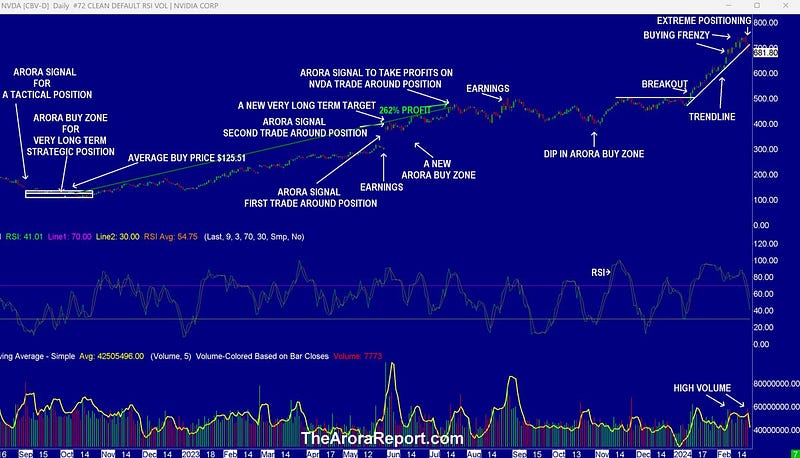
Interactive financial charts are essential for analyzing complex data and making informed decisions. Plotly, an open-source graphing library, enables the creation of rich, interactive charts that can be customized to suit any financial report or analysis. With Plotly, financial analysts can transform static charts into dynamic visualizations that offer deeper insights at a glance.
- Ease of Use: Plotly’s syntax is intuitive, making it accessible for both novice and experienced programmers.
- Interactivity: Users can zoom, pan, and hover to explore data in detail.
- Customization: A wide range of chart types and styling options are available.
- Integration: Plotly charts can be embedded in web applications and Jupyter notebooks.
By leveraging Plotly, financial professionals can present data in a way that is both visually appealing and highly informative, facilitating better understanding and communication of financial insights.
Developing Waterfall Charts for Profit and Loss Statements
Waterfall charts are an essential tool for visualizing the sequential contribution of various elements to a final result, particularly in Profit and Loss statements. These charts help in understanding the cumulative impact of sequentially introduced positive or negative values. The creation of a waterfall chart can be broken down into several steps:
- Identify the initial and final values, such as opening and closing balances.
- List all income and expense items that contribute to the net result.
- Determine the incremental effect of each item.
- Visualize the data using a plotting library, such as Plotly.
For instance, a simple Profit and Loss statement might look like this in a waterfall chart format:
Item
Impact on Profit
Opening Balance
$10,000
Sales Revenue
+$15,000
Cost of Goods Sold
-$5,000
Operating Expenses
-$3,000
Interest Expense
-$1,000
Tax Expense
-$2,000
Closing Balance
$14,000
By systematically breaking down the financial performance into individual components, waterfall charts facilitate a clear understanding of the underlying drivers of profit or loss.
The use of Python, particularly with the plotlywaterfall package, streamlines the process of generating these charts, allowing for dynamic and interactive financial reporting. The ability to customize and automate the creation of waterfall charts makes Python a powerful ally in financial analysis and reporting.
Designing Dashboards for Real-Time Financial Monitoring
In the fast-paced world of finance, the ability to monitor financial metrics in real-time is crucial. Dashboards serve as a powerful tool to aggregate and visualize data, enabling decision-makers to grasp complex information quickly and act accordingly. A financial dashboard is a business intelligence tool that allows teams to track and report on financial KPIs effectively.
The design of these dashboards should focus on clarity, relevance, and timeliness to ensure that the most critical data stands out. For instance, a dashboard for a retail company might include the following key performance indicators:
KPI
Description
Target
Current Status
Revenue Growth
Percentage increase in sales
5%
4.2%
Net Profit Margin
Net income as a percentage of revenue
10%
9.5%
Inventory Turnover
Rate at which inventory is sold
7 times
6.8 times
By presenting data in an intuitive and interactive manner, dashboards empower financial professionals to identify trends, spot anomalies, and make data-driven decisions.
The process of designing these dashboards can be simplified using various Python libraries, such as Plotly and Dash, which offer the flexibility to create custom interactive visualizations. With these tools, one can build dashboards that not only display static figures but also allow users to explore the data through different dimensions and time periods.
Conclusion
In conclusion, Python has cemented its place as an indispensable tool in the realms of finance and economics. The versatility of Python, as showcased by the diverse array of projects and tools like BOOTLEG_MACRO, PLOTLYWATERFALL, and CRYPTO_CURRENCY-PRICE-PREDICTOR, underscores its capability to handle everything from financial data analysis to predictive modeling. The practical applications in portfolio optimization, automated financial analysis, and visual reporting are not only enhancing the efficiency of financial operations but also empowering analysts and students to push the boundaries of traditional financial analysis. With the continuous updates and contributions from the community, Python’s role in finance is poised to grow even further, making it an essential skill for anyone looking to excel in the financial industry.
Frequently Asked Questions
How can Python be used for financial data analysis?
Python can be used for financial data analysis by automating data retrieval, performing technical and fundamental analysis with libraries such as pandas and NumPy, and integrating with Excel for financial modeling. Python’s versatility allows for efficient processing and analysis of large financial datasets.
What are some Python libraries used in finance?
Some popular Python libraries used in finance include pandas for data manipulation, NumPy for numerical computations, matplotlib and Plotly for data visualization, scikit-learn for machine learning, and statsmodels for statistical modeling and econometrics.
Can Python be used for predictive modeling in finance?
Yes, Python is widely used for predictive modeling in finance. It supports various machine learning algorithms for credit risk assessment, time-series forecasting for stock prices, and developing algorithmic trading strategies.
How is Python applied in economic research?
Python is applied in economic research by scraping economic indicators from the web, simulating economic models, and visualizing macroeconomic trends with advanced plotting tools. Libraries like BeautifulSoup for web scraping and matplotlib for plotting are commonly used.
What are the capabilities of Python in risk management?
In risk management, Python is used to apply models such as Black-Scholes for option pricing, perform portfolio optimization, and calculate Value at Risk (VaR) using quantitative methods. Python’s scientific libraries enable complex financial calculations and simulations.
How does Python enhance financial reporting and visualization?
Python enhances financial reporting and visualization by allowing the creation of interactive financial charts with libraries like Plotly, developing waterfall charts for income statements, and designing real-time financial monitoring dashboards. These tools help in making data-driven decisions and presenting financial information clearly.


