
Puzzling Long-Term Effects Of Covid-19
Serious health problems affect patients that were “not so badly hit” initially
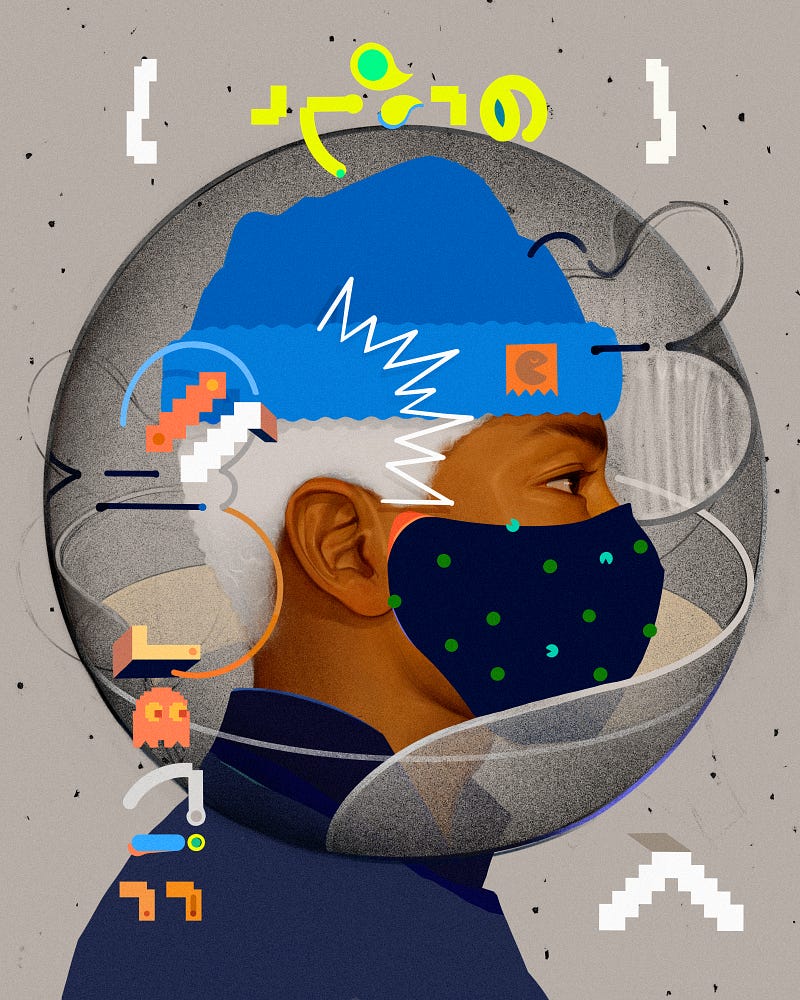
Nearly a year into the world pandemic, it appears that not only Covid-19 isn’t planning to leave us anytime soon but that it has a shocking second act waiting to happen.

A new phenomenon described as “Post-acute Covid” or “Long-Covid” is the new focus of scientists and health professionals worldwide. These terms refer to the long term complications that possibly emerge after one’s presumed recovery from the coronavirus.
Many young patients who did not previously have a history of hospitalization, now are experiencing symptoms that drive them to the ER. Devastating problems including memory lapses and heart problems have emerged in many Covid-19 patients long after the initial Covid-19 symptoms disappeared. Many are showing these symptoms weeks or months after they were said to have fully recovered.
The shocking symptoms often affect the entire body — severe fatigue, digestive problems, cognitive issues, dizziness, fluctuation in blood pressure, and erratic heart rates.
The surprising fact remains that most of these cases emerged in patients whose initial case was not that serious, to begin with. For many of these patients, the disease itself was not that bad but the rapid heart rate and memory problems persisted for months.
A new survey based on nearly 4000 Covid-19 patients found that about 10% of those aged 18 to 49 still struggle with some symptoms four weeks after getting sick, 4.5% of which had symptoms persist for more than eight weeks, and 2.3% had them for over 12 weeks.
While Covid-19 starts in the lungs, it often affects many other parts of the body including the kidney, heart, and the digestive and nervous systems. The far-reaching nature of this virus is what mainly puzzles health professionals.
With more than 46 Million cases worldwide, even a low estimate of the Long-Covid will translate into millions living with chronic conditions which increase the urgency to study this virus even more.


