
Putin’s Neo-Imperial Fantasies: Dominating Eastern Europe!
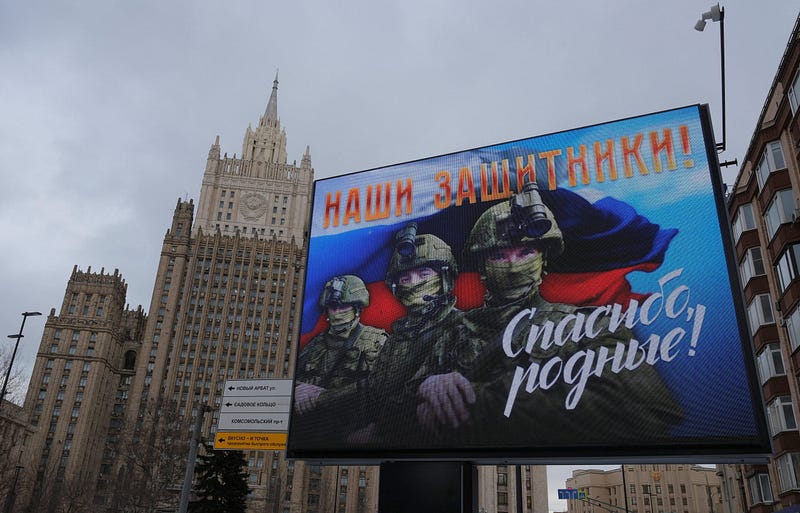
The Russian war of aggression against Ukraine has reached a critical turning point, as the leaders of Germany, France and Poland – the “Weimar Triangle” – demonstrated a new resolve to bolster Europe’s defenses and support Ukraine during their meeting in Berlin. Alarmed by intelligence assessments warning of Russia’s preparations for a broader war with Europe by 2026, German Chancellor Olaf Scholz, French President Emmanuel Macron, and former European Council President Donald Tusk converged on the need for decisive action in the face of the ongoing assault on Ukraine’s sovereignty and territorial integrity.
Germany’s “Zeitenwende” policy shift towards greater defense spending, its commitment to reach NATO’s 2% of GDP target this year, and plans to build an army capable of defending all of Europe within 5 years reflect a dawning realization of the continent-wide threat posed by Vladimir Putin’s revanchist Russia. This is no longer just about Ukraine’s security and the defense of the rules-based international order – it’s about the security of NATO and EU member states directly in Moscow’s crosshairs, especially Moldova, Poland, and Romania, as well as the Baltic states which have been subjected to direct threats and intimidation from Russian officials.
The three leaders sought to smooth over previous disagreements, with Macron insisting that no option should be off the table when it comes to ensuring Ukraine’s victory, including the future presence of NATO troops on Ukrainian soil – a stance polls show 68% of French citizens oppose. But criticism of France’s equivocation also came from Berlin, with Scholz pointedly noting the “hypocrisy” of Paris’ grand pronouncements while simultaneously scaling back weapons deliveries to Ukraine in its hour of greatest need.
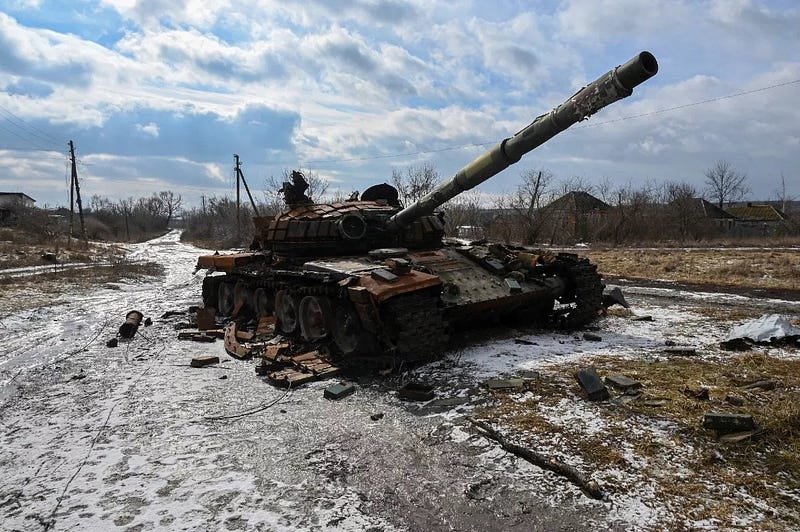
What’s become abundantly clear is that Europe’s political leadership now grasps the urgency and necessity of action after a succession of stark warnings from NATO’s top military commander on down to defense ministers across the alliance. The consensus that emerged is unambiguous: Russia’s imperial ambitions will not stop at Ukraine’s borders but extend to former Soviet-occupied territories in Eastern Europe that are now members of the EU and NATO. This is no longer just about supporting Ukraine but defending the European continent as a whole against the specter of a revitalized Russian imperialism.
While diplomacy remains an essential tool, the EU and NATO are preparing concrete plans for long-range artillery and other heavy weapons to be supplied to Ukraine to beat back the invader. In a phone call, Scholz and Ukrainian President Volodymyr Zelensky discussed Kyiv’s most pressing needs – more tanks, armored vehicles, air defenses and especially artillery ammunition. The European Commission is moving with eagerness to unlock frozen Russian assets to fund these efforts, overriding objections from Hungary.
Perhaps most significantly, Europe is emerging from a long period of strategic complacency and over-reliance on the United States for its defense. Joint European air defense projects, efforts to source weapons and ammunition outside the EU to bridge the gap until domestic arms production ramps up, and initiatives to strengthen Europe’s anemic defense industrial base all point to a seismic geopolitical shift. While an independent European nuclear deterrent remains far off, concrete steps are finally being taken towards building the conventional forces and stockpiles needed for territorial defense and deterrence against a revanchist Russia bent on upending the European security order.
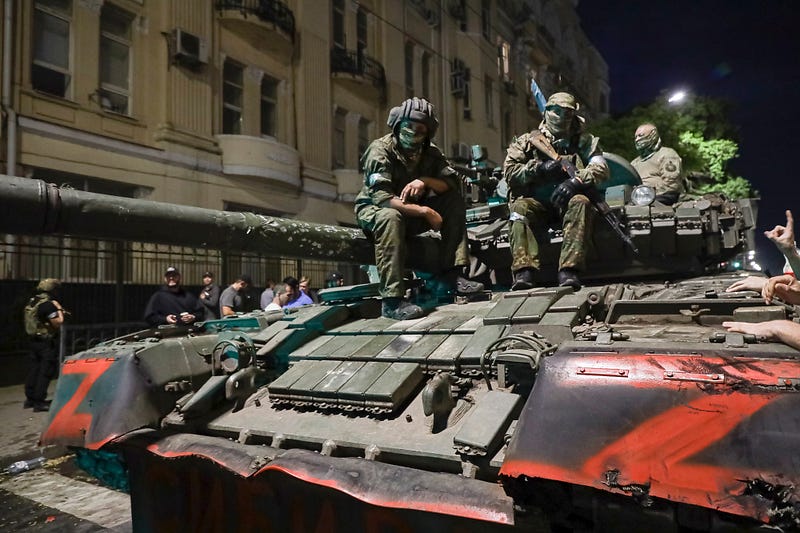
The contours of this new reality came into stark relief with last week’s temporary setback in Washington, as House Republicans stalled a $60 billion Ukraine aid package, exposing the vulnerability of Kyiv’s lifeline to the vagaries of U.S. domestic politics. Though a $300 million tranche went through days later, President Biden acknowledged it falls far short of what’s needed. Undeterred, the EU unlocked another €5 billion from its European Peace Facility to bolster military support for Ukraine and expand training of its armed forces to confront what leaders dubbed Russian “imperialist expansionism”. Europe is putting its money where its mouth is and taking the lead in standing up to Putin’s aggression.
The European Commission meanwhile earmarked €500 million to boost annual production of 155mm artillery shells to 2 million rounds by 2025 – a 20-fold increase over current dismal output. Thirty-one projects across the EU will receive funding. Scaling up production of propellants and explosives has been identified as a key priority, with over €248 million to increase capacity for manufacturing powder charges and over €124 million for explosives.
This sea change in European strategic thinking stems from a belated recognition of the existential stakes as Russia shifts to a permanent war footing against the West, dispensing with any pretense of partnership or cooperation with NATO and the EU. The Kremlin has embarked on the wholesale militarization of Russian state and society, crushing even the faintest whispers of domestic dissent. Cyber attacks, disinformation campaigns and other hybrid warfare targeting all of Europe have reached unprecedented levels in scale and sophistication while still carefully calibrated to remain below the threshold of NATO’s Article 5 mutual defense provisions.
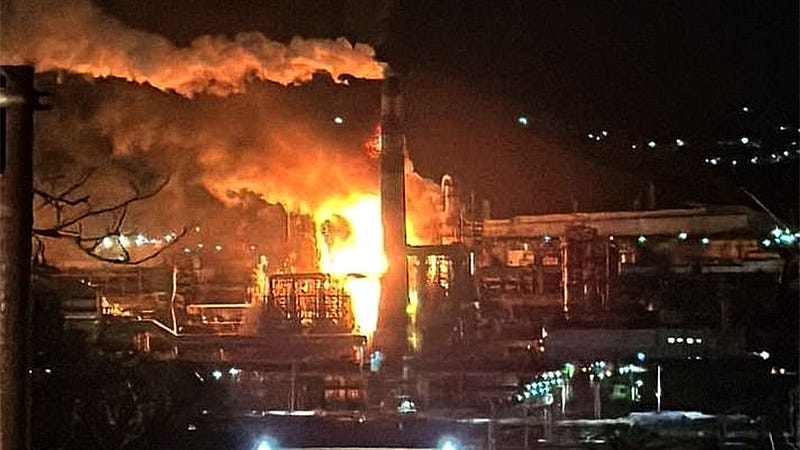
Faced with this grim reality, it’s now evident to all but the most naive or Putinverstehers that the Kremlin regime’s pivot to full-spectrum confrontation with the West is no mere posture but a deliberate strategic choice, the only means for Russia’s ailing authoritarian system to maintain its grip on power at home and realize Putin’s neo-imperial fantasies of dominating Russia’s “near abroad”. Transatlantic unity and resolve, undergirded by a shared commitment to the defense of Ukraine’s freedom and Europe’s security, remain the only viable response to this epochal challenge. As one, the allies must accelerate and sustain their support for Ukraine’s valiant resistance while urgently readying their own defenses against the grave and gathering danger that Putin’s Russia poses to Europe’s hard-won peace and the survival of the democratic world order. The costs of inaction, half-measures or disunity would be nothing short of catastrophic – a fundamental lesson Europe’s leaders, at long last, appear to have taken to heart.
In this pivotal moment, citizens on both sides of the Atlantic who cherish freedom and abhor the horror and tragedy of wars of conquest must come together in solidarity and common cause. Ukraine’s fight is the free world’s fight. Its future, and ours, will be decided not just on the battlefields of the Donbas but in the arsenals of democracy now being mobilized to halt and reverse the authoritarian tide radiating from Moscow. Each one of us has a part to play, whether by raising our voices, giving what we can to support Ukraine, or holding our leaders accountable to stay the course and see this fateful contest through to its necessary conclusion – for as long as it takes until Ukraine’s victory is won, and would-be aggressors everywhere are chastened with the sure knowledge that might shall never make right in our time.


