avatarSerhii Onkov

Free AI web copilot to create summaries, insights and extended knowledge, download it at here

2978

Abstract

arently, it was created in Soviet times. Because of human intervention in the river’s nature, the water becomes stinky and looks like green shit even in June.</p><figure id="2291"><img src="https://cdn-images-1.readmedium.com/v2/resize:fit:800/1*PQUmLGcNMYNiSn5tc_N3IQ.jpeg"><figcaption></figcaption></figure><figure id="4573"><img src="https://cdn-images-1.readmedium.com/v2/resize:fit:800/1*IKcRDYp7E4_fLFRzk4tshw.jpeg"><figcaption></figcaption></figure><p id="b298">Funny pictures of dead childhood town:</p><figure id="715b"><img src="https://cdn-images-1.readmedium.com/v2/resize:fit:800/1*plrBpebG-FiST1Cy4mx5xQ.jpeg"><figcaption></figcaption></figure><p id="8e55">Across the town, a few sculptures are dedicated to heroes of Ukrainian and foreign cartoons.</p><figure id="72a0"><img src="https://cdn-images-1.readmedium.com/v2/resize:fit:800/1*HzSqx2sQyb_uwVppoDV0iQ.jpeg"><figcaption></figcaption></figure><figure id="8872"><img src="https://cdn-images-1.readmedium.com/v2/resize:fit:800/1*FAc1KtvRdEhpxXpqdD5nVA.jpeg"><figcaption></figcaption></figure><figure id="60b5"><img src="https://cdn-images-1.readmedium.com/v2/resize:fit:800/1*LXyy2goLHqblpmS6iCaHTA.jpeg"><figcaption></figcaption></figure><p id="d12f">The Rosava village is located between Myronivka and Pustoviti. It had only one architectural monument, an old wooden church. But it burnt in 1995. So now Rosava has nothing interesting. As well, all the road was boring. Only near the destination, it was decorated by great fields of red poppies.</p><figure id="5de9"><img src="https://cdn-images-1.readmedium.com/v2/resize:fit:800/1*a00n3_depSLAITyva79e1A.jpeg"><figcaption></figcaption></figure><figure id="f5cb"><img src="https://cdn-images-1.readmedium.com/v2/resize:fit:800/1*D4LXh8ritXpjSdGFvaVi3Q.jpeg"><figcaption></figcaption></figure><p id="3686">Some had developed albinism (I don’t know, because of heat, or they just faded). A modern church in Pustovity was surrounded by poppies too.</p><figure id="919d"><img src="https://cdn-images-1.readmedium.com/v2/resize:fit:800/1*Bkk6hcDVsCek5PYkkWyh-Q.jpeg"><figcaption></figcaption></figure><figure id="5241"><img src="https://cdn-images-1.readmedium.com/v2/resize:fit:800/1*v296P3G3ZQYVGhHweWhjWQ.jpeg"><figcaption></figcaption></figure><p id="bfb0">And I went to a field off the village center and finally saw my target there.</p><figure id="fa28"><img src="https://cdn-images-1.readmedium.com/v2/resize:fit:800/1*7yHVm-pumuN302Li8uwqZA.jpeg"><figcaption></figcaption></figure><p id="9905">A wealthy peasant Kuzma Dryha lived in Pustovity a century ago. He had been working some time in the Netherlands. Having returned with invaluable experience, he began to build a windmill similar to what he had seen in foreign parts. Its exterior looks precisely like Dutch mills, but Kuzma didn’t have their sketches, of course, so all design he did by himself, maybe with other local masters. It’s worth reminding about such facts when somebody would tell yo

Options

u that all peasants were dull dimwitted yokels.</p><p id="c009">The peasants finished the construction in 1902. Kuzma had three mills, and only this one (the greatest) survived to our days. This extraordinary man died in 1926; later, his family was repressed by bolshevik offenders.</p><figure id="932b"><img src="https://cdn-images-1.readmedium.com/v2/resize:fit:800/1*Hj2qwH3j32jDiKfplYY0aQ.jpeg"><figcaption></figcaption></figure><p id="43f3">In 2017, the windmill was reconstructed. A local agriculture enterprise gave money for it, and Pustovity residents supported this process too. It characterizes this village on the good side, compared with other settlements losing their monuments and highlights right now.</p><p id="aa78">The other feature of this mill is that its head can spin so that blades can follow the wind. Now they are motionless because the mill works because of an electric motor. All are still in working conditions, and all stuffing inside is authentic. But it’s impossible to get into without prior agreement of I don’t know who.</p><figure id="39c1"><img src="https://cdn-images-1.readmedium.com/v2/resize:fit:800/1*A0AxJWH1dNcczPDFijsKfw.jpeg"><figcaption></figcaption></figure><p id="f1af">So it remained to look at it from the outside, literally from all sides: free space around permits it. Because what else to do there?</p><figure id="f0c0"><img src="https://cdn-images-1.readmedium.com/v2/resize:fit:800/1*4QJNKUN8BMEapoekhxEGnA.jpeg"><figcaption></figcaption></figure><p id="2646">In fact, it turned out that there is one more old watermill I didn’t know about then. Also, a local craftsman Andrii Hulenko created an electric mill in his yard (but it doesn’t have blades, so there’s nothing to look at). But such a collection of mills in one single village is unique.</p><figure id="1af6"><img src="https://cdn-images-1.readmedium.com/v2/resize:fit:800/1*GGeAIx9he46ZyFuCGDkkDw.jpeg"><figcaption></figcaption></figure><figure id="84b8"><img src="https://cdn-images-1.readmedium.com/v2/resize:fit:800/1*qNY_xjIkNcNccqj_uJf6bQ.jpeg"><figcaption></figcaption></figure><p id="3dee">One more view I took while returning.</p><figure id="6168"><img src="https://cdn-images-1.readmedium.com/v2/resize:fit:800/1*23aJIOms-A4TuIH7XjTXhw.jpeg"><figcaption></figcaption></figure><p id="7360">An old rusty water tower is located near the windmill. It’s logical to use it as a viewpoint. I tried to climb on it, but the stairs seemed too precarious. But later, another guy still climbed up. In the end, I met him and other tourists I had seen that day on a regional train to Kyiv. And it’s not surprising as all roads lead to the capital city.</p><figure id="7a71"><img src="https://cdn-images-1.readmedium.com/v2/resize:fit:800/1*mpTxDuTYYJ78fDeBS3NgPQ.jpeg"><figcaption></figcaption></figure><figure id="5f23"><img src="https://cdn-images-1.readmedium.com/v2/resize:fit:800/1*Fzi4zqWWxc5RBkrV966g5Q.jpeg"><figcaption></figcaption></figure></article></body>

Pustovity. All for the Sake of Windmill

A piece of Holland near Ukraine’s capital city
All photos by the author

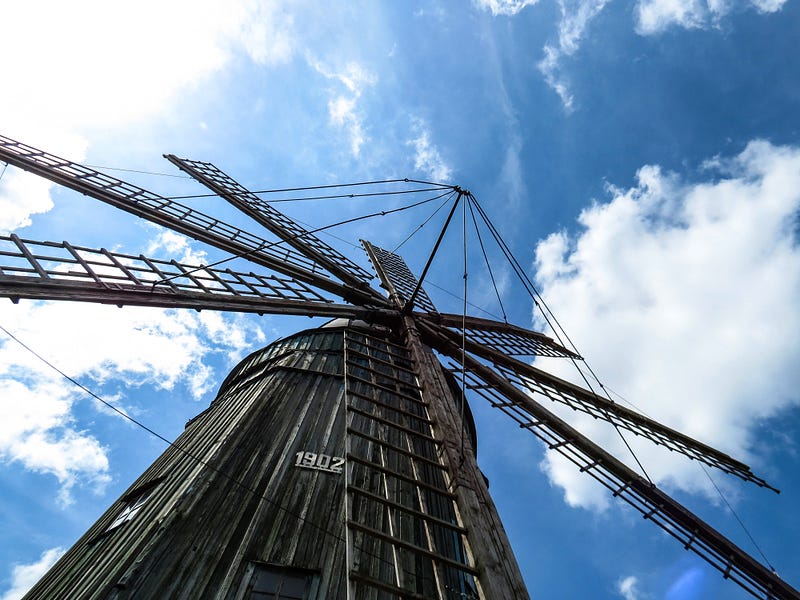
This location is unique enough for Ukraine, and I have had it on my wish list for a long time. Eventually, I stopped here while returning home from one of my longer trips in June 2021. And now I am happy I did.

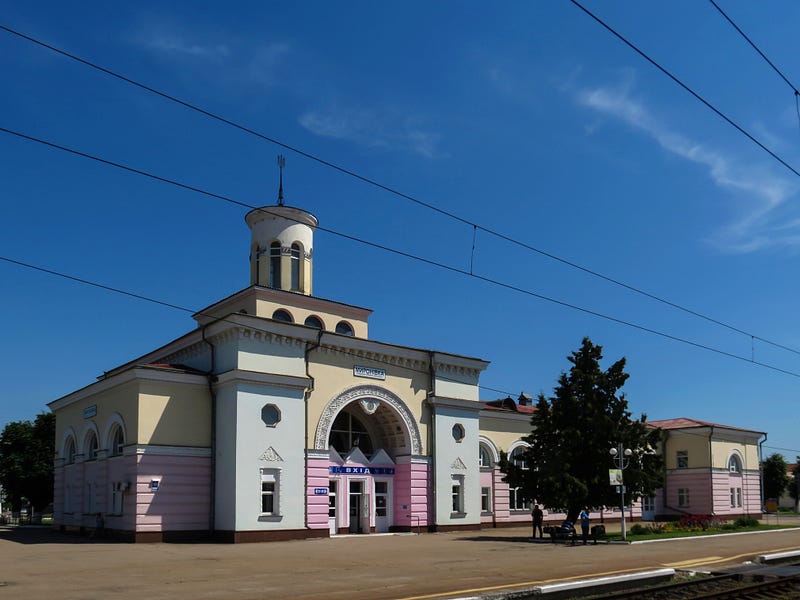
This is about a “Dutch” windmill in Pustovity village, south of Kyiv Region, 107 km from the capital city. First, I had to arrive in Myronivka, where I left a train to get to the village. This town is a local railroad hub. As is typical for such towns, I’d never see it if not for this trip. Logically, the main building in Myronivka is a railway station. It’s a typical architecture project post-WWII, but it’s still nice.
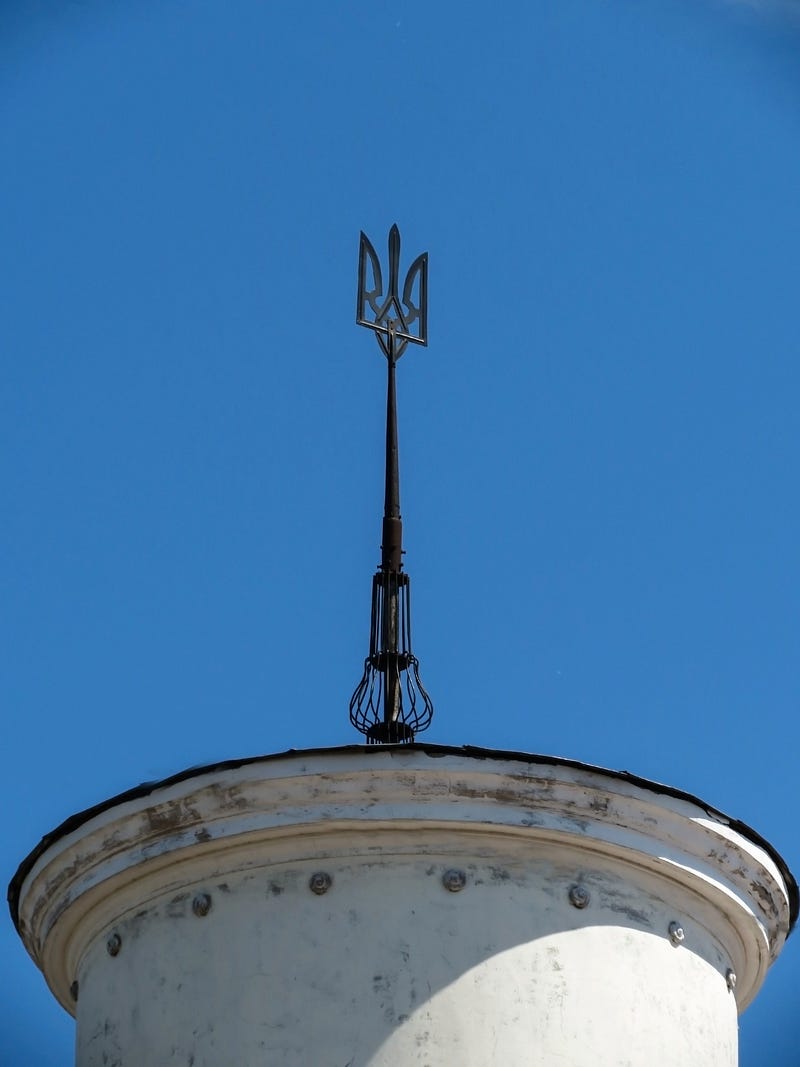
I went to my destination on foot because I hadn’t found a bus (but it exists, I met one almost before arriving at the village). The road is about 11 kilometers one way. It also threads almost all Myronivka so that I could see it incidentally. Two local churches:
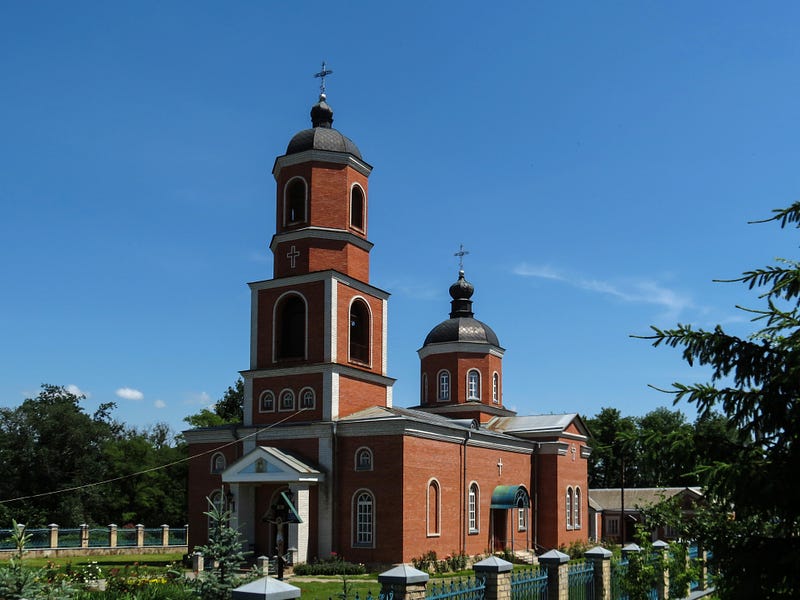
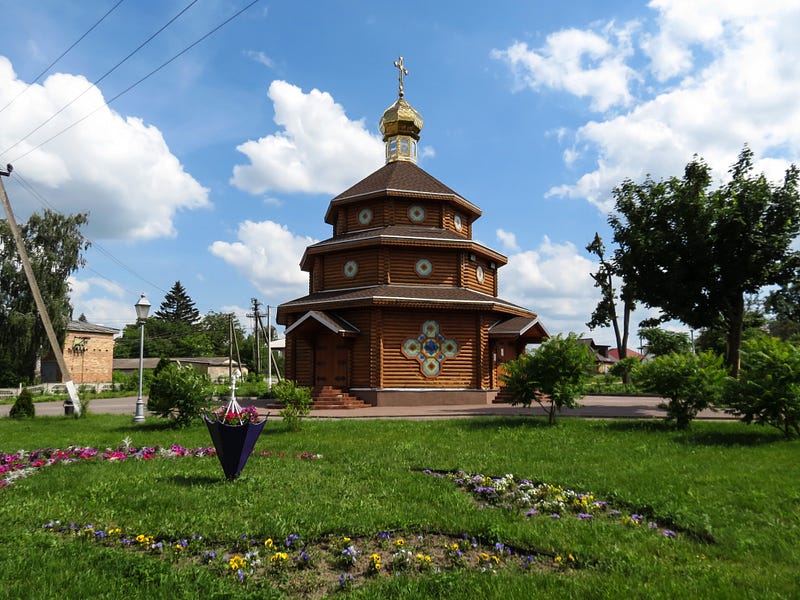
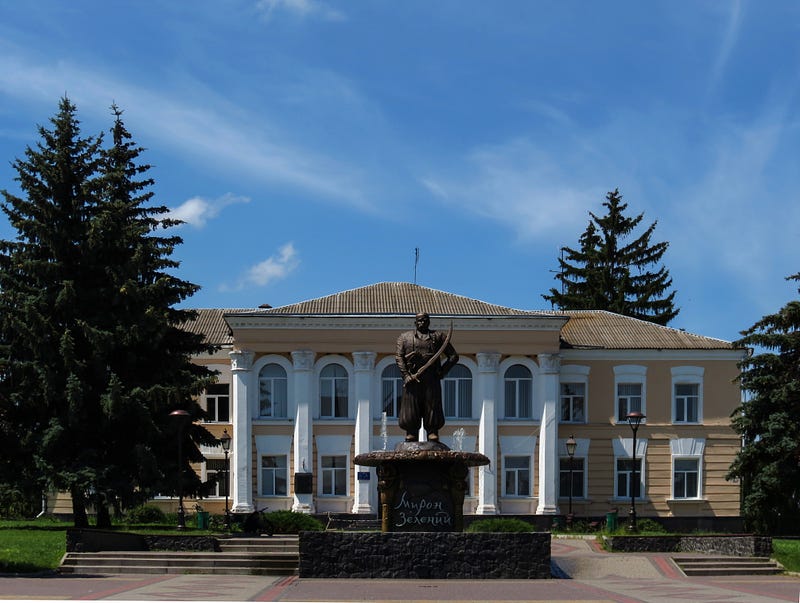
The town doesn’t have any official architectural monuments. But I’d give this status to the railway station or a school of arts on the snapshot below. A sculpture in front of it is dedicated to Myron Zelenyi. He was a cossack who lived in the XVII century; the settlement around his farmstead got the name in honor of him. Myronivka got the town status only in 1968; its population is about 12000 nowadays. And a second sculpture that I didn’t recognize.
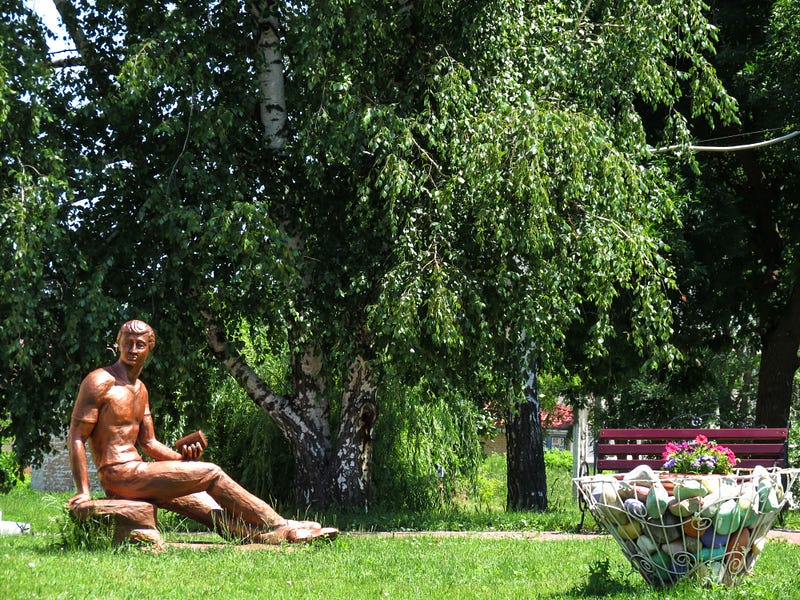
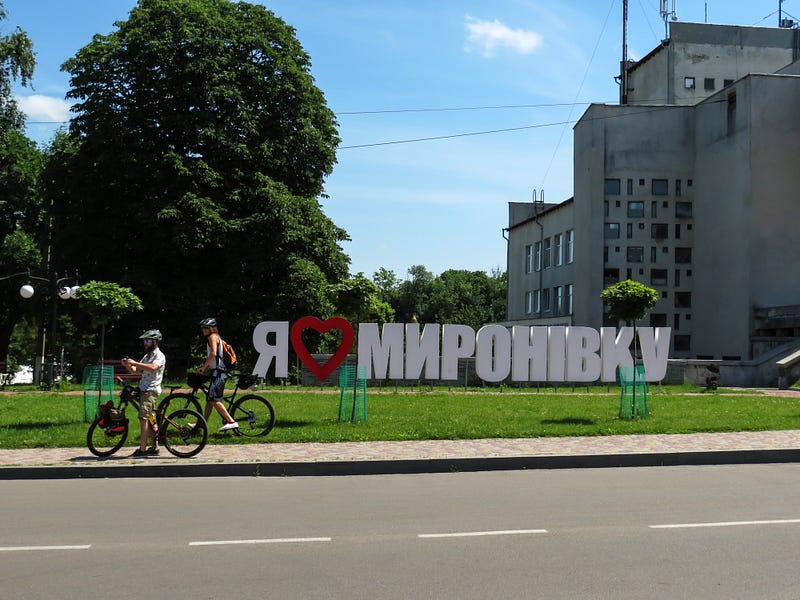
It was unexpected to see other tourists in such a little-known town.
Myronivka stands on the Rosava river. In the town borders, there is a pond on it with an abandoned children’s playground. Apparently, it was created in Soviet times. Because of human intervention in the river’s nature, the water becomes stinky and looks like green shit even in June.
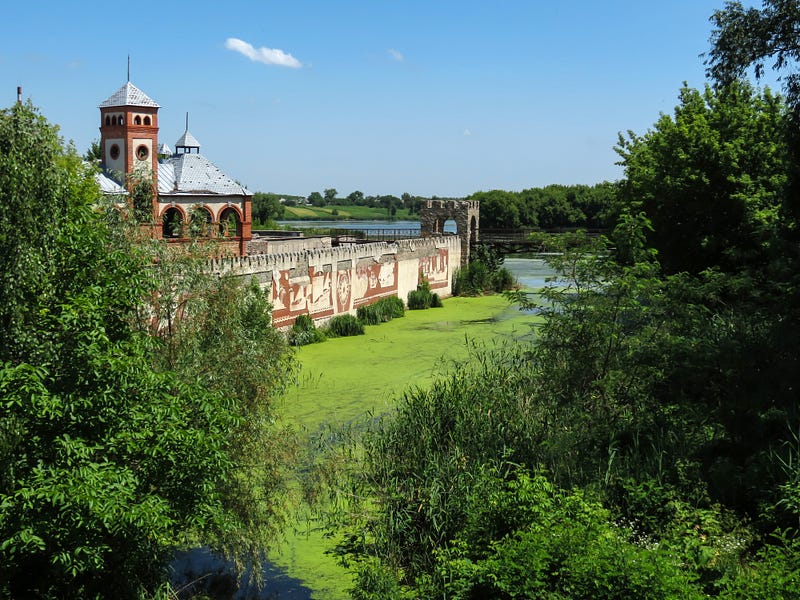
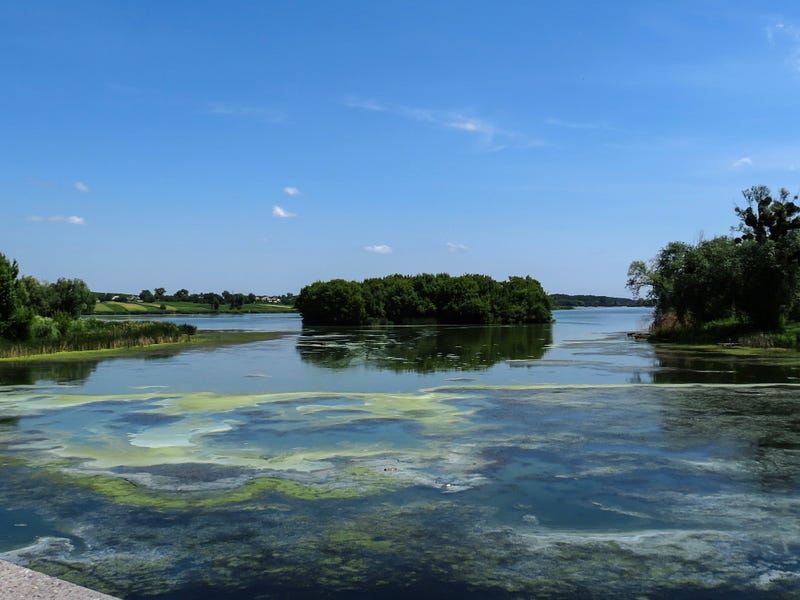
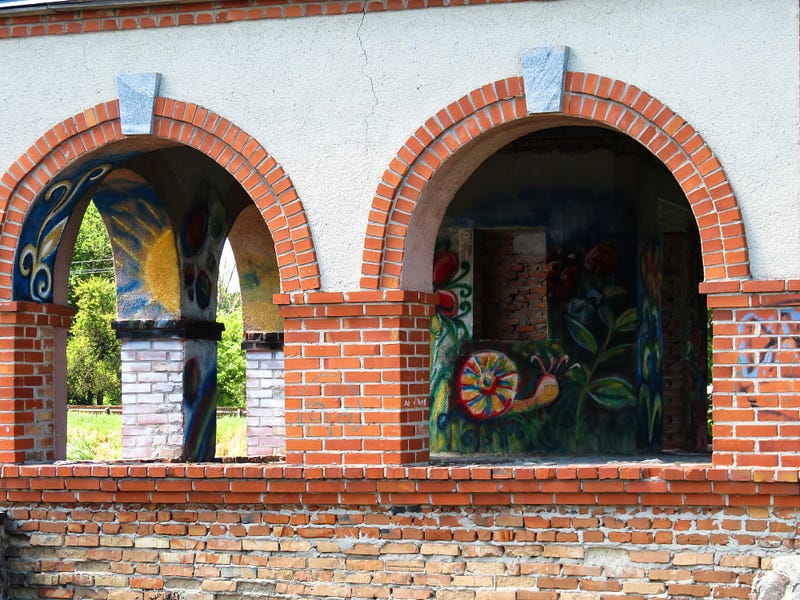
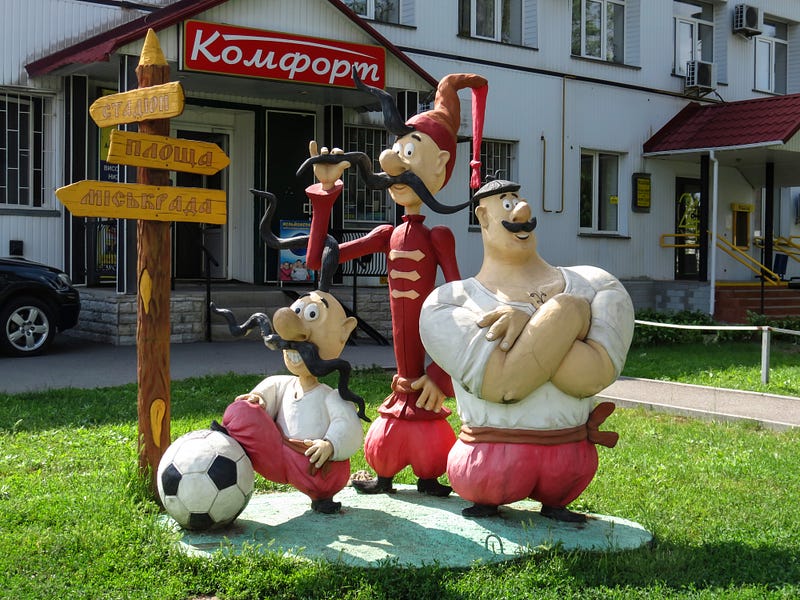
Funny pictures of dead childhood town:
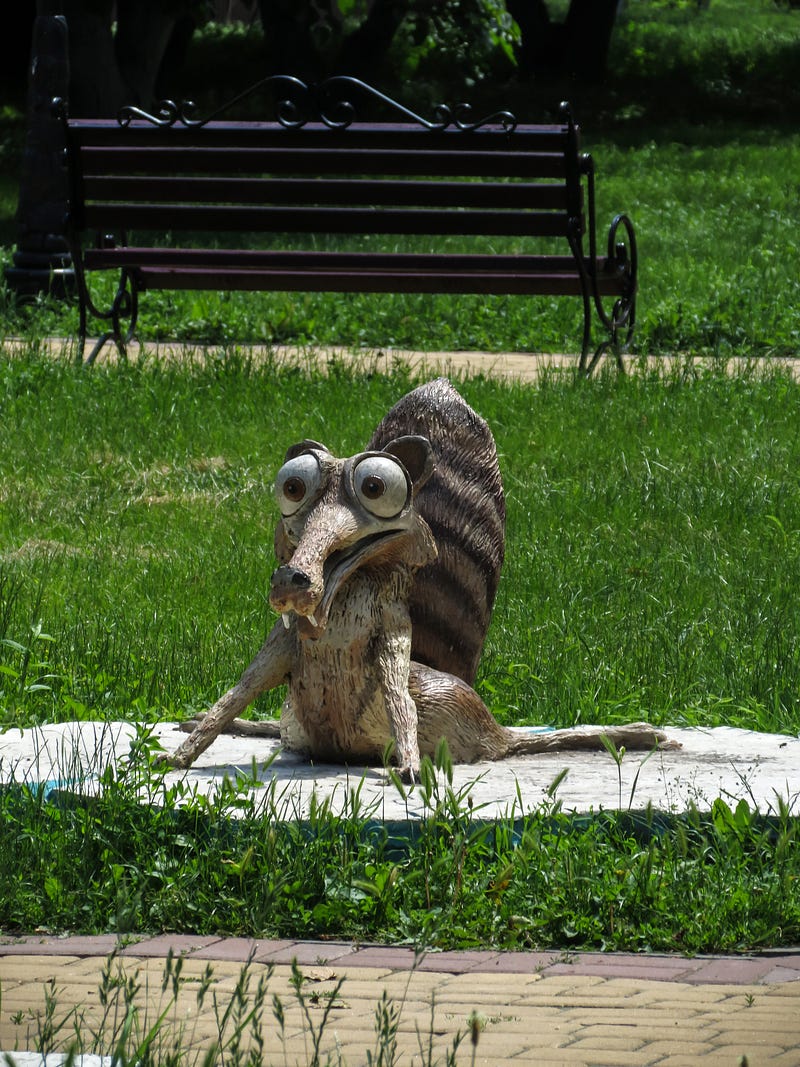
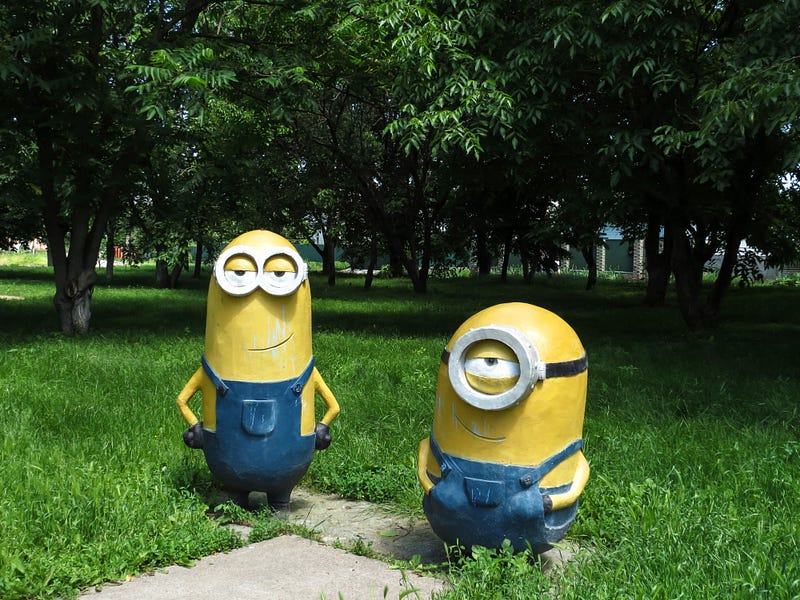
Across the town, a few sculptures are dedicated to heroes of Ukrainian and foreign cartoons.
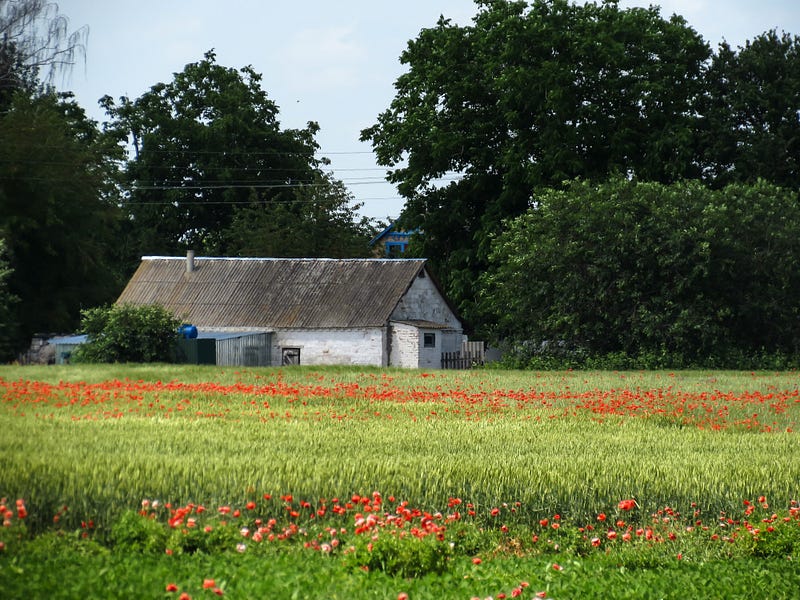
The Rosava village is located between Myronivka and Pustoviti. It had only one architectural monument, an old wooden church. But it burnt in 1995. So now Rosava has nothing interesting. As well, all the road was boring. Only near the destination, it was decorated by great fields of red poppies.
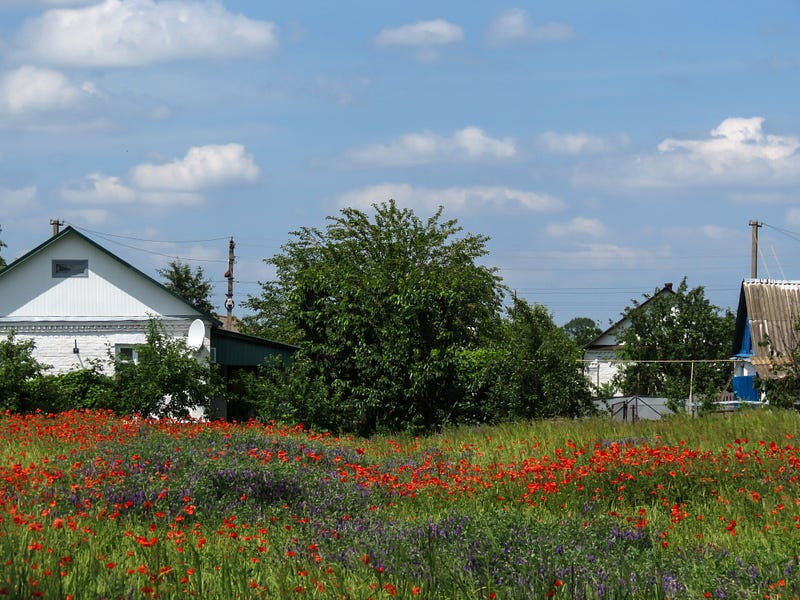
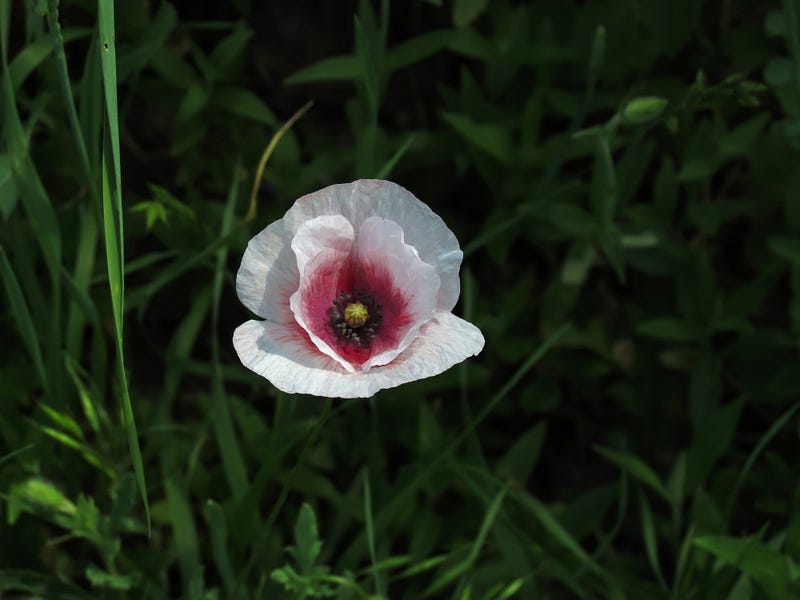
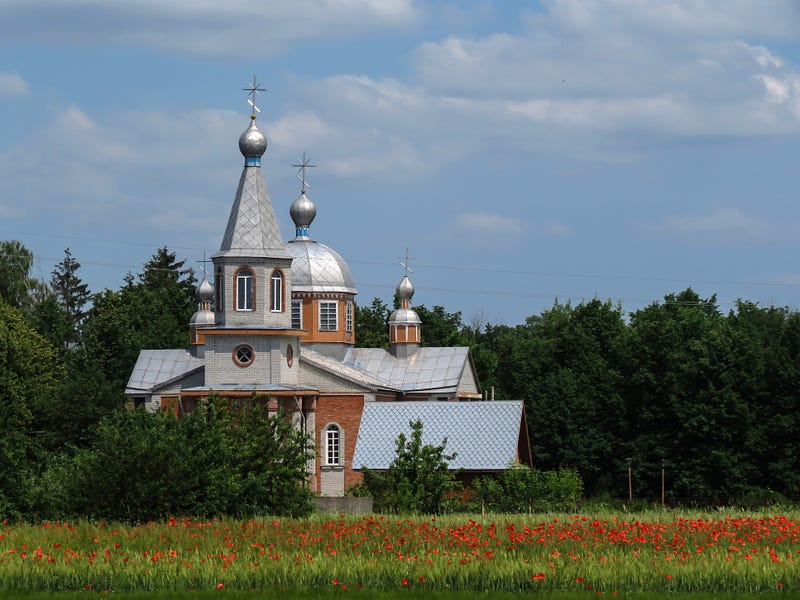
Some had developed albinism (I don’t know, because of heat, or they just faded). A modern church in Pustovity was surrounded by poppies too.
And I went to a field off the village center and finally saw my target there.
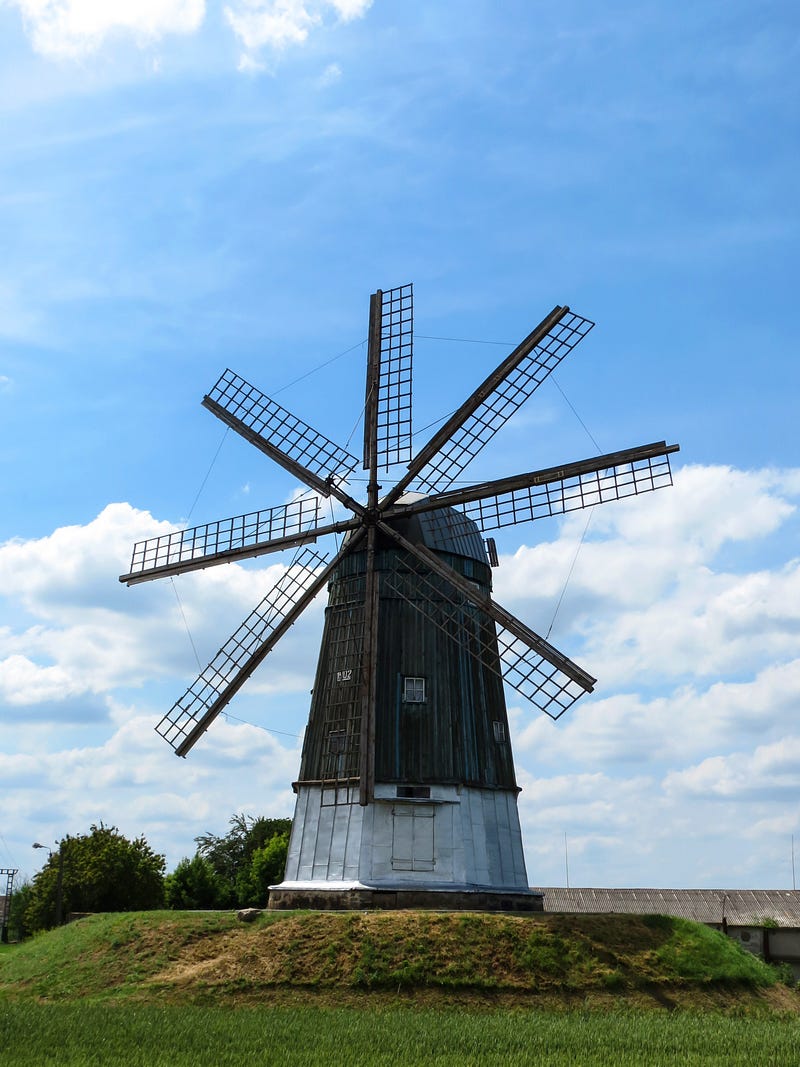
A wealthy peasant Kuzma Dryha lived in Pustovity a century ago. He had been working some time in the Netherlands. Having returned with invaluable experience, he began to build a windmill similar to what he had seen in foreign parts. Its exterior looks precisely like Dutch mills, but Kuzma didn’t have their sketches, of course, so all design he did by himself, maybe with other local masters. It’s worth reminding about such facts when somebody would tell you that all peasants were dull dimwitted yokels.

The peasants finished the construction in 1902. Kuzma had three mills, and only this one (the greatest) survived to our days. This extraordinary man died in 1926; later, his family was repressed by bolshevik offenders.
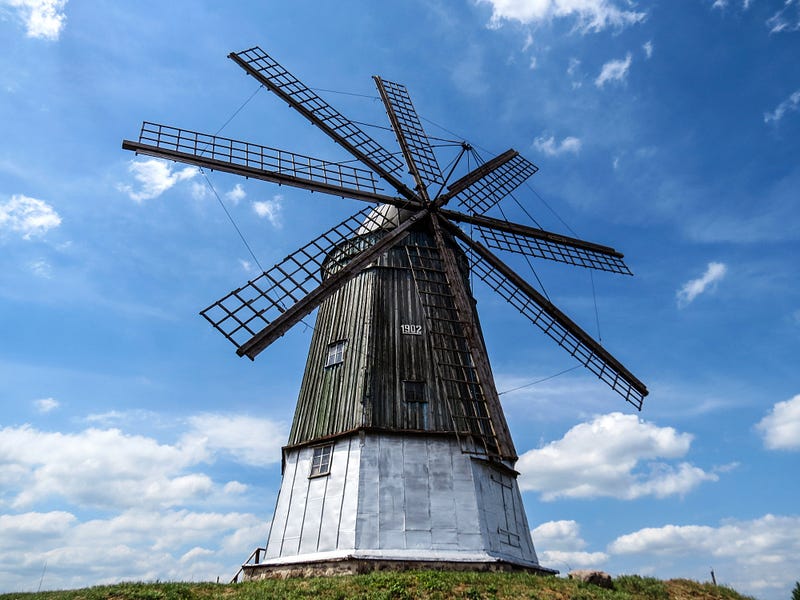
In 2017, the windmill was reconstructed. A local agriculture enterprise gave money for it, and Pustovity residents supported this process too. It characterizes this village on the good side, compared with other settlements losing their monuments and highlights right now.

The other feature of this mill is that its head can spin so that blades can follow the wind. Now they are motionless because the mill works because of an electric motor. All are still in working conditions, and all stuffing inside is authentic. But it’s impossible to get into without prior agreement of I don’t know who.
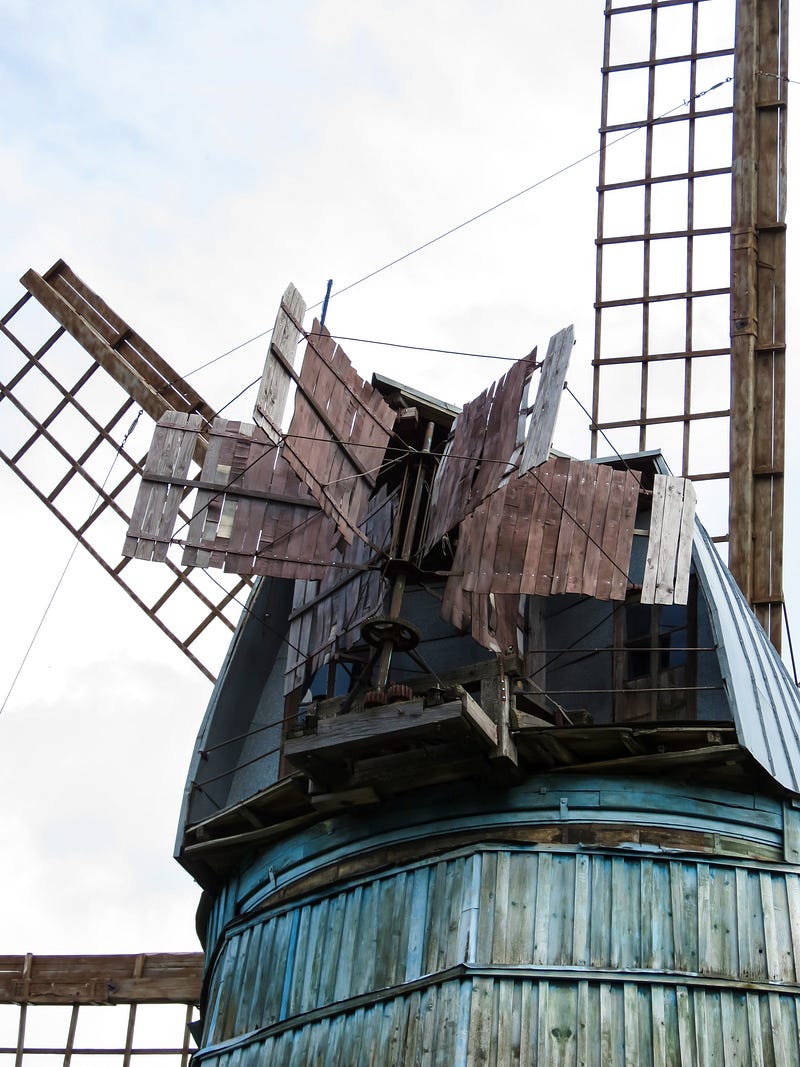
So it remained to look at it from the outside, literally from all sides: free space around permits it. Because what else to do there?
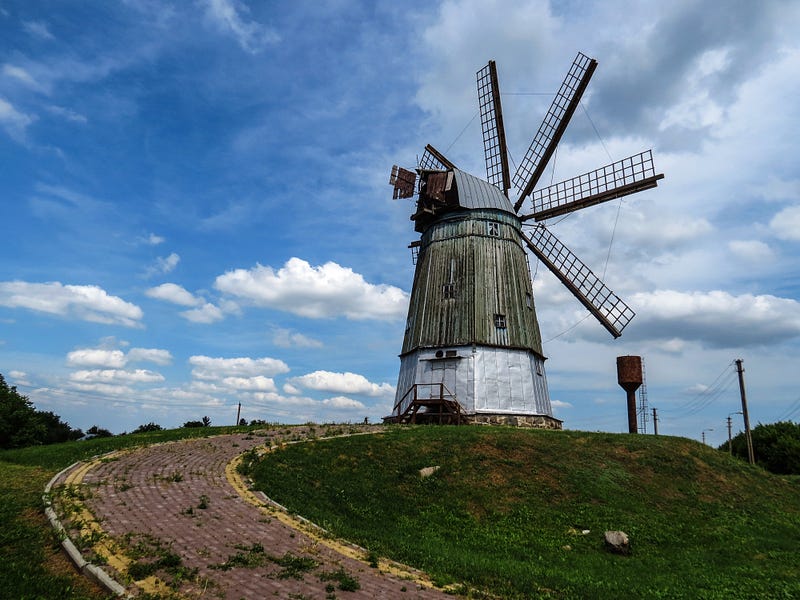
In fact, it turned out that there is one more old watermill I didn’t know about then. Also, a local craftsman Andrii Hulenko created an electric mill in his yard (but it doesn’t have blades, so there’s nothing to look at). But such a collection of mills in one single village is unique.
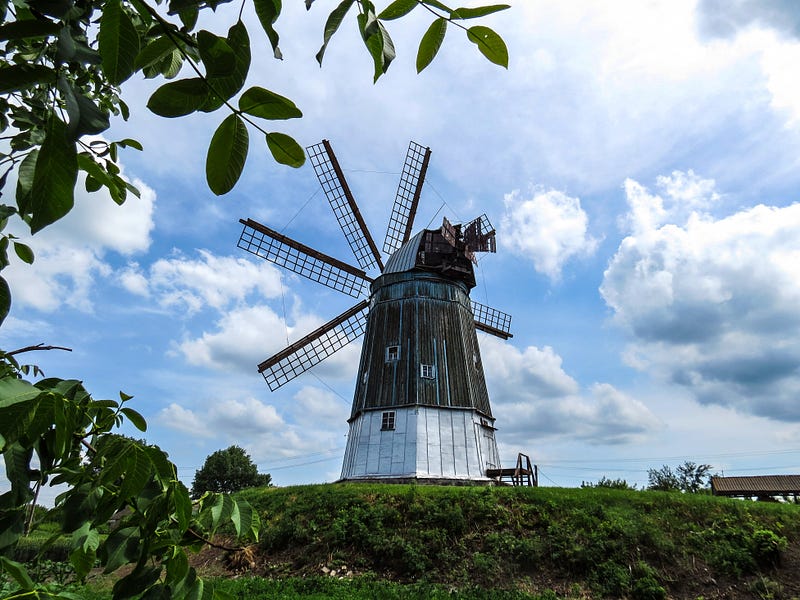
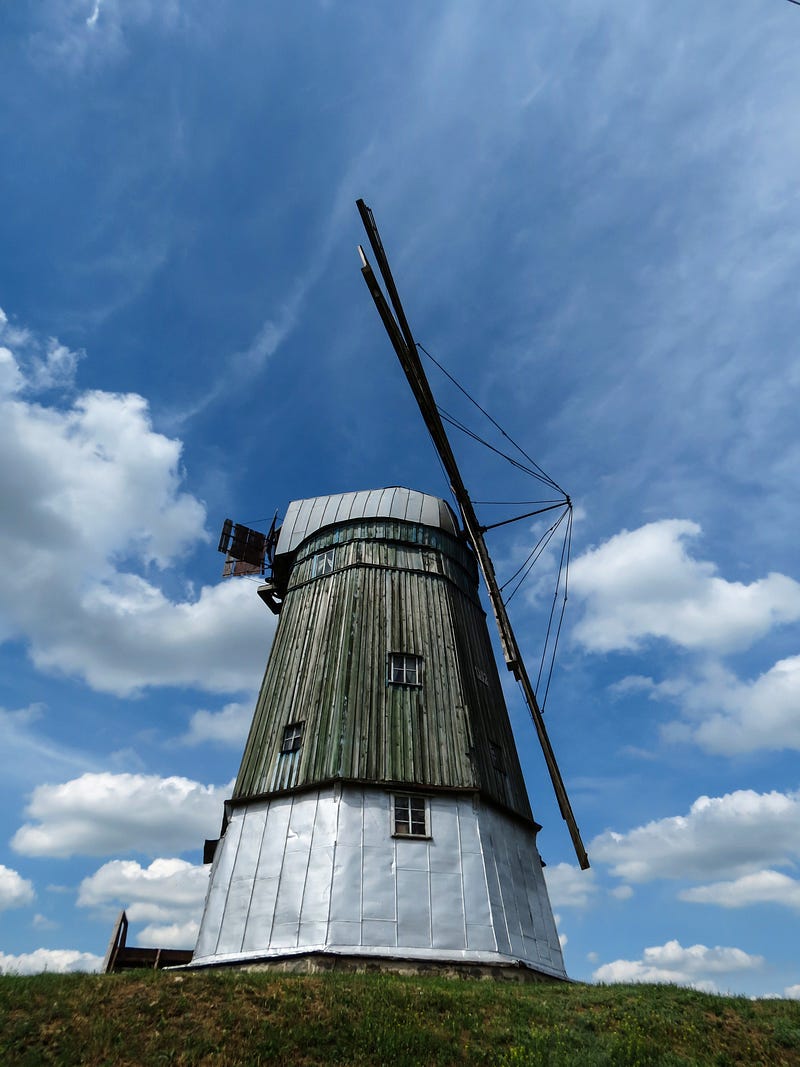
One more view I took while returning.
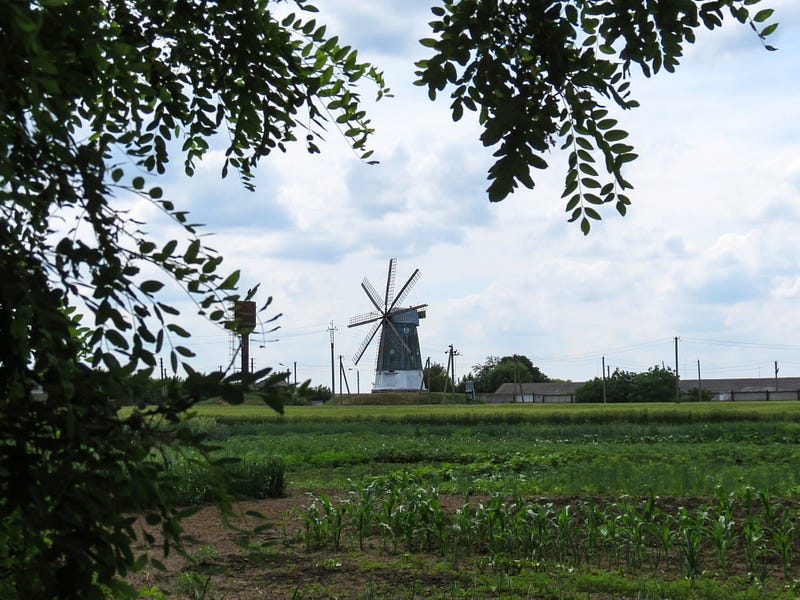
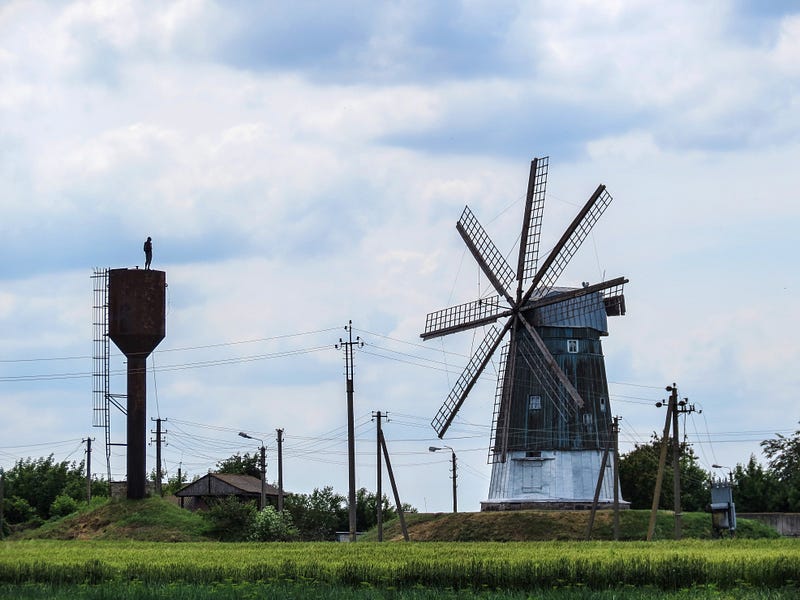
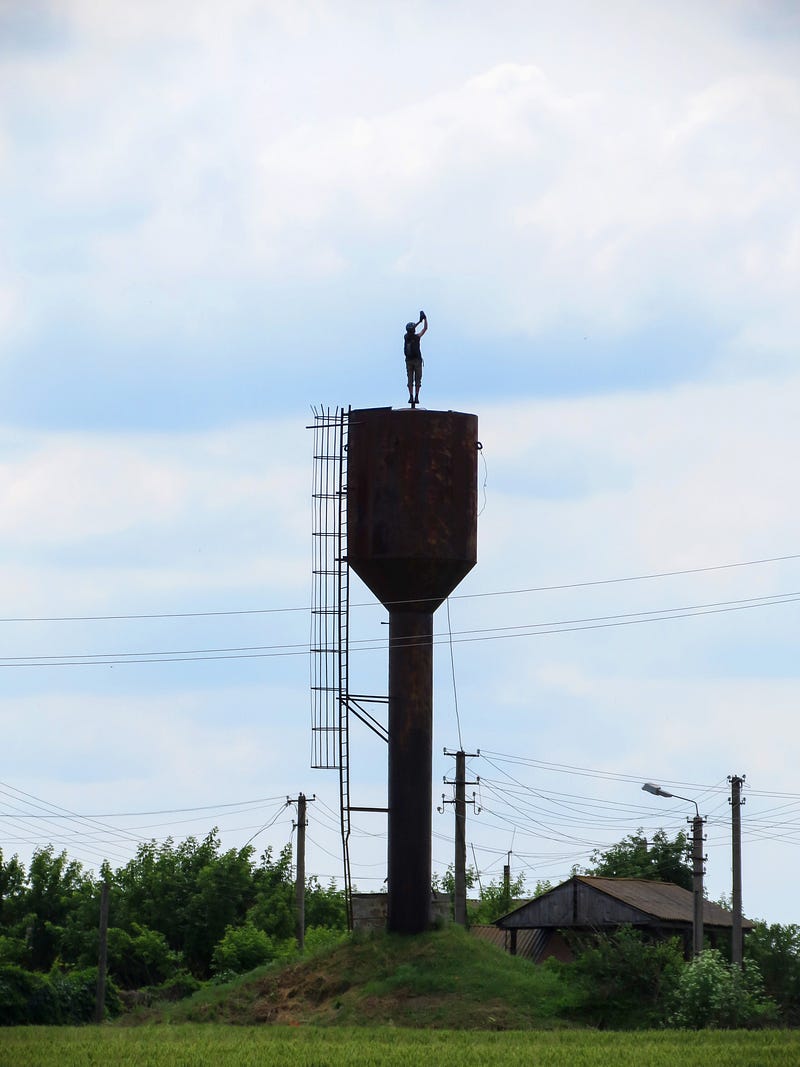
An old rusty water tower is located near the windmill. It’s logical to use it as a viewpoint. I tried to climb on it, but the stairs seemed too precarious. But later, another guy still climbed up. In the end, I met him and other tourists I had seen that day on a regional train to Kyiv. And it’s not surprising as all roads lead to the capital city.
Ukraine
Photography
Architecture
Travel
Mill
Recommended from ReadMedium