
Animal Behaviour
Puppy Nipping & Chewing
Bite Inhibition: Teaching your dog to have a gentle mouth
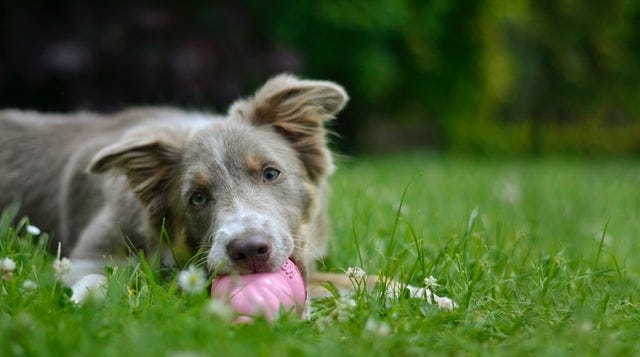
It is very important to remember that all puppies need to be able to bite and chew so they learn about the strength and power of their jaws and teeth and, most importantly, learn how to control them.
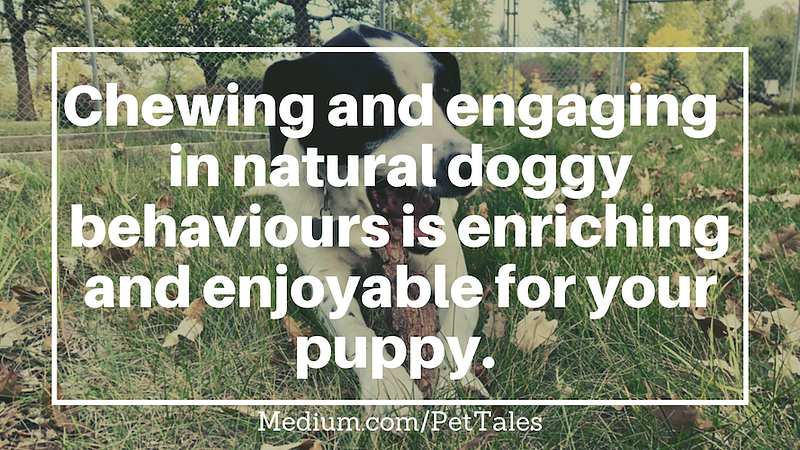
It is very important that they have safe and appropriate outlets, such as chew toys, for the very normal mouthing and chewing behaviours. Chewing and performing natural doggy behaviours is enriching and enjoyable for them.
Lesson #1 in Puppyhood: No Painful Bites
If you’re playing with puppy and he hurts you, say “ ouch!” or make a subtle yelp sound and stop playing for a moment, keeping your body still and removing your attention from puppy (but keeping him in the corner of your eye so you can observe his reaction).
Most puppies will stop what they’re doing and look at you, and if he does this, praise him and resume playing with an appropriate toy. Sometimes yelping excites the puppy, in which case it will be more effective to just stop playing briefly and redirect to a toy, without using any verbal indicators.
If during play puppy gets carried away, leave the room for a moment: just 3–5 seconds at first, and then increase to 5–10 seconds if the nipping behaviours continue when you return. Your puppy will learn that if he bites the fun play time stops, and he will start to learn to better control his mouth.
The best set up for this is to play near a door, baby gate, or X-Pen so you can stand up and leave puppy on the other side of the baby gate for a brief moment. The quicker you can leave, the better your puppy will be able to make the connection between nipping and the “time out” (pause in play). Remember that puppies have short attention spans and even shorter memories.

Remember: ALL puppies nip, this is very normal in puppy development, and a necessary part of their social and physical development. They will grow out of this phase with patience and consistent redirection.
Puppies also start to lose those very sharp teeth around three months of age, so the mouthing behaviours will be less painful, provided your puppy is learning bite inhibition through socialization and play before then.
If your puppy gets over-stimulated and follows biting at your feet, or otherwise continues nipping, leave the room out of his sight for 10–12 seconds. Return and resume playing, but get up and leave briefly again if he resumes biting. Very short mini “ time-out s” and an opportunity to try again help the puppy learn that the person leaving is a direct result of his behaviour.
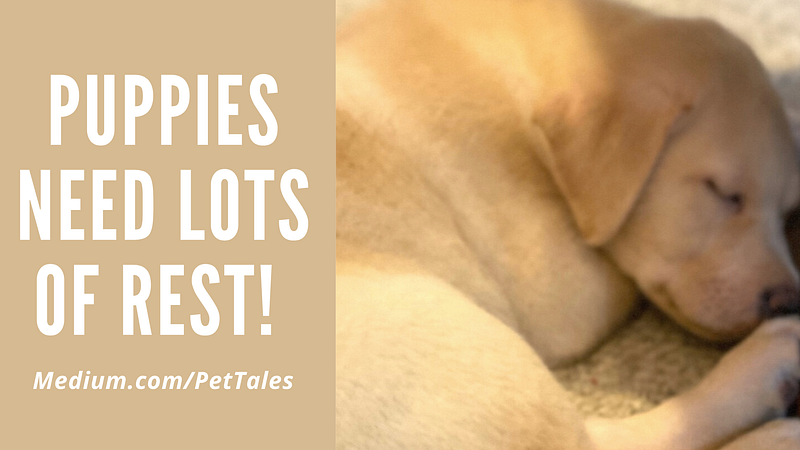
It’s also totally okay for the human(s) to need and take a “ time out” from puppy as well. Provide a safe space, such as an X-Pen, for puppy to hang out in while the humans are not supervising. When you need a break from your puppy, this can help puppy learn to entertain himself and gives puppy some needed downtime too. Don’t forget, puppies need a lot of sleep and rest, they are growing little pooches!
Lesson #2 in Puppyhood: Appropriate Items
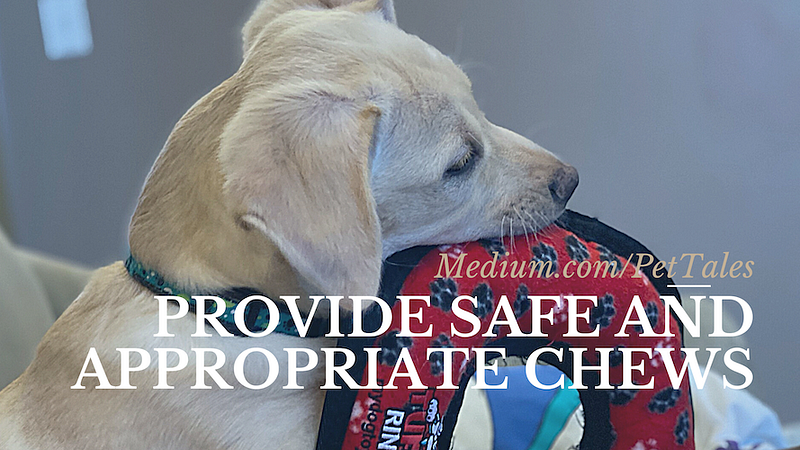
If puppy is using your arm or leg as a chew toy, getting up and leaving is still an option. Another option is to (after you’ve removed puppy from your appendage!) offer an appropriate item for chewing. This can be a rope toy, squeaky toy, Kong, etc. We have a blog post all about stuffing and preparing Kongs for puppies and dogs of all ages to enjoy. We also have another called “Boredom Busters” for further ideas for keeping your pets entertained at home.
Puppies need options for doing the right thing so that they know what they can and cannot chew on. When puppy makes the right choice, celebrate! Praise him, play with him, show him that chewing on the toy will allow fun and play to happen.
Important: Do Not “Bite” Back
Although it can be tempting to punish puppy for this behaviour (those sharp puppy teeth hurt!), this can cause one of two problems: either your puppy becomes afraid of you, or puppy thinks you’re playing rough and comes back biting even harder.
Puppies need opportunities to learn that their nipping hurts and that people won’t play with them if they bite. Puppies need opportunities to play using their mouths so they can learn to use them softly without hurting others.
Puppies also need to develop a trust and bond with their family, and if they become fearful, they may develop aggression issues as a result of feeling the need to defend themselves. Puppies are not trying to hurt us intentionally, they have poor impulse control and a poor sense of the strength of their mouths, so it’s up to us to teach them what is acceptable.
Aggression begets aggression: if we are rough with our puppies, they are more likely to be rough with us. While it certainly can be very enjoyable to wrestle and play tug with our puppies, it’s important to set boundaries for these activities and be consistent in maintaining those rules during play time, and to give puppies breaks to settle when they get overly excited.
Whether or not you have any behavioural concerns, we highly recommend ALL puppies attend a positive, well-run puppy socialization class. Puppies have a short window, called a critical period, for socialization (Miklosi, 2008). A good puppy class will help your puppy create positive associations with as many things in their world as possible.
References
Miklosi, A. (2008). Dog Behaviour, Evolution, and Cognition. 1st ed. Oxford University Press.
Originally published at http://pawsitivepooch.blogspot.com on April 6, 2016.