
Punk’s Not Dead, but Our Music Clubs Are Dying
Cultural erosion, closing down clubs, and crowding out of subcultures is not just Covid’s fault — it’s been a long time coming.
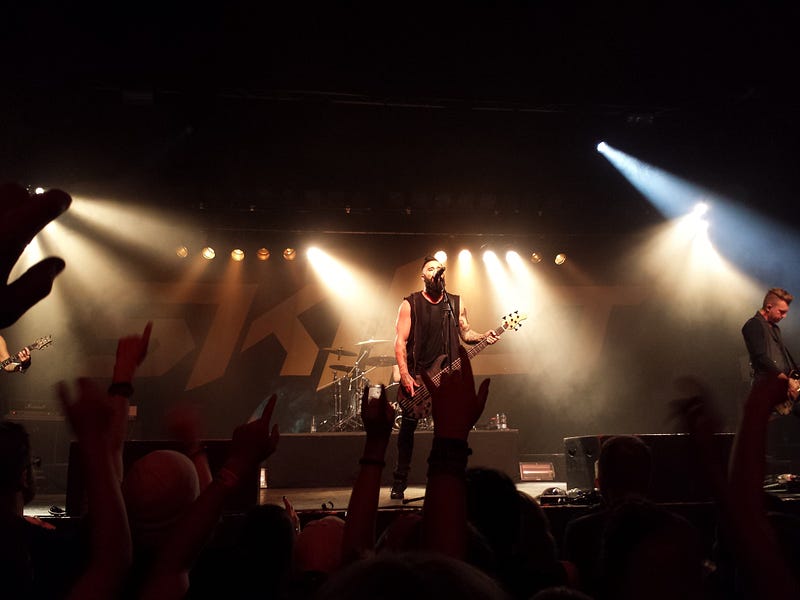
Music was my first love, and a good night out always involved some great live tunes. My buddies felt the same, and being part of subcultures, our tastes were specific: We were addicted to punk rock, oi punk, ska, hardcore, and metal. Over the years, weekend nights were spent in a handful of small live music venues in a 100-kilometer radius around our hometown.
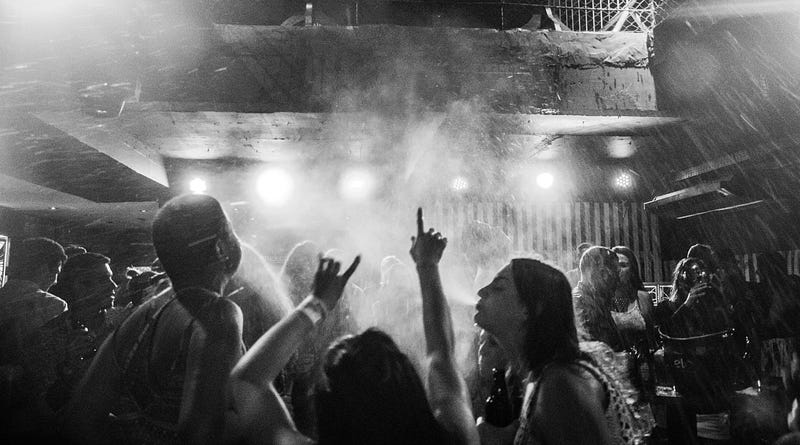
Small clubs became our second living rooms, but with more freedom: We had some drinks, shared insider jokes with the bartender, observed the mixing desk guru. We danced like mad men and women under strobe lights. We met like-minded people, tied friendships for life, snogged in dark corners, cheered on our favorite bands. Those were the best times, and miss them dearly.
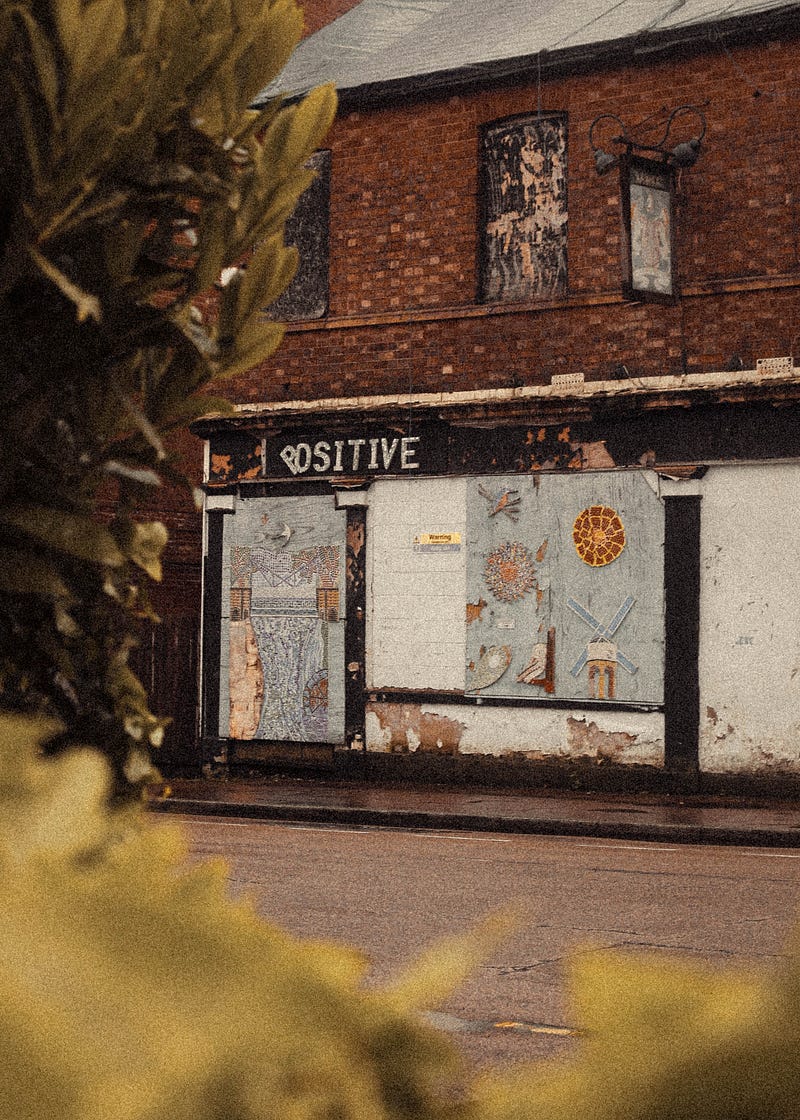
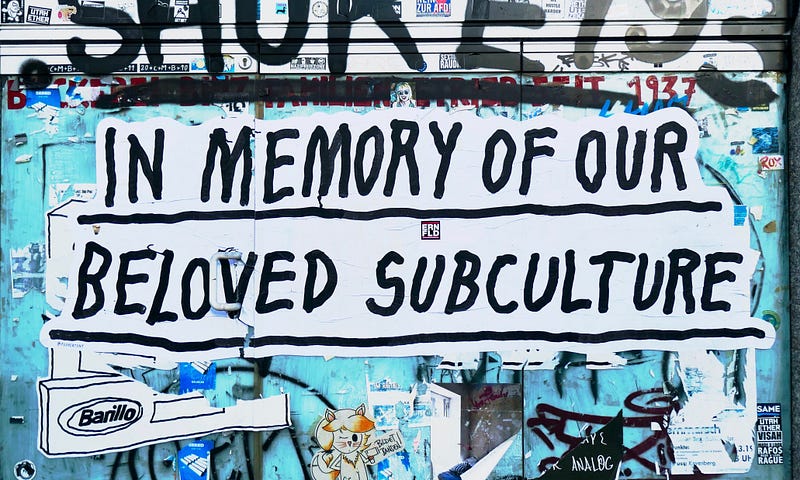
Because today feels different. Strolling around in neighborhoods formerly known for great nightlife and handmade live music, ranging from punk to electronica, I am walking by many club doors that have closed for good. Sad graffiti sprayed on the walls mourn what once has been.
In this text, I am debating why club culture has such a hard time now and show examples from Germany and the UK. I am looking for underlying causes of clubs dying across Europe and ponder about possible solutions.
A vibrant music scene is part of every town’s culture and would be sorely missed once it’s been eradicated. So let's stop this before it’s too late.
Many club pearls shut their doors forever.
A punk kid at heart, my adolescence years were spent in a rural area in Eastern Germany, with the aforementioned weekend road trips to visit “our” clubs. Later I moved to Berlin and Hamburg, where the nightlife was real and during the week.
For many years now, hubby and I have been self-employed with our own online business and could travel frequently while taking our jobs with us. We lived in Portugal (between Lisbon and Porto) for a while and fell in love with the United Kingdom — the origin of punk music.
Today, many beloved clubs are not existing anymore. A fact that‘s also noticeable online: Frequently, I stumble over websites wearing virtual spider webs — because places have already shut down. The message is loud and clear: You should have been here ages ago, it was epic. Sadly, now we are done.
Germany — Dying of the Clubs
Berlin, Germany’s capital with intercultural flair and a self-proclaimed startup haven, is world-famous for its vibrant club culture. No matter what taste in music (or personal kink) you have, Berlin’s got you covered. At least it was like that in the past.
Lately, Hauptstadt artists coined the term Clubsterben (“dying of live clubs” in German) — since more and more venues have been closing down permanently.
An interactive map shows that over 80 Berlin clubs are not existing anymore — other sources are speaking of 100 now — which is a lot, considering that the city has about 280 clubs in total. Unfortunately, more shut downs can be expected.
The “club obituary” is a project supported by Berlin’s Clubcommission, an association founded to preserve and develop the club scene. They connect and represent the city’s music industry, especially in state and national organs. Still, clubs are being pushed out by booming property investment. Recently, thousands of people have been protesting by dancing on the streets. They demanded the protection of spaces for music venues and unconventional culture.
Struggling and, finally, vanishing clubs are not only an issue in the German capital, though. Other cities like Hamburg and Cologne are also affected (there’s a red list of endangered clubs), and so are smaller towns. The latter only offer sparse options to go out and enjoy music anyway, so every closed-down club is sorely missed here.
United Kingdom — Nightlife as a burden?
According to Night Time Industry Association (NTIA), about 30% of all clubs in the United Kingdom have closed down since 2020. Yes, that’s about 1 in 3 clubs. Surprisingly, the study found that not the Covid-19 pandemic but the cost of living crisis was cited as the major reason.
The Daily Mail warned and speculated that clubs will be wiped out completely until 2030 if this closing pace continues without countermeasures.
“We need to please a lot of different authorities, from police, council, the local community, the residents, the customers, the agents, the management — so many different bodies and they are all pulling in a different direction. It’s a constant battle. (…) We were hoping for a big comeback of having fun, of parties, of bringing back our businesses to pay back our big loans that we were taking during COVID, we thought ‘this is our time’ and the economy [has] again gone.” (E1 nightclub founder, Sky News)
NTIA is even claiming the UK, unlike other European countries, regards the nightlife sector as a burden, despite earning billions of pounds per year and creating many jobs. Allegedly, the British government is intentionally closing down smaller venues; but also bigger clubs (like Printworks, voted 2nd best club in the world) are affected. However, it also has to be noted that over 25% of Brits wouldn’t mind if nightclubs stayed closed.
The downfall of club culture: The system as a culprit?
When a small music club has to admit defeat, it usually dies a slow and painful death. Some live music clubs dear to my heart tried crowdfunding, for example, to stay afloat. There were merchandise initiatives (buy a shirt to support your local club) and charity rallies. But collecting money from selling textiles, coffee, and cake can only do so much.
In the end, there are many reasons why live music clubs dropped like flies. Sure, the Covid-19 pandemic was difficult. But if you ask experts, they talk about structural and systemic problems that existed even before.
Gentrification
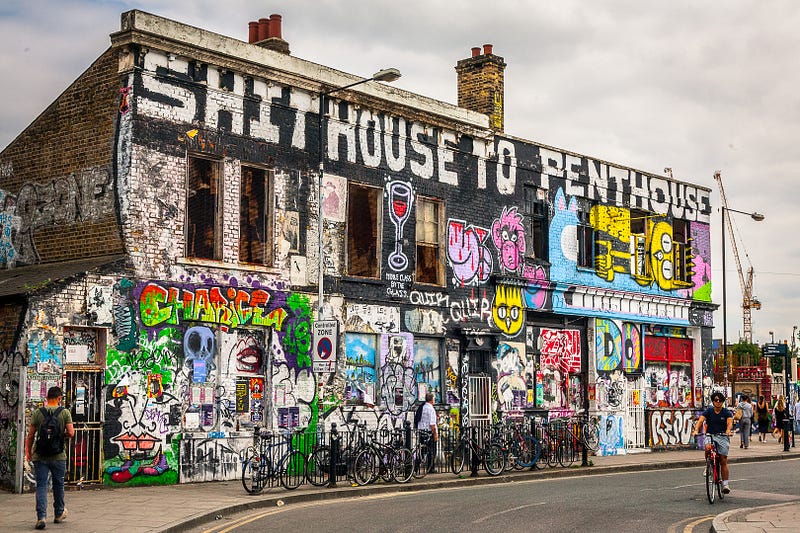
You can witness gentrification in almost every town and city. Formerly run-down and not-so-polished neighborhoods are getting discovered by wealthier people. They rent, or acquire and renovate, real estate — and thus, drive up prices. A phenomenon that initiates radical change and attracts completely different local businesses: A corner shop becomes a Starbucks, a quirky artist studio turns into an expensive boutique, and live clubs are mainly regarded to be nuisance investors have to get rid of.
Established music clubs drop like flies if new and affluent inhabitants in the neighborhoods feel disturbed by noise — and aren’t interested in (sub)culture.
Hamburg, my former German hometown, is a sad example. Once known for The Beatles, who spent years before their breakthrough in the indie and redlight district, the port city is now killing every live club that feels “too wild” and “too raunchy” for rich business folks. Former iconic venues are transformed into hotels, parking lots, location X of restaurant chains, or other artifacts that require just a bit of concrete and zero imagination.
Gentrification drives out poorer residents, changes the socio-cultural climate of whole districts, and eradicates places where people used to get together and celebrate music — but also diversity.
Cultural Imperialism
Generally, this term describes how one nation uses economic and military power to oppress a smaller and less influential one — by forcing people to adopt dominant belief systems, practices, language, and politics.
Examples range from religious missionary movements to colonialism in world history and, lately, the “Americanization” of other cultures.
Cultural imperialism, however, can also be observed on a socio-cultural level, experts say. Looking at how the live music scene is evolving, they claim to observe the following, which I would second:
Mainstream music overruns and threatens subcultures, because major labels and booking organizations — aka the buying forces — are flooding small clubs with the same chart favorites everywhere. Thus, subculture is getting slowly swallowed up by pop culture.
While I understand there’s more money to earn in mainstream music, neglecting niches is short-sided and a big mistake. Firstly, competition in pop culture is higher because locations and acts are more interchangeable. Cost pressure is high, and admission and drink prices are crucial. Secondly, subcultures tend to be a more loyal and supportive audience — we won’t just leave our clubs behind to chase the next place to be.
Bureaucracy and the cost crisis
Passionate music lovers who want to open a new club or keep an existing club alive quote bureaucratic hurdles as a major problem. For instance, clubs in the UK and Germany name these problems:
- Obtaining a license. A time and money-consuming process, especially for smaller venues and if quotas limit the number of businesses in an area.
- Gentrification costs. Gentrification changes a neighborhood’s focus from nightlife to posh living quarters. Consequently, clubs in that area — which often existed for decades before wealthy yuppies moved there —face new costs. For example, for noise protection measures, more demanding fire protection, higher GEMA fees, and potentially, higher rents demanded by new landlords.
- Non-adequate governmental Covid-19 aid. In Germany, the state offered Corona aid and loans for artists and self-employed club owners. However, the program has been heavily criticized. For instance, only business expenses were covered, not the living costs of struggling people in the cultural scene. In the UK, government support for arts has also been chided as “inadequate” and “borderline insulting.” For further reading, I recommend this study.
Several small venues survived the Covid-19 pandemic, often by cutting their living expenses to the bare minimum and getting support from friends and regulars. Nobody could have expected the Ukraine war, costs crisis, and inflation following shortly after. Rising energy costs alone are enough reason why many clubs fear closure. Additionally, many have staff issues since former employees had to find new jobs since Covid.
Save small music clubs: What can we do?
It’s not all hopeless, but we need to get our asses off the couch to save our clubs — if we want to enjoy them in the future.
People: Go out and support your local club scene!
The Economist suggests that socio-cultural developments might contribute to clubs becoming less attractive. Yes, some habits changed. For example, we are rather streaming music today and let algorithms tell us what we probably like. Generation Z is less interested in alcohol, and having a drink has been a major reason to go out for decades.
Furthermore, less disposable income and the triumph of dating apps as a new way to “meet” people digitally could explain why we go out less.
Since the Covid-19 pandemic, people have had to cope with closed clubs and have become addicted to streaming services. Are we running in danger of those evil little apps crowding out live music culture? I don’t want to wait for a definite answer, but I suggest we should turn off Spotify, Netflix and Co. at least some evenings to go out more again if the budget allows it.
Getting ready to leave the house is an effort, but talking to each other over a cold (even alcohol-free) drink and soaking up analog vibes is worth it.
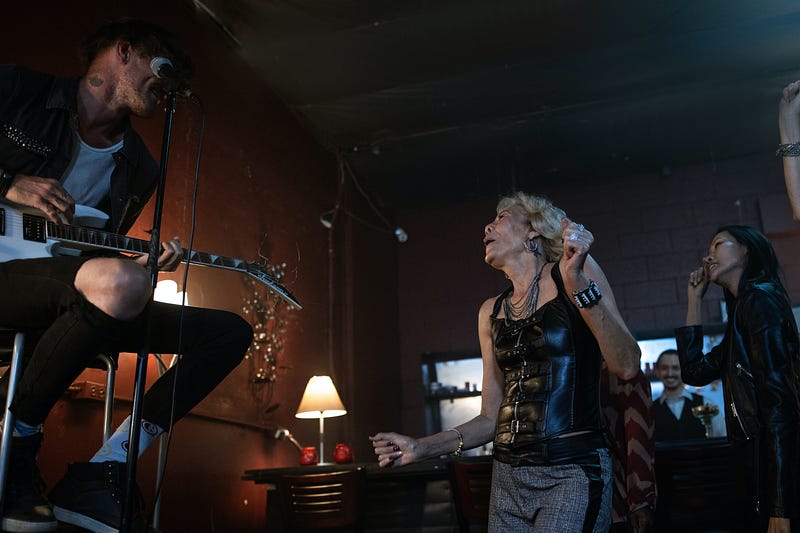
“What happens when you go to a club? (…) On a small stage an unknown artist wants to capture our heart and our ear. As we have already payed 6 euros admittance, we are virtually trapped in this small basement. Do we really engage with the stranger on stage? Perhaps this will be strange, feel weird or perhaps it will be great. Many people forgot how much more moving this private, almost intimate setting can be.” (S. Dracu, guitarist and singer)
Politics: Protect music clubs as cultural institutions
Instead of being considered to be “amusement venues” only (like arcades and sex clubs), small and traditional live music clubs especially should be legally protected as cultural institutions. Because that’s exactly what they are! Only cultural institutions — a term that covers cinemas, theaters, and concert halls—can also preserve the status quo. Ergo, investors, and neighbors cannot ignore their interests. Another solution could be introducing cultural protection areas, as suggested for Berlin.
Music impacts how cities are used, shapes the lives of their culturally diverse inhabitants, and is an economic factor as well. There’s no denying the fact that towns with a prosperous music scene are more attractive for artists, media, industry, and inhabitants — that’s why clubs have to become a part of urban planning, studies say. Clubs need representation and participation and, thus, should organize themselves in networks.
The “agent of change principle” is something club collectives are fighting for. A party introducing change to neighborhoods —e.g., an investor who builds apartment houses next to established live music clubs — should also be responsible for handling consequences, like covering additional noise protection costs. Sadly, it’s not a law yet, but only a “recommendation” to tackle gentrification, suggested by associations like Music Venue Trust.

Clubs: Value talent and use spaces wisely
Clubs should not shy away from cultural niches, subcultures, and counter-culture to attract their target audience. Knowing who you are and staying true to yourself makes a difference in a cultural landscape dominated by mainstream music. However, this also involves selecting bands carefully, valuing talent by paying them fairly, and treating them right regarding technical equipment and catering.
“Once a venue asked us to bring our own PA system — on gig day. It even got better: The promised sound technician suddenly didn’t have time. In the end we stood in front of a completely empty stage and had to equip the whole club. Asking for a coffee at the bar, the boss replied: “No, we first have to see how the evening’s going.” Concerning coffee! (translated quote from Jonny, Sloppy Joes)
To use their space wisely, clubs could also consider adopting a multi-dimensional approach, or a “shop in shop” concept, if you like: For example, a music venue at night, record shop/art space/event room during daytime. If they want to be considered as locations of cultural interest, curated “side hustles” are a must — towns need political and art events, too, as well as safe spaces for LGBTQIA+ minorities.
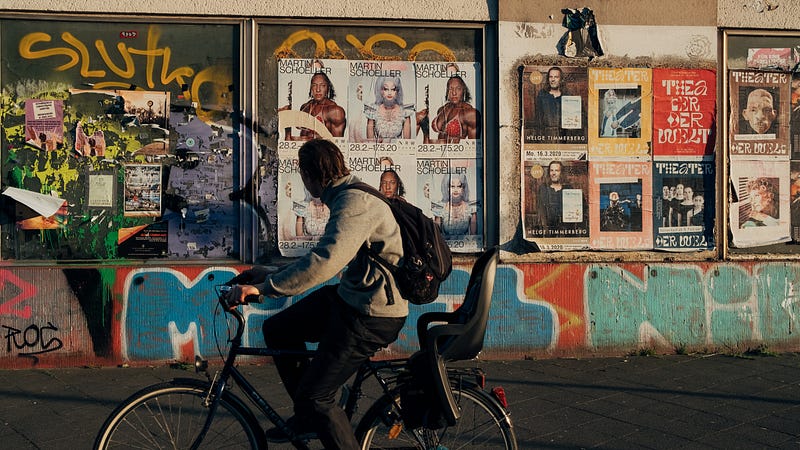
Promotion is key if clubs want to reach the right audience, but not just on social media. Consider cross-pollinating by approaching the customer target group on other concerts, festivals, and events. They also tick in an analog way, and that’s fantastic! Personally, I still like to grab concert flyers and pay attention to poster advertising.
The collective representation of music clubs is key.
To get their interests heard by urban planners, city councils, and politicians, clubs actively need to build, or respectively join, networks and collectives — like Club Commission in Berlin and NTIA in the UK.
Those associations tackle a lot of relevant tasks, for example:
- collective event planning to avoid unnecessary competition
- promotion activities on social media and events
- representation of clubs in political and legal proceedings
- communication as a united voice with local authorities
- protection of venues and event spaces
- lending equipment & helping out with staffing
- counseling for the club and event industry
Lastly, club culture associations raise awareness that we need our clubs — because life would be way more silent and grey without them.


.jpg)