
Public transport in Pakistan. For the people or propaganda by the political parties?
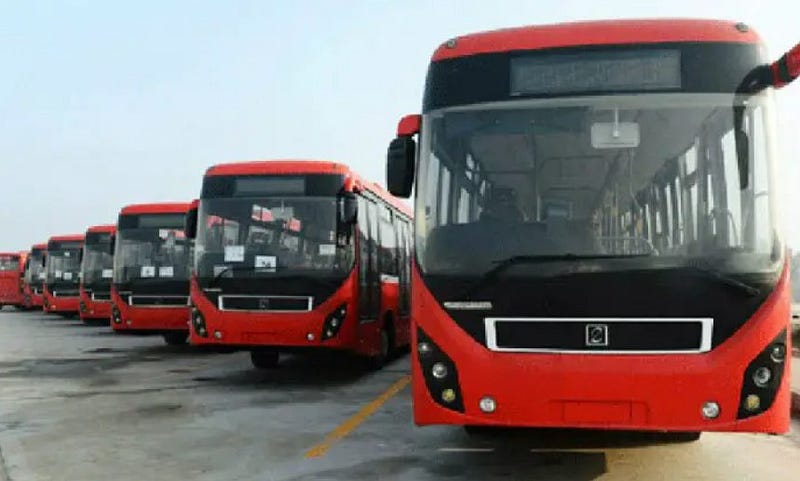
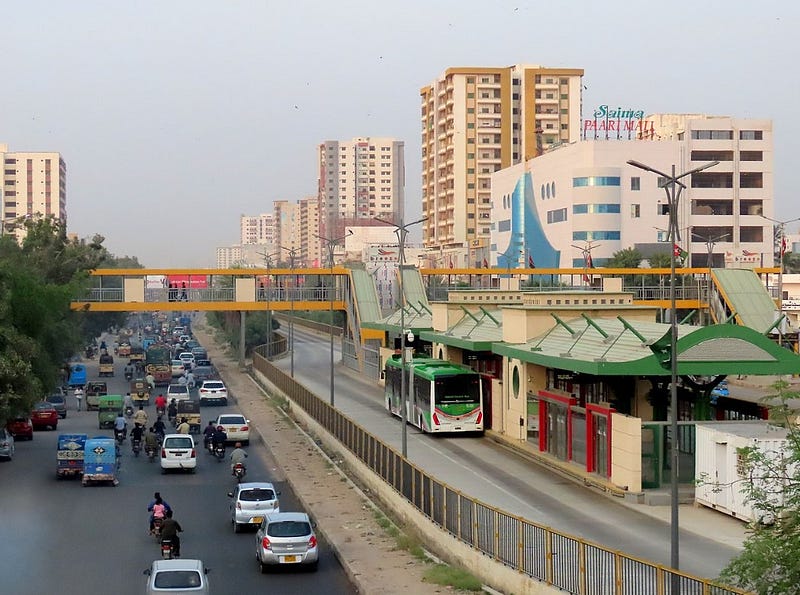
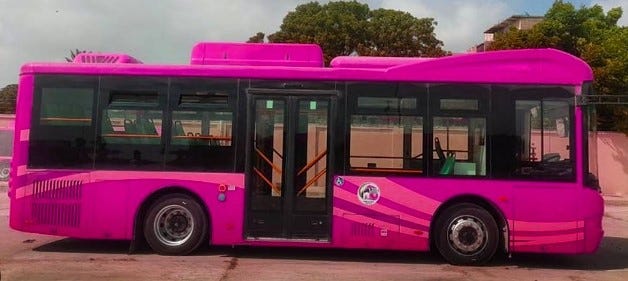
An article was published in one of Pakistan’s leading newspapers, DAWN, which hailed Bus Rapid Transit services in Pakistani cities. The focus city of the article was Karachi. Being the largest city of Pakistan and one of the largest cities of the world, the city has a pathetic transport system. Things have slightly improved with the BRT services called the Green Line and the Orange Line and other bus services like People’s Bus Service and Pink Buses for women. The question to be raised is why bus services have been introduced in Karachi while they had been ignored by policy-makers for decades.
https://www.dawn.com/news/1758983/who-has-the-best-bus-service
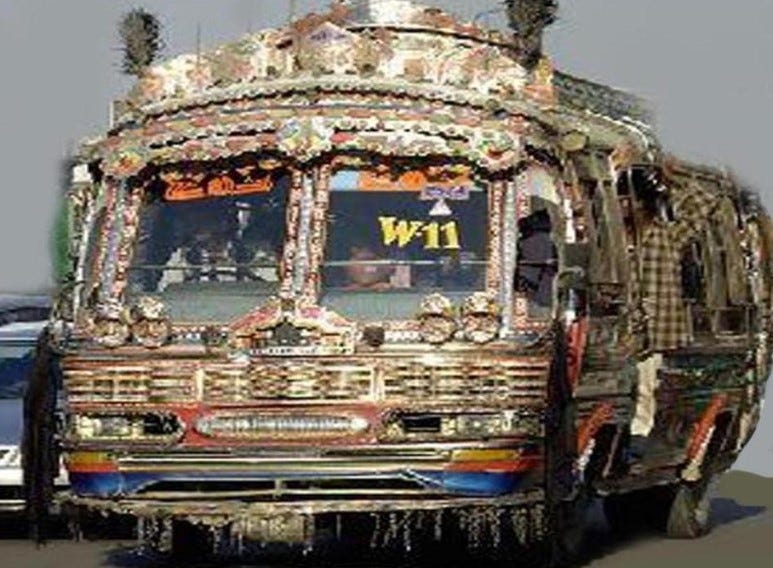
Karachi had a better transport infrastructure before the start of the twentieth century. The Karachi Circular Railway provided rail transport. Buses and trams existed in the city. When the Circular Railway shut down in 1999, the most prominent public transport were minibuses that were (and are) a mess. They are not regulated and run by its own mafia. When Karachi Mayor Naimatullah Khan launched a Green Bus Service in Karachi in his term from 2001–2005, the ‘minibus mafia’ of Karachi would attack these buses as they threatened their services. Mayor Syed Mustafa Kamal (2005–2010) launched CNG buses in Karachi but they couldn’t survive either.
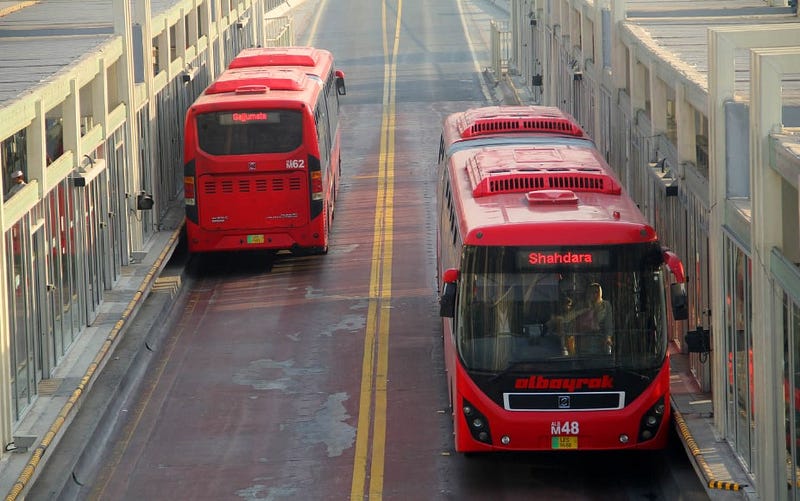
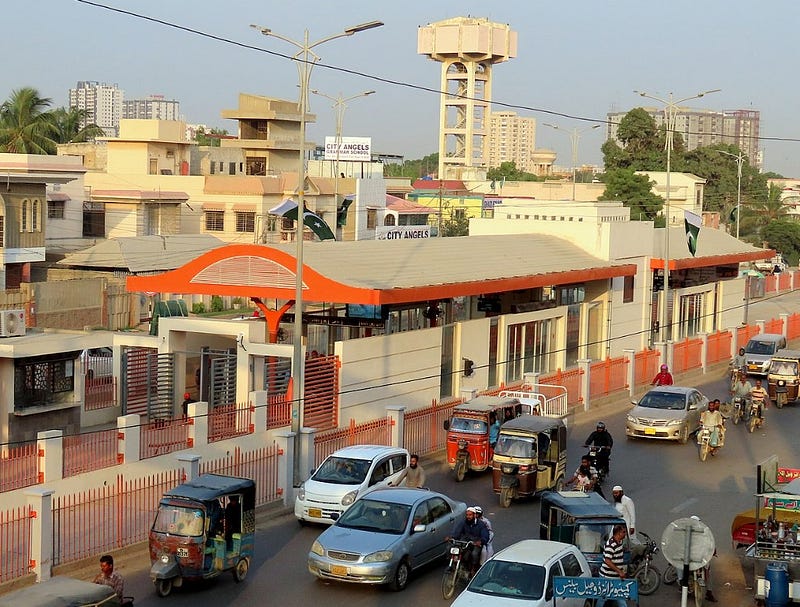
The Pakistan Muslim League-Nawaz led the project for the Green Line BRT in Karachi which commenced service in 2021. The Pakistan People’s Party followed it with its Orange Line BRT , launched in 2022. Both services cater to a specific portion of the city. Being BRTs, they only run on their dedicated lanes. That means they are restricted to certain neighborhoods and places of the city. Buses are not going in neighborhoods of Karachi that also need it. The city’s ‘car problem’ cannot be solved like this.
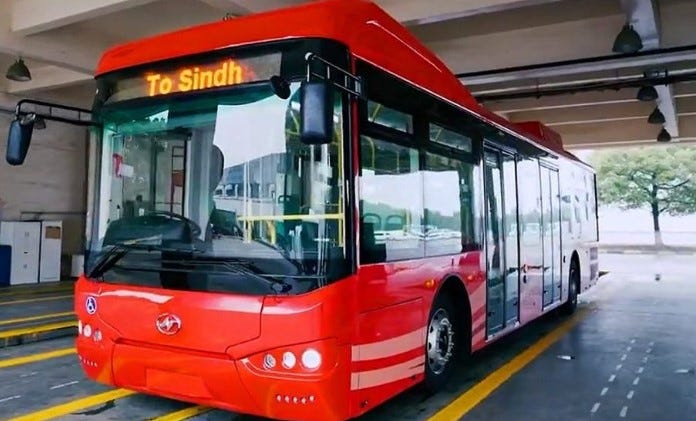
Coming to the People’s Bus Service and the Pink Bus Service. They do not have their dedicated lanes and have bus stops like any other bus service in any major city. Although I herald their inclusion, my problem is, why now and why so little? The Pakistan People’s Party is the dominant party of the Sindh province of Pakistan where Karachi is located. The Party has been criticized for stripping away self-government rights of Karachi. The 18th Amendment of Pakistan’s Constitution which the PPP and the PML-N love to gloat about advocates for local governments in cities. It seems to me that the PPP only cares about the provincial aspect of separation of powers of the federal government.
Coming to the question of why now, BRTs have become a political stunt for Pakistan’s political parties to gain votes. The PML-N started with their Lahore Metrobus which was launched in 2013. The Rawalpindi-Islamabad Metrobus followed later. Imran Khan’s Pakistan Tehreek e Insaf (PTI) followed with their BRT in Peshawar. The PML-N, trying to get the attention of Karachi launched the Green Line BRT. The PML-N mostly focuses its politics in the Punjab province. The PPP followed it with Orange Line.
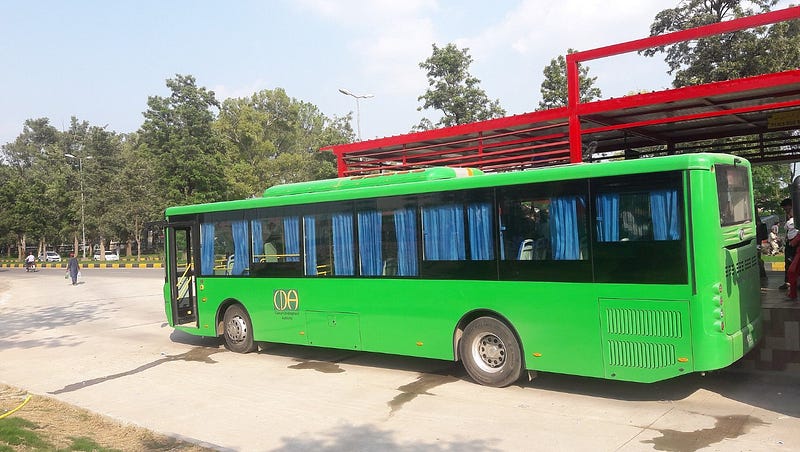
Karachi just had its elections last year. Mayoral elections are coming up. A PPP candidate is running against Hafiz Naeem ur Rehman, a Jamaat e Islami (JI) party candidate. Hafiz Naeem ur Rehman has been campaigning for Karachi’s redevelopment, constantly speaking about Naimatullah Khan and his Green Bus. Having a pathetic infrastructure, Karachiites feel this way. Naimatullah Khan’s Green Buses were great! I never had a chance to ride them but I remember how nice they were, having their own bus stops, cheap tickets and an air-conditioned service compared to the awful minibuses. The PPP probably took note of this in my opinion and finally decided to launch the People’s Bus Service and the Pink Bus Service as a political tool to get votes.
The PPP has ignored Karachi to give its due share of the 18th Amendment. Bus services launched by the PPP, the PML-N and even PTI are just political tools. Other countries might have the same intentions but their public transport services are a lot better. Delhi Metro began with three train services. Now they are 9–10 with more lines coming. India not only has better bus services but train services in its major cities and better airports. Having more international flights and tourists, it is fitting for India to develop its infrastructure despite having its own problems.
The Rawalpindi-Islamabad Metrobus caters to a minimum portion. I have personally gone to Islamabad and seen its BRT. Although looking good, some of it is located in a section of the city where the population is less. The service has expanded which is good. Given Islamabad is the capital and prices are expensive, the question is, are people with wealth and cars be willing to ride it? A good public transportation system needs to be located where not only there are a lot of people but a demand for ridership. The PPP’s Orange Line BRT has only four stations. Four stations! Four stations! In Karachi? Idiots!
Public transport is for the people. Politicians of Pakistan use their luxury vehicles. How would they know anything about public transport? The sad reality is, most of them have properties overseas. Most of their children live overseas where public transportation is a lot better. But why would ‘spoiled brats’ use public transport? Pardon my language but Pakistan’s ruling elite deserves no mercy.
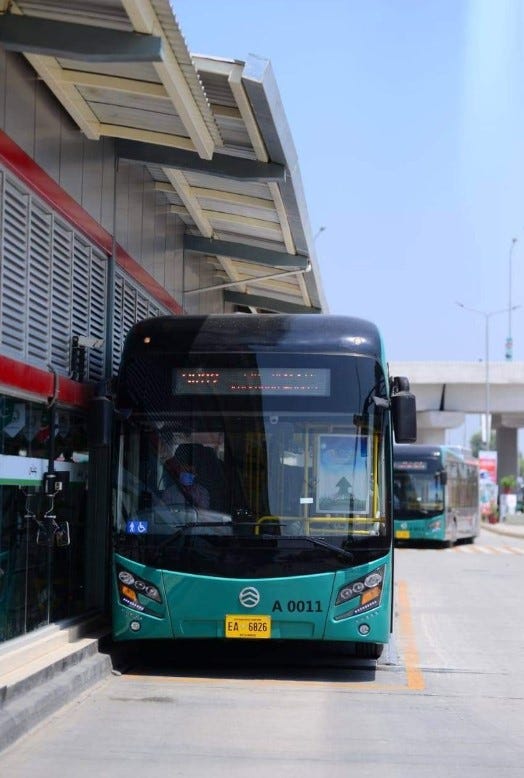
Coming to my second question of why so little. The answer is BRT services in Pakistan launched by political parties are a political stunt. The PML-N with their metrobus and Orange Line train in Lahore, Metrobuses in Islamabad-Rawalpindi, Multan and Green Line Bus in Karachi, the PPP with their ‘four station’ Orange Line in Karachi and the PTI with Peshawar Metrobus. Corruption allegations have been linked to some of the systems, particularly to the projects initiated by the PML-N. It’s the Machiavellian approach of give the people enough to satisfy their desires but not too much so they would ask for more. Pakistanis are satisfied with the limited public transportation networks available to them. If only they could see or Google how other countries have built sophisticated public transportation networks for their people. Look no further than India and Iran. Even Dhaka has a Metro Rail.