
Author skills
Psychopaths in Fiction
So, you want to write a good villain…?
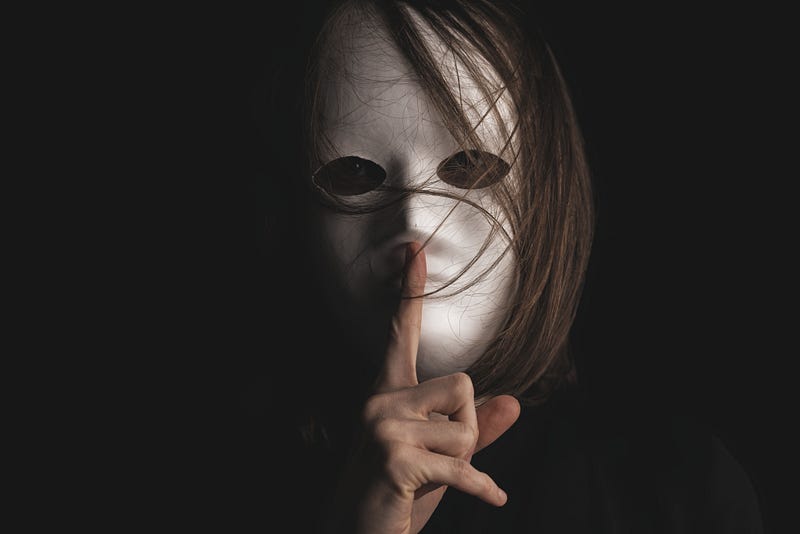
Every story needs a good hero or heroine, but it is often the villains that really stick with us.
Take Darth Vader in the StarWars movies, for example. Obsessive, cruel, relentless… and who doesn’t love a redemption arc?
And then there are the villains of horror movies, from Freddie Krueger to the ghostface-masked killers of the Scream movies. Again and again, we have seen villain/killers that manage to be more iconic than the main character(s) in movies and TV shows.
As a writer myself, I have given a lot of thought to what gives a villain depth, as well as how to make them menacing.
Enter: the psychopath.
For an author, it’s crucial to understand the behaviour of these individuals if you are going to write them convincingly. They can’t be cruel some of the time, and decent on other occasions!
A psychopath is distinguished by not giving a damn about other people’s feelings. They go after what they want, whatever that might be. For them, other people are there to be used, or hurt.
The harm they might do along the way is irrelevant.
It might be useful to view these characters as having a kind of blindness to other people’s feelings. Hurting others is as simple for them as it would be for most people to swat a fly.
The causes of this behaviour
Contrary to what people might believe, psychopathy is not a medical diagnosis. It does have a lot of overlap with antisocial personality disorder, however, and both commonly features the following three traits:
- Impulsive behaviour
- Spontaneous aggression
- A lack of empathy
Psychopaths are not, however, just ‘evil’, or generally crazy. They are capable of being cunning and strategic, and there is typically a reason behind their harmful actions.
What drives a psychopath?
It’s useful to think about what a specific psychopathic character wants. Sure, sometimes these individuals hurt other people because they are bored, or for the enjoyment of causing pain, and those can be compelling to read about (especially in some genres).
Perhaps more often, however, the psychopath in a story wants something quite specific. It is then the job of your hero or protagonist to stop them.
Killmonger from Black Panther is a great example. He had a self-righteous drive to take back the kingdom from his cousin.
In fact, many people will tell you that villains should be relatable, and I certainly think that can be true, but usually they also have to have an edge to them. The main thing that distinguishes such villains from heroes is the lengths that they will go to, and their willingness to sacrifice other people’s needs.
They might have a point, but they will happily hurt people who get in their way.
One other thing — it’s probably not helpful to confuse the psychopathic villain with the narcissist. Psychopaths want to hurt, harm, and achieve a particular goal. They don’t care about being liked except as a means to an end. For narcissists, the goal is to be admired.
Take Darth Vader again. It’s apparent that he didn’t really give a damn about being liked or admired by his underlings.
There can be overlap between the two types, and either can work as an antagonist, but as an author, it’s important to know what kind of character you want to write.
What psychopaths in novels or movies have you found especially compelling?
p.s. you should get my posts direct to your inbox. Do that here! Also, if you’d like to experience Medium yourself, consider supporting me and thousands of other writers by signing up for a membership. It only costs $5 per month, it genuinely supports writers, and you have the chance to make serious money with your own writing as well! By signing up with this link, you’ll support me directly with a portion of your fee, it won’t cost you extra. If you do so, thank you so very much!


