
Psychology In 100 Quotes- Simple Words Offering Life Altering Perspectives
Psychology in 100 Quotes By Alex Fradera
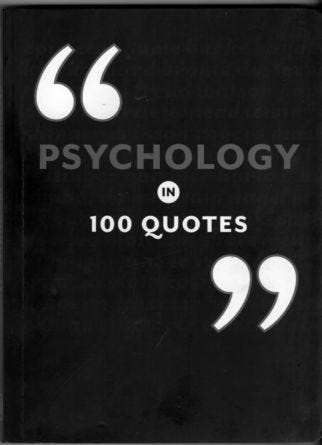
The book Psychology In 100 Quotes offers a variety of perspectives from psychology that are also influenced by philosophy, sociology and more. I would recommend this to anyone who is interested in psychology facts and philosophical discussion. It’s a very easy, entertaining and insightful read. I will take you through my eight personal favorite quotes and my breakdown of them.
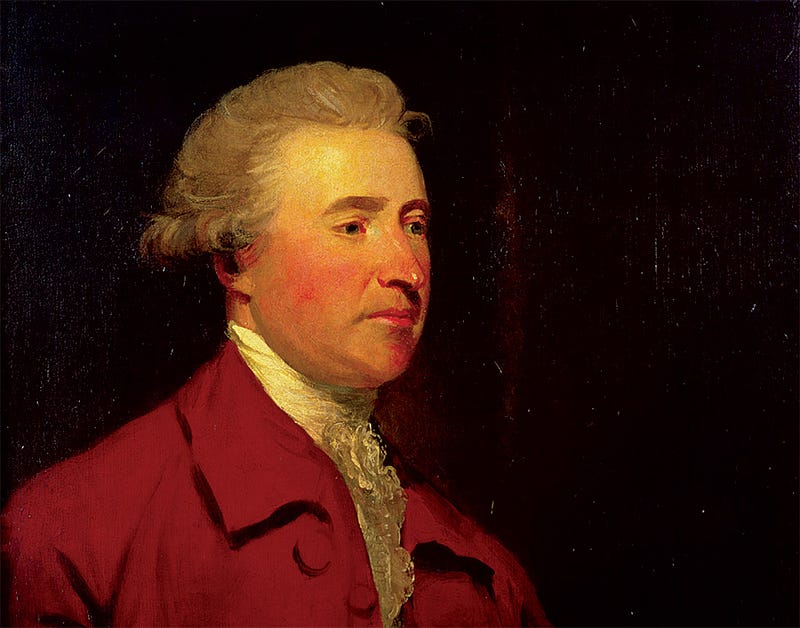
8. “The only thing necessary for the triumph of evil is for good men to do nothing.”- EDMUND BURKE
“Men” refers to mankind. When people fail to act, that is when truly horrible things can happen. This was witnessed in the infamous case of Kitty Genovese, a 28 year old woman who was attacked and murdered in a residential neighborhood in New York. The papers stated that regardless of her cries for help, no neighbor intervened nor called the police. There were multiple neighbours who heard her cries for help and did nothing. Why? Were they all bad people? We now know this concept known as the bystander effect. The bystander effect is the idea that people feel a diffusion of responsibility when witnessing something with other people. Every neighbour believed that someone else would go and help or someone else had already called the police- to which no one did. People start questioning themselves like “if someone else can help, why should I?” or “If they don’t act, does that mean it is acceptable for me not to either?” The author adds- “It’s easy to hide in a crowd, but what kind of world do we want to live in?”- Alex Fradera
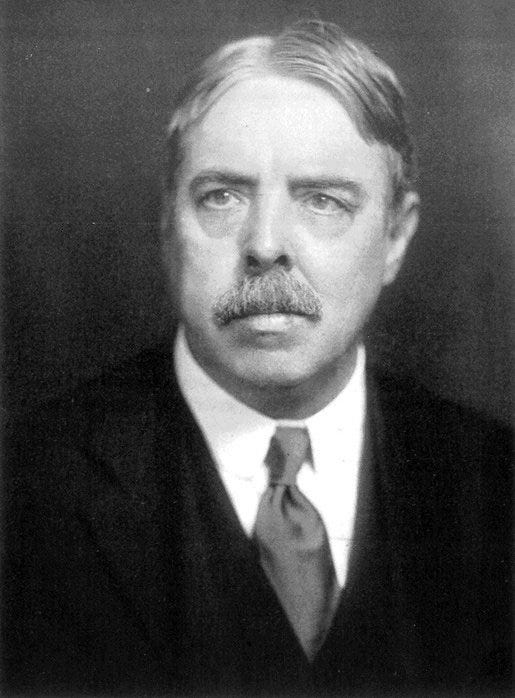
7. “Our mental life has grown up as a mediation between stimulus and reaction.”- EDWARD THORNDIKE
Much of life is a trial and error process. We do something and if we like the outcome we will repeat it, if we don’t like the outcome then we will not repeat it. This is called the Law of Effect. This is largely seen when raising children. They do something, and based on your reaction they adjust their behavior. This concept doubles down on the importance of praise and punishment. If you are raising a child or have someone in your life who does something you deem good ex. takes out the garbage, is kind to people, etc, praise them for it! Once you praise someone for doing something, the statistical odds of them repeating that action rises stratospherically.

6.“Staying vulnerable is a risk we have to take if we want to experience connection.”- BRENE BROWN
When we say “I like you, would you like to go out?” who has the power in this situation? We take a risk when seeking intimacy, one that leaves us exposed to the possibility of rejection. The ball is in the other person’s court as to how they want to respond. In order to do something or get things that we want, we must be willing to put ourselves in scary situations. In order to get your dream job you have to be comfortable with the idea of rejection, if not, the thought of possible failure will prevent you from attempting.

5. “Given appropriate social conditions, decent, ordinary people can be led to do extraordinarily cruel things.”- ALBERT BANDURA
There are many psychological experiments that demonstrate that anyone, in the wrong environment can be tempted to react cruelly. This quote came to rise when people were wondering how ordinary people following Hitler’s leadership (Nazis) could carry out such inconceivably inhumane acts. After all, they were human, weren’t they? They had families. They sincerely thought they were doing the right thing. Studies proved that two main factors lead to people making horrible decisions: rewards & modelling. This was supported by the famous Milgram Shock Experiment. Ordinary people were told by an actor in a white lab coat to press a button, administering an electric shock to someone. Obviously, no real shock was delivered, and the actor who was pretending to be shocked would scream in pain as if it was real. The question was-would ordinary people shock a random person if what they thought was a person of authority, told them to do so? The answer? Every single person delivered a shock. To make matters grimmer, more than two-thirds of the people in the experiment kept pressing the shock button until they “killed” the participant, despite hearing cries of pain and their pleading for it to be stopped. In another experiment known as the Stanford Prison Experiment, participants were assigned to either a guard or prisoner role. The participants assigned as guards were “method acting” to the point of which they would both verbally and physically harass the prisoner participants. Due to ethical concerns, the experiment was shut down early. The lines between a mock prison and a real prison environment became blurred.
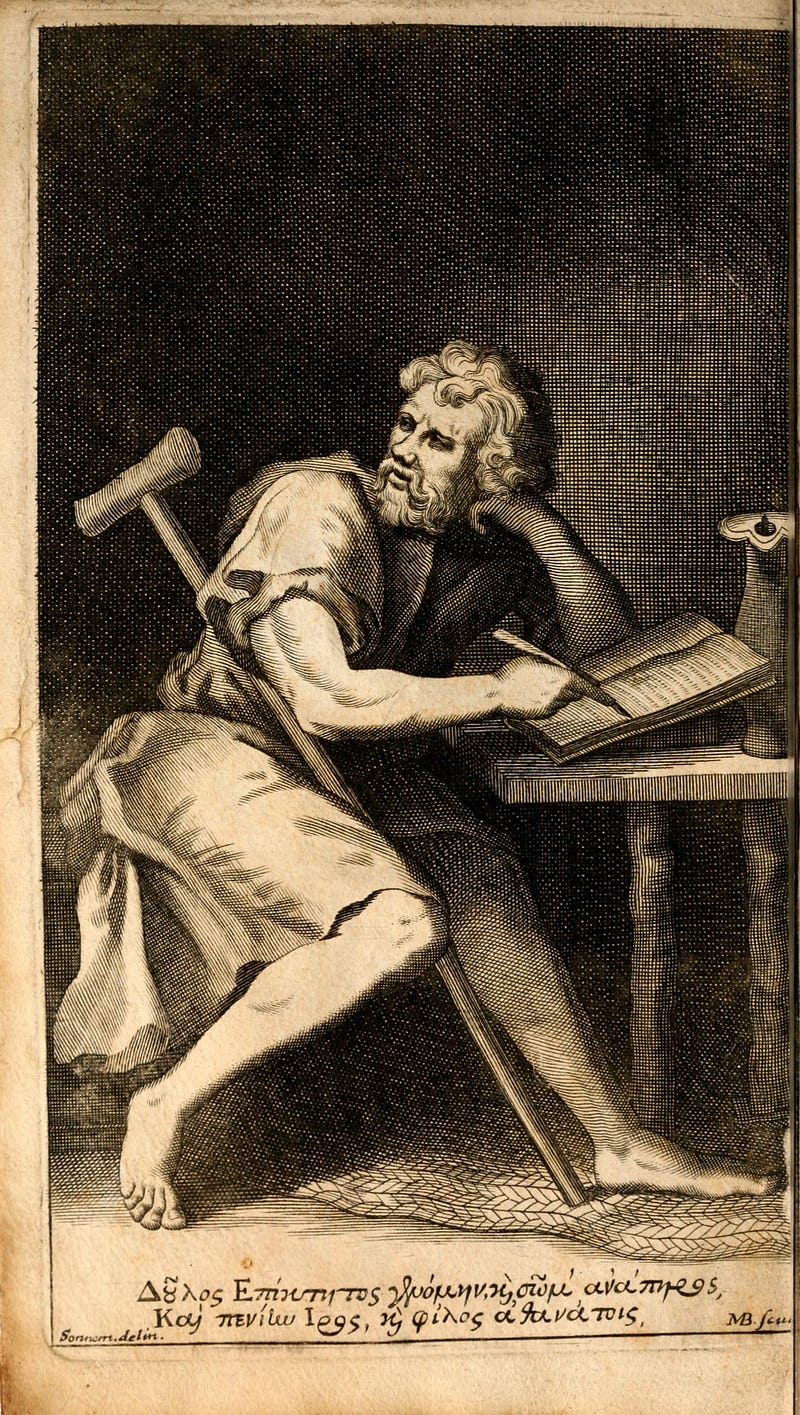
4.“Men are disturbed, not by things, but by the principles and notions which they form concerning things.”- EPICTETUS
The view from stoicism says that there are no good or bad events, just events. How we choose to look at them is everything. For example, a mugging could lead one to feel upset because they lost money, whereas it could make someone feel enlightened because it led them to become a martial artist. In psychology, one of the most common therapies is known as CBT (Cognitive Behavioural Therapy) which is used to critique negative beliefs and assumptions one has about themselves. When someone is depressed or in a bad mental state, they view every event as a bad one. CBT aims to address that perspective by looking at deeply rooted beliefs. Our perception of events shapes our realities. This quote emphasizes the importance of not just what happens to us, but how we perceive what happens to us.
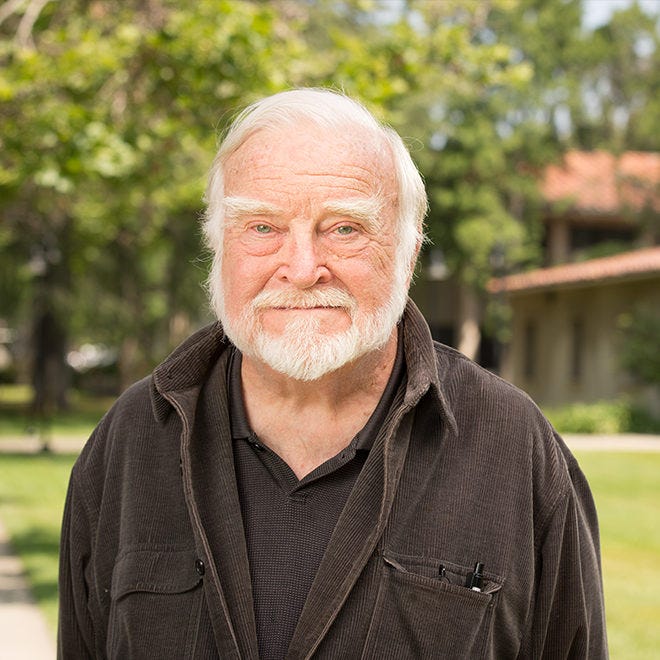
3. “Enjoyment appears at the boundary between boredom and anxiety, when the challenges are just balanced with the person’s capacity to act.”- MIHALY CSIKSENTMIHALYI
When an activity is not too easy or too hard, it provides the perfect challenge. The perfect area avoiding boredom and struggle. Mihaly called this the state of flow. We know we’re in the state of flow when time flies. Do you ever find that you forget to eat or do something while you’re invested in an activity? This could be a passion of yours or simply an important task; regardless, the perfect environment will allow you to continuously work while making time fly.
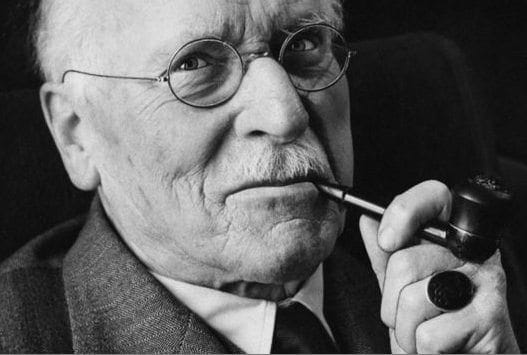
2. “Knowing your own darkness is the best method for dealing with the darkness of other people.”- CARL JUNG
Jung believed everybody had a monster within them, the ones who acknowledged it consciously were a step closer to being a “whole person”. The people who didn’t acknowledge it made it larger. Either you control it or it controls you. You have a door that contains your biggest fears in life. Either you open it and immersive yourself in it, with your shadows or you let your darkness grow. Your monster can be seen as your bad traits (traits you are not proud of) and other memories and impulses which might be looked down upon by society. Self-awareness is becoming close with that monster, and by confronting it, relinquishing its power over you. Once you have acknowledged your own darkness, you can begin to help people deal with theirs.
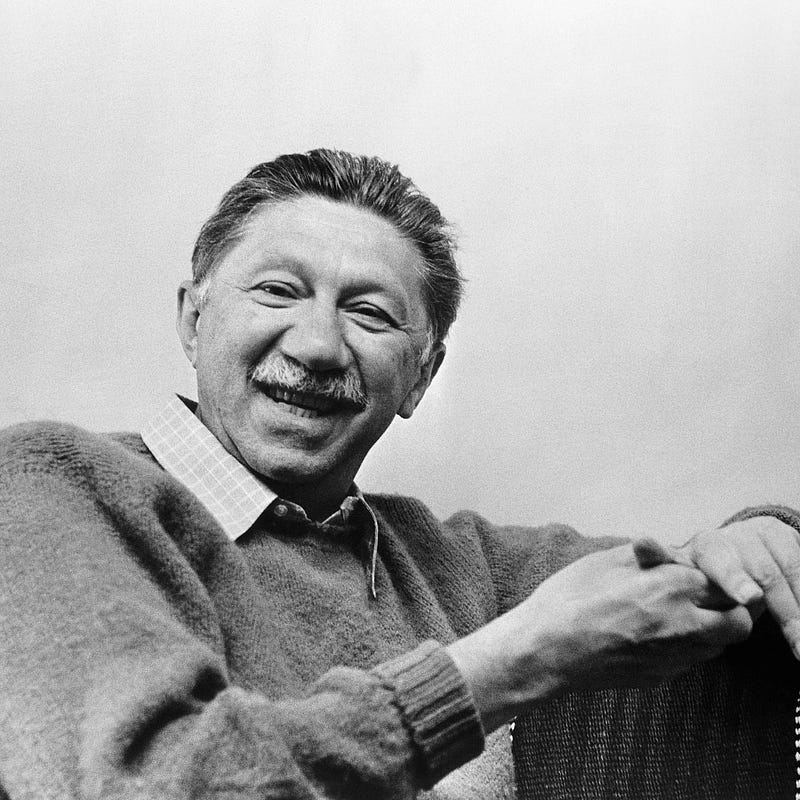
1. “A Musician must make music, an artist must paint, a poet must write, if he is to be ultimately at peace with himself.”- ABRAHAM MASLOW
What is your purpose in life? If you wake up and do what you were meant to do, what you’re good at doing, and what you love doing, you have won. In order to have a life of fulfilment and peace, one must do what he/she is meant to do. Follow your passion. A musician is not meant to be an engineer and vice versa. Everybody wants to be successful, but they do not realize the subjectivity of the word “successful.” To find fulfilment is not to succeed at just anything but at your passion.
Final Thoughts
This is a really fun book to read. It uses quotes from positive psychology all the way to stoicism. It was remarkable to realize that some of these ideas were brought up hundreds of years ago. I would definitely recommend this to people who have an interest in psychology or philosophy.