
Psychology Behind UX Design
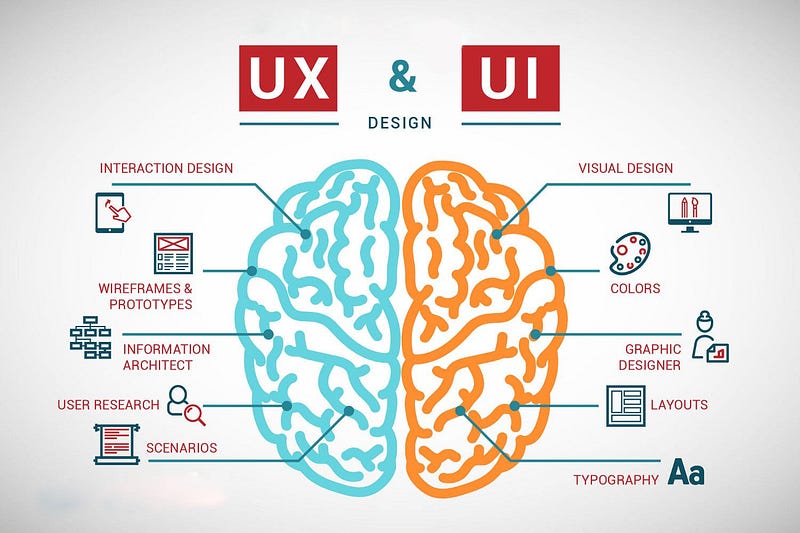
In the intricate dance between technology and human behavior, the User Experience (UX) design is an enchanting stage where psychology takes center stage.
Understanding the intricacies of how users think, feel, and interact is not just a strategy; it’s an art. Let’s embark on a journey into the fascinating world where psychology and UX design intertwine to create compelling and user-centric digital experiences.
Cognitive Load and Simplicity
The Human Factor:
In a world bombarded with information, users appreciate simplicity. Cognitive load theory tells us that there’s a limit to how much information our brains can process at once. UX designers leverage this knowledge to create interfaces that are intuitive and minimize cognitive strain.
Design Implementation:
- Streamlined navigation, clear hierarchies, and minimalistic design principles reduce cognitive load.
- Breaking complex tasks into manageable steps ensures users don’t feel overwhelmed.
Emotional Design
The Human Factor:
Emotions play a pivotal role in decision-making. Users are more likely to engage and stay loyal to platforms that evoke positive emotions. Psychology tells us that emotional responses influence our perceptions and behaviors.
Design Implementation:
- Thoughtful color choices and imagery contribute to positive emotional responses.
- Microinteractions, such as animations or feedback messages, add a touch of delight.
Behavioral Psychology and User Motivation
The Human Factor:
Understanding what motivates users is key to creating engaging experiences. Behavioral psychology principles, like those outlined by B.F. Skinner, reveals that positive reinforcement encourages desired behaviors.
Design Implementation:
- Gamification elements, like badges or progress bars, tap into users’ intrinsic motivation.
- Calls-to-action that guide users toward desired behaviors are strategically placed.
Hick’s Law and Decision-Making
The Human Factor:
Hick’s Law states that the time it takes to make a decision is directly proportional to the number of choices available. Psychology teaches us that too many options can lead to decision paralysis.
Design Implementation:
- Limiting options in menus or forms helps users make decisions more efficiently.
- Providing clear paths and calls-to-action reduces the cognitive effort required for decision-making.
User Empowerment and Autonomy
The Human Factor:
Human psychology thrives on a sense of control and autonomy. Users appreciate platforms that empower them to make choices and feel in command.
Design Implementation:
- Customization features and settings provide users with a sense of control.
- Clear feedback mechanisms, such as confirmation messages, reassure users that their actions are intentional.
Usability and Human Memory
The Human Factor:
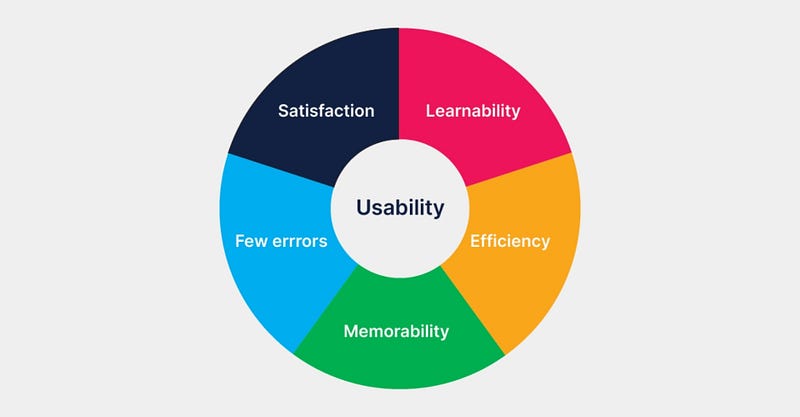
Our memory is fallible, and users may forget information presented to them. Psychology teaches us that information retention is influenced by how information is presented and repeated.
Design Implementation:
- Using clear labels, visual cues, and repetition aids in information retention.
- Progressive disclosure techniques unveil information gradually, aiding comprehension.
Conclusion
In the dance between psychology and UX design, empathy is the choreographer, and user-centricity is the melody. By delving into the depths of human behavior and cognition, UX designers can craft experiences that resonate with users on a profound level. As technology evolves, the psychological underpinnings of UX design remain timeless, ensuring that the digital experiences we create not only meet users’ needs but also resonate with their humanity.
#Psychology #uxdesign #ux #UXD #simplicity #humanfactor #design #implementation #emotionaldesign #humanfactor #behavioralpsychology #usermotivation #decisionmaking #empowerment #autonomy #usability #humanmemory #humanity