
Psychological Benefits of the Great Outdoors
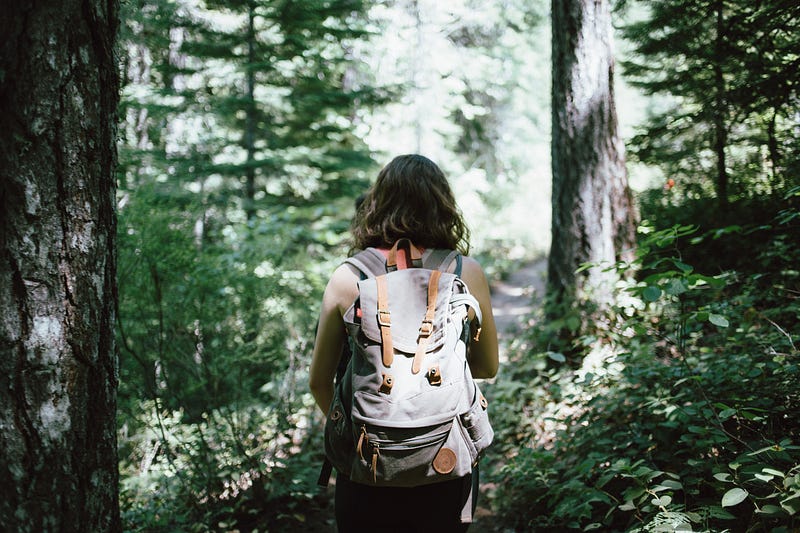
Times are tough all over right now. The mental health status of children and adults has been bent and broken due to restrictions, non-personal contact, and hours of sitting inside.
Sometimes the noise of this busy, modern life can be too much. Most of us have probably spent an excessive amount of time in our homes, so there’s never been a better time to get out to explore new surroundings, breathe fresh air, and exercise.
Research shows that we’re now spending more time indoors than at any other point in human history, with the average American spending a total of 93 percent of their existence inside (87 percent in enclosed buildings and 6 percent in vehicles). Given the average US life expectancy of around 79 years, that makes roughly 73 and a half years away from the general, health-giving goodness of natural outdoor environments.
By surrounding yourself in nature, you can open yourself up to more peaceful and relaxed feelings. Hiking is a great way to do this as the increased movement and exercise will leave a positive impact on your mood after a day out. What’s more, hiking is a fantastic way of experiencing progression and reward.
We all know that physical health can be greatly improved by hiking or just walking outdoors. But so can your mental health. Research shows that spending time outdoors, away from the hustle and bustle of city life, contributes to a healthy mind.
A study from Stanford University found that time spent in nature calms the portion of the brain linked to mental illness and reduces your mind’s tendency toward negative thought patterns.
The study also stated, “More than half of the world’s population lives in urban settings, and that is forecast to rise to 70 percent within a few decades. Just as urbanization and disconnection from nature have grown dramatically, so have mental disorders such as depression.”
Similarly, the journal Environmental Science and Technology published study results showing that outdoor exercise has a direct correlation to greater feelings of positivity and energy and fewer feelings of tension, anger, and depression.
A recent study from John Hopkins University also found a link between exercise and vitamin D levels, suggesting that getting our exercise outdoors is the ideal way to maximize our health-boosting vitamin D. The study also revealed that the more exercise we do, the higher our vitamin D levels, and the higher our vitamin D levels, the lower our risk of heart disease, stroke, and a number of other ailments.
Researchers at Lawrence Berkeley National Laboratory in California analyzed more than 30,000 runners in the National Runners’ Health Study and over 15,000 walkers in the National Walkers’ Health Study. Their findings demonstrated that walking and hiking resulted in similar reductions of high blood pressure, high cholesterol, diabetes, and coronary heart disease.
Talk to your Travel Board or research destinations near you where you can experience the great outdoors. Many of us live within easy driving distance of some form of natural splendor, waterfalls, or nature’s wonderland without even knowing it. The US alone has over 200,000 square miles of protected land, 60 national parks, over 10,000 state parks.
Sometimes, it’s even good to bring other hobbies and passions with you along the hike or walk. Perhaps you’re somewhat of an amateur photographer, then bring a small camera and take some snaps along your journey. Likewise, if you enjoy journaling, then sitting down during a break can be a great opportunity to log your feelings and even take inspiration from the things around you.
Take it slow and easy and enjoy the sights and sounds of nature. Take a few minutes, a few hours, or a day. Your mental health is worth it.


