avatarM. B. Ahmed

Free AI web copilot to create summaries, insights and extended knowledge, download it at here

934

Abstract

onditions/nsaids/">examples</a> of NSAIDs.</p><p id="0e6a">NSAIDs <a href="https://www.ncbi.nlm.nih.gov/pmc/articles/PMC4036661/">work </a>by inhibiting an enzyme (cyclooxygenase) which is responsible for producing chemicals (prostaglandins) that cause inflammation. However, they also inhibit an enzyme that facilitates the turnover of the gut lining.</p><p id="6113">Our gut lining is in a state of continual turnover which allows fresh active tissues to line the gut. Microscopic GI bleeding is also a common side effect, which could result in decreased iron levels.</p><p id="0168">A randomized double-blind <a href="https://pubmed.ncbi.nlm.nih.gov/15487806/">study </a>has shown that administration of 2400mg of aspirin for six days reduced vitamin C concentrations in urine, plasma and gastric mucosa. The <a href="https://pubmed.ncbi.nlm.nih.gov/15487806/">decreased</a> vitamin C in gastric mucosa may be due to increased anti

Options

oxidant defenses in response to the aspirin-induced damage.</p><p id="f1aa">This hypothesis is supported by <a href="https://pubmed.ncbi.nlm.nih.gov/17218764/">several</a> <a href="https://pubmed.ncbi.nlm.nih.gov/22151399/">research studies</a> in which administration of vitamin C with NSAIDs decreased the number of aspirin-induced gastric lesions and increased gastric tolerability.</p><p id="1a40">One <a href="https://pubmed.ncbi.nlm.nih.gov/11328262/">study</a> has shown that vitamin C restored levels of antioxidant enzymes, superoxide dismutase and glutathione peroxidase. These protect cells from radical attack, thus, attenuating GI damage. However, the effects of long-term, usage of aspirin on vitamin C levels are unclear.</p><p id="92c2">Given the evidence that vitamin C may help prevent aspirin-induced gastric lesions, patients suffering from GI ulcers may benefit from vitamin C supplementation.</p></article></body>

Protective Role of Vitamin C in NSAID-Induced GI injury
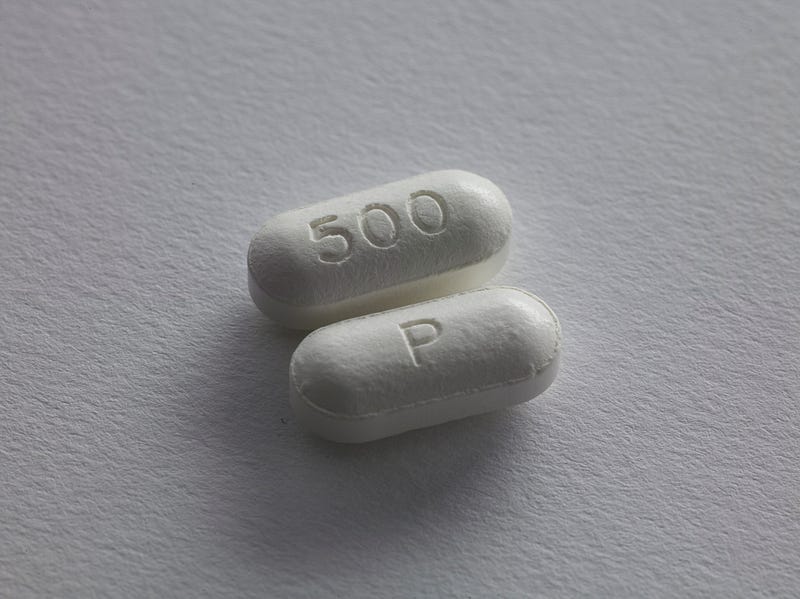
Photo by Thought Catalog on Unsplash

Non-steroidal anti-inflammatory drugs (NSAIDs) are medicines that are widely used to relieve pain, reduce inflammation and lower high body temperature. Their uses include treating headaches, menstrual cramps, sprains, colds and arthritis. Ibuprofen, naproxen, high-dose aspirin and diclofenac are examples of NSAIDs.

NSAIDs work by inhibiting an enzyme (cyclooxygenase) which is responsible for producing chemicals (prostaglandins) that cause inflammation. However, they also inhibit an enzyme that facilitates the turnover of the gut lining.

Our gut lining is in a state of continual turnover which allows fresh active tissues to line the gut. Microscopic GI bleeding is also a common side effect, which could result in decreased iron levels.

A randomized double-blind study has shown that administration of 2400mg of aspirin for six days reduced vitamin C concentrations in urine, plasma and gastric mucosa. The decreased vitamin C in gastric mucosa may be due to increased antioxidant defenses in response to the aspirin-induced damage.

This hypothesis is supported by several research studies in which administration of vitamin C with NSAIDs decreased the number of aspirin-induced gastric lesions and increased gastric tolerability.

One study has shown that vitamin C restored levels of antioxidant enzymes, superoxide dismutase and glutathione peroxidase. These protect cells from radical attack, thus, attenuating GI damage. However, the effects of long-term, usage of aspirin on vitamin C levels are unclear.

Given the evidence that vitamin C may help prevent aspirin-induced gastric lesions, patients suffering from GI ulcers may benefit from vitamin C supplementation.

Vitamin C
Pain Management
Health
Healing
Medicine
Recommended from ReadMedium