avatarAlexander Verbeek

Free AI web copilot to create summaries, insights and extended knowledge, download it at here

2672

Abstract

isk of extinction. They added that climate change impacts at least 41% of threatened marine species.</p><p id="7953">Protecting the oceans is vital since these provide half of the planet’s oxygen and absorb more than a third of the CO2 emissions and most of global warming. In addition, oceans provide food for millions of people.</p><figure id="1a69"><img src="https://cdn-images-1.readmedium.com/v2/resize:fit:800/1*VzWl_mk-Ou-QOdlS5U3SrA.jpeg"><figcaption>A significant landmark in protecting our oceans and their biodiversity (photo: Nicole Avagliano)</figcaption></figure><p id="eaea">These new protected areas that the treaty establishes will limit how much fishing can take place, the routes of shipping lanes, and exploration activities like deep-sea mining. This does not mean that this treaty regulates overfishing since that is managed by other international organizations. Still, banning fishing in protected areas can make a significant contribution to reducing overfishing. The new treaty will also set rules for conducting environmental impact assessments before commercial activities can be undertaken in the oceans.</p><h1 id="eaaa">Creating large marine protected areas</h1><p id="7979">The treaty is a significant step forward for protecting the high seas, enabling the creation of large marine protected areas to preserve wildlife and share with all nations any bounty from harvesting marine genetic resources that, for instance, could be used to produce medicines.</p><p id="a52a">The agreement recognizes the need to address the impacts of climate change on the oceans and considers the rights and needs of vulnerable communities dependent on the oceans for their livelihoods. It may take time to fully implement and enforce the treaty’s provisions, but I see its adoption as a significant landmark in protecting our oceans and their biodiversity. It took more than 20 years and will not be without its flaws, but I believe we may say that this treaty is good news for the planet.</p><p id="c768"><b>If you find articles like this valuable and want to support my work, consider <a href="https://medium.com/@Alex_Verbeek/membership">signing up to Medium</a>. It’s $5 a month, giving you unlimited access to all my articles AND all stories on Medium.</b></p><p id="66c5"><b>If you sign up using <a href="https://medium.com/@Alex_Verbeek/membership">my link</a>, I’ll earn a small commission, at no additional cost to you.</b></p><div id="f2e4" class="link-block"> <a href="https://medium.com/@Alex_Verbeek/membership"> <div> <div> <h2>Join Medium with my referral link - Alexander Verbeek</h2>

Options

      <div><h3>Read every story from Alexander Verbeek (and thousands of other writers on Medium). Your membership fee directly…</h3></div>
            <div><p>medium.com</p></div>
          </div>
          <div>
            <div style="background-image: url(https://miro.readmedium.com/v2/resize:fit:320/0*TwefFPodtB9dxn0I)"></div>
          </div>
        </div>
      </a>
    </div><div id="a547" class="link-block">
      <a href="https://readmedium.com/watching-the-world-heat-up-reflections-on-climate-change-over-the-years-7ff58ef921fb">
        <div>
          <div>
            <h2>Watching the World Heat Up: Reflections on Climate Change Over the Years</h2>
            <div><h3>Nasa has updated its well-known climate spiral visualization. It made me wonder how I experienced climate change in my…</h3></div>
            <div><p>medium.com</p></div>
          </div>
          <div>
            <div style="background-image: url(https://miro.readmedium.com/v2/resize:fit:320/1*9eKhZ6QPFVI0B1Ofas99Yg.jpeg)"></div>
          </div>
        </div>
      </a>
    </div><div id="07c6" class="link-block">
      <a href="https://readmedium.com/doomsday-clock-has-now-advanced-to-90-seconds-to-midnight-the-closest-it-has-ever-been-46c56f10b0fe">
        <div>
          <div>
            <h2>Doomsday clock has now advanced to 90 Seconds to midnight: the closest it has ever been</h2>
            <div><h3>My writing is about the planet, and I had planned to write this week about light topics, like walking in nature…</h3></div>
            <div><p>medium.com</p></div>
          </div>
          <div>
            <div style="background-image: url(https://miro.readmedium.com/v2/resize:fit:320/1*4vhjTdieuEr8DDPSivRNUw.jpeg)"></div>
          </div>
        </div>
      </a>
    </div><div id="bc70" class="link-block">
      <a href="https://readmedium.com/the-worlds-lungs-breathe-a-sigh-of-relief-after-lula-s-win-but-bolsonaro-still-has-to-concede-ccbdc830db10">
        <div>
          <div>
            <h2>The world’s lungs breathe a sigh of relief after Lula’s win, but Bolsonaro still has to concede…</h2>
            <div><h3>Lula elected as the next President of Brazil</h3></div>
            <div><p>medium.com</p></div>
          </div>
          <div>
            <div style="background-image: url(https://miro.readmedium.com/v2/resize:fit:320/1*n-0gVM74Xl2xj1JU-MPFeg.jpeg)"></div>
          </div>
        </div>
      </a>
    </div></article></body>

Protecting Our Oceans: UN Negotiators Agree on New Unified Treaty
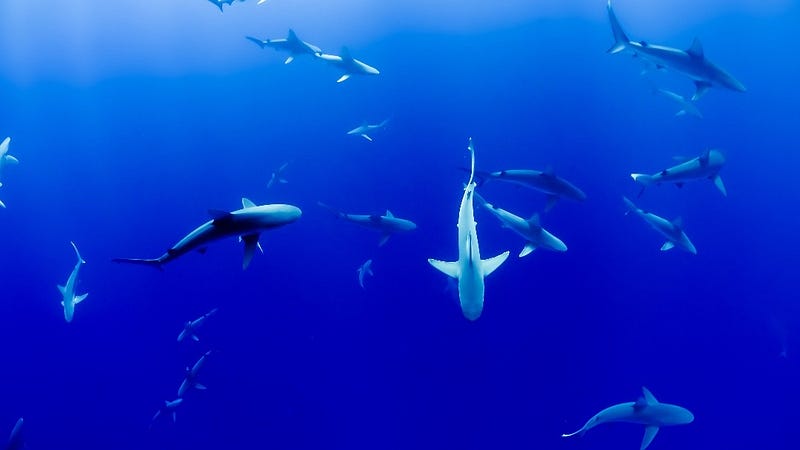
The treaty enables the creation of large marine protected areas (photo: Jakob Owens)

Good news for the oceans. Last night, negotiators from more than 100 countries agreed on the wording for a new unified treaty that will be a landmark for protecting biodiversity in the high seas. It should stop the unregulated exploitation of the oceans. The formal adoption of the new treaty’s text will take place later, and then it should be approved by the UN General Assembly.

The remarkable result is the end of two weeks of intense negotiations in New York, but the history of this treaty started more than forty years ago when countries agreed on the UN Convention on the Law of the Sea (UNCLOS). Marine biodiversity was not yet a well-established concept in those days, and under that treaty, only 1.2% of the high seas were protected.

A landmark for protecting biodiversity in the high seas

But by the time the UNCLOS entered into force in 1994, it already became apparent that much of the marine life outside the 1.2% protected area was in danger of climate change, overfishing, and maritime activity. Therefore, discussions on an updated framework to protect marine life outside national boundary waters, known as the high seas, started over 20 years ago. But all efforts to reach a new agreement have failed until now, making the agreement concluded this weekend a landmark in protecting ocean biodiversity.

The new UN treaty is vital for enforcing the 30x30 pledge of the UN biodiversity conference of last December to place 30% of the oceans into protected areas by 2030. The agreement covers nearly half the planet’s surface and will serve as a legal framework for creating extensive marine protected areas (MPAs) in the high seas with limits on fishing, deep sea mining, or shipping lanes. The treaty will also establish a conference of the parties (COP) that will meet periodically and enable member states to be held accountable on issues such as governance and biodiversity.

Nearly ten percent of marine life at risk of extinction

Experts of the IUCN underlined the need for this treaty when they assessed 17,903 marine animals and plants and found that over 1,550 of these are at risk of extinction. They added that climate change impacts at least 41% of threatened marine species.

Protecting the oceans is vital since these provide half of the planet’s oxygen and absorb more than a third of the CO2 emissions and most of global warming. In addition, oceans provide food for millions of people.
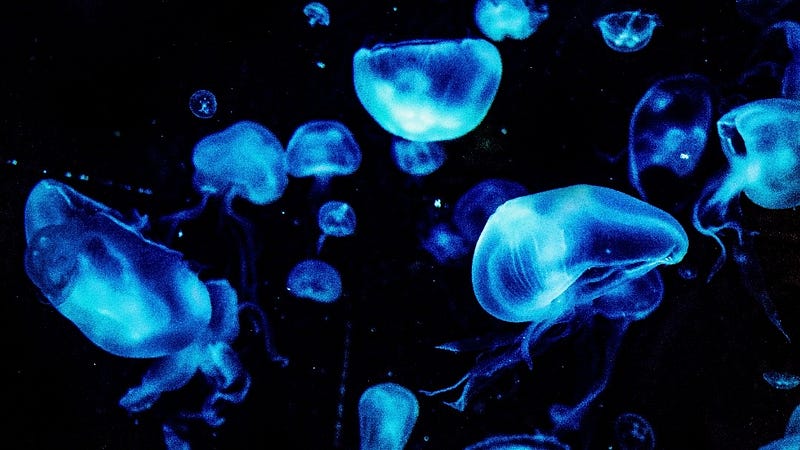
A significant landmark in protecting our oceans and their biodiversity (photo: Nicole Avagliano)

These new protected areas that the treaty establishes will limit how much fishing can take place, the routes of shipping lanes, and exploration activities like deep-sea mining. This does not mean that this treaty regulates overfishing since that is managed by other international organizations. Still, banning fishing in protected areas can make a significant contribution to reducing overfishing. The new treaty will also set rules for conducting environmental impact assessments before commercial activities can be undertaken in the oceans.

Creating large marine protected areas

The treaty is a significant step forward for protecting the high seas, enabling the creation of large marine protected areas to preserve wildlife and share with all nations any bounty from harvesting marine genetic resources that, for instance, could be used to produce medicines.

The agreement recognizes the need to address the impacts of climate change on the oceans and considers the rights and needs of vulnerable communities dependent on the oceans for their livelihoods. It may take time to fully implement and enforce the treaty’s provisions, but I see its adoption as a significant landmark in protecting our oceans and their biodiversity. It took more than 20 years and will not be without its flaws, but I believe we may say that this treaty is good news for the planet.

If you find articles like this valuable and want to support my work, consider signing up to Medium. It’s $5 a month, giving you unlimited access to all my articles AND all stories on Medium.

If you sign up using my link, I’ll earn a small commission, at no additional cost to you.

Oceans
Law
Biodiversity
Environment
Climate Change
Recommended from ReadMedium