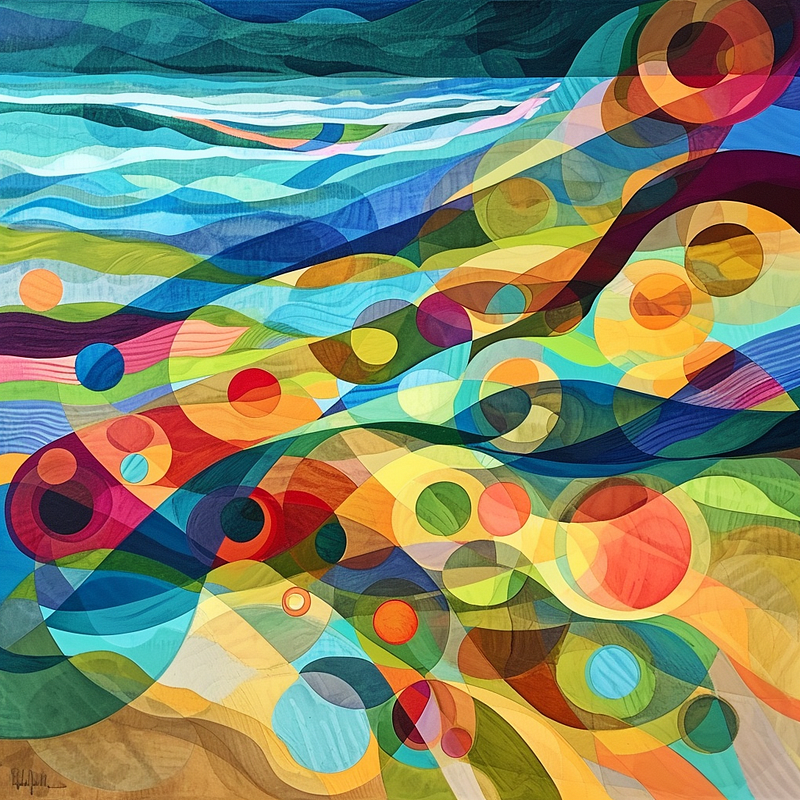
PromptDervish Pastiches: Orphism Reinterpreted with AI
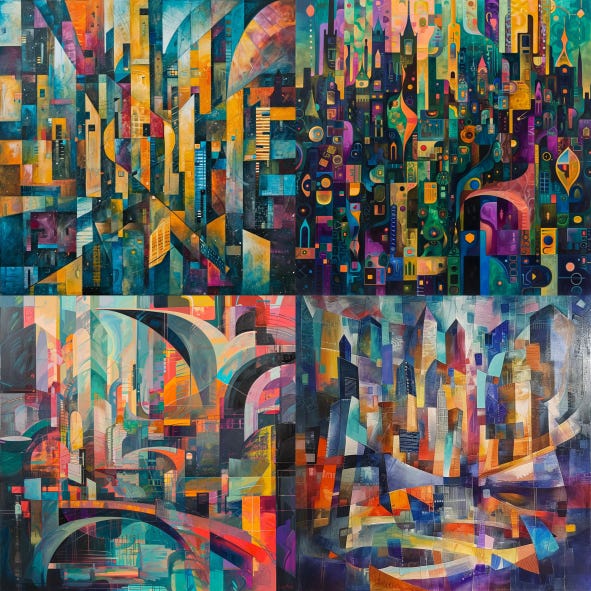
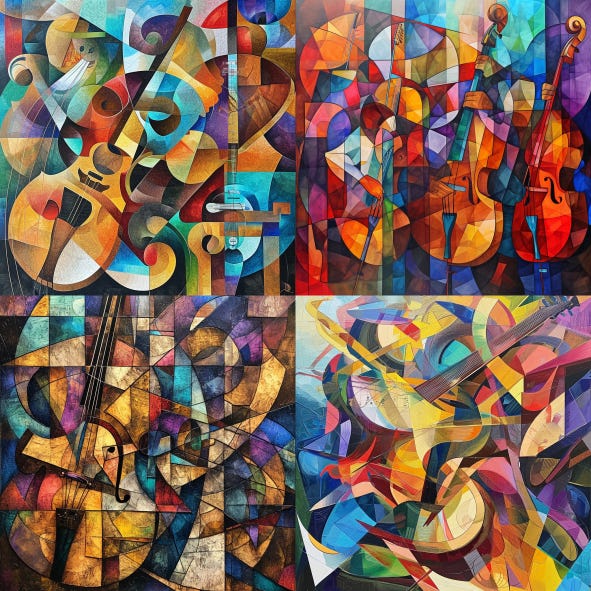
Welcome to this edition of ‘PromptDervish Pastiches!’ I’m excited to take you on a vibrant journey into the world of Orphism, an art movement that truly stands out with its emphasis on color, light, and musicality. Emerging in the early 20th century as a branch of Cubism, Orphism carved its own path by embracing a kaleidoscope of colors and dynamic forms, diverging significantly from Cubism's structured and somewhat muted tones.
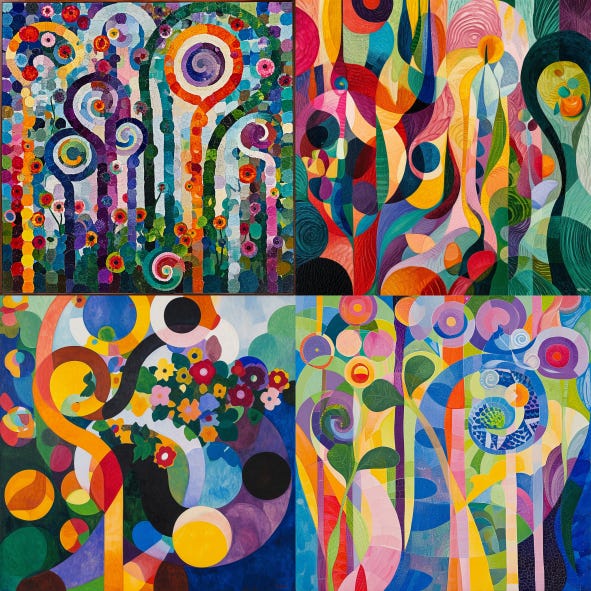
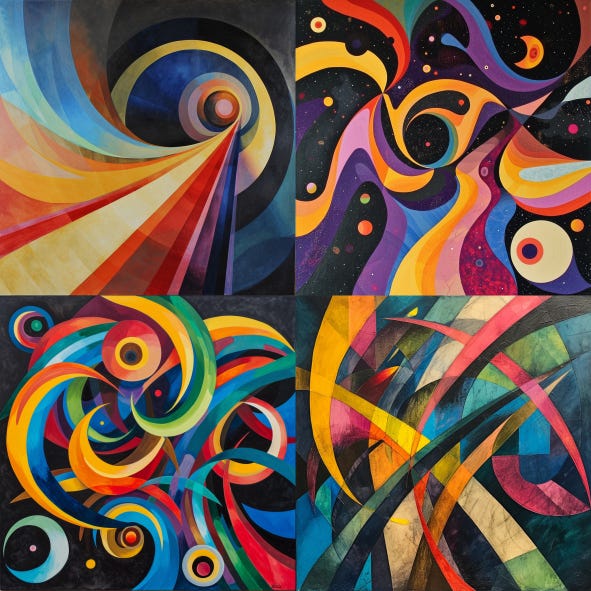
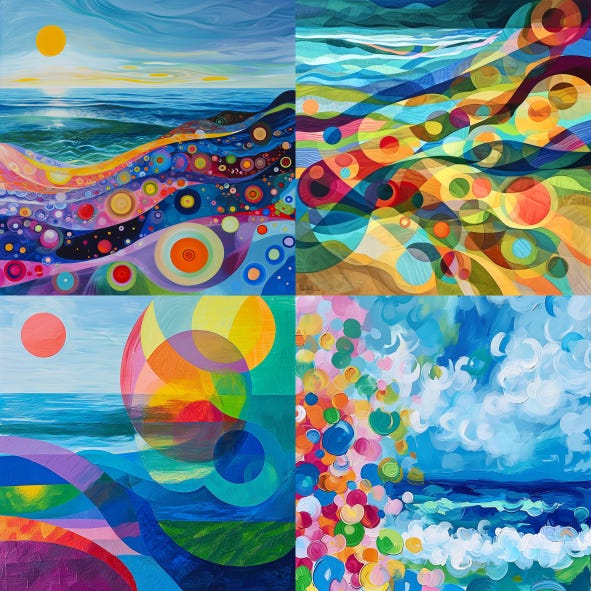
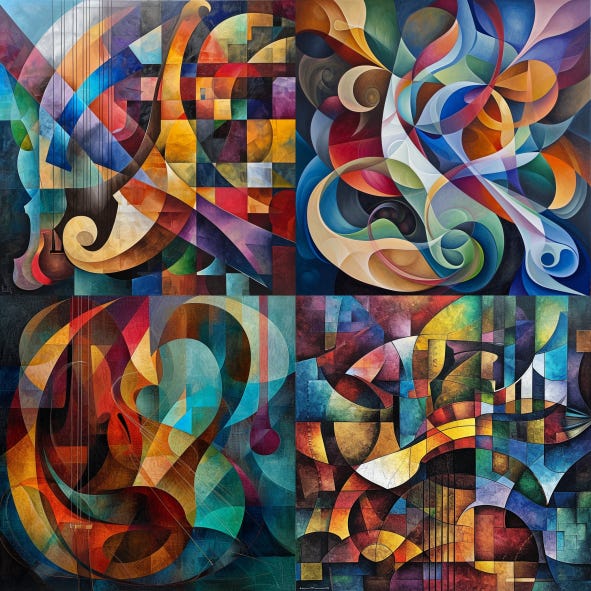
Orphism, pioneered by visionaries like Robert and Sonia Delaunay, marks a significant leap from representational art to pure abstraction. The movement is distinct for its disc shapes and circular forms, used to create a rhythmic, almost musical flow in visual art. It’s like painting with the melody of colors, giving life to static canvases with the illusion of motion.
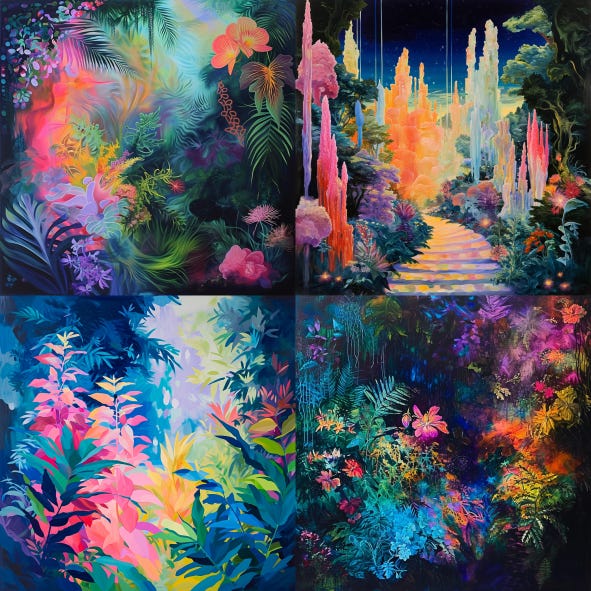
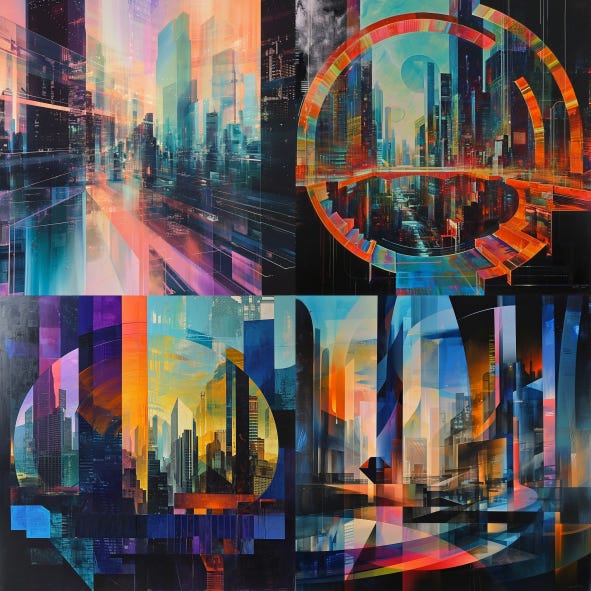
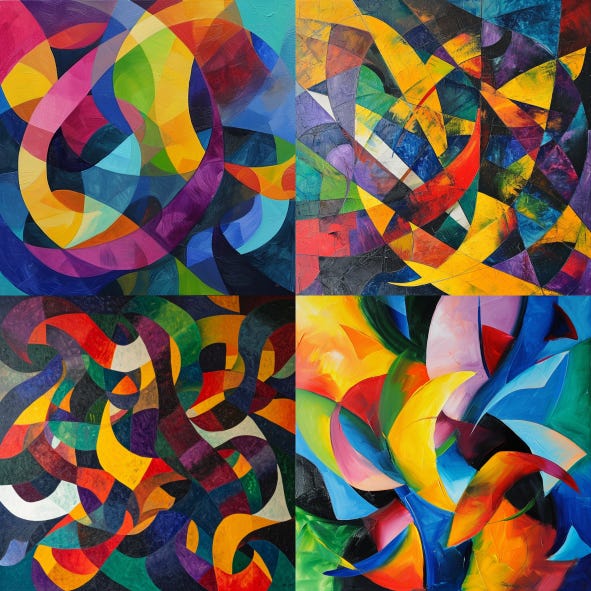
As we explore Orphism through AI and the Midjourney platform, I’m thrilled to show you how this style’s focus on abstraction and rhythm can be reimagined in our digital era. It’s fascinating to see how the bold color dynamics and rhythmic patterns of Orphism can be transformed into digital art that speaks to today’s audience.
While sharing some roots with Cubism, Orphism breaks away with its use of vibrant color schemes and fluid forms, offering a more lyrical and expressive take. Compared to De Stijl’s rigid geometric abstraction and primary color scheme, Orphism presents a more organic and harmonious blend of colors and shapes akin to a visual symphony.
Join me in this exciting exploration as we apply Orphism’s distinct aesthetic to contemporary AI art creations, reinterpreting this historical art movement in a fresh, digital context. Let’s rediscover the beauty of Orphism and see how it can inspire our modern artistic endeavors!
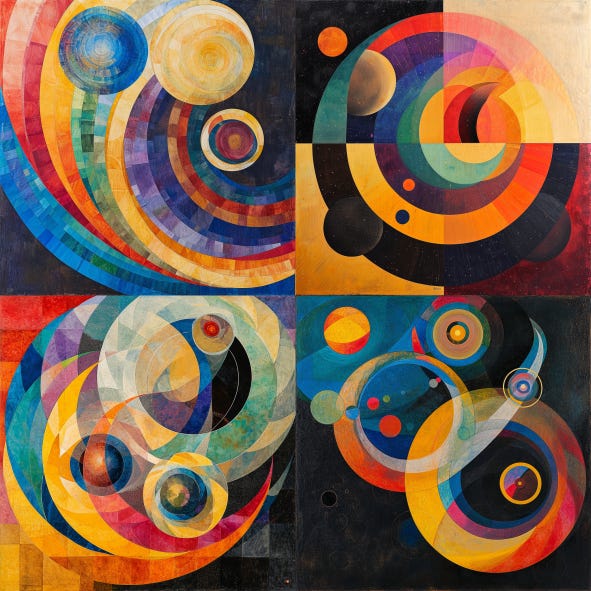
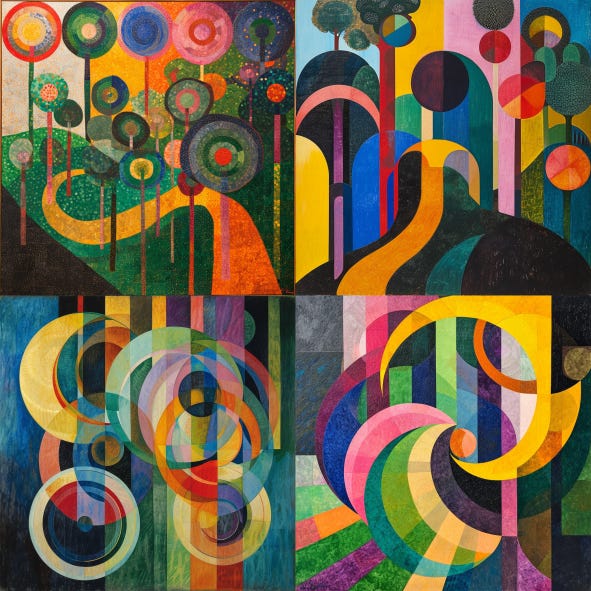
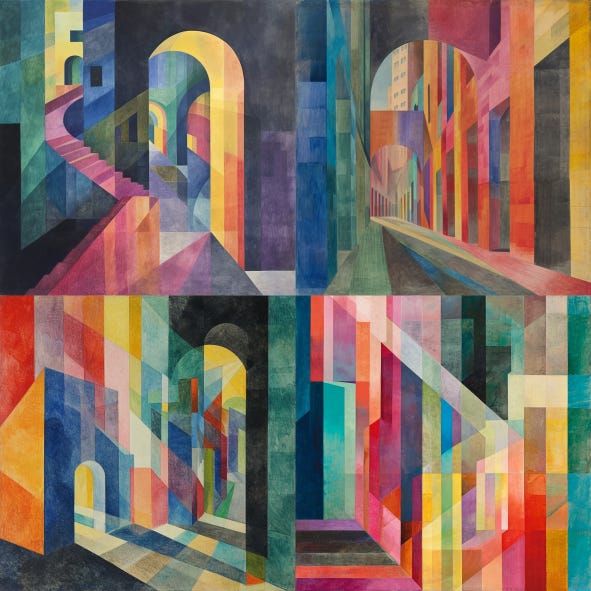
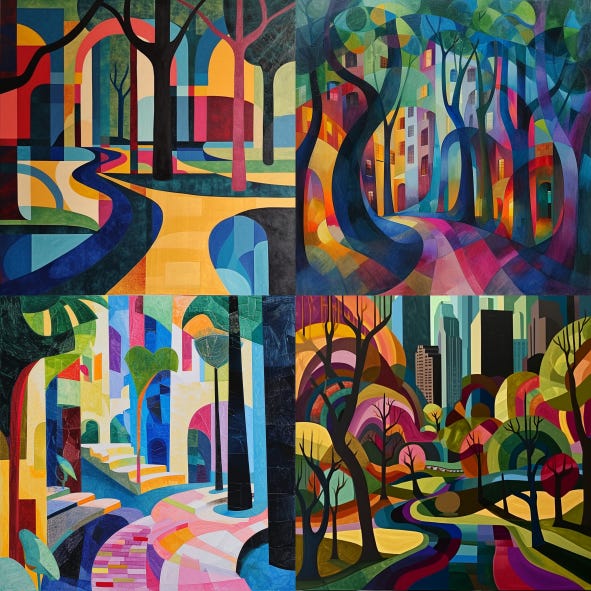
Orphism With Named Artist Influences
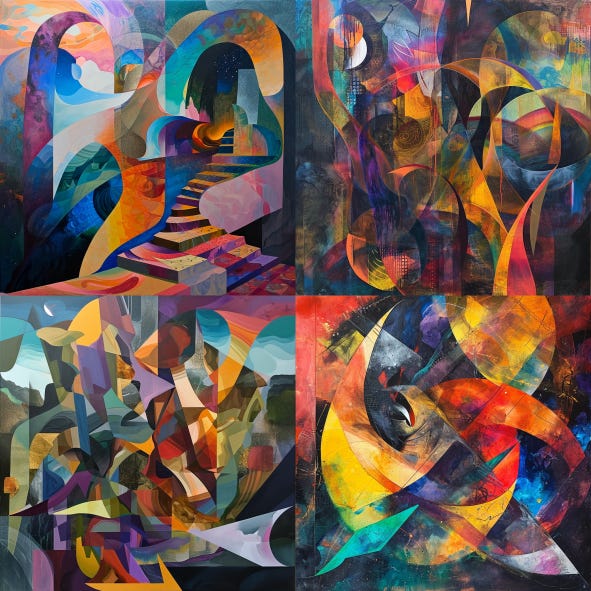
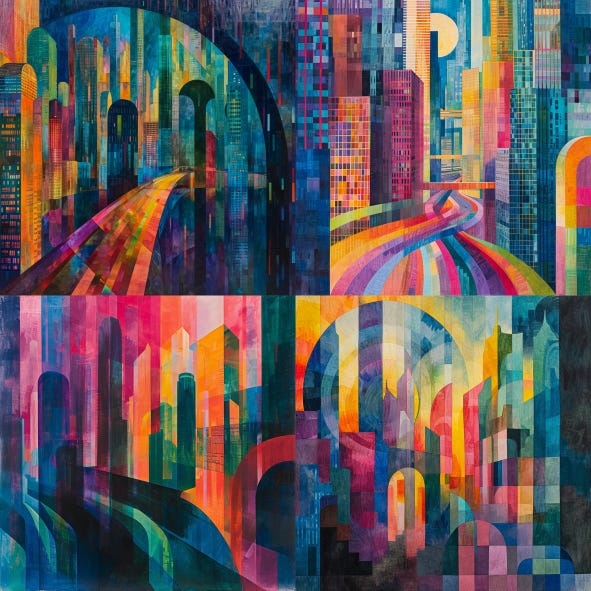
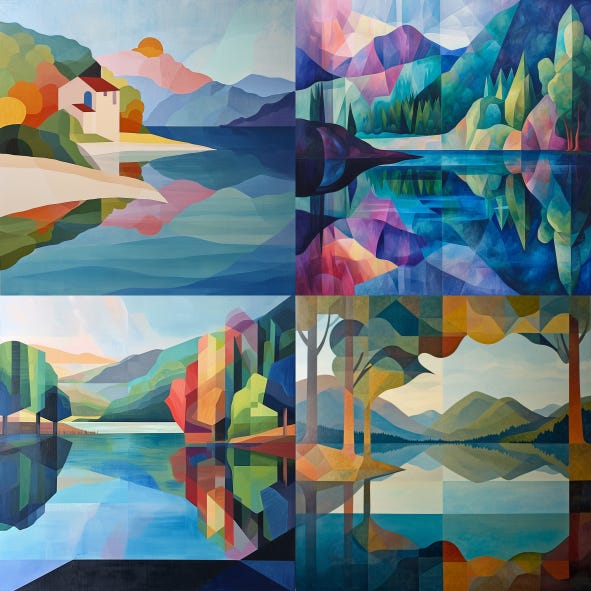
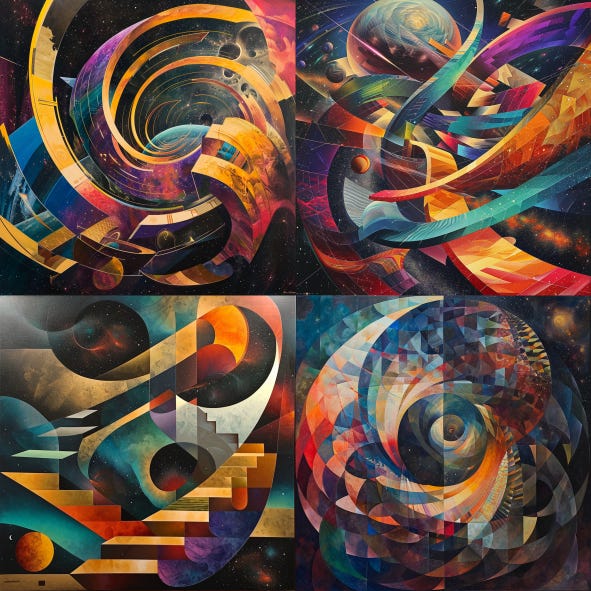
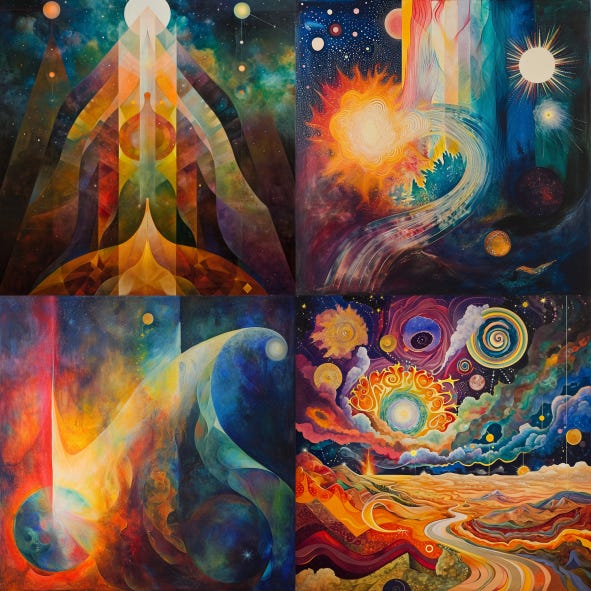
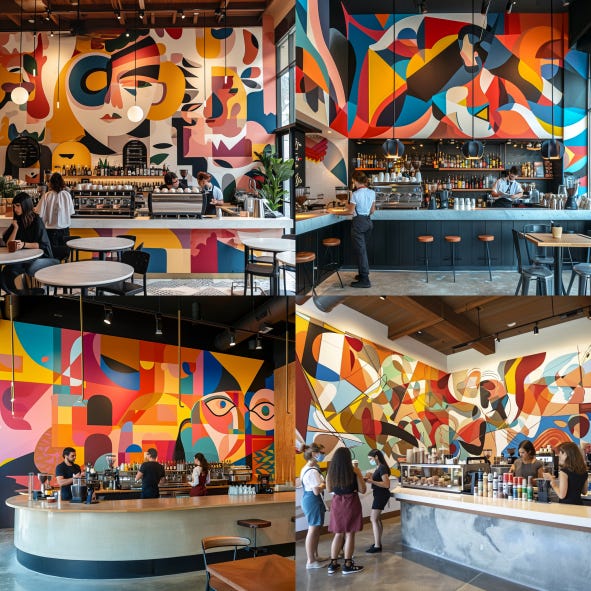
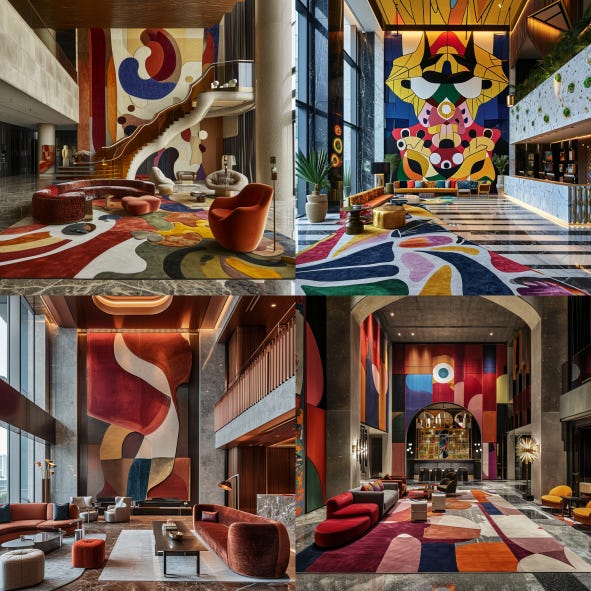
Despite the mixed opinions about this practice, I’ve included specific artists’ names for this first section of images. My goal is not to replicate their works but to channel their unique contributions to Orphism. This helps to illustrate the traditional style of the movement more vividly. By referencing these artists, we can better appreciate how their distinctive styles and approaches helped shape the essence of Orphism. The later image section uses only the art style without mentions of artists.
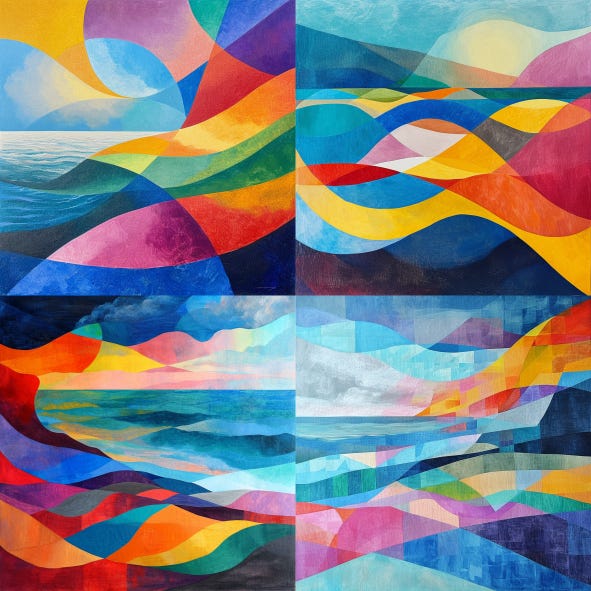
Orphism Reimagined: Beyond Artist Influences
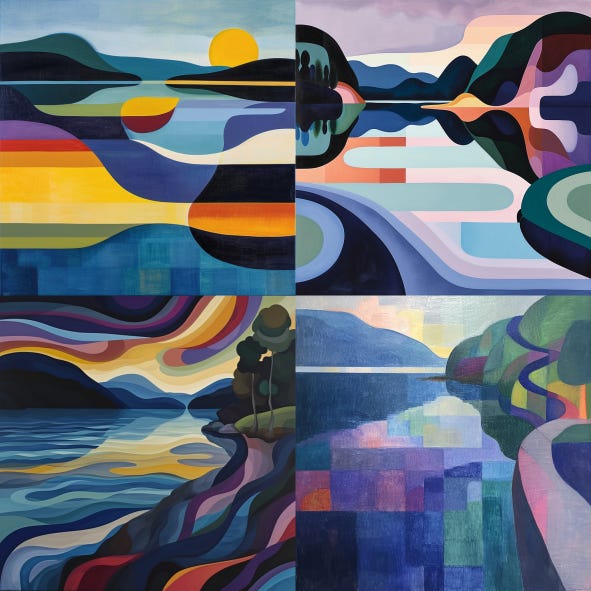
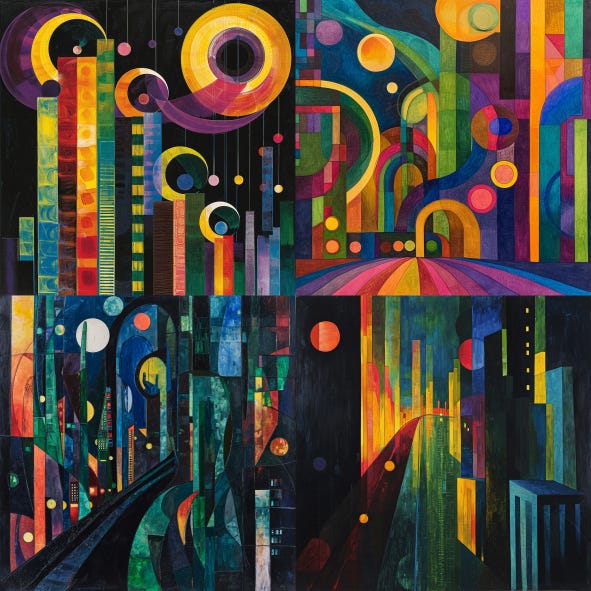
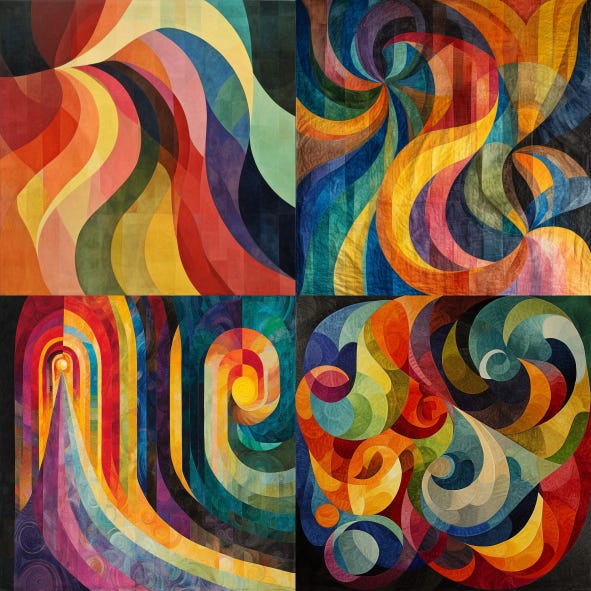
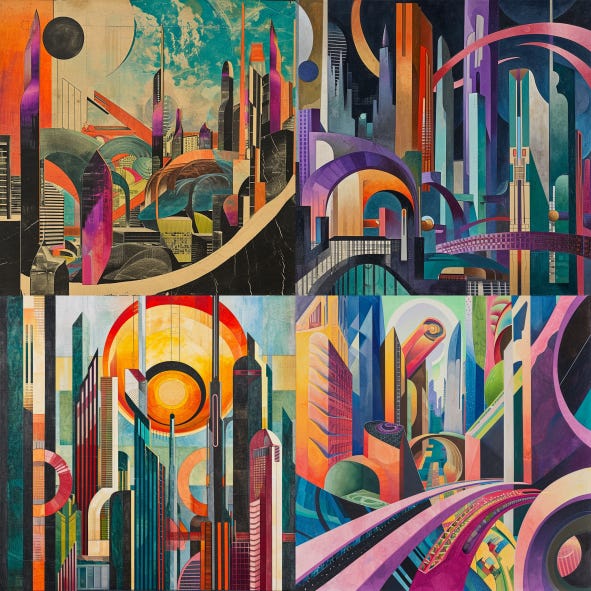
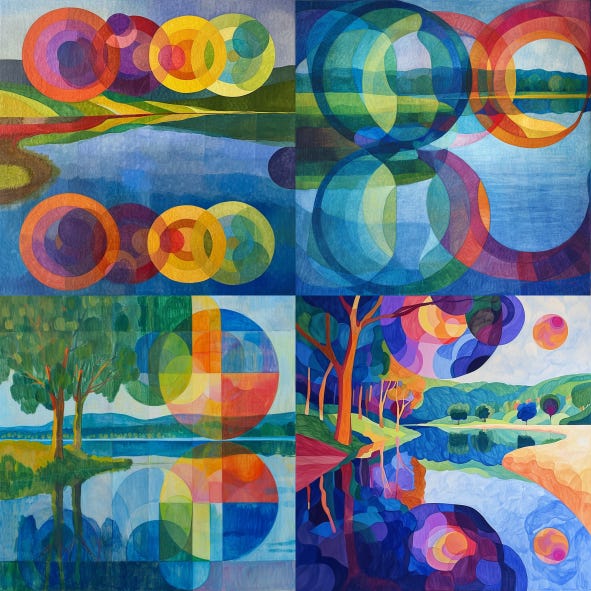
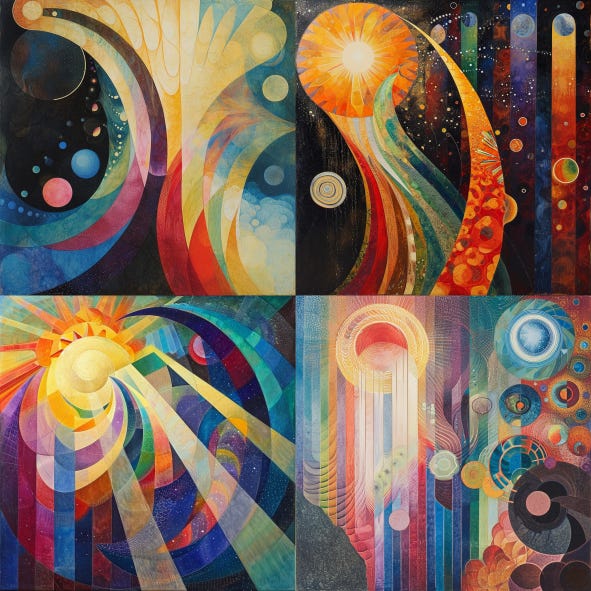
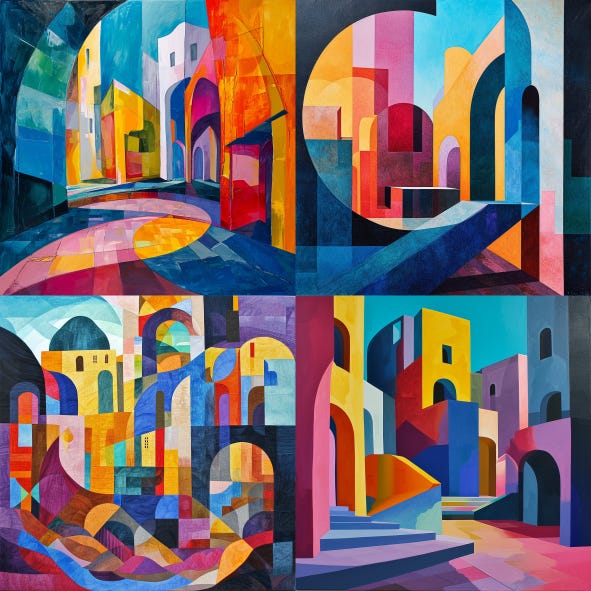
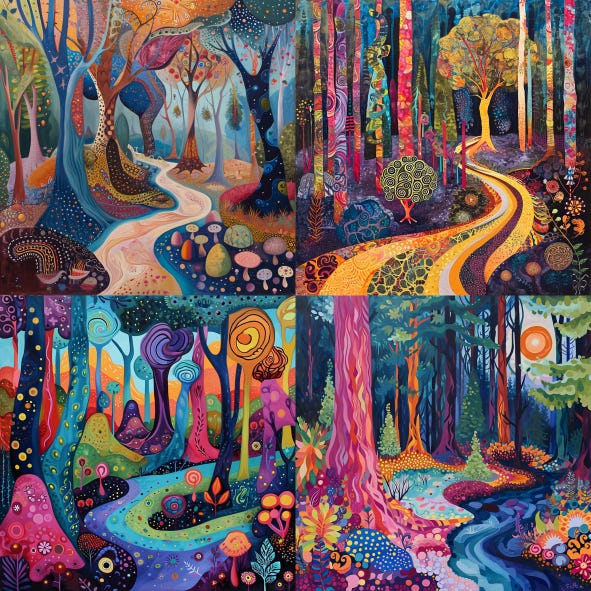
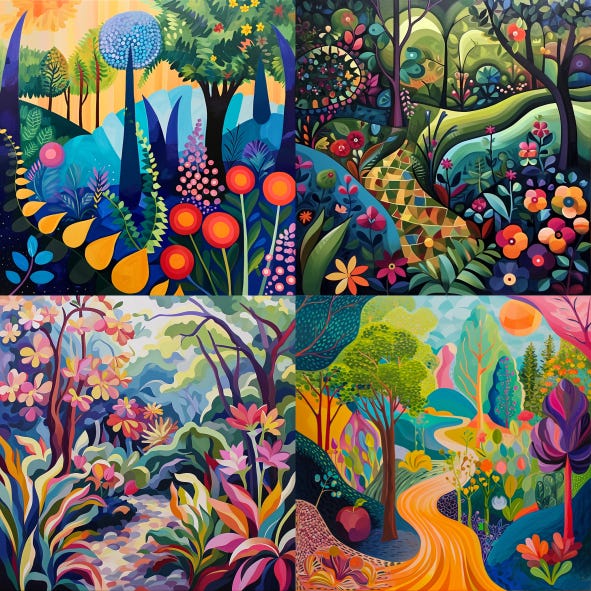
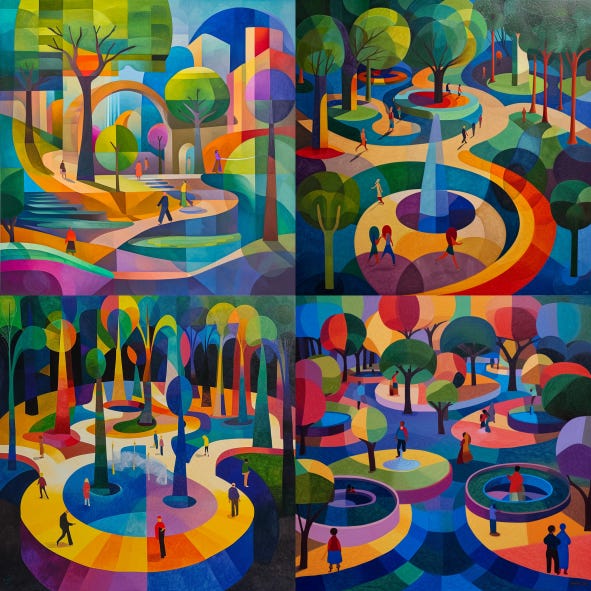
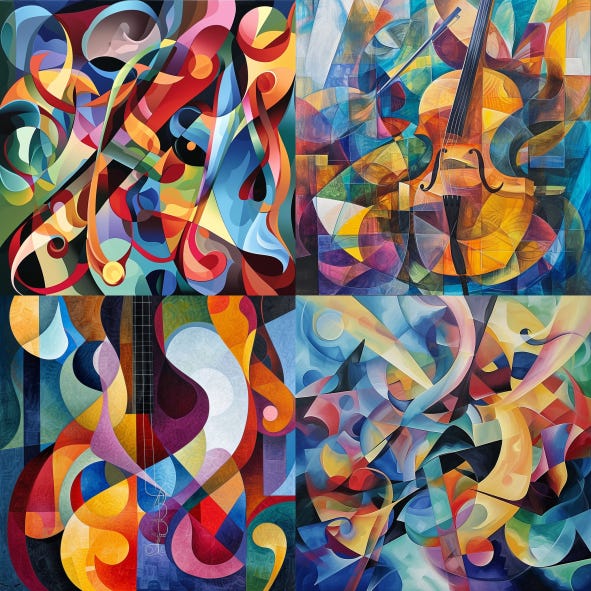
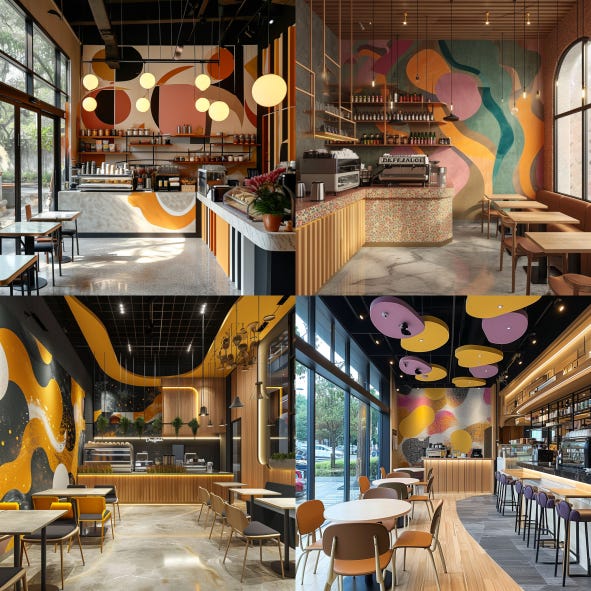
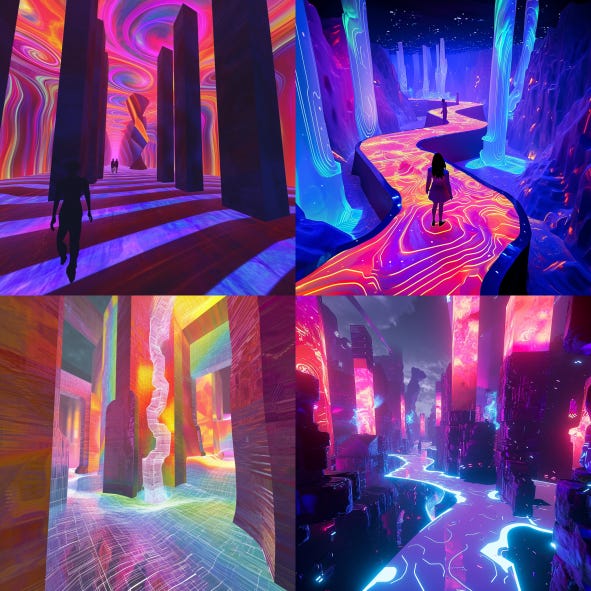
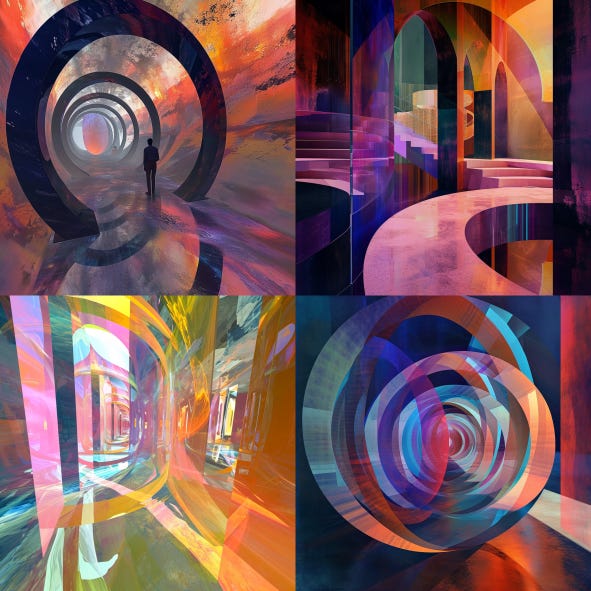
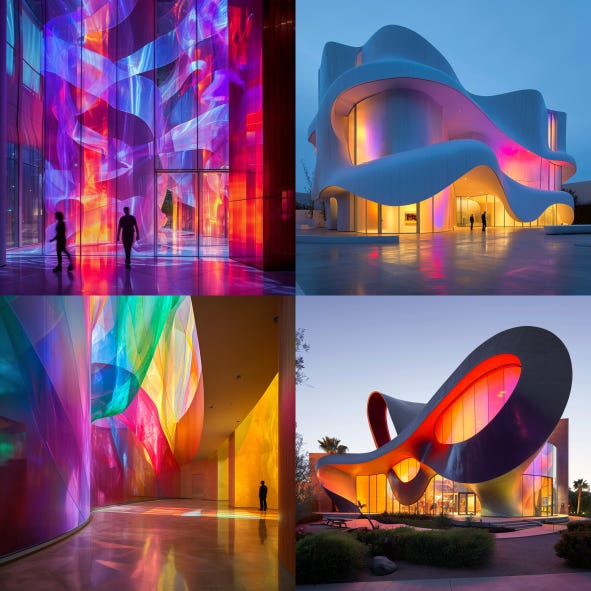
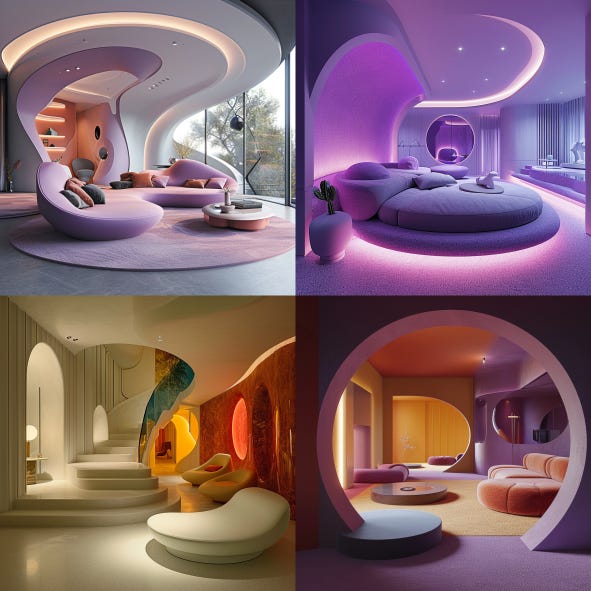
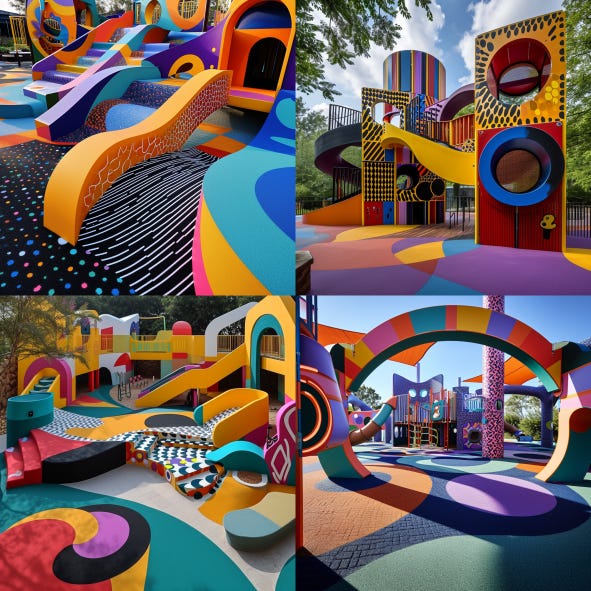
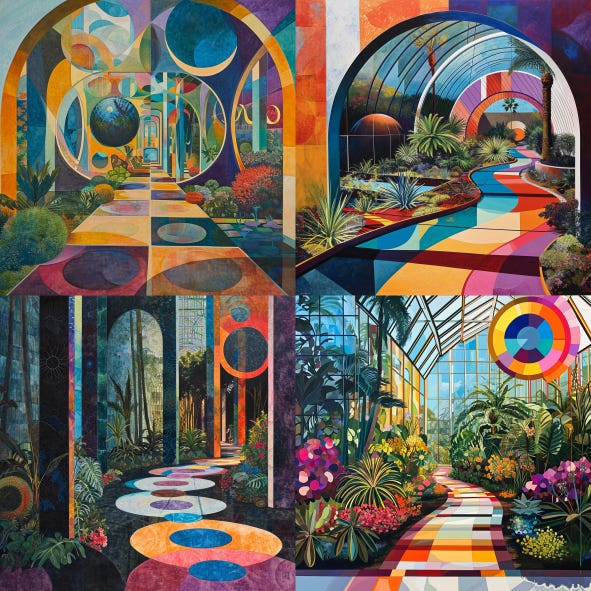
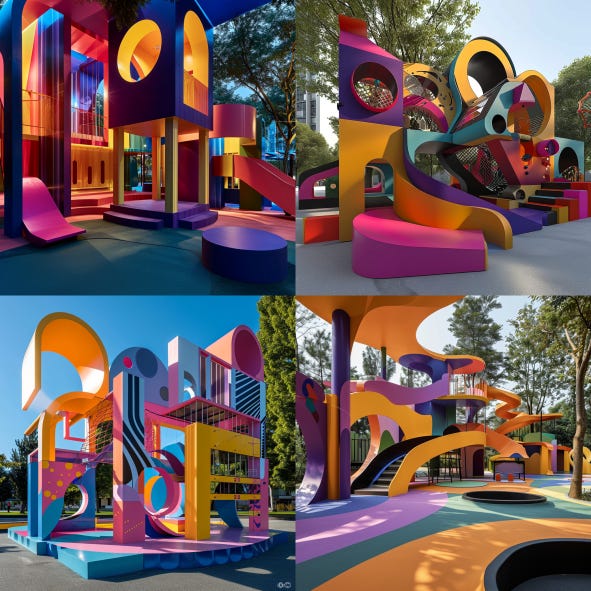
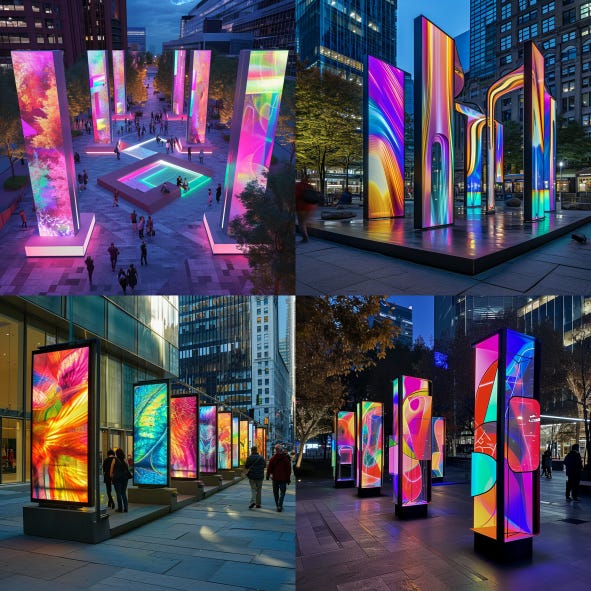
I want to share a personal note as we venture into this realm without the direct influence of named artists. While I’m not a trained art historian, my fascination and respect for Orphism’s unique style drive my explorations. Given its close ties with Cubism and other art movements, some images may veer slightly from traditional Orphism. This overlap isn’t just a challenge but an exciting aspect of working with generative AI, which interprets and combines art styles in novel ways.
Navigating these artistic nuances can be tricky, especially when determining how AI differentiates between closely related styles. I kindly ask for your understanding if some images stretch the boundaries of Orphism. After all, our aim here is to reimagine and refresh these styles, blending them with contemporary creativity. Any deviations from the norm are part of this exciting process of discovery and innovation.
Inspiration Lists:
Artists Most Associated with Orphism
· Robert Delaunay: Known for his innovative use of color and geometric shapes, Delaunay played a pivotal role in developing Orphism’s characteristic vibrant and rhythmic compositions.
· Sonia Delaunay: Sonia contributed significantly to Orphism through her exploration of the interaction between colors and shapes, bringing a unique sense of harmony and balance to the movement.
· Marcel Duchamp: While not typically associated directly with Orphism, Duchamp’s early work in Cubism and his exploration of movement and optical effects had a tangential influence on the development of Orphism.
· František Kupka: A pioneer in abstract art, Kupka’s work in Orphism is notable for its deep exploration of color theory and its relationship to musical harmony.
· Fernand Léger: Léger brought a bold, graphic quality to Orphism, integrating elements of modern industrial society into his abstract compositions.
· Jean Metzinger: Metzinger’s work, which often incorporated elements of both Cubism and Orphism, helped to bridge the gap between these two movements, particularly in their shared interest in geometric abstraction.
· Francis Picabia: His diverse and experimental approach helped bridge Orphism with other avant-garde movements, infusing it with a sense of dynamism and diversity.
· Jacques Villon: Villon contributed to Orphism with his intricate and complex compositions, often layering shapes and colors to create a sense of depth and movement.
Aspects of the Style That Make It Stand Out
- Abstract Color Compositions
- Circular Forms and Discs
- Emphasis on Rhythm and Musicality
- Exploration of Simultaneity
- Harmonious Use of Color
- Luminous and Vibrant Palette
- Overlapping and Intersecting Planes
- Pure Abstraction
- Sense of Movement and Dynamism
- Use of Geometric Shapes
Additional Words to Evoke the Art Style
- Chromatic Intensity
- Colorful Abstraction
- Dynamic Cubism
- Lyrical Imagery
- Musical Harmonies
- Orphic Cubism
- Radiant Forms
- Rhythmic Patterns
- Visual Symphony
- Vivid Geometries
Common Themes in Orphism
- Abstraction of Nature
- Color as a Language
- Cosmic Imagery
- Interplay of Light and Color
- Musical Inspiration
- Nonrepresentational Art
- Optical Sensations
- Synthesis of Art and Music
- Transformation of Visual Perception
- Unity of Visual and Aural Arts
In Conclusion
In our ‘PromptDervish Pastiches: Orphism Reinterpreted with AI,’ we’ve embarked on a journey that revisited the lyrical and vibrant essence of Orphism. We explored how this unique art movement, known for its harmonious blend of color, light, and rhythm, can be reimagined in the realm of AI. By leveraging the capabilities of Midjourney V6, we’ve seen Orphism’s principles of pure abstraction and dynamic color play come to life in new and unexpected ways. This journey paid homage to the foundational elements of Orphism and pushed the boundaries, exploring how these concepts can evolve and resonate in our modern digital landscape.
Your engagement with this exploration means a lot to me. If you’ve found inspiration in this colorful and rhythmic reinterpretation of Orphism, I would be delighted to receive your claps (up to 50 are welcome!). Your support and appreciation fuel my passion for delving deeper into the fascinating world of art and AI. Remember to follow for more insightful and creative articles as we continue to rediscover and breathe new life into historical art movements through the innovative lens of AI. Let’s keep exploring AI art generation's endless possibilities, blending the past with the future to create something truly extraordinary.