PromptDervish Pastiches: Classic Impressionism Reenvisioned with AI
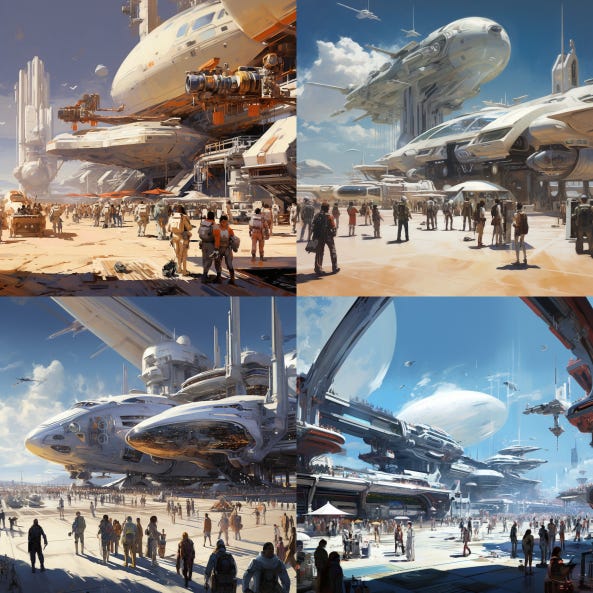
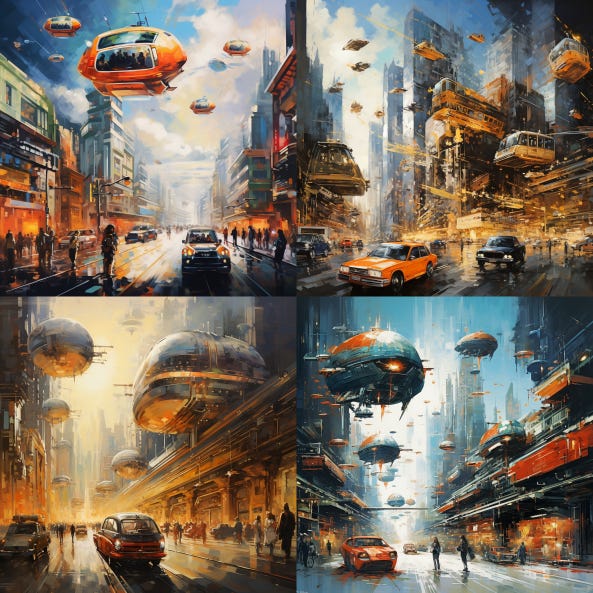
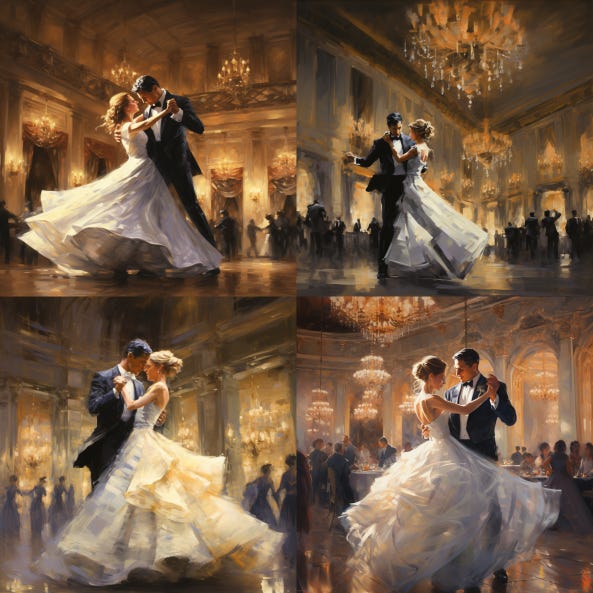
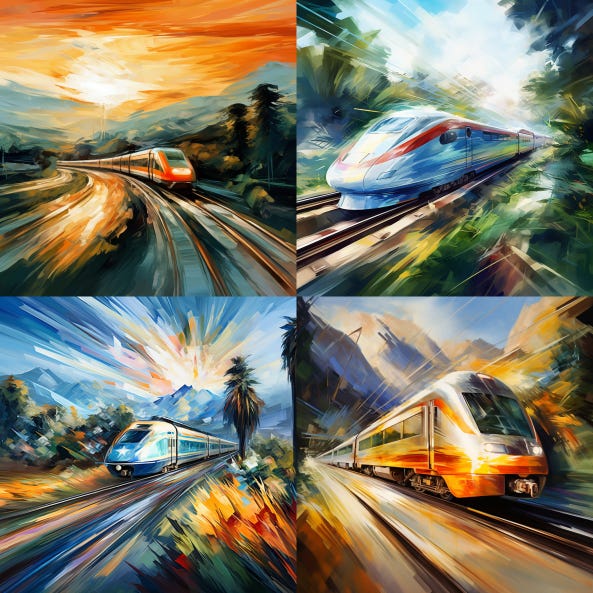
Welcome to the inaugural edition of “PromptDervish Pastiches: Art Styles Reenvisioned with AI!” This new series aims to delve into various art styles using Midjourney, offering a fresh perspective on each style through AI. Unlike the Cookbook series, which focuses on a wide range of artistic explorations, this series hones in on specific art movements, providing a more focused and concise exploration. Each article will feature both typical images influenced by notable artists and innovative interpretations of the style with modern subjects, using AI to reimagine how these art styles could evolve. The series includes an inspiration section detailing prominent artists and key characteristics of each style to help you craft your perfect AI-generated artwork.
Today’s journey is more than a revisit to the beloved Classic Impressionism; it’s an endeavor to stretch its boundaries with Midjourney’s AI capabilities. We aim to display the potential of AI in capturing and expanding the essence of Classic Impressionism, pushing beyond its traditional definitions to spark creativity and learning.
About Classic Impressionism
Classic Impressionism, a groundbreaking movement in late 19th-century France, marked a significant shift from traditional art forms. Characterized by small, visible brush strokes, an open composition, and a focus on accurately depicting light and its effects, this style captures the fleeting impressions objects make on the eye. Renowned artists like Claude Monet, Pierre-Auguste Renoir, and Camille Pissarro were at the forefront of this movement, often painting outdoors to truly embody the natural light and color in their work.
Distinct for its emphasis on the overall impact over meticulous detail, Classic Impressionism contrasts sharply with the precise techniques of earlier art movements, favoring spontaneity and the artist’s personal perception. It shares elements with Post-Impressionism and Neo-Impressionism, both of which evolved from Impressionist ideas, experimenting in their unique ways with color and form.
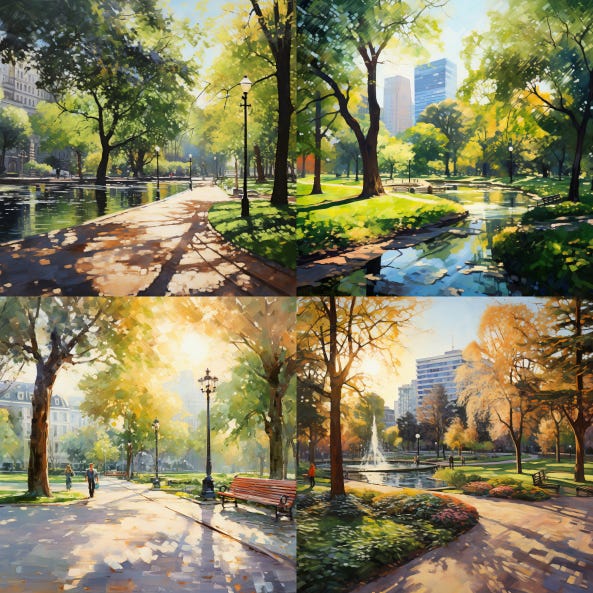
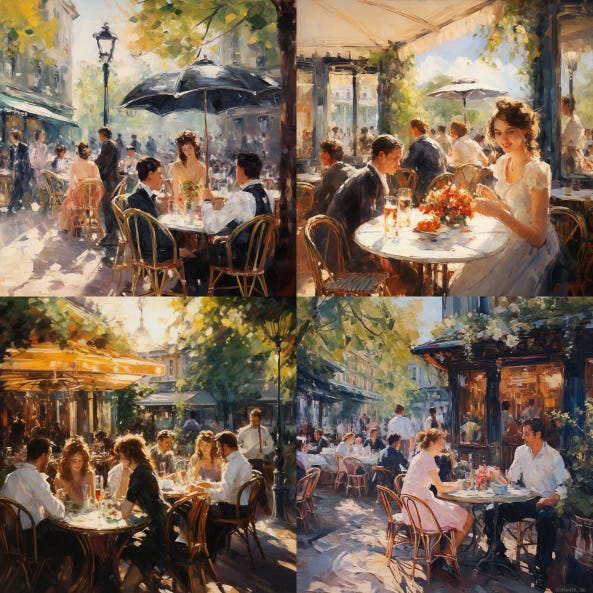
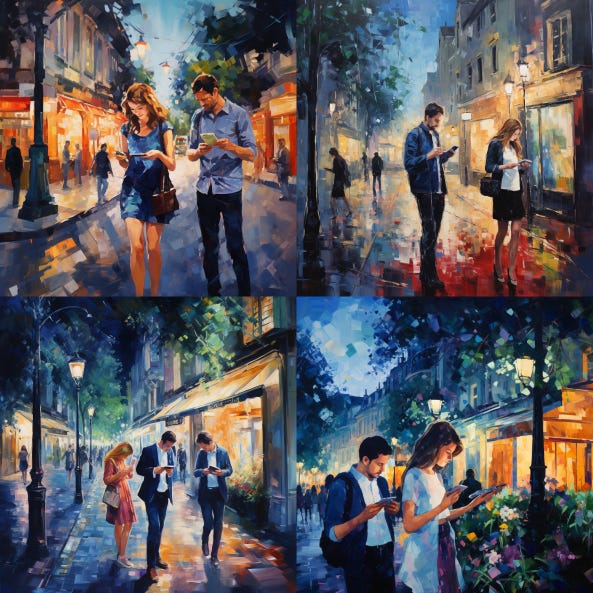
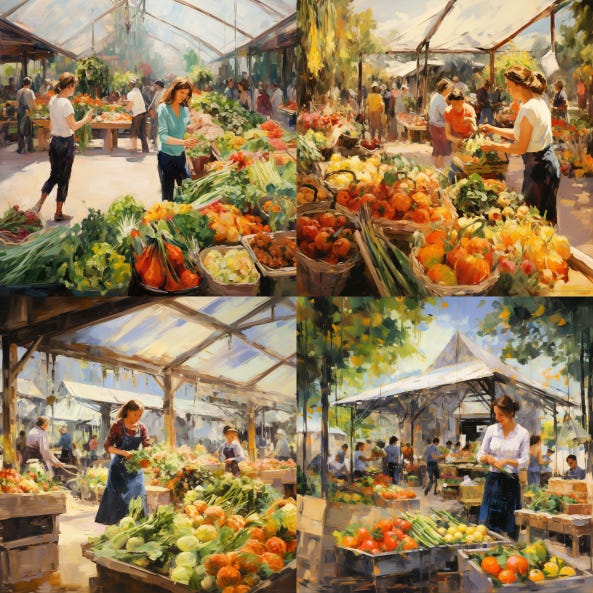
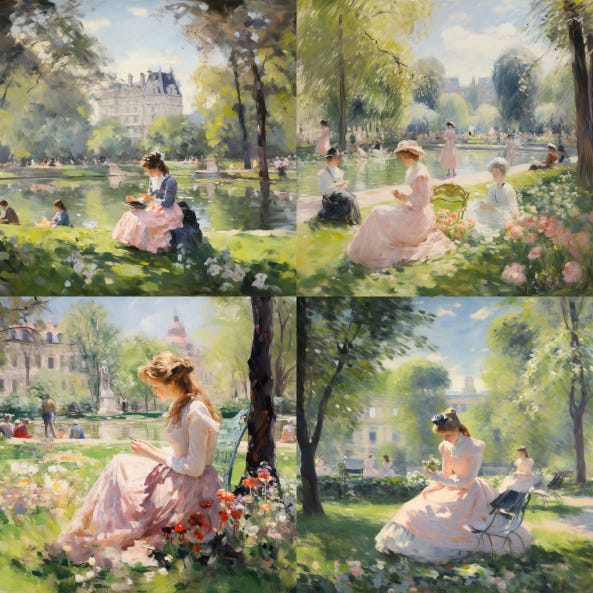
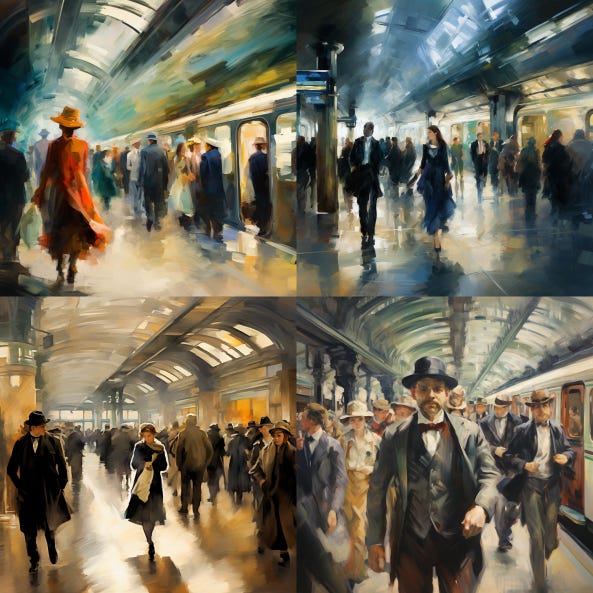
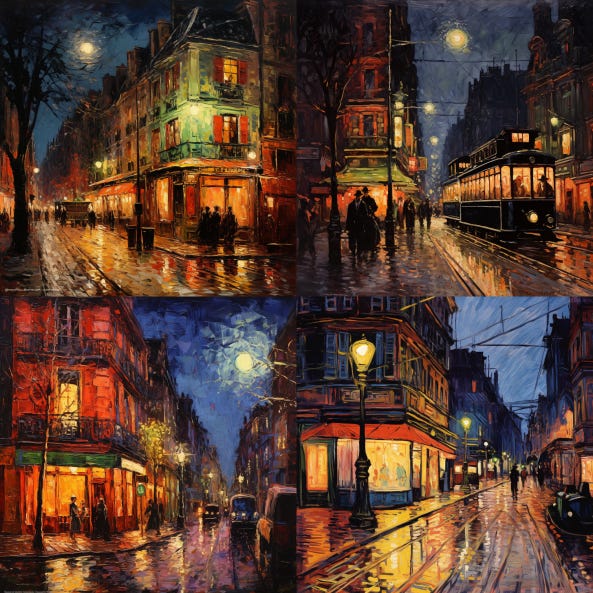
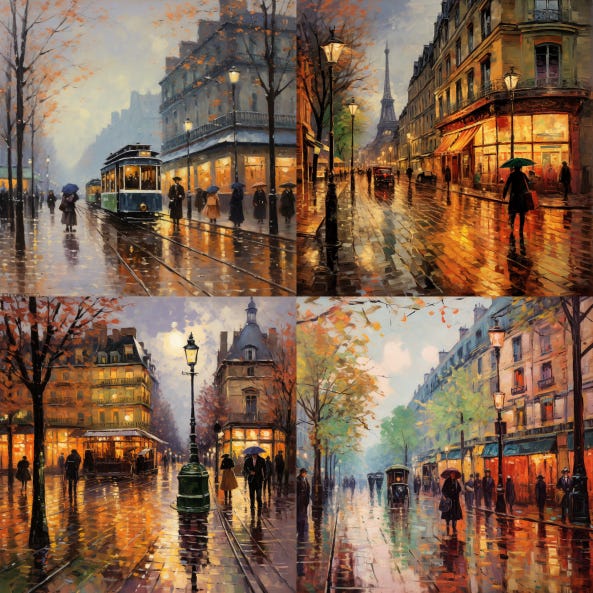
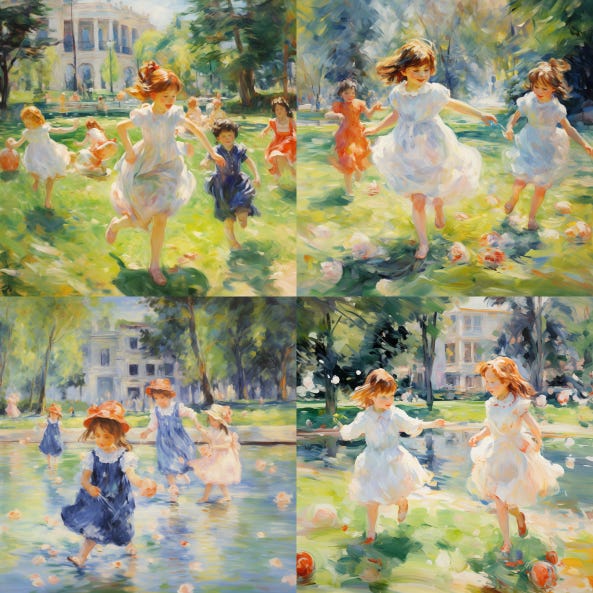
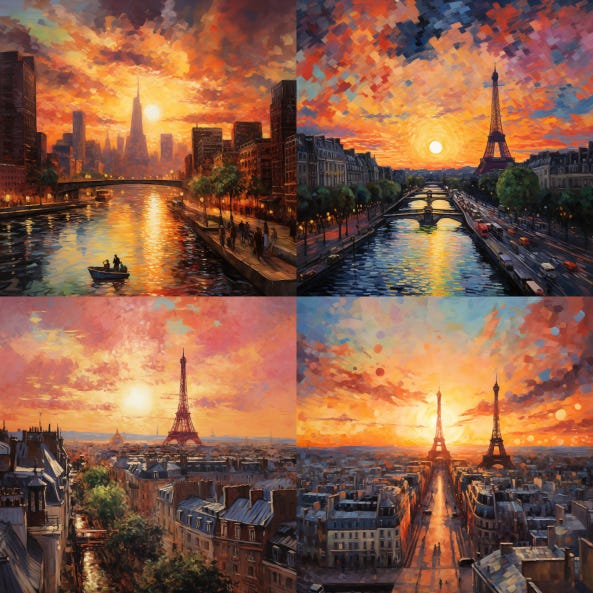
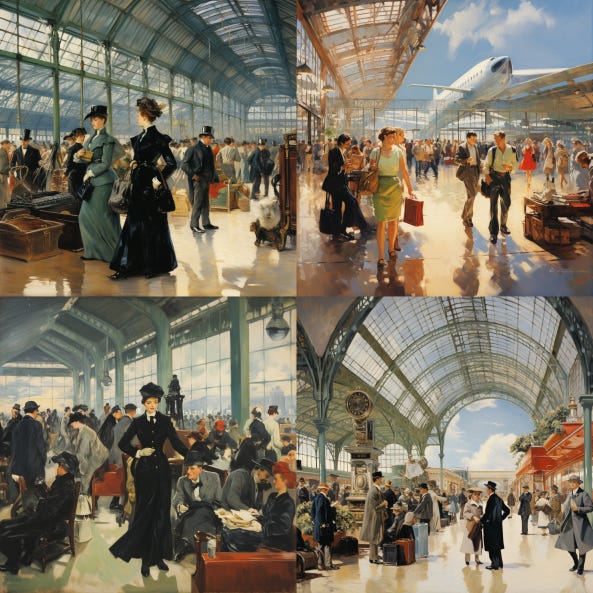
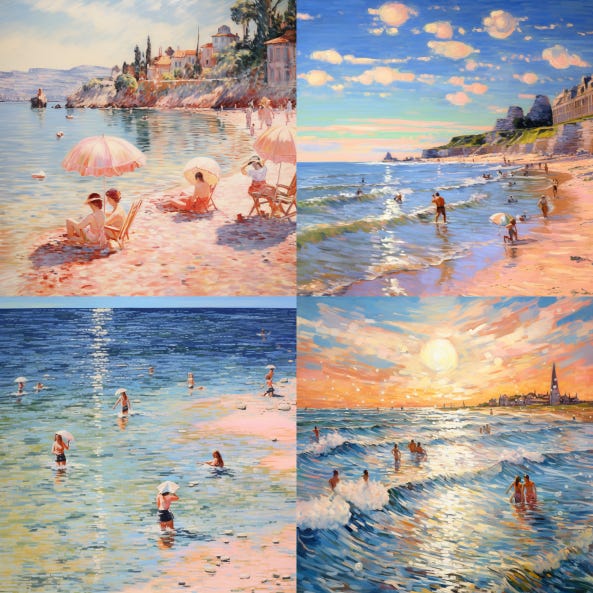
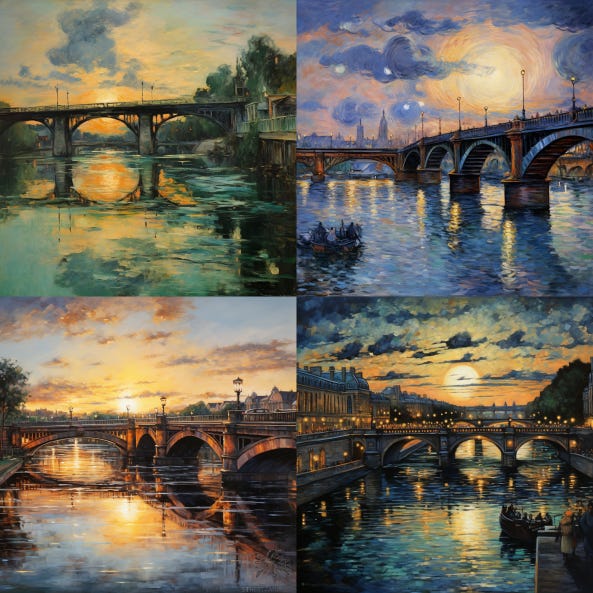
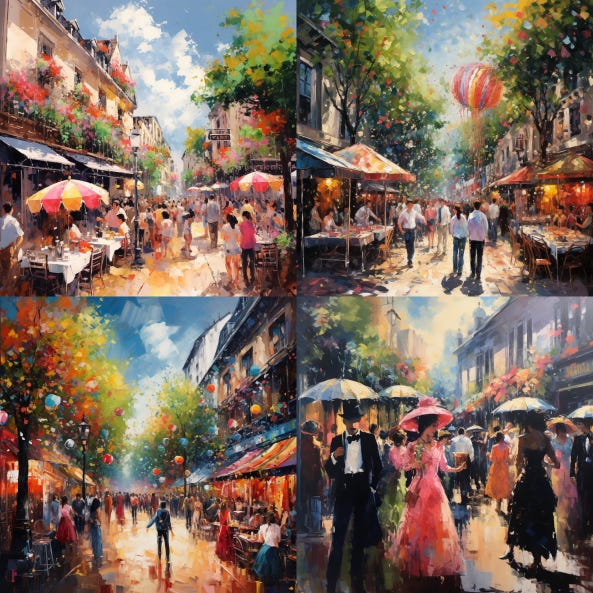
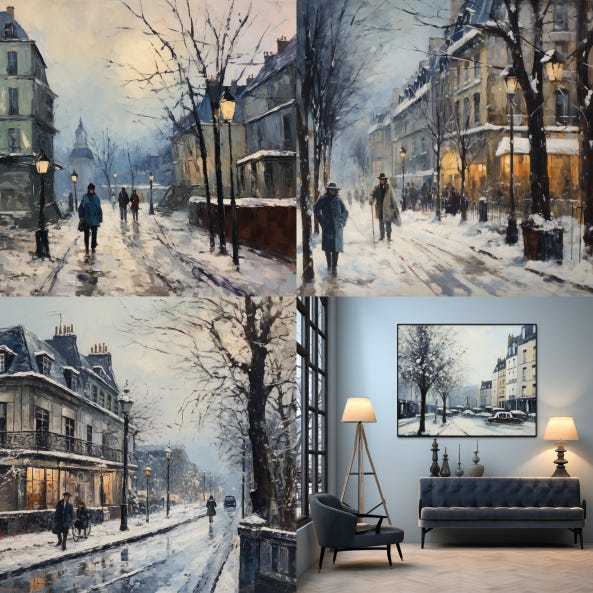
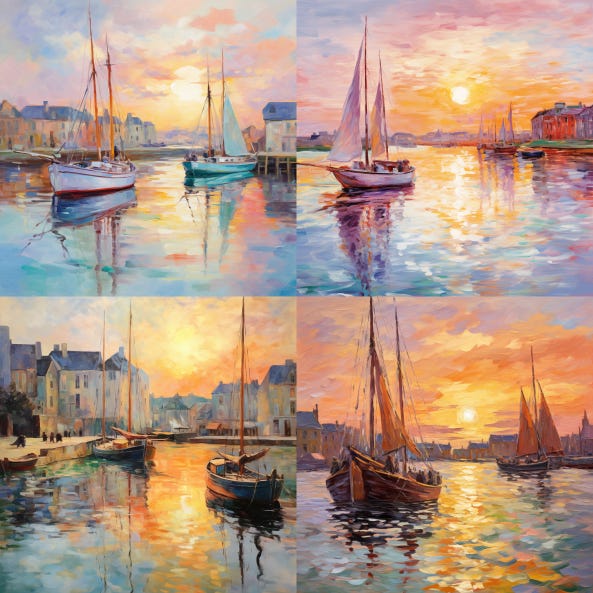
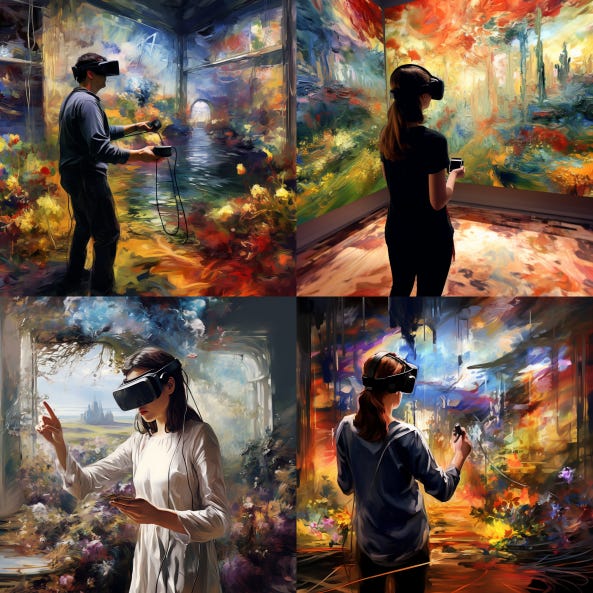
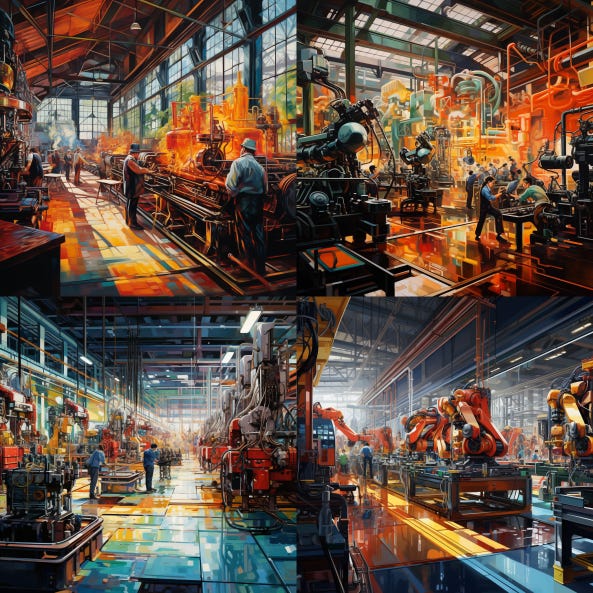
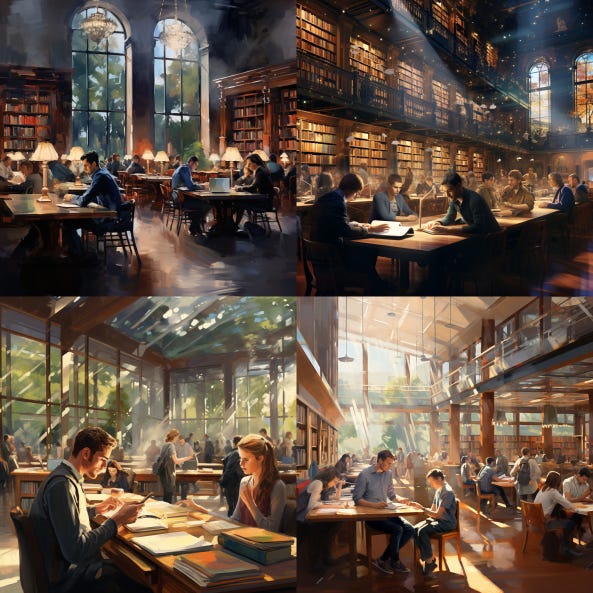
I found in my explorations that using the artist's names seemed to provide a much more old-fashioned-looking image, contemporary to when the artist was working. It appears easier to pull out more modern-looking images by invoking the art style without any artist named in the prompt.
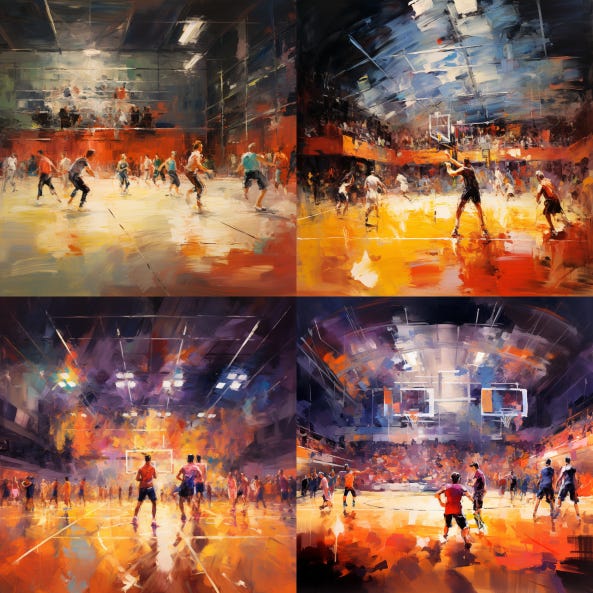
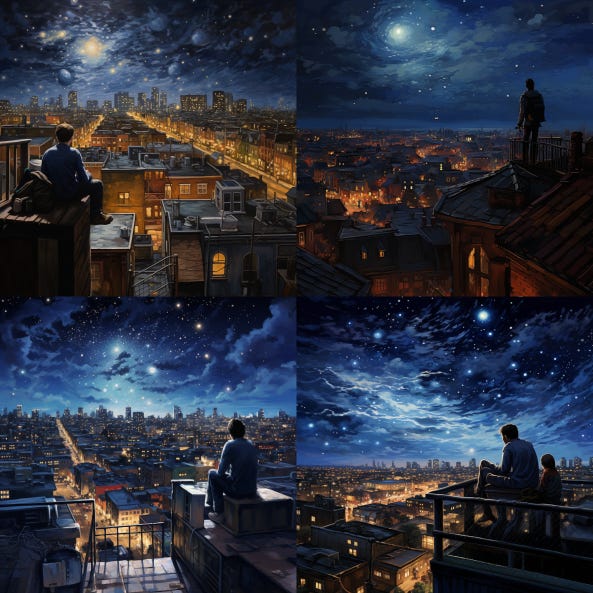
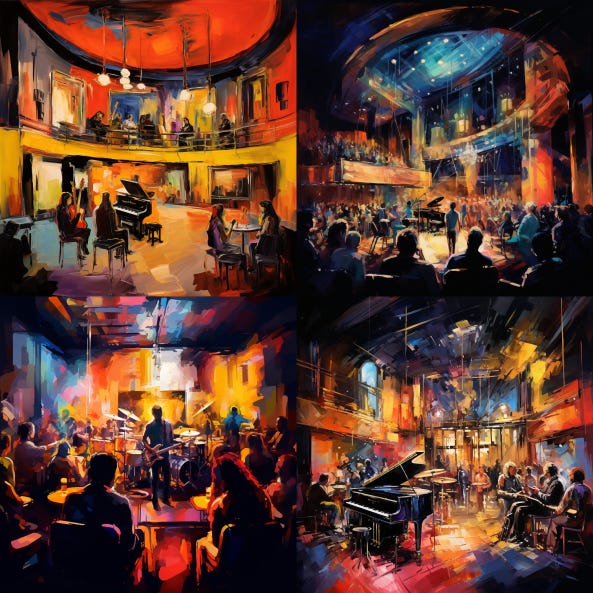
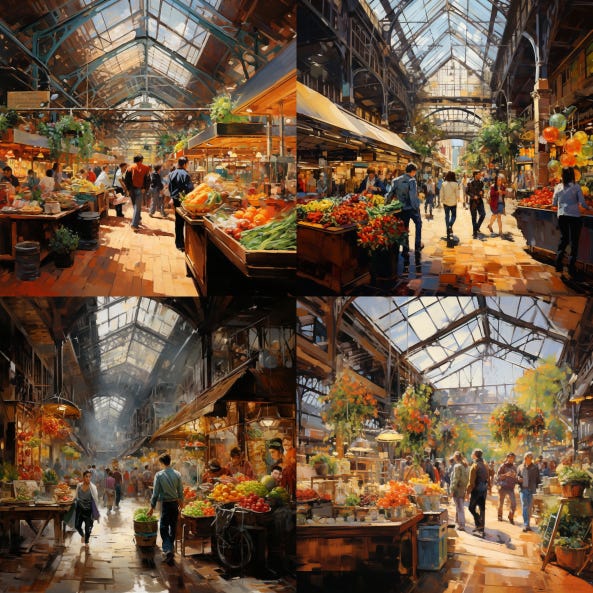
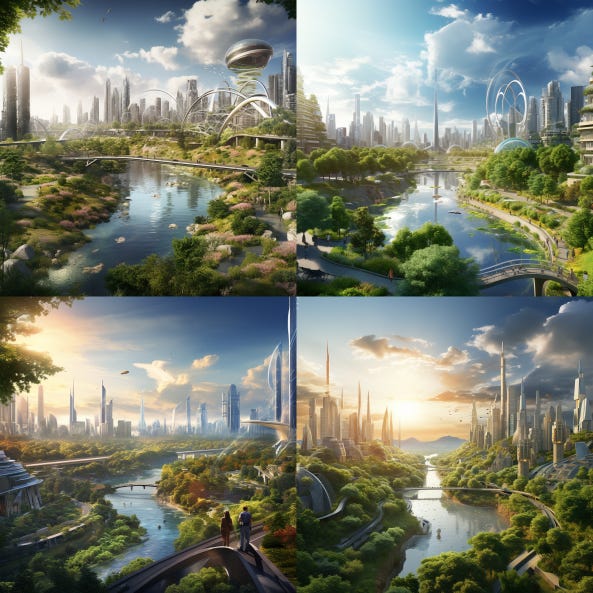
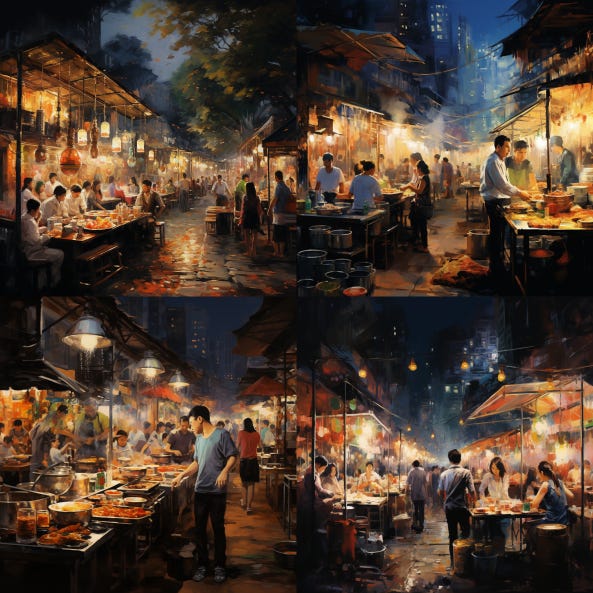
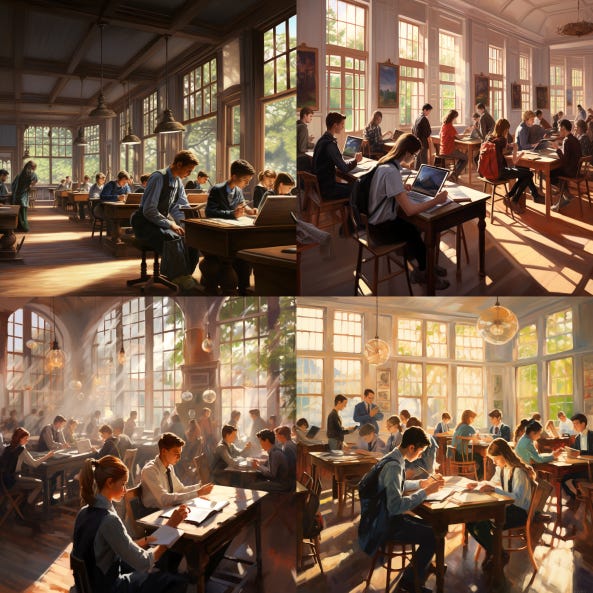

Classic ImpressionismStyle Inspirations
Artists Most Associated with Classic Impressionism
• Alfred Sisley • Berthe Morisot • Camille Pissarro • Claude Monet • Edgar Degas • Gustave Caillebotte • Mary Cassatt • Pierre-Auguste Renoir • Édouard Manet
Aspects of the Style That Make It Stand Out
- Light and Shadow: Capturing the changing quality of light and its effects on subjects.
- Visible Brushstrokes: Quick, thick strokes of paint capturing the essence of the subject rather than details.
- Open Composition: Elements of the painting seem to extend beyond the visible canvas.
- Vivid Colors: Bright, often unmixed colors to create a vivid, lively impression.
- Ordinary Subject Matter: Focus on everyday scenes and moments in life.
- En Plein Air: Painting outdoors to capture the true essence of natural light.
- Movement and Spontaneity: A sense of immediacy and the fleeting nature of moments.
- Varied Angles and Perspectives: Unconventional angles to provide a fresh perspective.
Additional Words to Evoke the Classic Impressionist Art Style
· Bustling streets · Daily life · Dappled light · Floral arrangements · Intimate portraits · Leisure activities · Luminous skies · Modern life vignettes · Pastoral scenes · Reflective surfaces · Seasonal changes · Serene waterscapes · Social gatherings · Sunlit meadows · Tranquil cafes · Urban landscapes · Vibrant gardens
In Conclusion
As we conclude our artistic journey through the world of Classic Impressionism reenvisioned with AI, I want to extend a heartfelt thank you for joining me on this exploration. We’ve delved into the vibrant and dynamic world of Impressionist art, seeing how its timeless techniques and styles can be beautifully adapted and transformed in the realm of digital art through AI.
I hope this article has not only provided you with a deeper appreciation for Classic Impressionism but also inspired you to experiment and create your own AI-generated masterpieces. If you’ve enjoyed this journey and found value in it, please consider showing your support with a clap — you have up to 50 to give, and each one is greatly appreciated!
For more explorations into the fascinating world of art styles and AI, I encourage you to follow me here on Medium. Stay tuned for more articles in the “PromptDervish Pastiches” series, where we’ll continue to rediscover and reimagine various art styles, pushing the boundaries of creativity and technology. Thank you once again for your time and engagement. Your support and interest make these deep dives into the art world all the more rewarding and exciting. Happy creating, and see you in the next article!