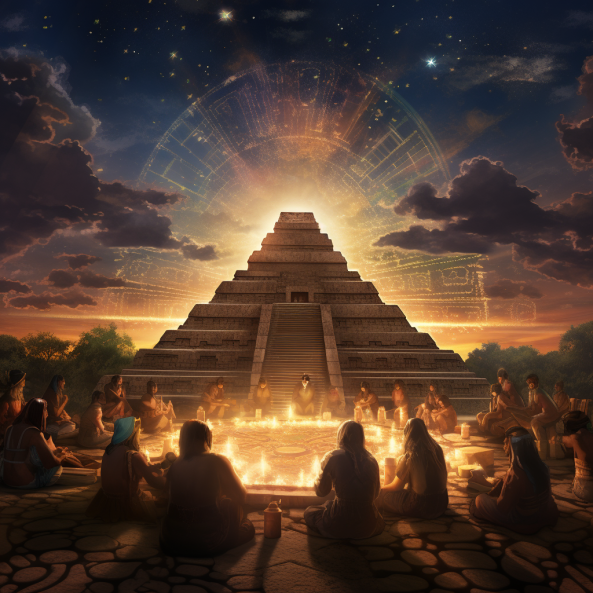
PromptDervish Cookbook — Unveiling Mesoamerican Wonders
Welcome to this installment of the PromptDervish Cookbook, where we’re venturing into the fascinating world of Mesoamerican Pyramids and lush Rainforests. Our journey spans a myriad of civilizations, from the Aztecs to the Mayans, and even dives into the rich flora and fauna that make this region so distinct.
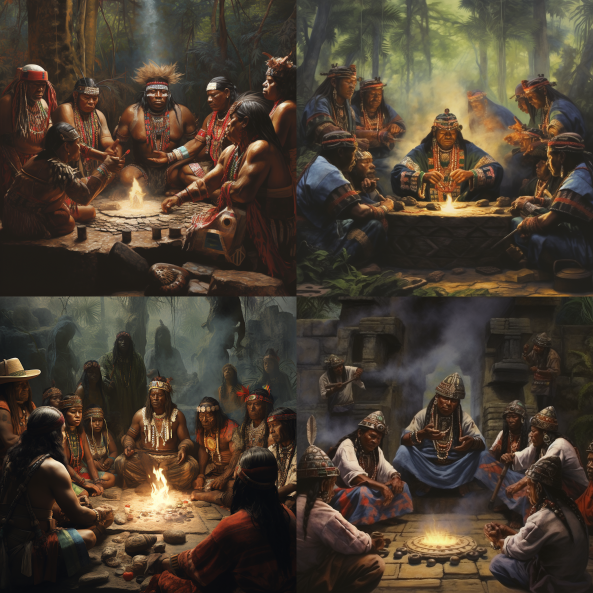
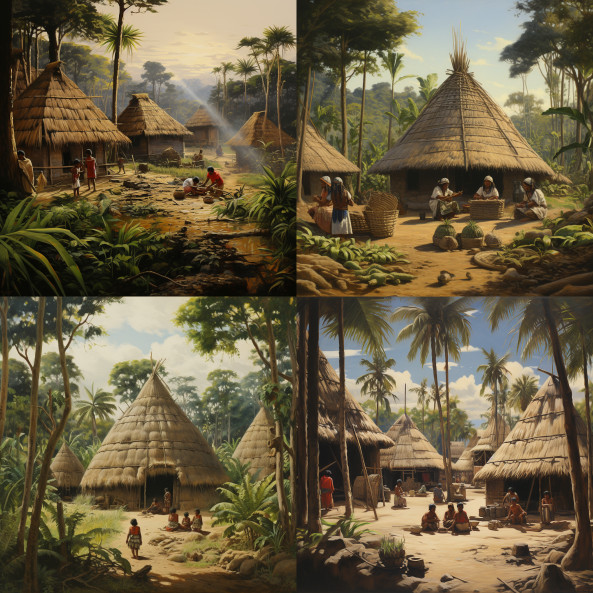
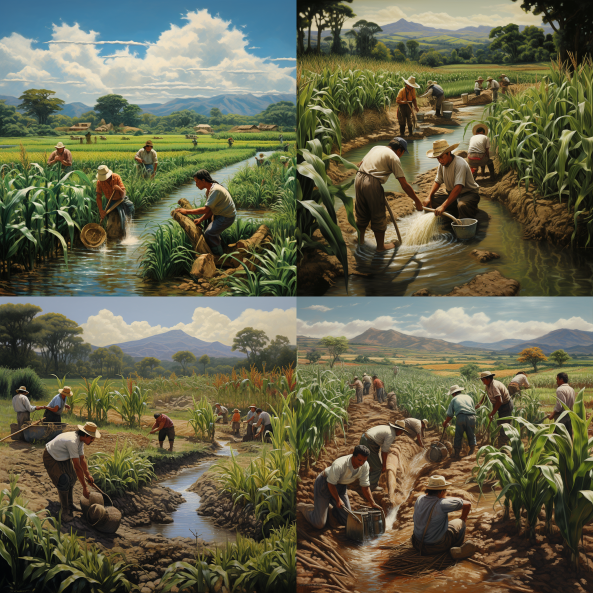
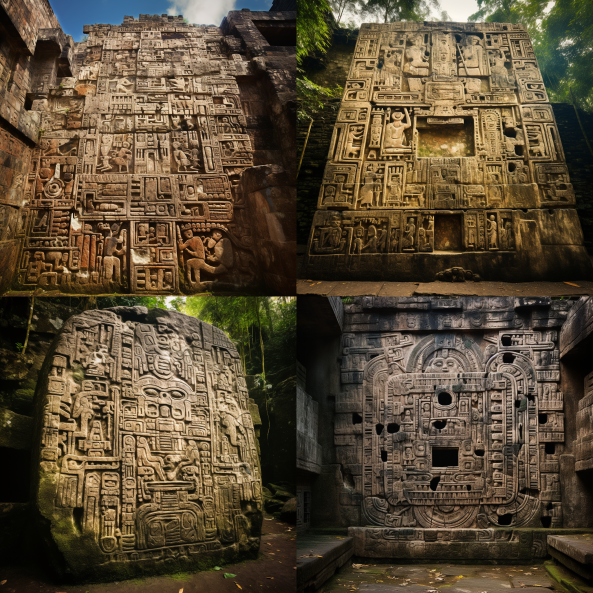
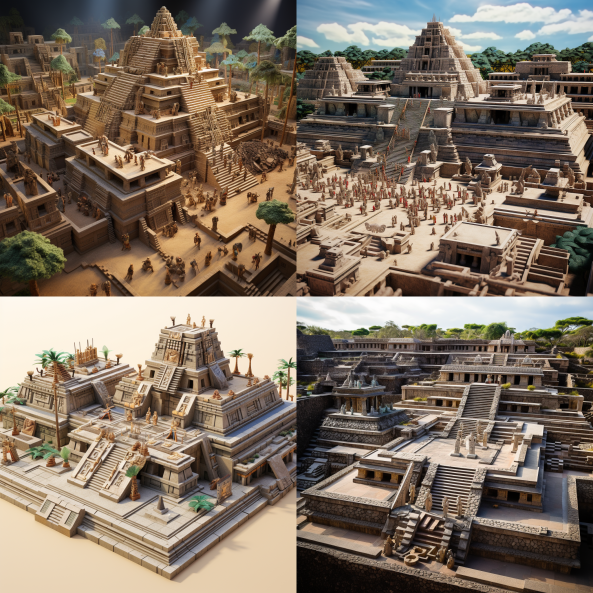
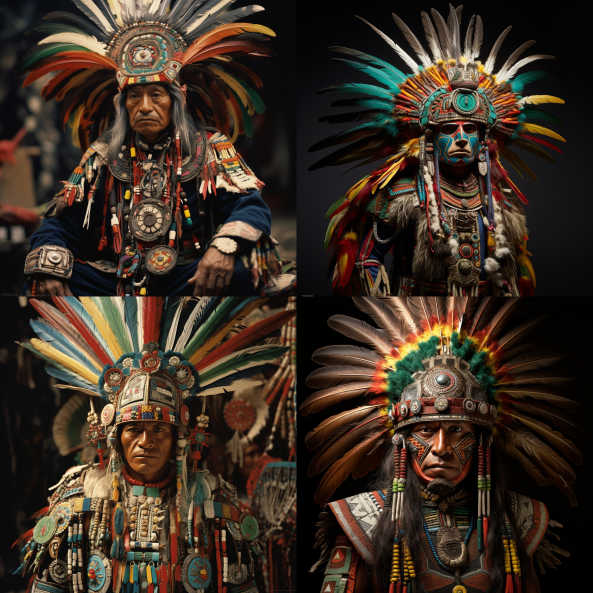
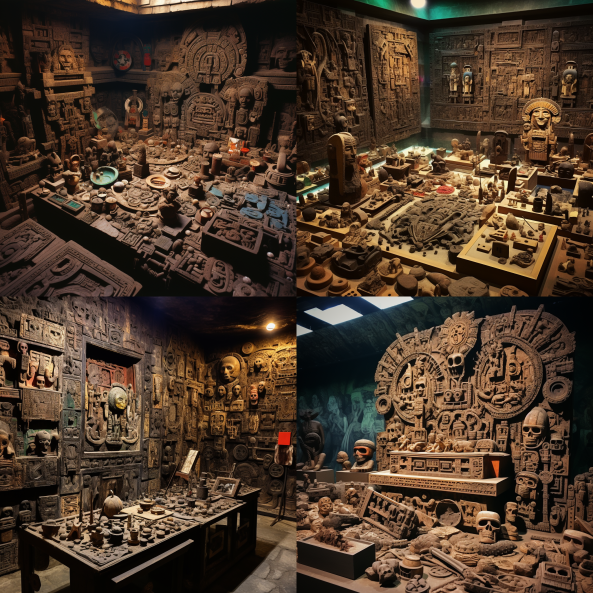
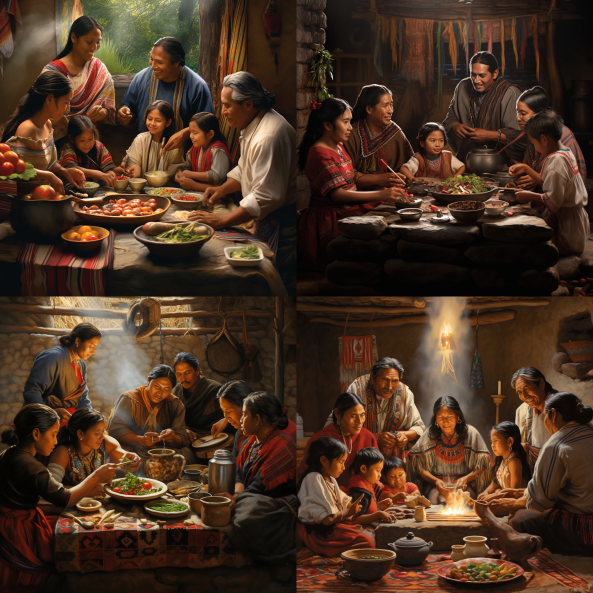
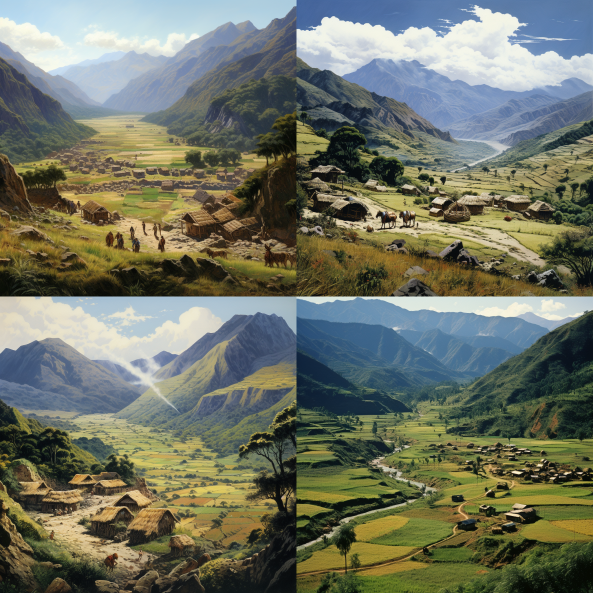
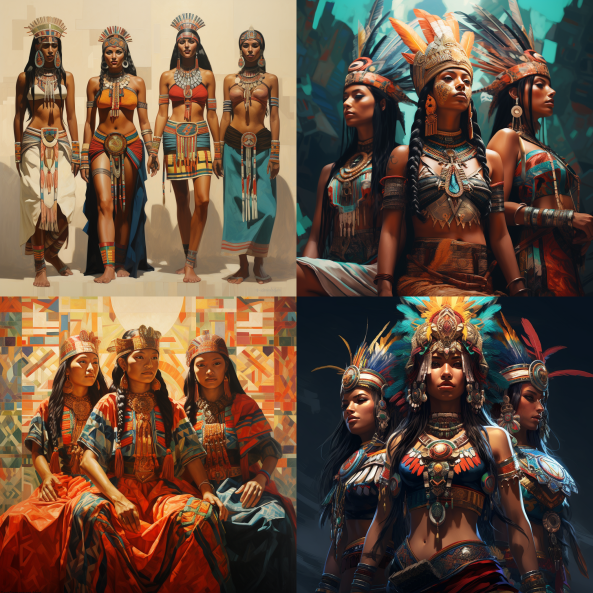
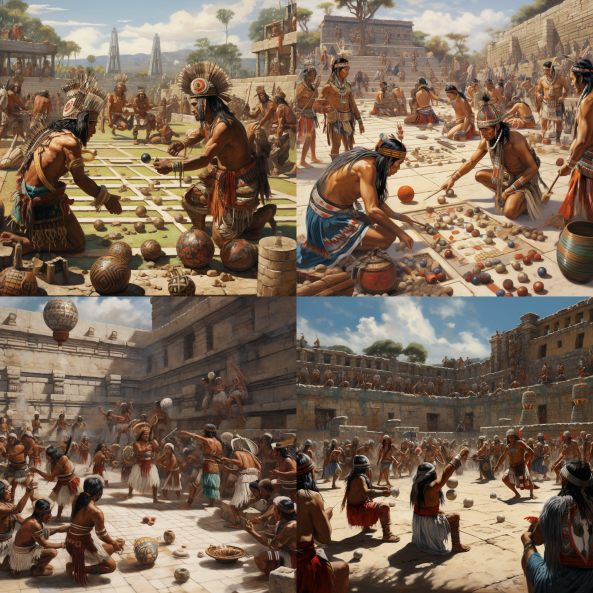
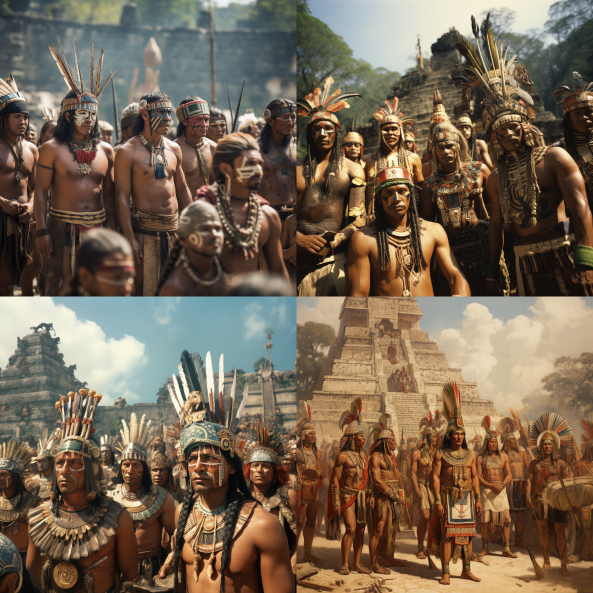
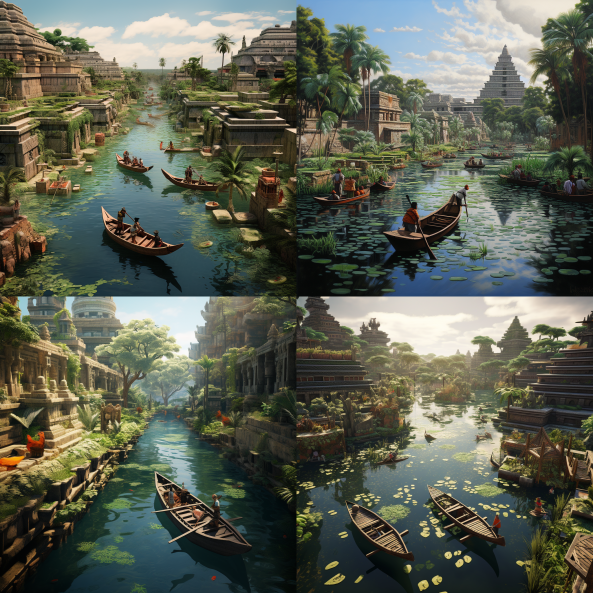
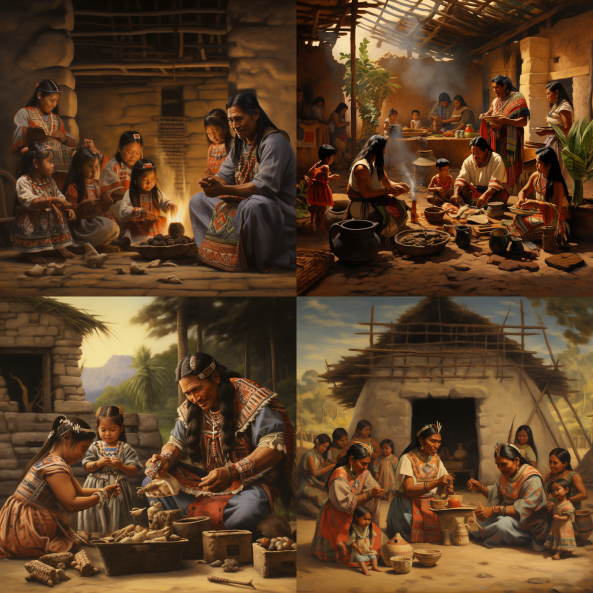
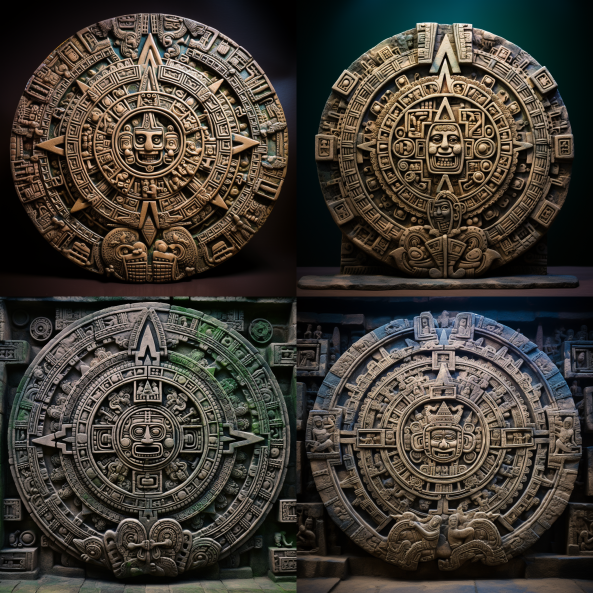
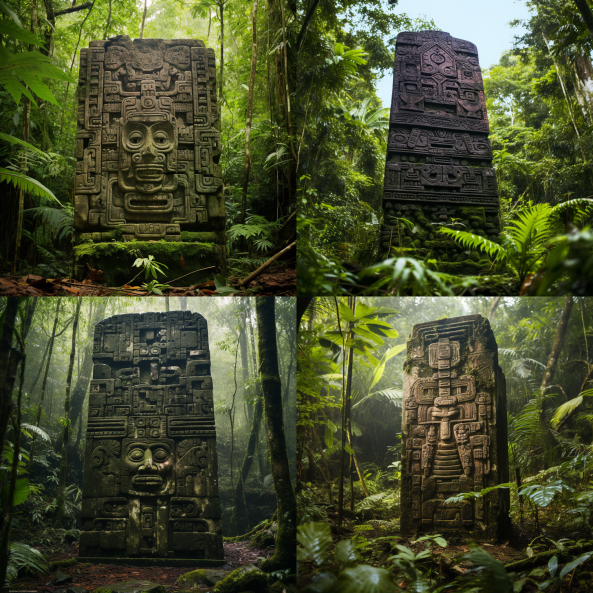
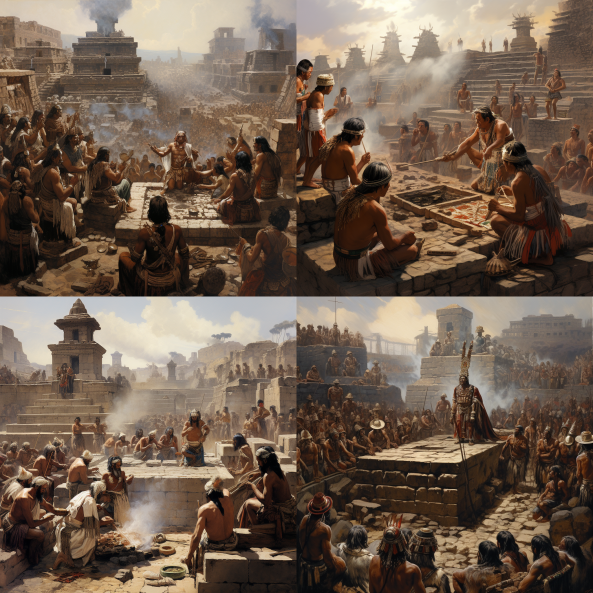
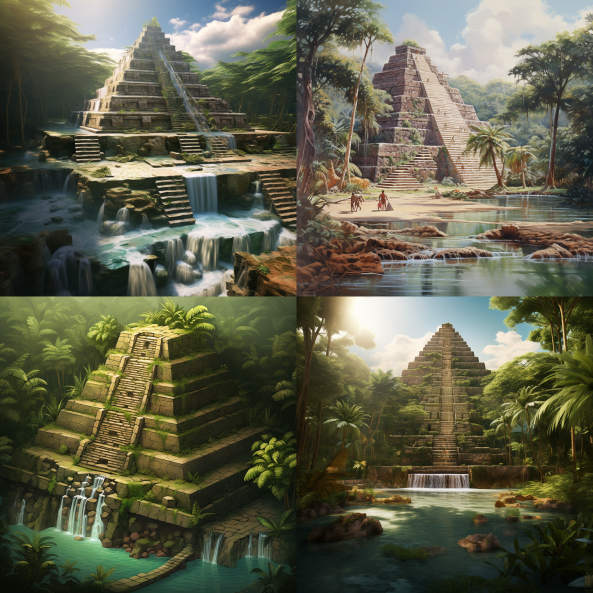
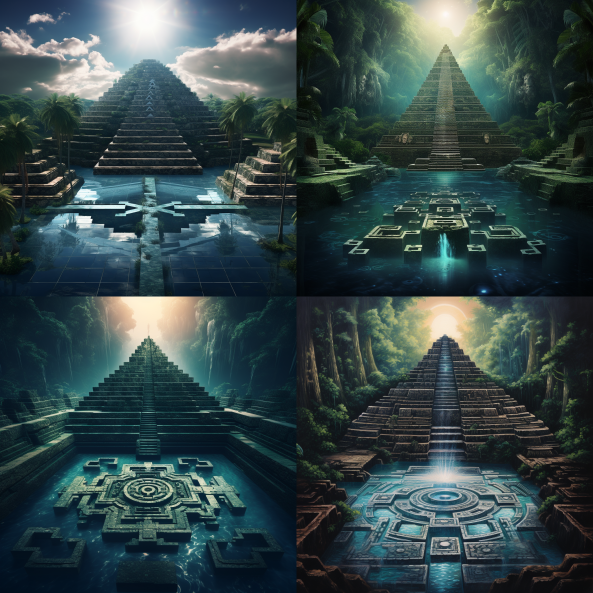
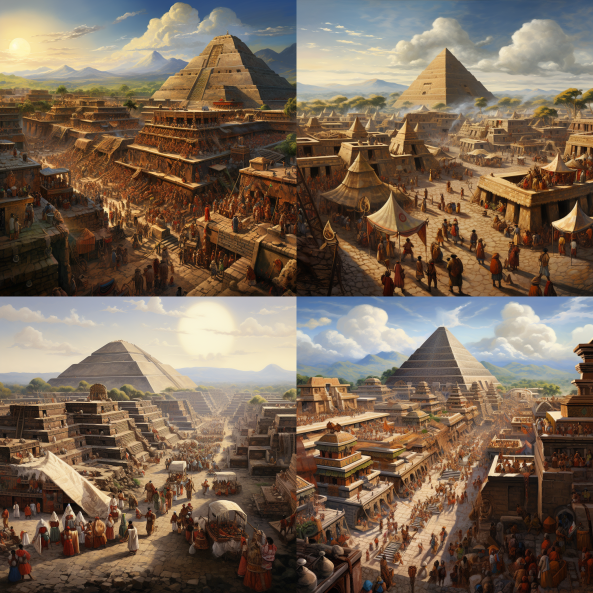
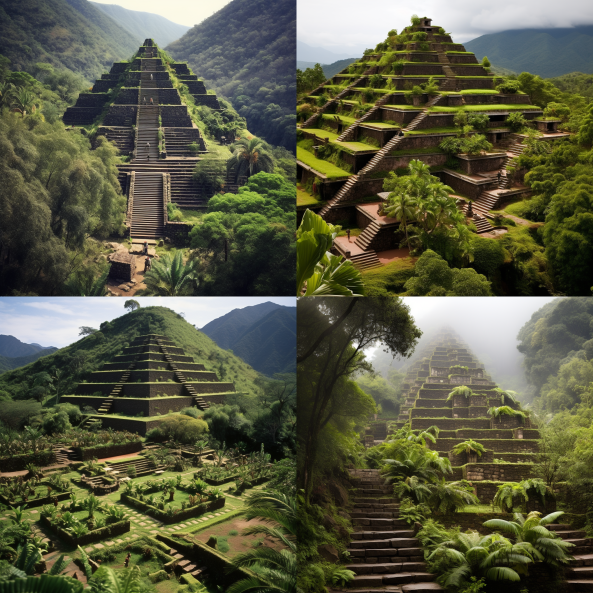
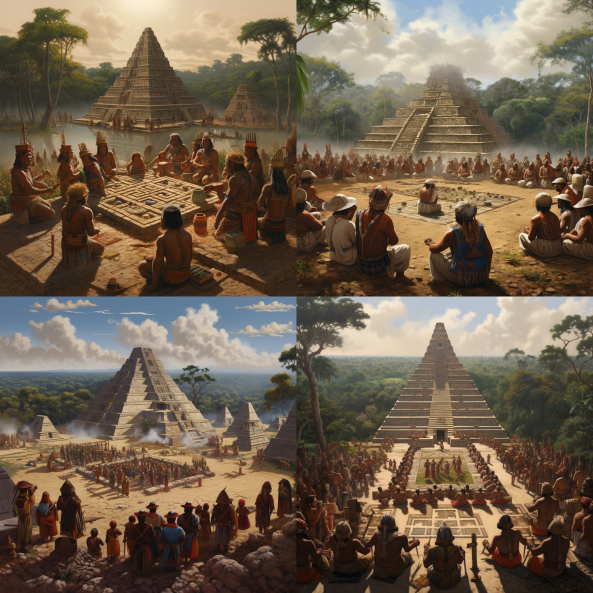
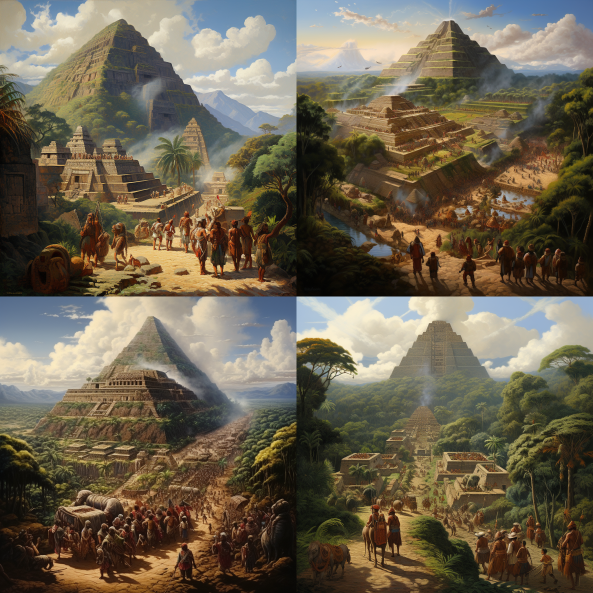
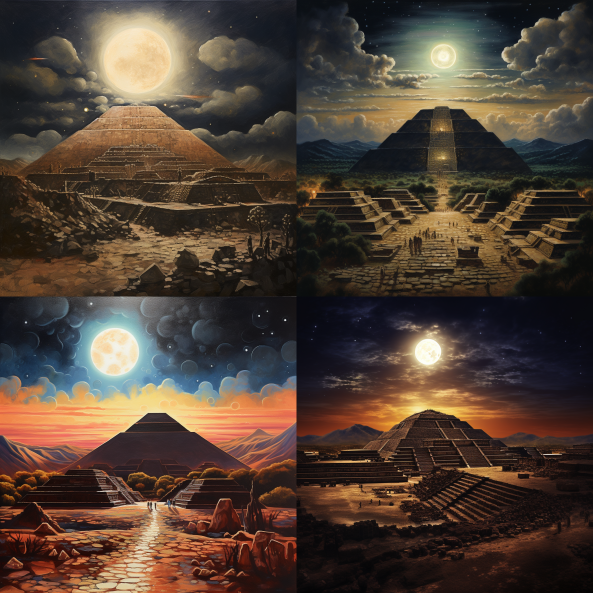
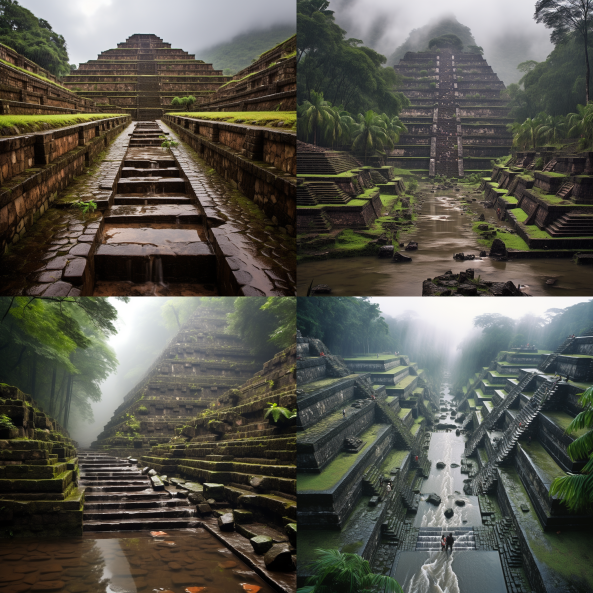
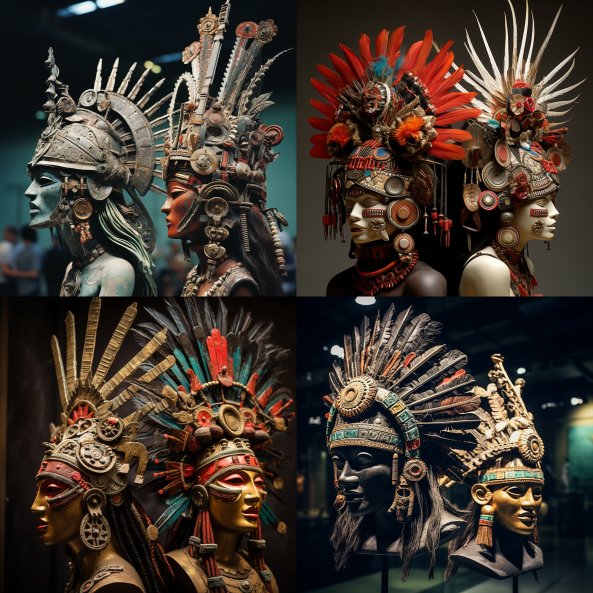
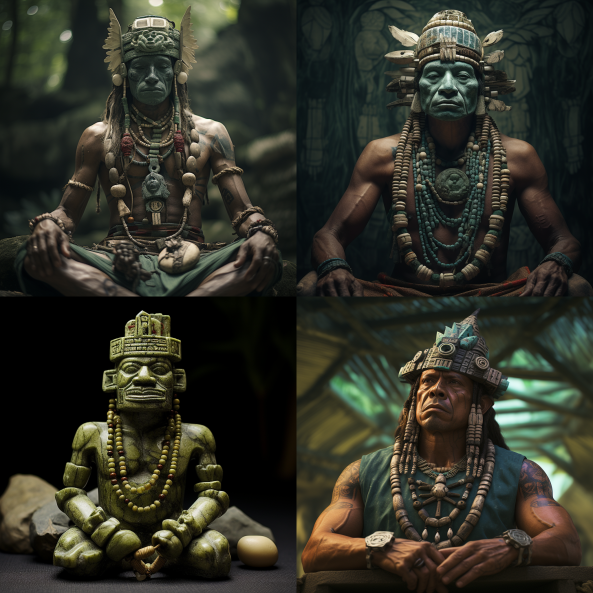
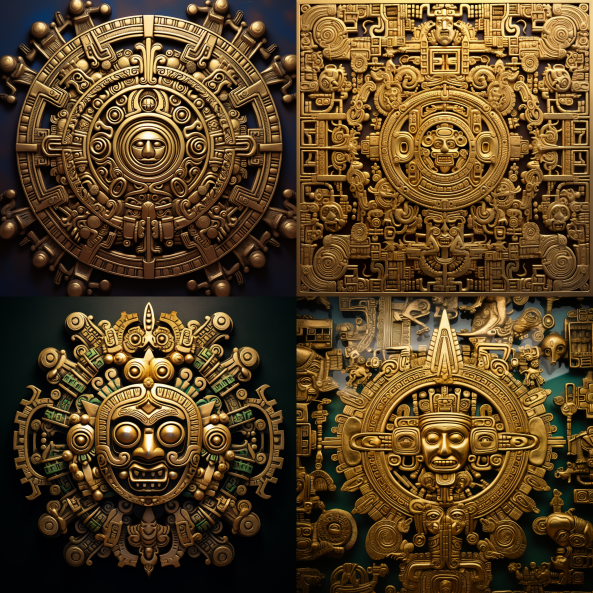
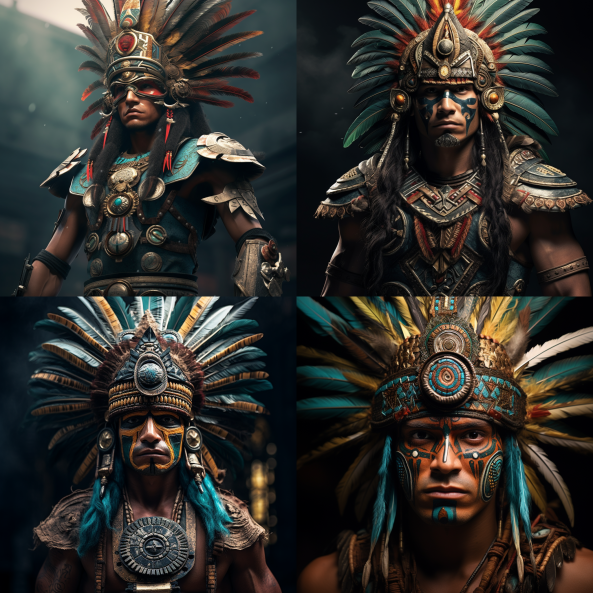
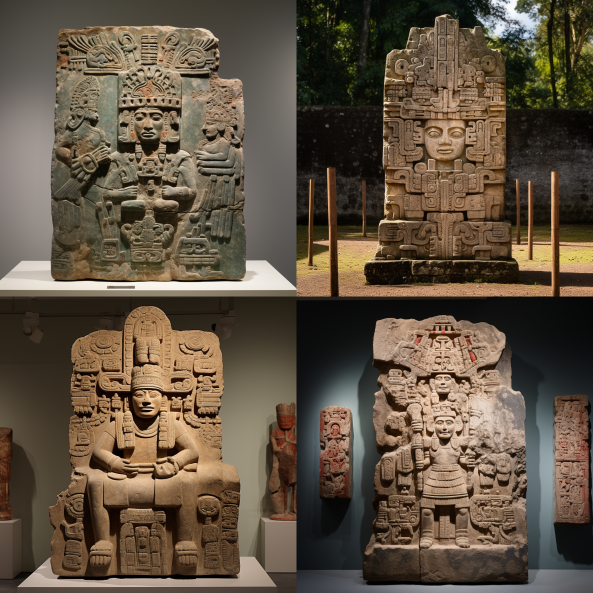
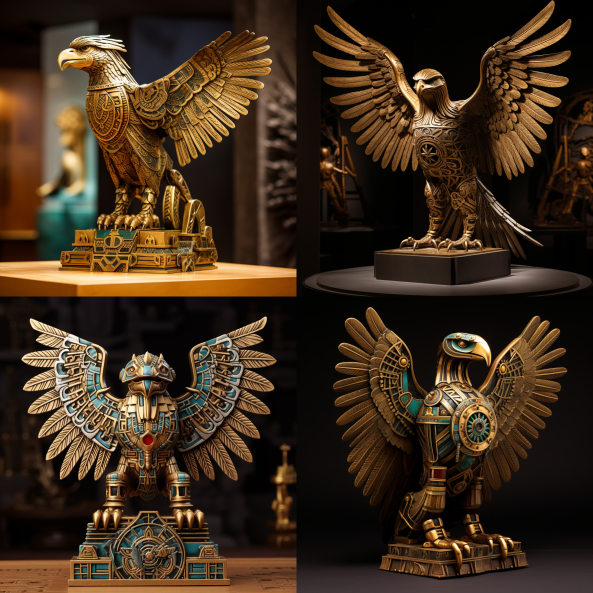
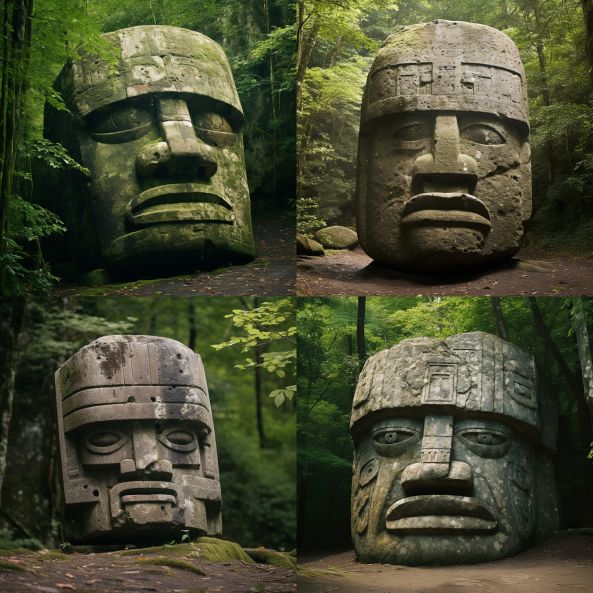
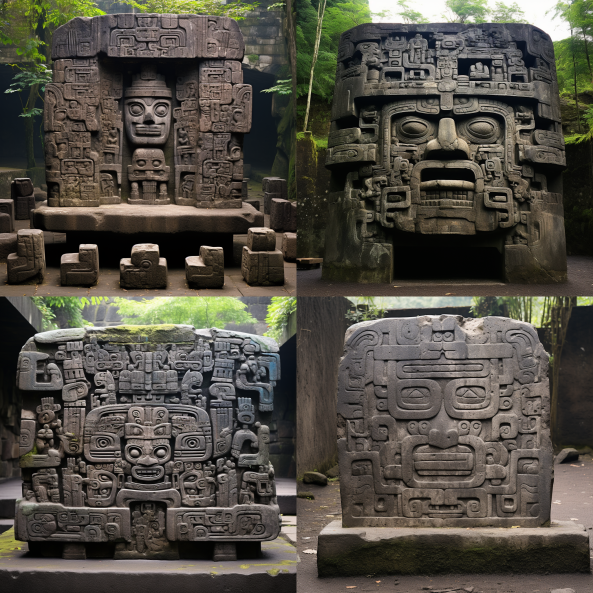
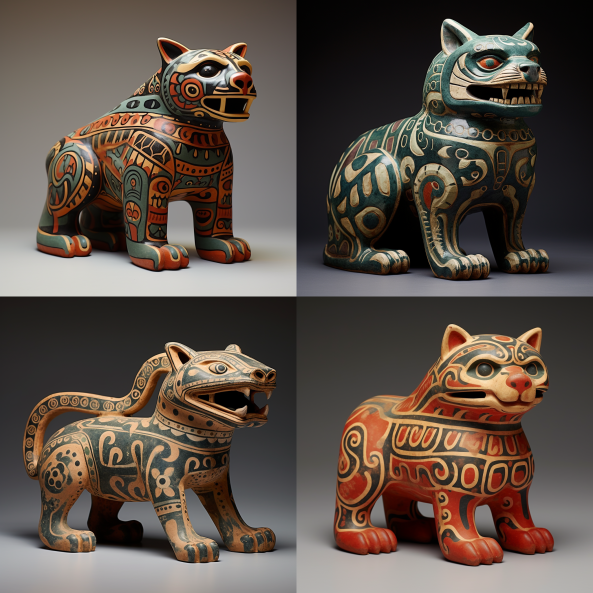
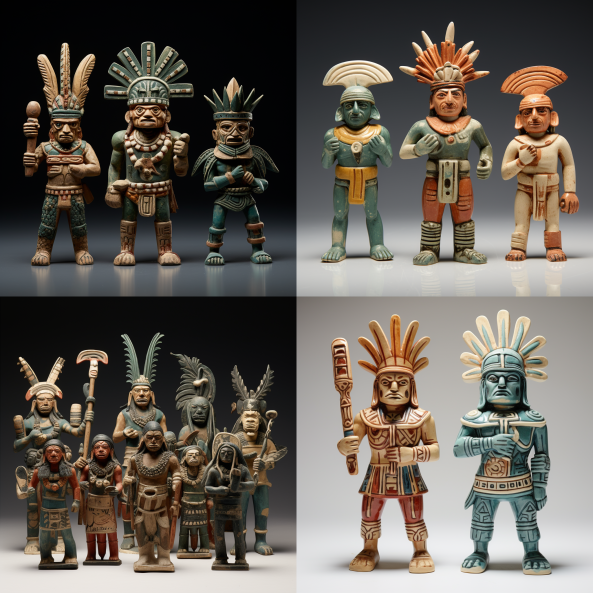
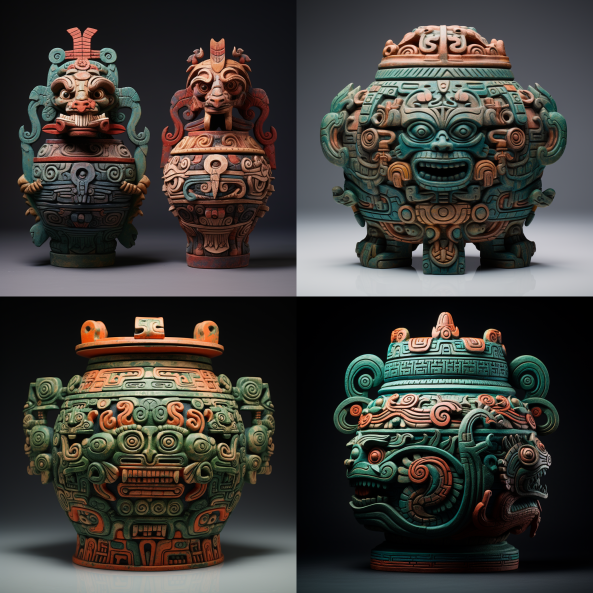
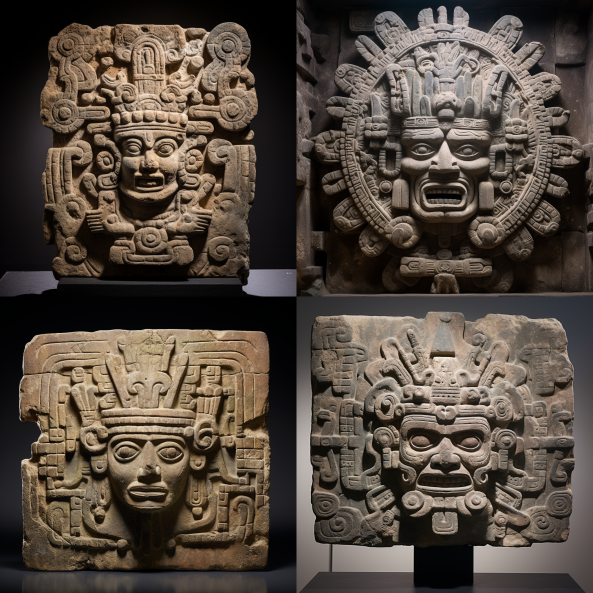
As always, each term, art style, and creative prompt is designed to spark your imagination. However, it’s essential to note that while I aim to inspire a deeper appreciation for the subject matter, I can’t vouch for the complete accuracy of the images in capturing the true essence of Mesoamerican culture and nature. My goal is to inspire those interested to craft their own creative pieces using Midjourney or other generative AI engines. We are always limited by how well the language models of a generative AI are tuned to the subjects we are perusing.
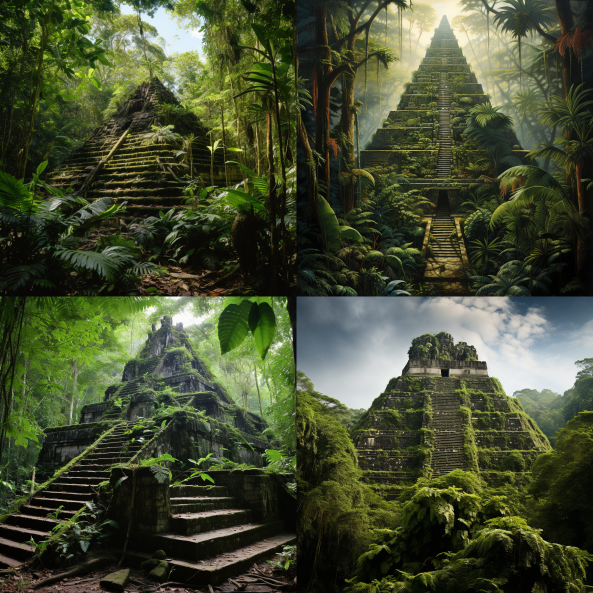
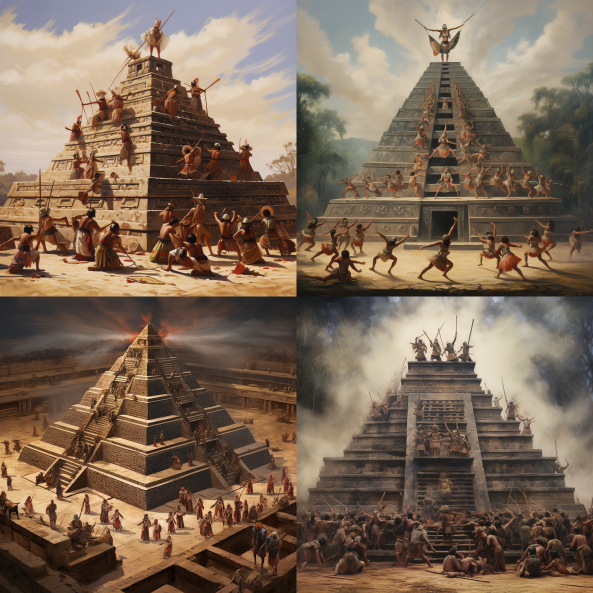
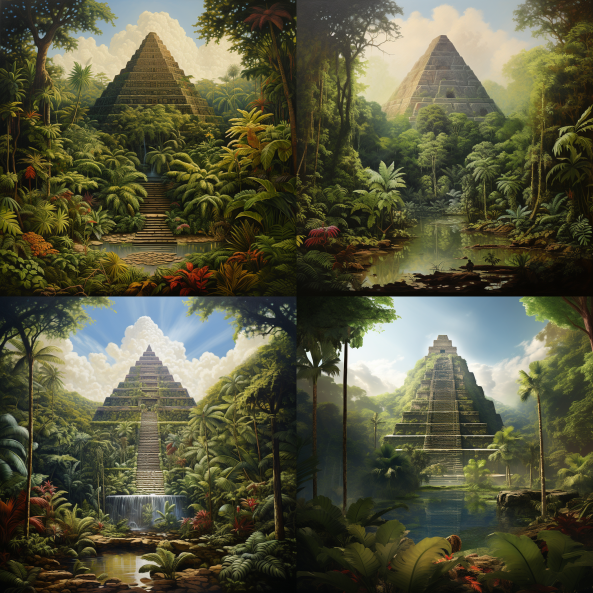
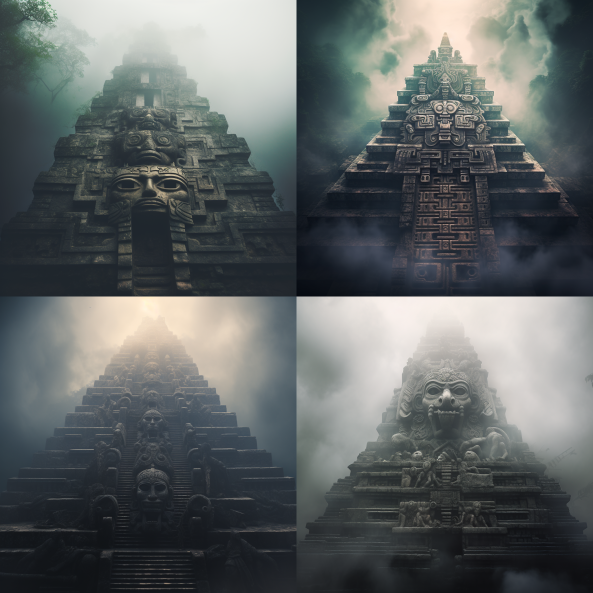
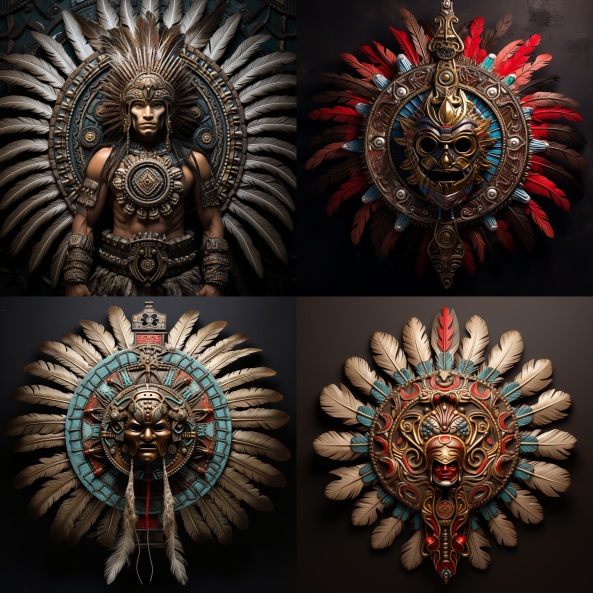
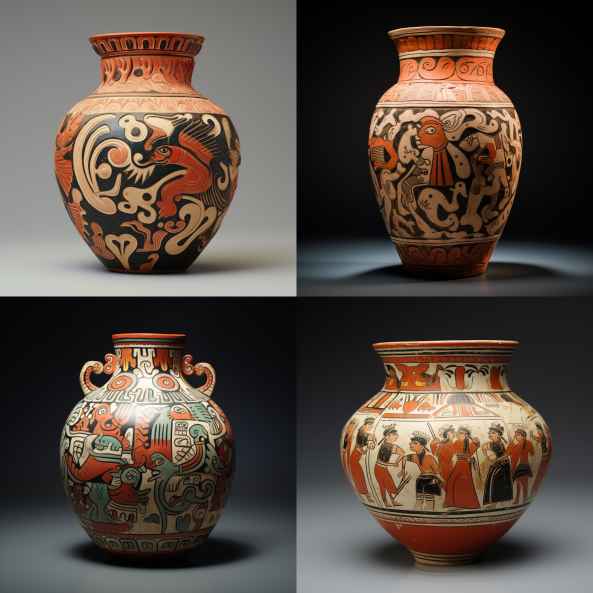
For a more nuanced understanding, I strongly encourage further research into Mesoamerican history, beliefs, and ecosystems. This article merely serves as a starting point, full of inspirational words, terms, and art styles that can help guide your projects. All images included were generated using Midjourney version 5.2 with default settings, ensuring that what you see here can be replicated in your own creative endeavors.
Civilizations and Peoples
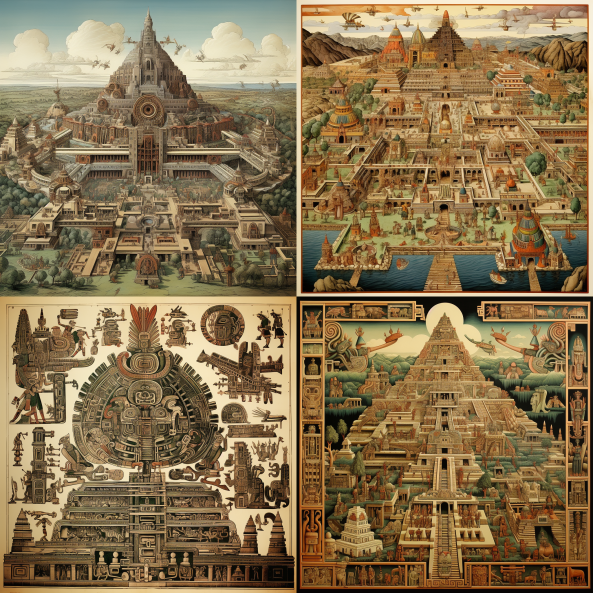
As we embark on this exploration, let’s start by understanding the key civilizations and peoples that shaped the Mesoamerican landscape. From the Aztecs’ dominance in central Mexico to the Mayans’ advanced calendar systems, each civilization has unique contributions that continue to intrigue scholars and enthusiasts alike.
Olmecs
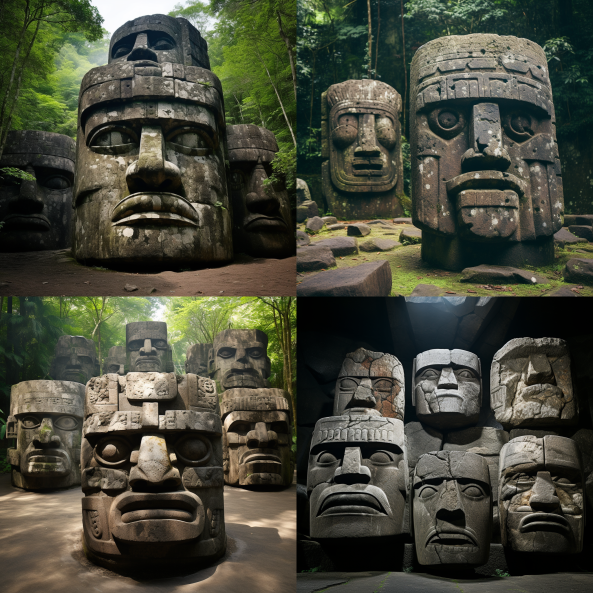
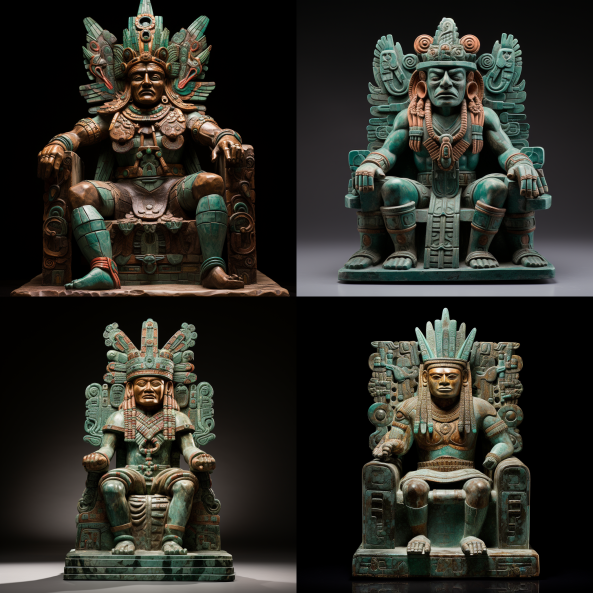
At their height from around 1400 to 400 BCE, the Olmecs were one of the earliest Mesoamerican civilizations. Known for creating colossal head sculptures, they are often regarded as the “Mother Culture” of Mesoamerica. Fun Fact: The Olmecs mysteriously disappeared, and their decline is still a subject of debate among historians.
Mayans
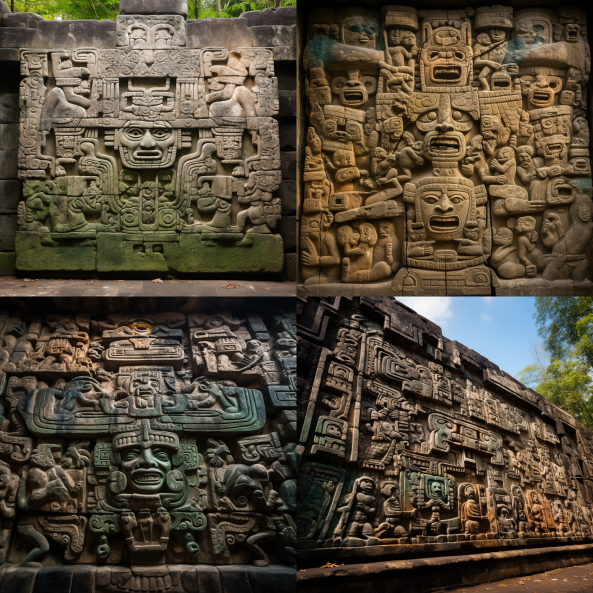
Peaking between 250 and 900 CE, the Mayans are famed for their astronomical expertise and their intricate calendar systems. They built grand cities like Tikal and Chichen Itza. Fun Fact: They had a writing system made up of more than 800 characters, a unique feat in pre-Columbian Americas.
Mixtecs
Flourishing around the same time as the Aztecs, but starting as early as 900 CE, the Mixtecs are known for their metallurgy and detailed codices. Fun Fact: Unlike other civilizations that primarily used stone for building, the Mixtecs were skilled metalworkers, using gold, silver, and copper.
Aztecs
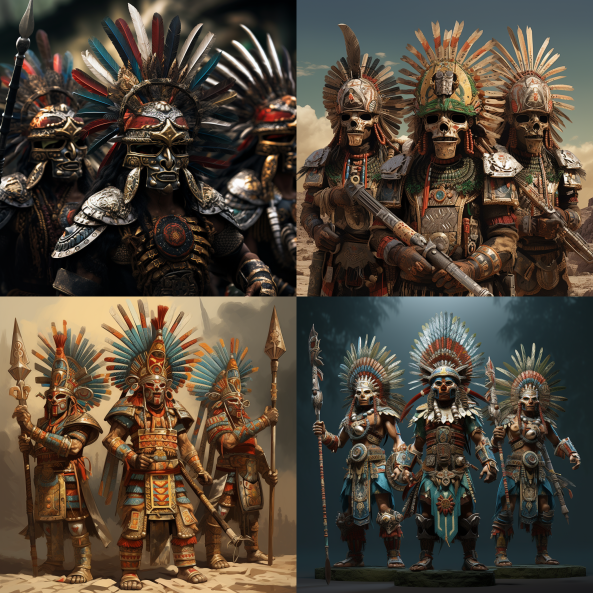
The Aztecs dominated between 1345 and 1521 CE, just before the Spanish conquest. They’re known for their capital, Tenochtitlan, built on an island in Lake Texcoco. Fun Fact: They practiced human sacrifice on a large scale as part of their religious ceremonies, a characteristic that distinguished them from other Mesoamerican peoples.
Types of Pyramids
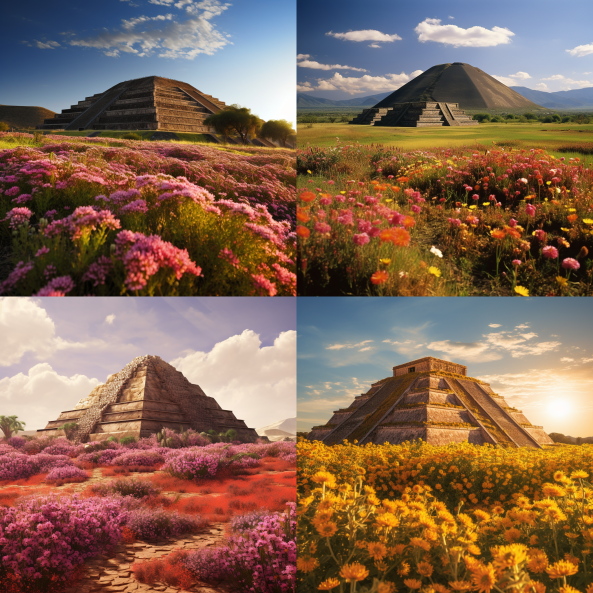
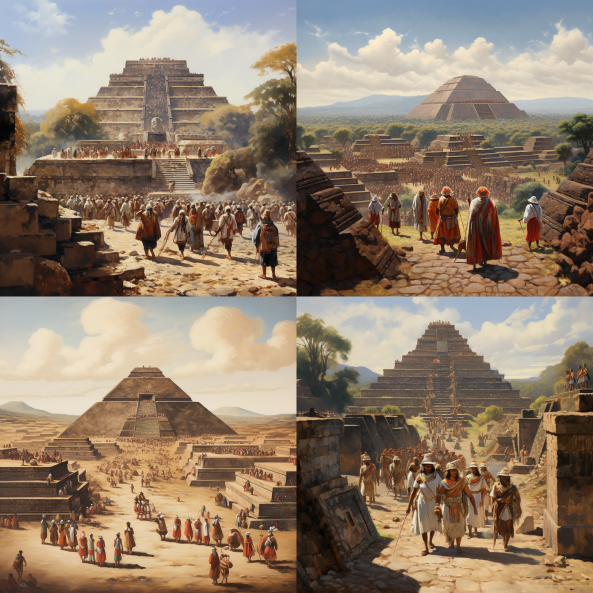
The grandeur of Mesoamerican architecture is nowhere more evident than in their pyramids. This section will guide you through the different types of pyramids that dot the region, each with its own history, purpose, and architectural style. Prepare to marvel at the ingenuity of these ancient builders.
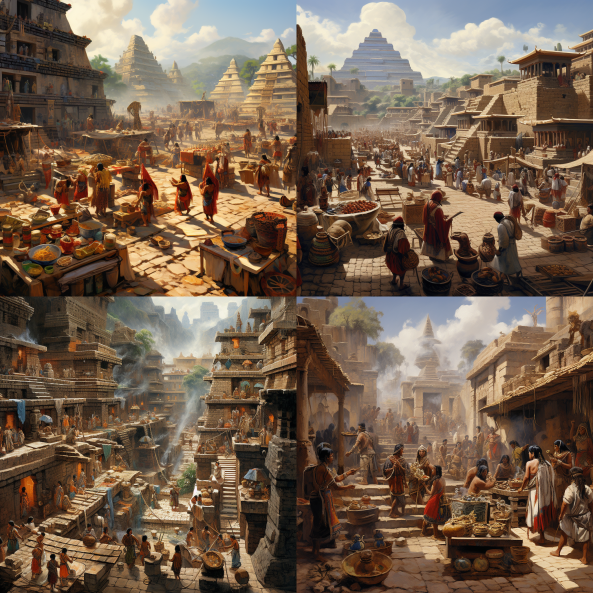
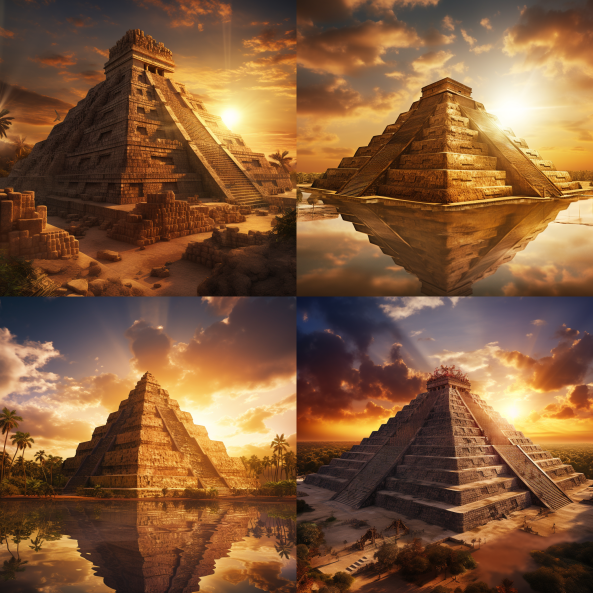
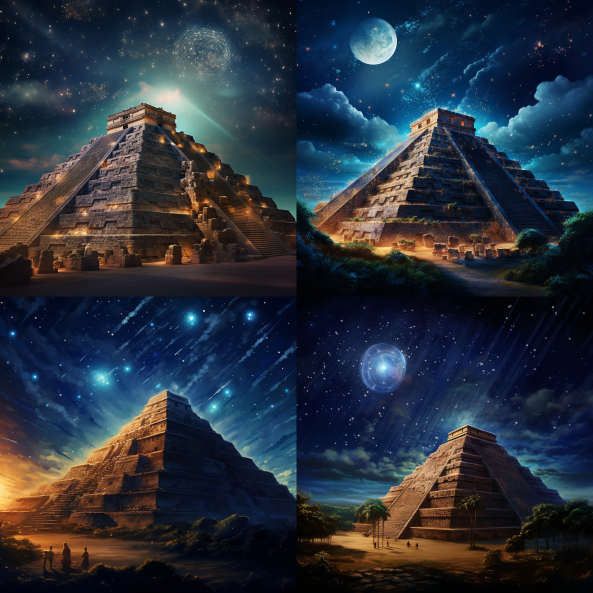
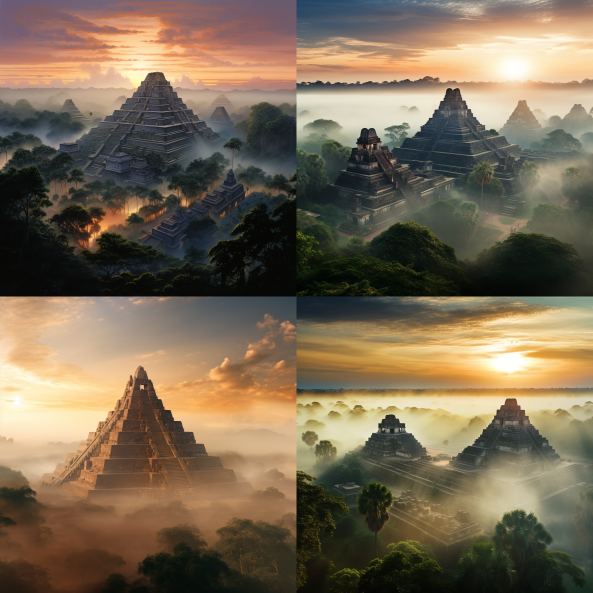
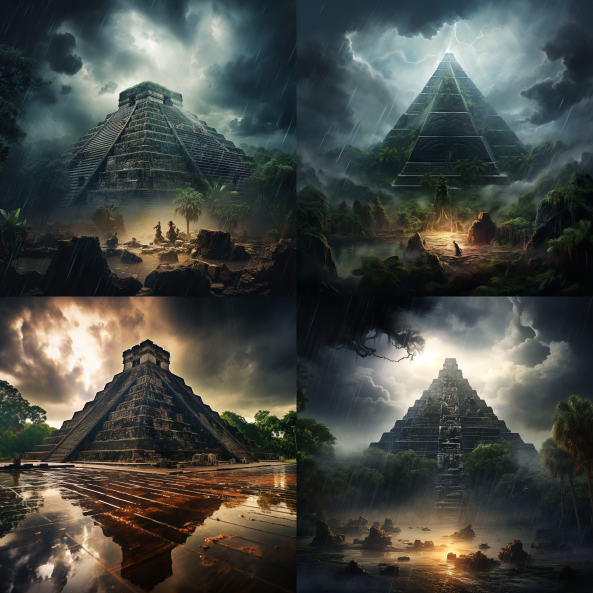
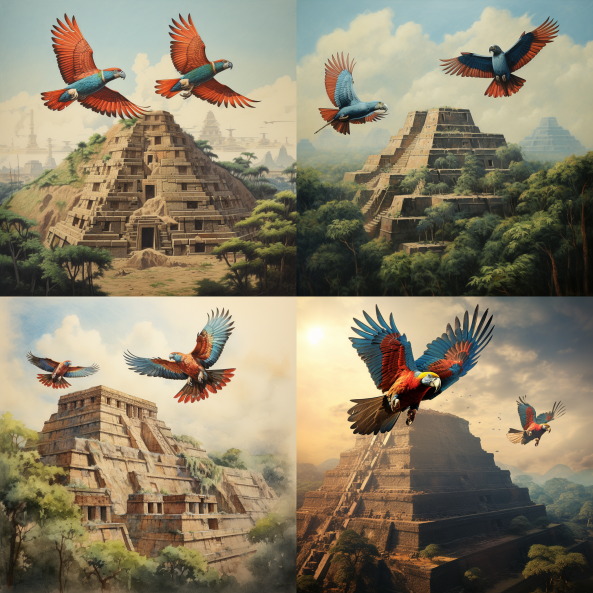
The Olmecs built mound-like platforms covered in colored clay, not quite the classic pyramids. Mayan pyramids were tall, stepped structures with temples at the top, often used for ceremonies and astronomy. Mixtec pyramids were smaller, part of complex urban designs, and sometimes featured metal decorations. Aztec pyramids were massive, stone-built, and topped with twin temples for elaborate religious rituals. Each civilization’s pyramids offer a distinct glimpse into their unique cultural priorities and architectural styles.
Rainforest Flora and Fauna
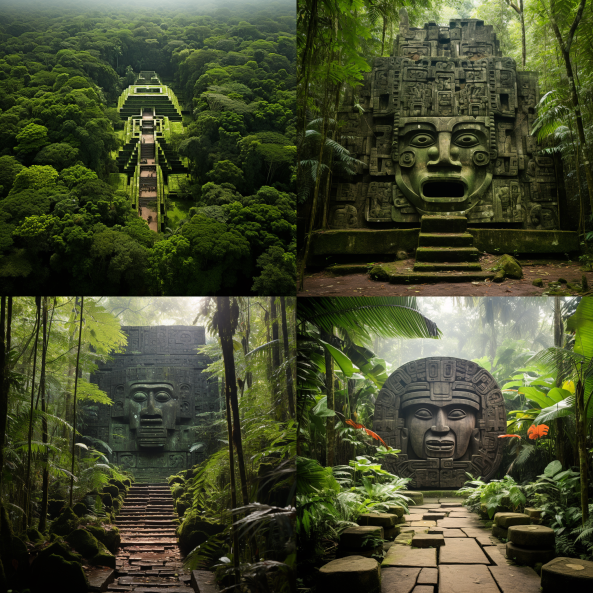
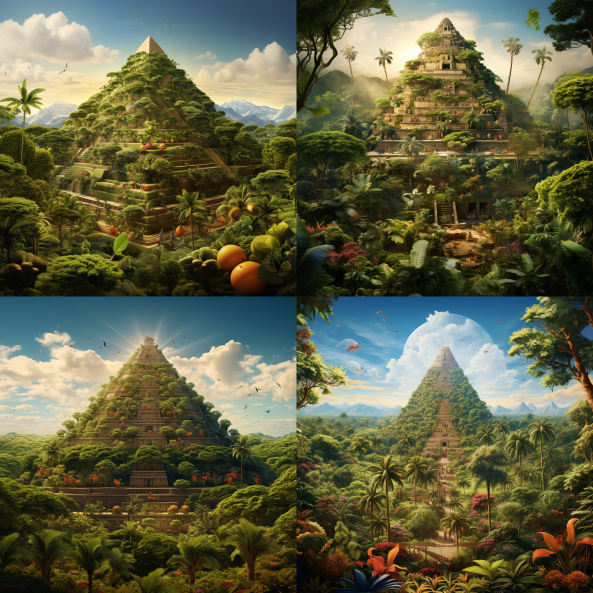
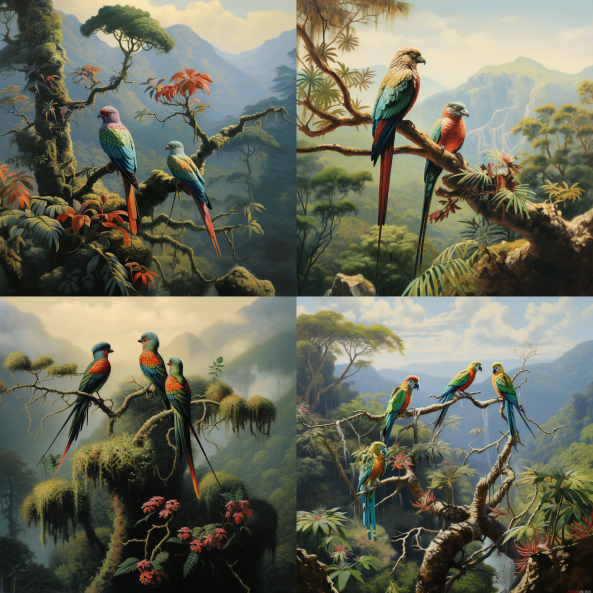
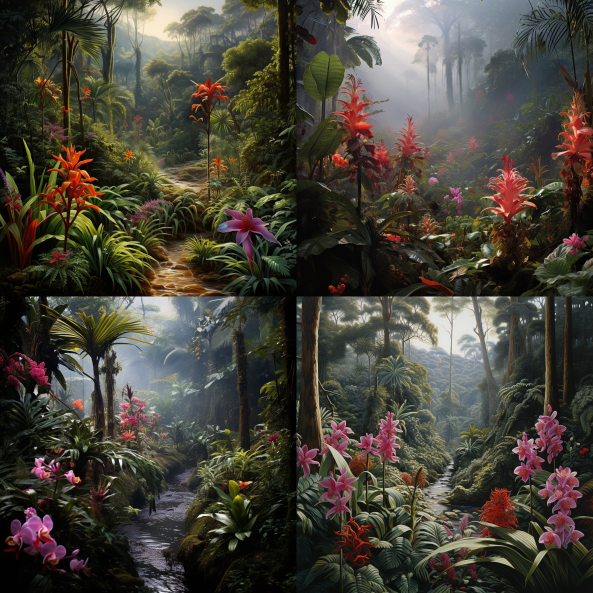
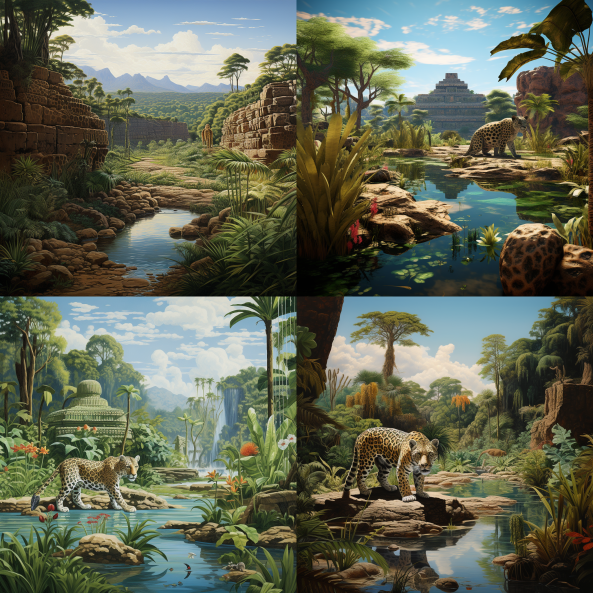
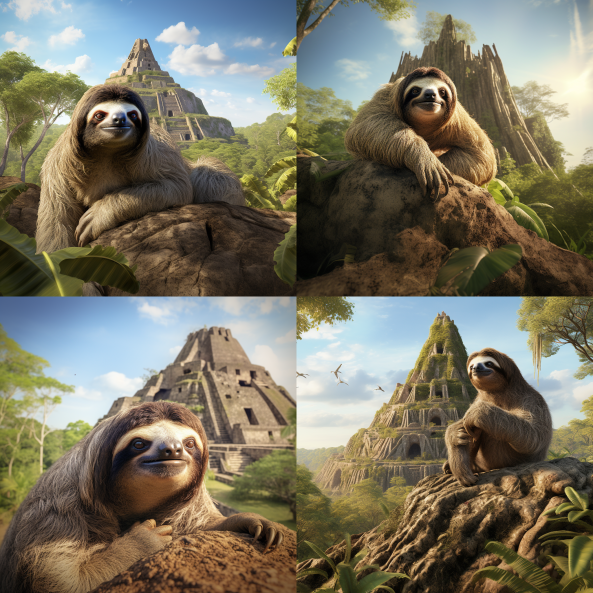
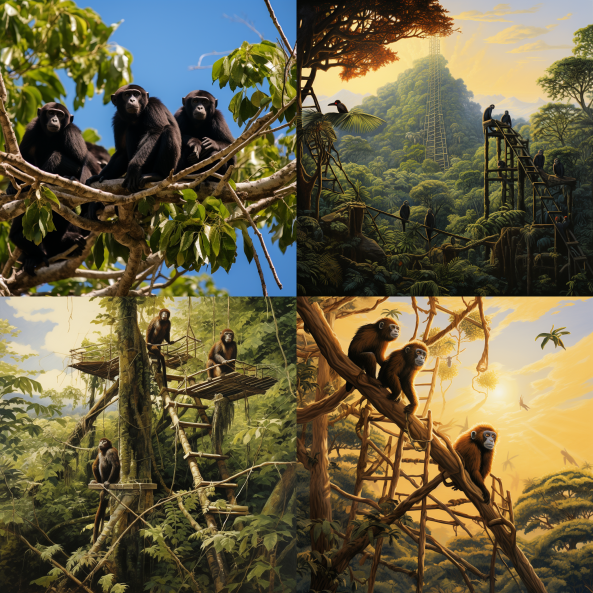
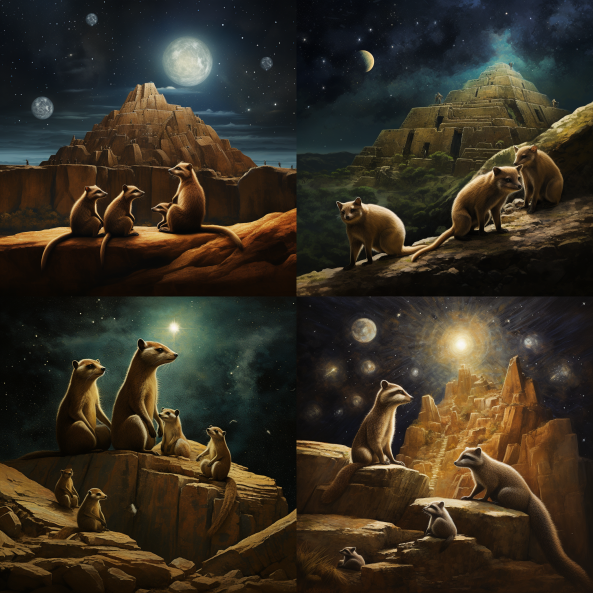
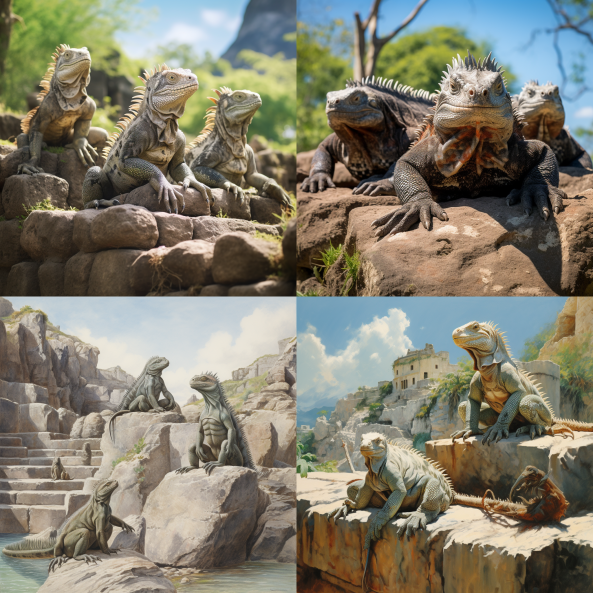
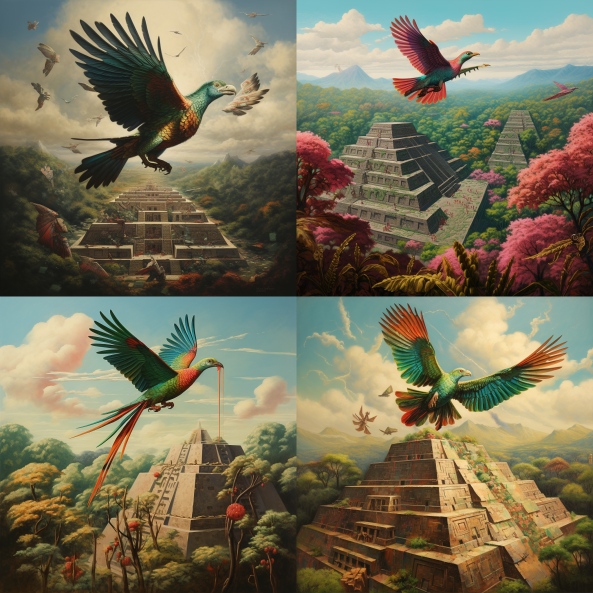
The lush Mesoamerican rainforests are a veritable treasure trove of biodiversity. In this section, we’ll delve into the captivating world of flora and fauna that call these rainforests home, from the vibrant Bromeliads to the elusive Jaguar, the apex predator of the region.
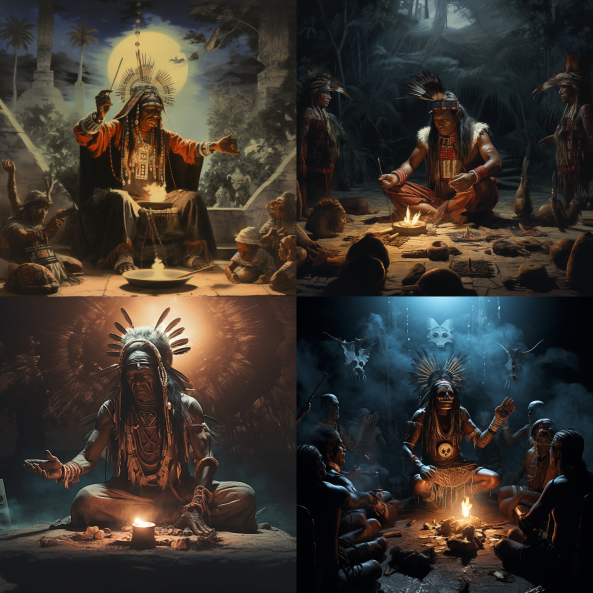
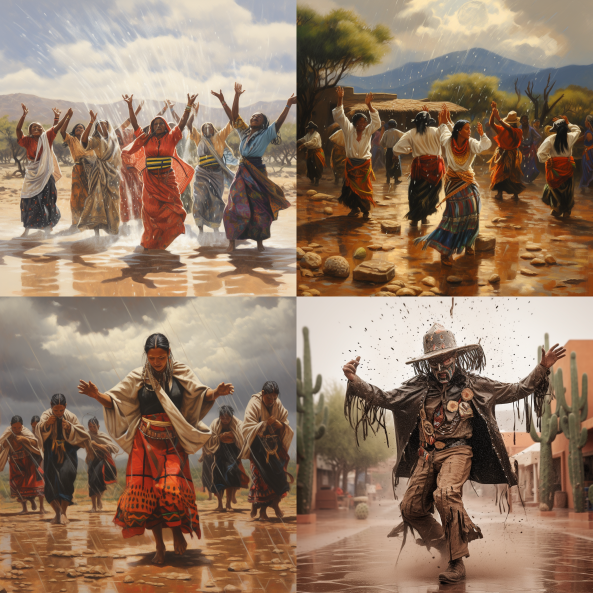
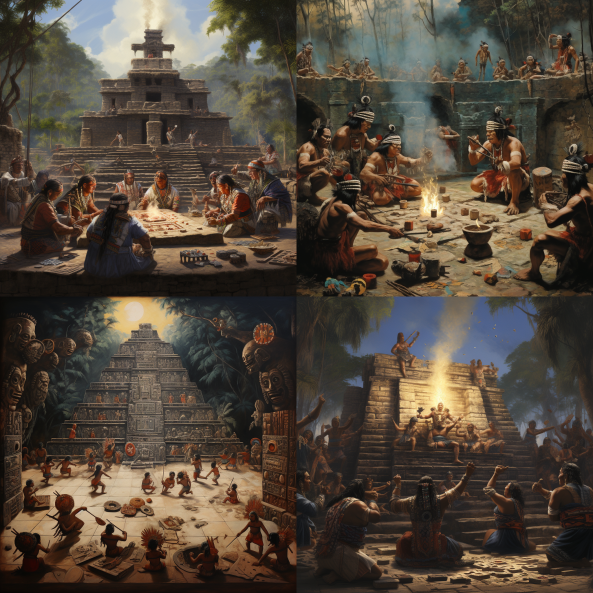
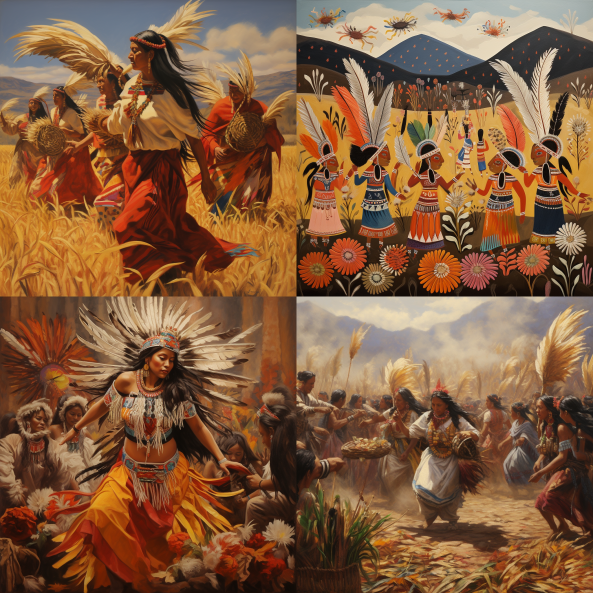
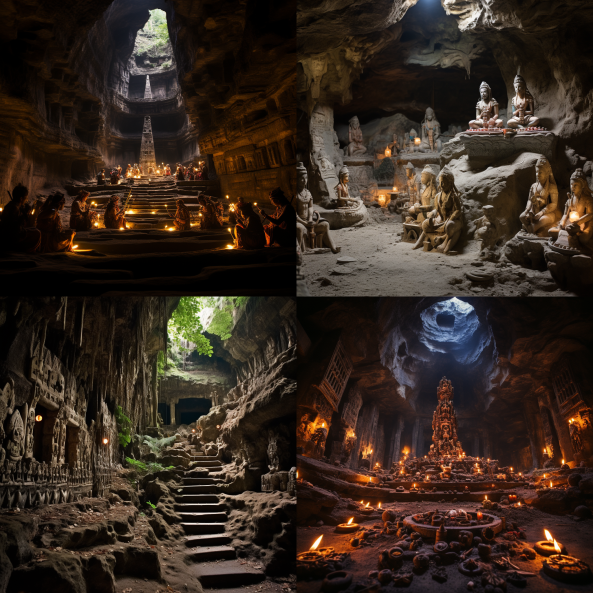
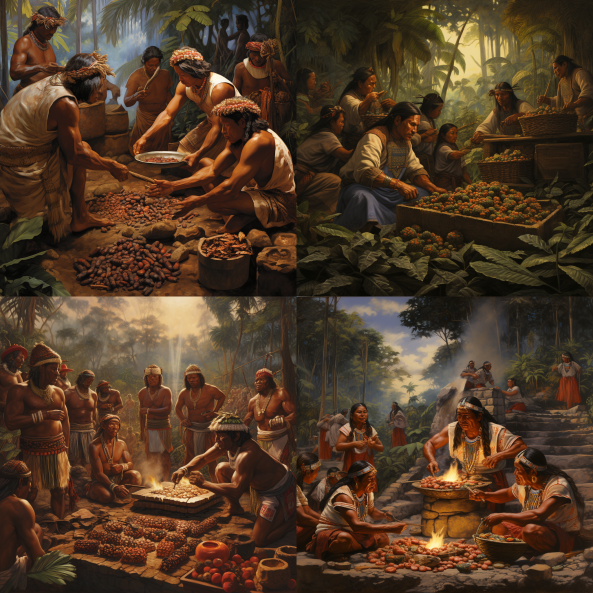
Ceremonies and Rituals
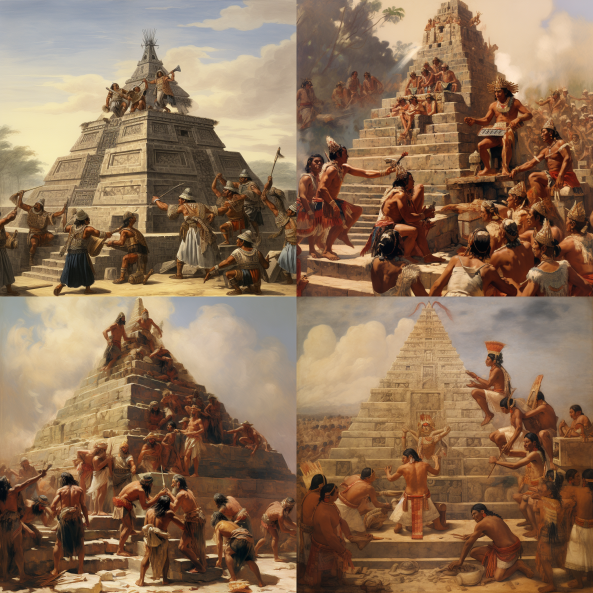
To understand a culture fully, one must examine its rituals and ceremonies. In this section, we’ll look at the spiritual and societal practices that defined Mesoamerican life.

Clothing and Footwear
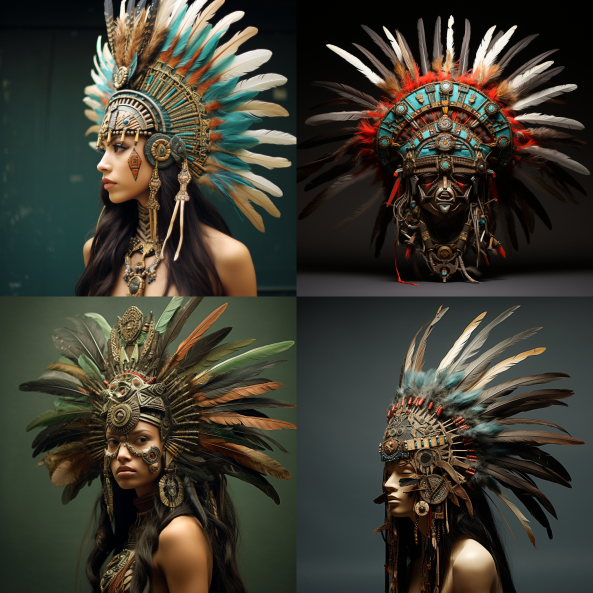
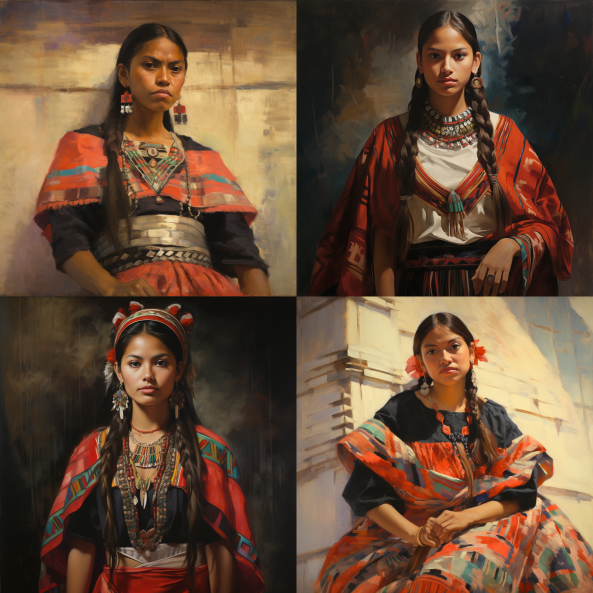
No study of Mesoamerican cultures would be complete without examining the textiles that adorned them. This section will provide insights into the various forms of clothing and footwear that were not just functional but also deeply symbolic.
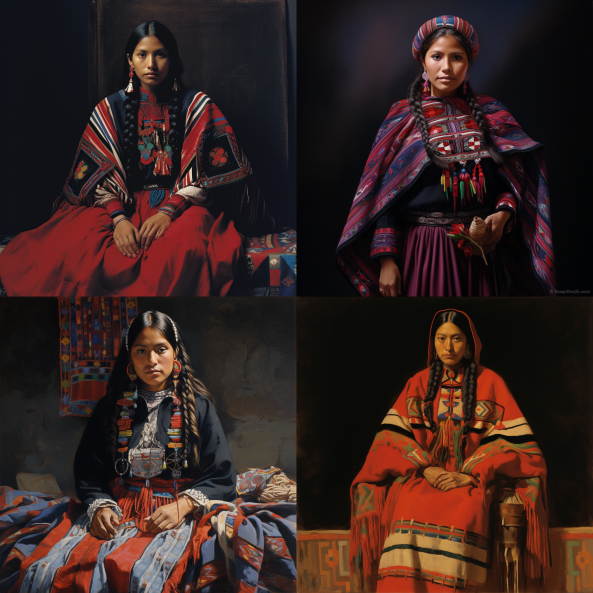
Art and Craftsmanship
Artistry played a vital role in Mesoamerican culture, capturing everything from daily life to spiritual beliefs. From frescoes that adorned temple walls to detailed metallurgy, this section will explore the various art forms that flourished in this rich cultural milieu.
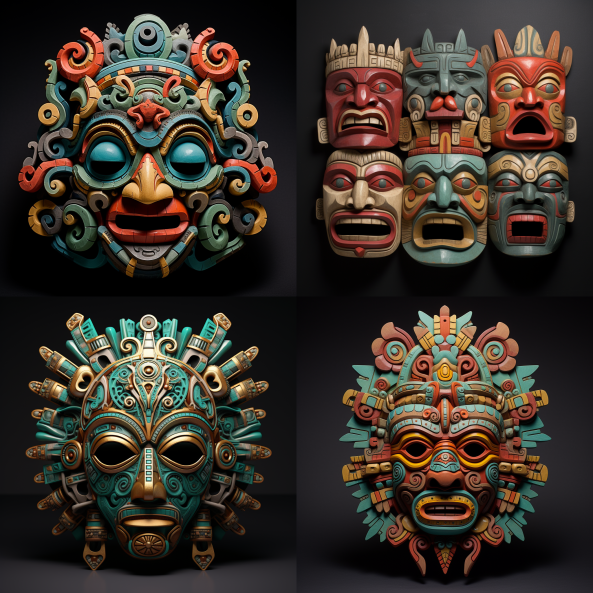
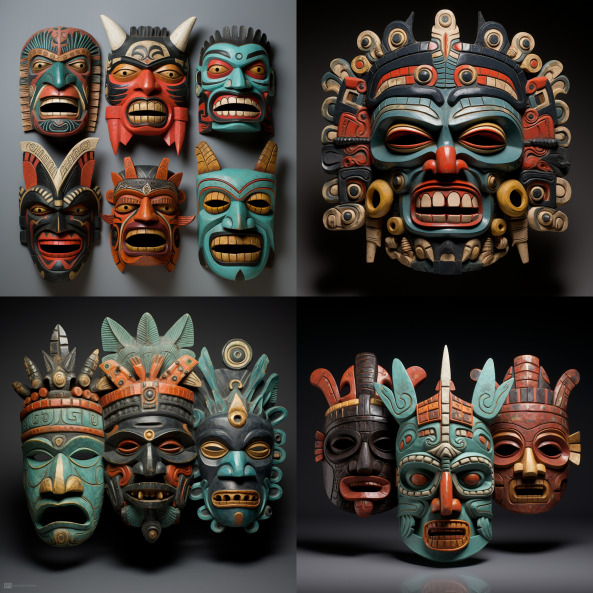
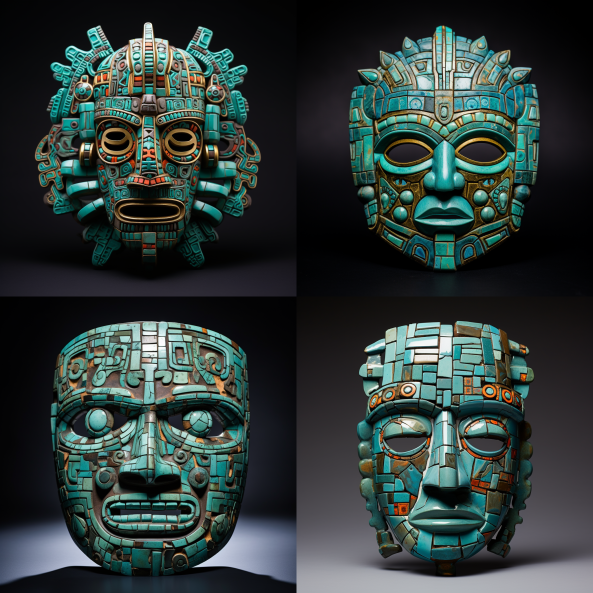
Inspiration
Civilizations/Peoples:
- Aztecs: Dominant empire in central Mexico.
- Huastecs: Northern Mesoamerican culture, known for their music and sculpture.
- Mayans: Known for their calendar and hieroglyphic script.
- Miztecs: Occupied modern-day Guerrero, known for their ceramics, detailed codices, and metallurgy.
- Olmecs: Earliest Mesoamerican civilization, known for colossal stone heads.
- Tarascans/Purépecha: Rivals to the Aztecs, known for metalwork.
- Teotihuacanos: Mysterious culture, builders of the massive Pyramid of the Sun.
- Toltecs: Central Mexican civilization with an emphasis on militarism.
- Totonacs: Coastal civilization, builders of El Tajín.
- Xochimilca: Known for creating floating gardens called chinampas.
- Zapotecs: Builders of Monte Albán, known for their writing system.
Ceremonies:
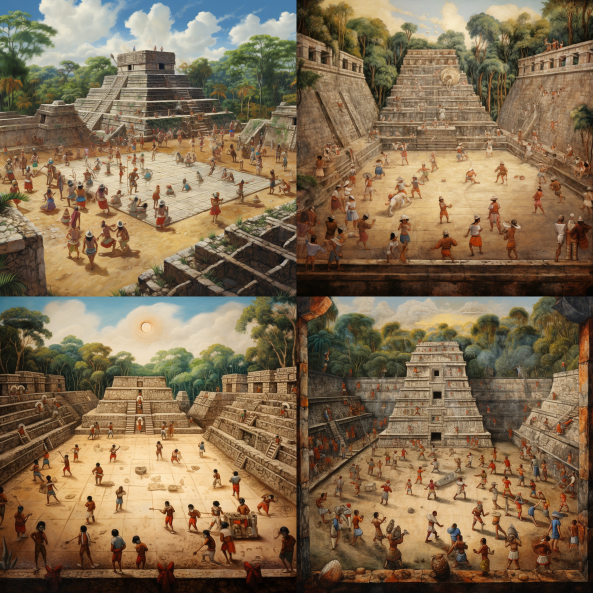
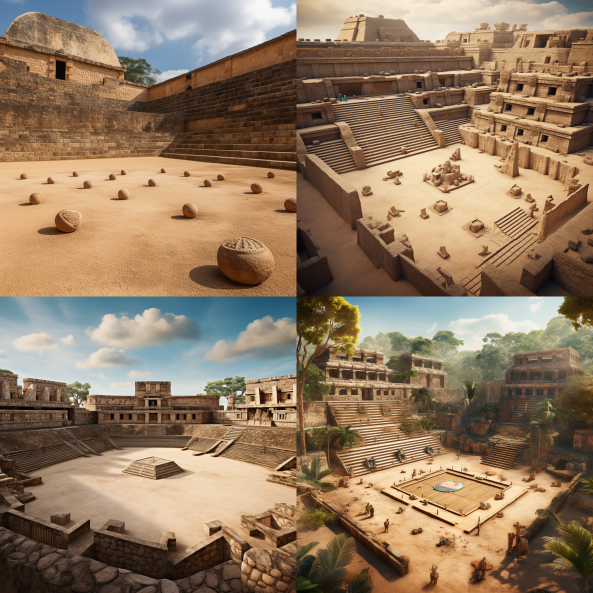
- Ball Games: Ritual sport often played near pyramids.
- Bloodletting Rituals: Personal sacrifices by rulers.
- Equinox Celebrations: Marking solar events.
- Feather Dancing: Ceremonial dances with feathered attire.
- Fire Ceremonies: Rituals invoking the element of fire.
- Human Sacrifice: Offerings to the gods.
- Jaguar Ceremonies: Rituals involving the sacred jaguar.
- Kukulkan Celebrations: Honoring the feathered serpent deity.
- Moon Ceremonies: Lunar-based rituals.
- Rain Dances: Invoking the rain gods.
- Star Ceremonies: Related to the movement of the stars.
- Underworld Journeys: Ceremonies associated with death and the afterlife.
Clothing and Footwear:
- Braided Hair: Often with ornamental beads.
- Capes: Decorated with feathers or patterns.
- Ear Spools: Large, disk-like earrings.
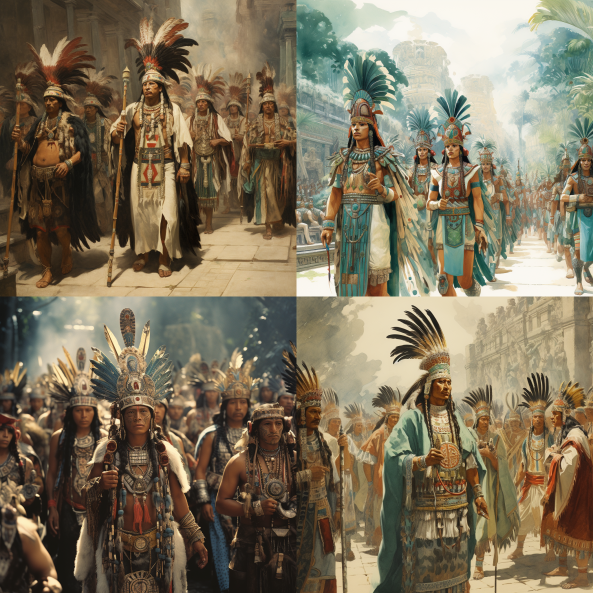
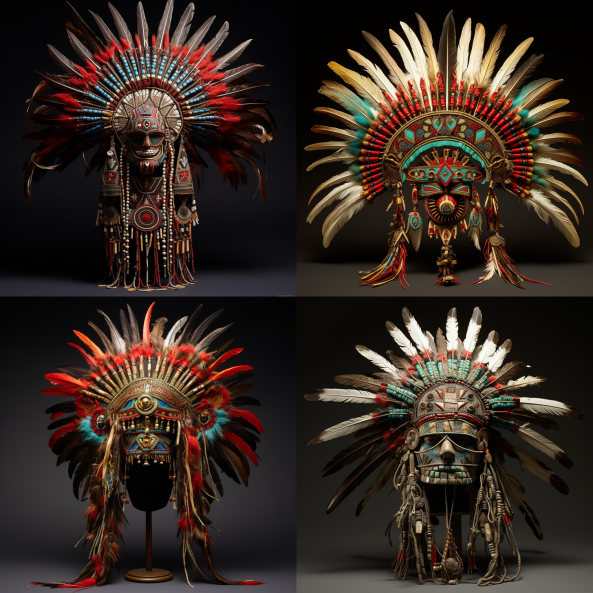
- Feather Headdresses: Worn by rulers and priests.
- Headbands: Often adorned with feathers.
- Huipil: Traditional blouse or dress.
- Jewelry: Made from jade, gold, or shells.
- Maxtlatl: Loincloth worn by men.
- Nose Ornaments: Decorative and symbolic.
- Pectorals: Chest plates made of jade or gold.
- Sandals: Made from plant fibers or leather.
- War Paint: Used in battle and ceremonies.
Rainforest Fauna:
- Boa Constrictor: Large snake, often associated with mythology.
- Caiman: Freshwater reptile.
- Howler Monkeys: Known for their loud calls.
- Jaguar: Apex predator and sacred animal.
- Leafcutter Ants: Insects known for their complex societies.
- Macaws: Large, colorful parrots.
- Ocelot: Small spotted cat.
- Quetzal: Brightly colored bird, a symbol of freedom.
- Spider Monkey: Agile tree-dwelling primate.
- Tapir: Nocturnal herbivore with a trunk-like snout.
- Toucan: Bird with a large, colorful bill.
- Tree Frogs: Colorful amphibians are often used as symbols.
Rainforest Flora:
- Bromeliads: Colorful plants that often grow on trees.
- Cacao Tree: Source of chocolate.
- Ceiba Tree: The sacred tree of the Maya.
- Ferns: Wide variety of species in the understory.
- Heliconias: Brightly colored flowering plants.
- Mahogany: Valuable hardwood.
- Orchids: Diverse and colorful flowers.
- Palms: Various species provide materials and food.
- Rubber Tree: Used by ancient Mesoamericans for rubber.
- Sapodilla: Source of chicle, a base for chewing gum.
- Vanilla Orchid: The source of natural vanilla.
- Zapote: Fruit-bearing tree, including the black sapote and mamey sapote.
Types of Pyramids:
- E-Group Complex: A unique architectural complex found in the Maya region.
- Effigy Pyramids: Built in the shape of animals or symbols.
- Highland Pyramids: Constructed in mountainous regions.
- Lowland Pyramids: Built in the low-lying rainforest regions.
- Platform Pyramids: Single-layered platforms, often for ceremonial purposes.
- Round Pyramids: Circular in shape, often associated with Ehecatl, the wind god.
- Step Pyramids: Layered structures with terraces.
- Star Pyramid: Pyramid with star-shaped platforms.
- Talud-tablero: Alternating slope-and-panel style.
- Terrace Pyramids: Built into hillside terraces.
- Triadic Pyramids: Consists of a main structure with two smaller structures.
- Twin Stairway Pyramids: Two main staircases leading to the temple top.
Art Styles Suited for Mesoamerican Imagery:
- Codex: Ancient book art form, telling stories with images and glyphs.
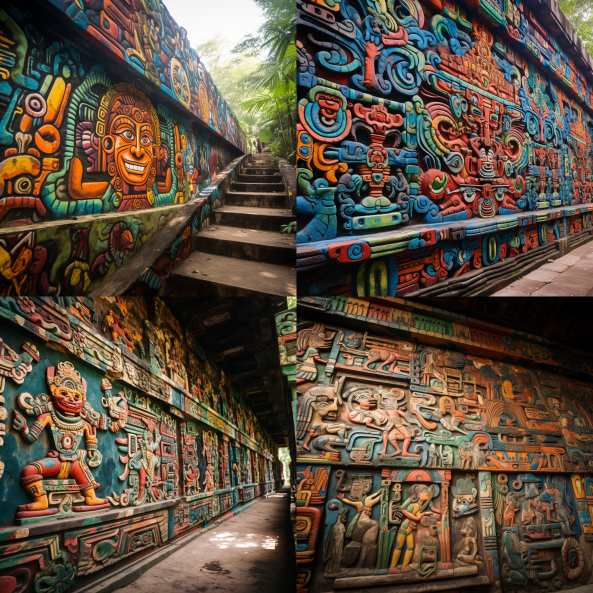
- Fresco: A mural painting on fresh plaster, capturing vibrant ceremonies.
- Glyphic: Detailed carvings depicting myths and rulers.
- Metallurgy: Art made from metals, capturing the brilliance of Mesoamerican craftsmanship.
- Mosaic: Art made from assembling small pieces, ideal for intricate patterns.
- Pictorial: Detailed illustrations showcasing daily life and mythology.
- Relief: Carved or embossed artwork, often seen in temple decorations.
- Stucco: Sculpted plasterwork, capturing the texture of clothing and ceremonies.
- Terra Cotta: Earthy clay art, used for statues and everyday objects.
- Totem: Vertical carvings depicting animals, gods, and stories.
- Tribal: Artistic style emphasizing tribal patterns and symbols.
- Woodblock: Printed designs, great for textiles and stories.
In Conclusion
We’ve traveled through the layers of time and space, from the Aztecs' bustling markets to the Mayans' contemplative ceremonies, and to the lush, vibrant ecosystems of Mesoamerican rainforests. We’ve discovered the diversity and complexity of these ancient cultures and the natural wonders they were surrounded by. Remember, while the images in this article were generated to captivate your imagination, they can’t fully capture the nuances and depths of Mesoamerican history and culture. It’s always best to supplement your understanding by delving into scholarly research and firsthand accounts. This article serves as a foundation, sparking your interest and inspiring you to use generative AI engines like Midjourney to create your own interpretations.
Thank you for journeying with me through this rich tapestry of history, culture, and nature. If you’ve made it this far, I appreciate you for reading all the way through. Please feel free to give this article many claps and follow me for more in-depth articles that aim to inspire and educate.