Prompt: Work
“They will tell the spider, ‘Go on, you’re doing good work.’” — Carl Sandburg
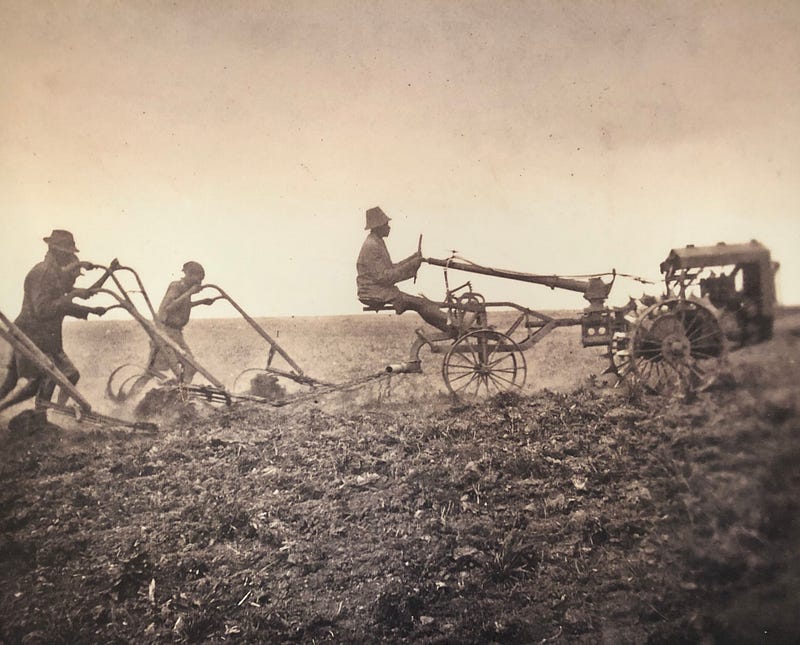
I’m so excited about this week’s prompt. My joy in poetry is discovery — whether through writing or reading. I feel like I found buried treasure this week, and I’m thrilled to share with you. I hope the combination of multiple loves — history, poetry and photography — is a good source of inspiration.
As I looked at poems on work, I came across Carl Sandburg again and again. I knew his name from the seminal work on Abraham Lincoln, but it turns out he won two of his three Pulitzer prizes for poetry.
President Lyndon Johnson said at his death, “Carl Sandburg was more than the voice of America, more than the poet of its strength and genius. He was America.”
What a eulogy!
I’m struck that not only was Sandburg America, that his voice, in some ways, still is America. A.E.F. is a prophetic dream just as true today as it was a century ago.
I’m fascinated with Sandburg’s depictions of work. Like Whitman, he chronicles ordinary life in the intricate details. But unlike Whitman, he doesn’t deify the ordinary. He celebrates and scorns, loves and abhors.
His poetry is simple, vivid and powerful. Insightful. Surprising. Each subject has an unexpected twist, taking us on a journey to see the place we began in a different light. The historical significance makes the work even more magical.
Prompt: Work
Enjoy the poems below for inspiration and then create your own about work.
I do not expect this will be an easy prompt, but think outside of the box and I know you will create something brilliant!
Please let me know in the comments if you would like to be added as a writer.
*Bonus points if you want to reference other Sandburg poems — I’m sure that some of you are more familiar with his work than I — I’d love to learn more.
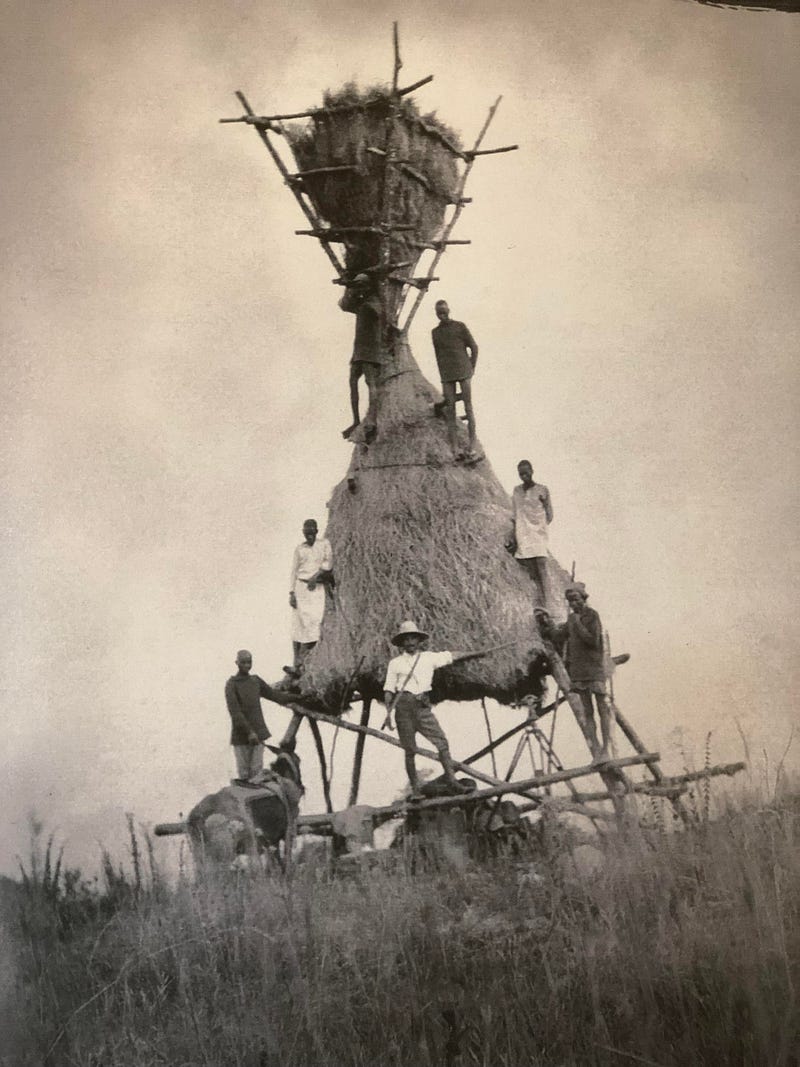
Images are from display at Kembu Cottages in central Kenya, original photographers unknown. They’re not American, but I think are fitting for the era and theme.
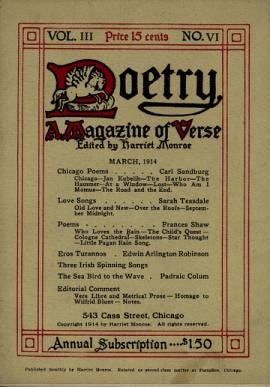
Chicago by Carl Sandburg, 1914
Hog Butcher for the World, Tool Maker, Stacker of Wheat, Player with Railroads and the Nation’s Freight Handler; Stormy, husky, brawling, City of the Big Shoulders:
They tell me you are wicked and I believe them, for I have seen your painted women under the gas lamps luring the farm boys.
And they tell me you are crooked and I answer: Yes, it is true I have seen the gunman kill and go free to kill again.
And they tell me you are brutal and my reply is: On the faces of women and children I have seen the marks of wanton hunger.
And having answered so I turn once more to those who sneer at this my city, and I give them back the sneer and say to them:
Come and show me another city with lifted head singing so proud to be alive and coarse and strong and cunning.
Flinging magnetic curses amid the toil of piling job on job, here is a tall bold slugger set vivid against the little soft cities;
Fierce as a dog with tongue lapping for action, cunning as a savage pitted against the wilderness, Bareheaded, Shoveling, Wrecking, Planning, Building, breaking, rebuilding,
Under the smoke, dust all over his mouth, laughing with white teeth, Under the terrible burden of destiny laughing as a young man laughs, Laughing even as an ignorant fighter laughs who has never lost a battle, Bragging and laughing that under his wrist is the pulse, and under his ribs the heart of the people,
Laughing!
Laughing the stormy, husky, brawling laughter of Youth, half-naked, sweating, proud to be Hog Butcher, Tool Maker, Stacker of Wheat, Player with Railroads and Freight Handler to the Nation.
Brilliant, brilliant, brilliant.
The repetition, the call and response conversation, the juxtaposition of ugly and proud.
The simile — the fierce dog, the grinning fighter.
The heart of the people.
This truly is America, the beautiful and horrible tangled up with insatiable pride and hope.
Building, breaking, rebuilding. . .
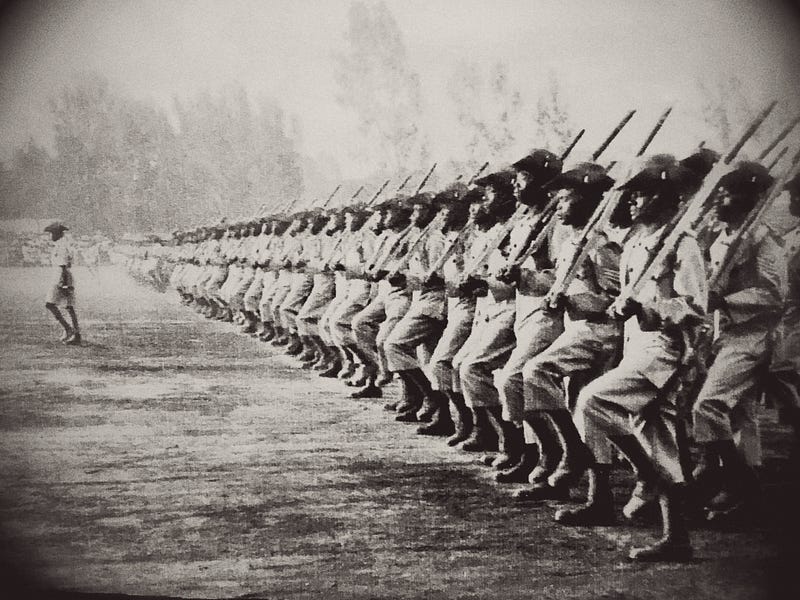
A. E. F. Carl Sandburg 1920
There will be a rusty gun on the wall, sweetheart, The rifle grooves curling with flakes of rust. A spider will make a silver string nest in the darkest, warmest corner of it. The trigger and the range-finder, they too will be rusty. And no hands will polish the gun, and it will hang on the wall. Forefingers and thumbs will point casually toward it. It will be spoken among half-forgotten, whished-to-be-forgotten things. They will tell the spider: Go on, you’re doing good work.
History is the heartbeat behind this poem. I can’t imagine how a chronicler of the Civil War and lover of Lincoln could not hate of the source of the killing and death. A.E.F. stands for the American Expeditionary Force, the units that served on the Western Front during World War I. 119,000 dead, 204,000 wounded in some of the nastiest, most futile combat in the history of humanity. (If you want to go deep in the weeds, I highly recommend Dan Carlin’s Hardcore History Episode Blueprint for Armageddon).
A.E.F. is a beautiful reworking of the old Biblical image of beating swords into plowshares.
Sweetheart. . .genius little detail, adding the audience into the poem.
Bless the spider who makes its home on guns laid down and unused.
Bless the half-forgotten memory of violence — this could well be a prayer for America today.
Bless Sandburg for articulating a century ago the desire of our hearts for peace today.
(for the ghost of Johann Sebastian Bach)
He was born to wonder about numbers.
He balanced fives against tens and made them sleep together and love each other.
He took sixes and sevens and set them wrangling and fighting over raw bones.
He woke up twos and fours out of baby sleep and touched them back to sleep.
He managed eights and nines, gave them prophet beards, marched them into mists and mountains.
He added all the numbers he knew, multiplied them by new-found numbers and called it a prayer of Numbers.
For each of a million cipher silences he dug up a mate number for a candle light in the dark.
He knew love numbers, luck numbers, how the sea and the stars are made and held by numbers.
He died from the wonder of numbering. He said good-by as if good-by is a number.
Deceptively simple, but the more I reread Numbers Man, the more profound I find it. Magnificent. I hope the ghost of Bach is satisfied!
The Hammer by Carl Sandburg
I have seen The old gods go And the new gods come.
Day by day And year by year The idols fall And the idols rise.
Today I worship the hammer.
In case you missed: Exodus Prompt
Responses — I love them all, but if you’re short on time, you MUST read the first, Leaving by Jo Ann Harris
Guérin Asante Sylvia Wohlfarth Dennett Anna Rozwadowska Lindsay Lonai Linegar Carver Bain Michelle Muses Aaska Ejaz Chiedza Kikumi LB Blue Fences kurt gasbarra
Jo Ann Harris FILZA CHAUDHRY Suwimali Bandara Kurt Gasbarra Crystal E.Wild Flower Sarah Book Amy Jo Reynolds antoinette nevitt Dennett Joe Váradi Austin Briggman Dana Sanford Shringi Kumari Anisesh Tracy Aston wimpy af Ashwini Dodani Vaishali Paliwal Leah J.🕊 Tapan Avasthi Maymuuna Seth Cason