
Prompt: Gwendolyn Brooks
“We are things of dry hours and the involuntary plan, Grayed in, and gray.”
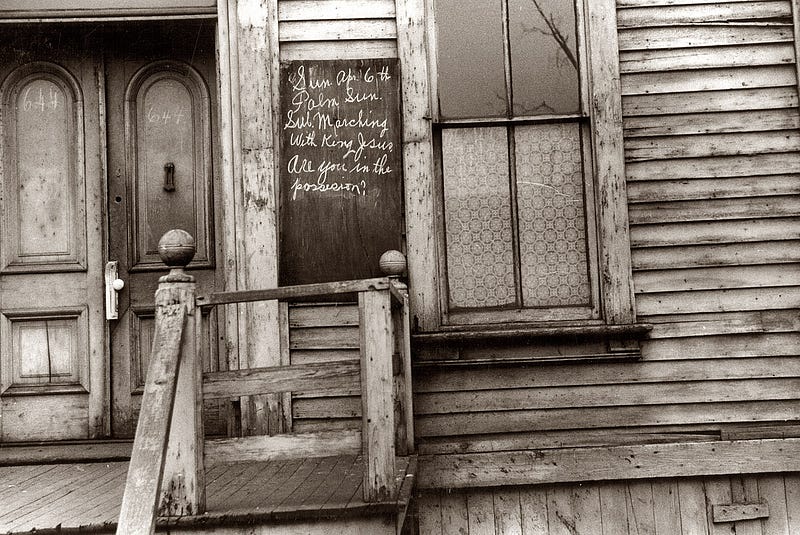
Happy New Year, and thanks Lisa Tomey for the introduction to Gwendolyn Brooks (see Lisa’s prompt below). I want to share a follow-up piece and invite you all to join in!
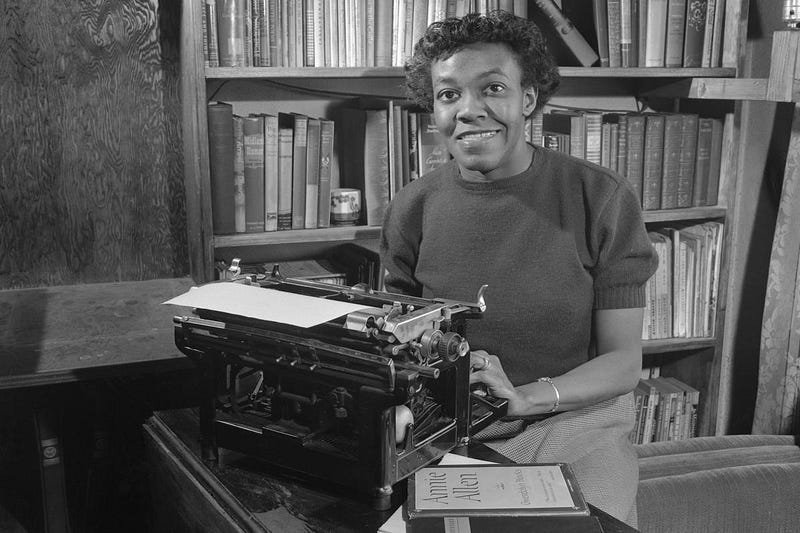
Gwendolyn Brooks is a master wordsmith and scholar with feet firmly rooted in the broken America of her youth, the 1940’s and 1950’s in the Chicago community dubbed the Black Belt (Southside).
She is a trailblazer. I hear echoes of her footfalls in Langston Hughes, Maya Angelou, Ta Nehisi Coates.
Brooks performs alchemical substitutions with every poem, exchanging a snapshot of life, whether real or fictitious, for the entire human experience — poverty, love, race. But she transcends all of these.
Maya Angelou famously said about her own writing “when I say I, I mean we,” meaning that she spoke on behalf of her people.
Brooks, on the other hand, often speaks on behalf of her people in third person.
When she says Henry Rago, Satin-Legs Smith, Rudolph Reed, or Jessie Mitchell’s mother, she means “we.”
Prompt: Third Person Narrative Poem
Create a character and tell their story, and keep in mind the “we” context of your life, your community.
If it’s easier to use a real person than fictional character, that’s okay. No hard and fast rules, just create and speak from your heart and your imagination!
Excerpts and links to poems are below. I highly recommend clicking through and reading some of the full works on Poetry foundation. Brilliant, brilliant writing.
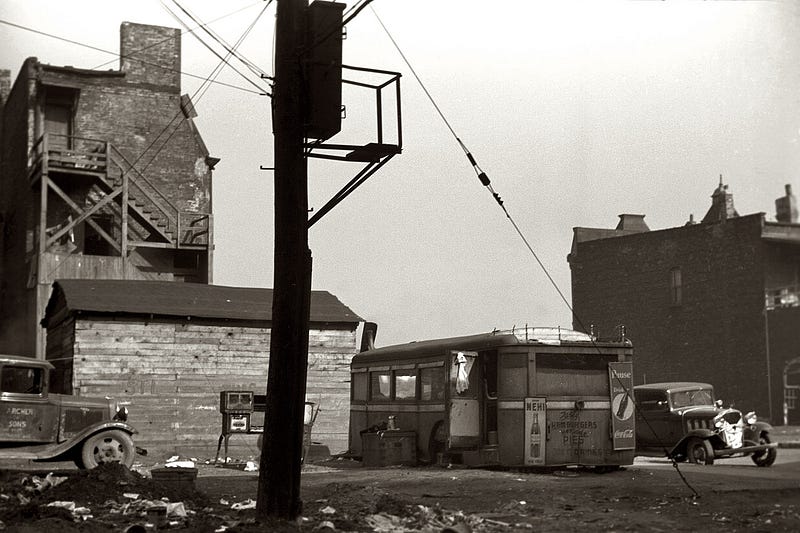
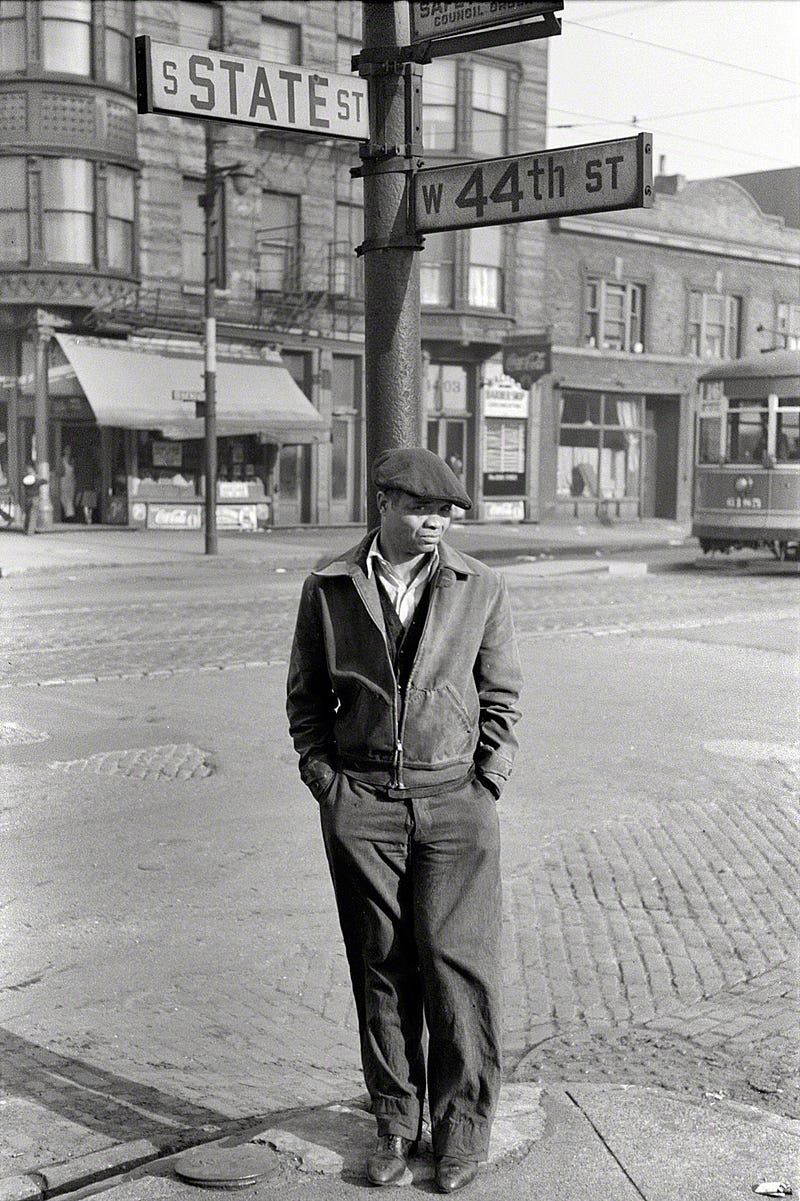
If you want to go deep down the rabbit hole on historical pictures, click through the links below the images. The New York Public Library has a brilliant collection available on Unsplash and Shorpy has a treasure trove of photos from 1850–1950.
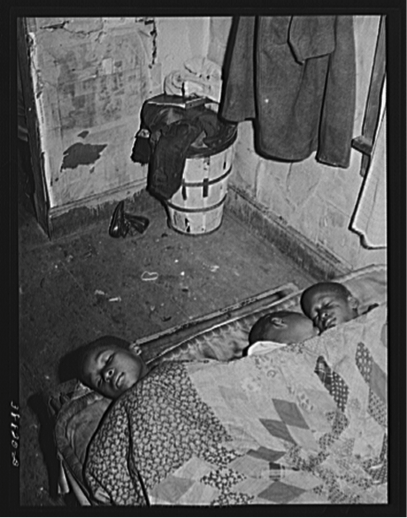
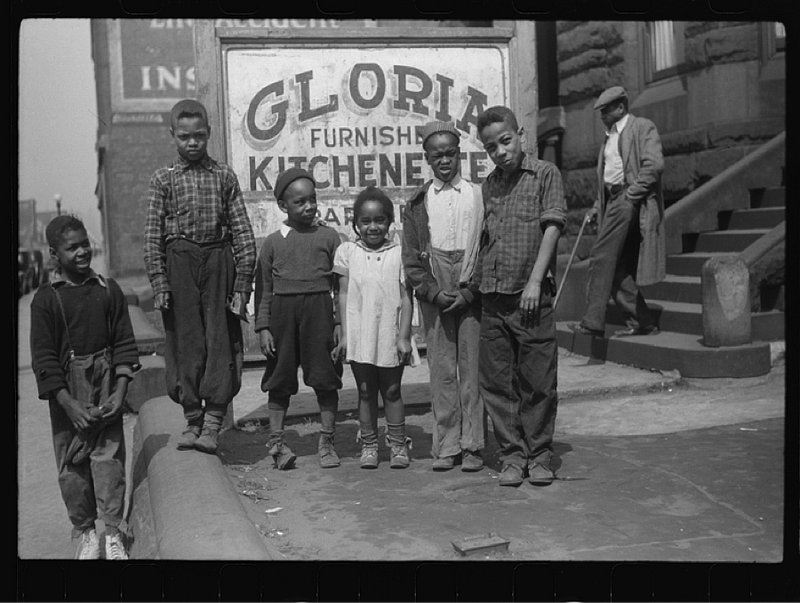
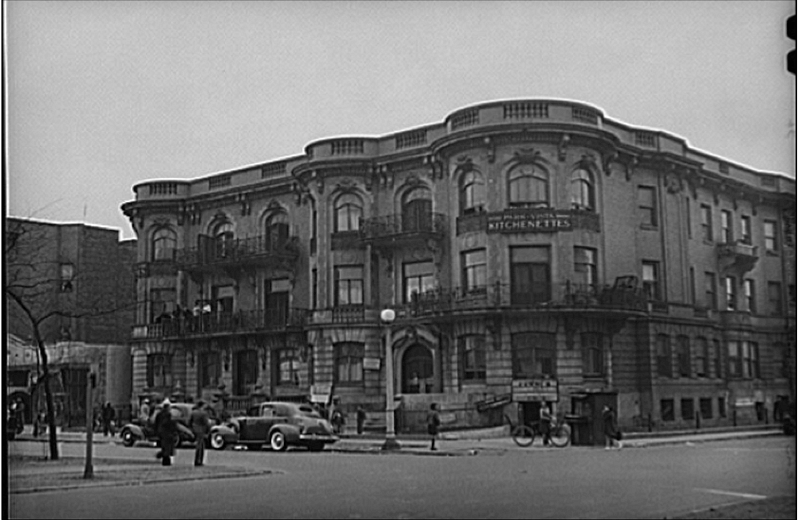
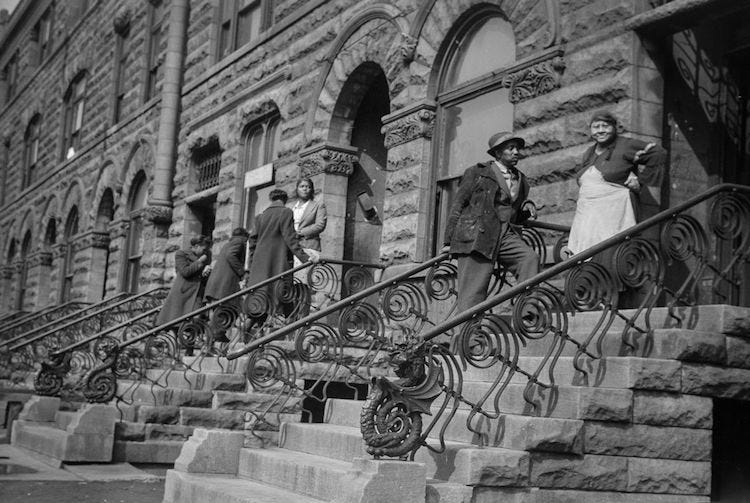
from Kitchenette Building
We are things of dry hours and the involuntary plan, Grayed in, and gray. “Dream” makes a giddy sound, not strong Like “rent,” “feeding a wife,” “satisfying a man.”
from The Lovers of the Poor
Their guild is giving money to the poor. The worthy poor. The very very worthy And beautiful poor. Perhaps just not too swarthy? perhaps just not too dirty nor too dim Nor — passionate. In truth, what they could wish Is — something less than derelict or dull. Not staunch enough to stab, though, gaze for gaze! God shield them sharply from the beggar-bold! The noxious needy ones whose battle’s bald Nonetheless for being voiceless, hits one down. . .
Their League is allotting largesse to the Lost. But to put their clean, their pretty money, to put Their money collected from delicate rose-fingers Tipped with their hundred flawless rose-nails seems . . .
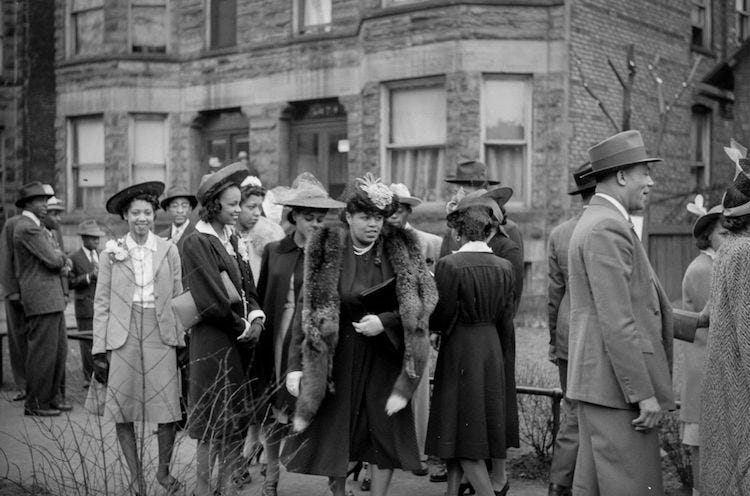
from Jessie Mitchell’s Mother
The stretched yellow rag that was Jessie Mitchell’s mother Reviewed her. Young, and so thin, and so straight. So straight! as if nothing could ever bend her. But poor men would bend her, and doing things with poor men, Being much in bed, and babies would bend her over, And the rest of things in life that were for poor women, Coming to them grinning and pretty with intent to bend and to kill.
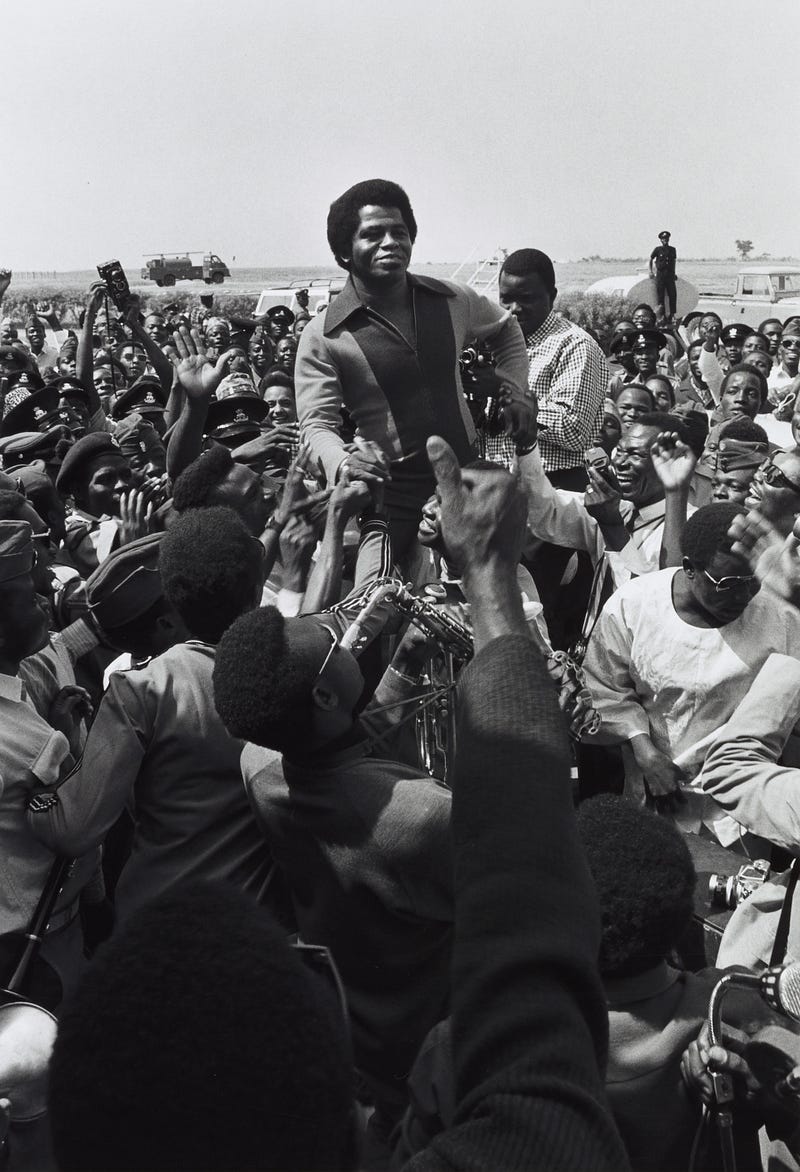
from the Sundays of Satin-Legs Smith
People are so in need, in need of help. People want so much that they do not know.
Below the tinkling trade of little coins The gold impulse not possible to show Or spend. Promise piled over and betrayed.
These kneaded limbs receive the kiss of silk. Then they receive the brave and beautiful Embrace of some of that equivocal wool. He looks into his mirror, loves himself — The neat curve here; the angularity That is appropriate at just its place; The technique of a variegated grace.
Here is all his sculpture and his art And all his architectural design. Perhaps you would prefer to this a fine Value of marble, complicated stone. Would have him think with horror of baroque, Rococo. You forget and you forget.
And even and intrepid come The tender boots of night to home.
Her body is like new brown bread Under the Woolworth mignonette. Her body is a honey bowl Whose waiting honey is deep and hot, Her body is like summer earth, Receptive, soft, and absolute …
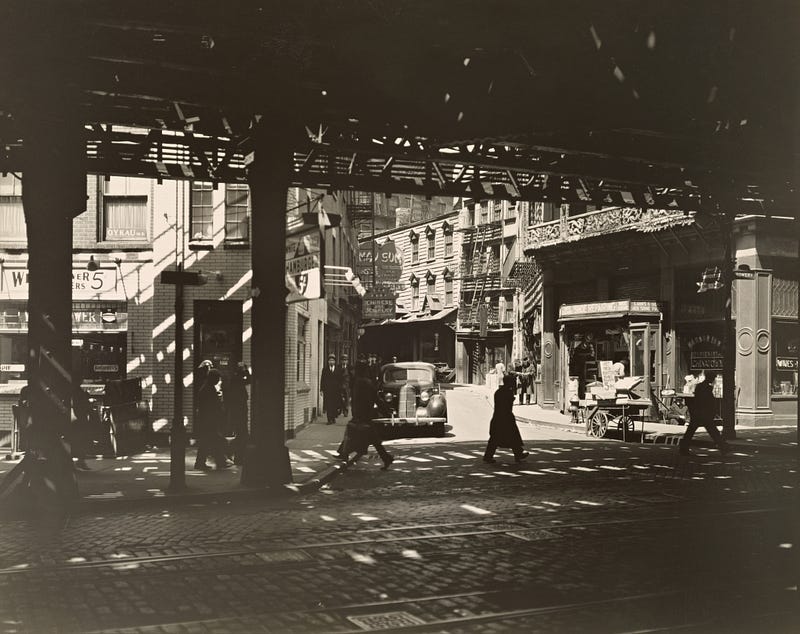
from Primer for Blacks
Blackness stretches over the land. Blackness — the Black of it, the rust-red of it, the milk and cream of it, the tan and yellow-tan of it, the deep-brown middle-brown high-brown of it, the “olive” and ochre of it — Blackness marches on.
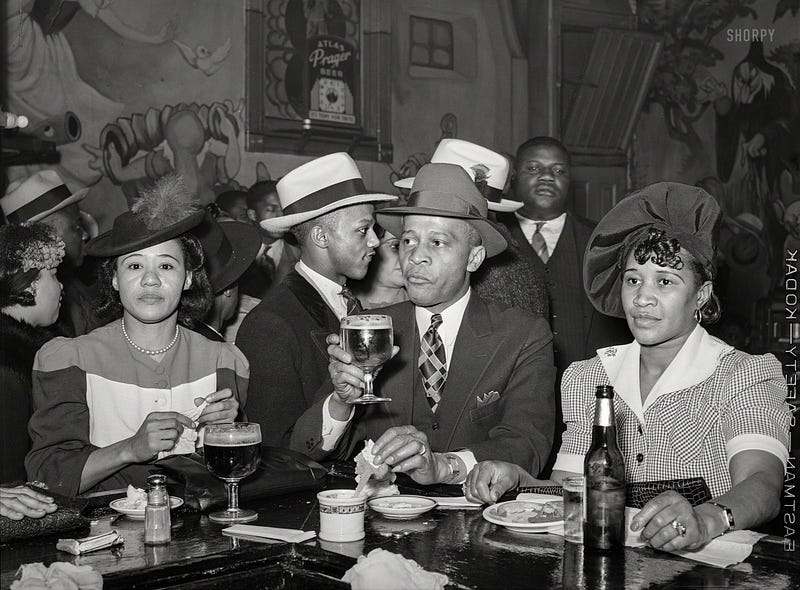
from the Blackstone Rangers
Mary is a rose in a whiskey glass.
Mary’s Februaries shudder and are gone. Aprils fret frankly, lilac hurries on. Summer is a hard irregular ridge. October looks away. And that’s the Year!
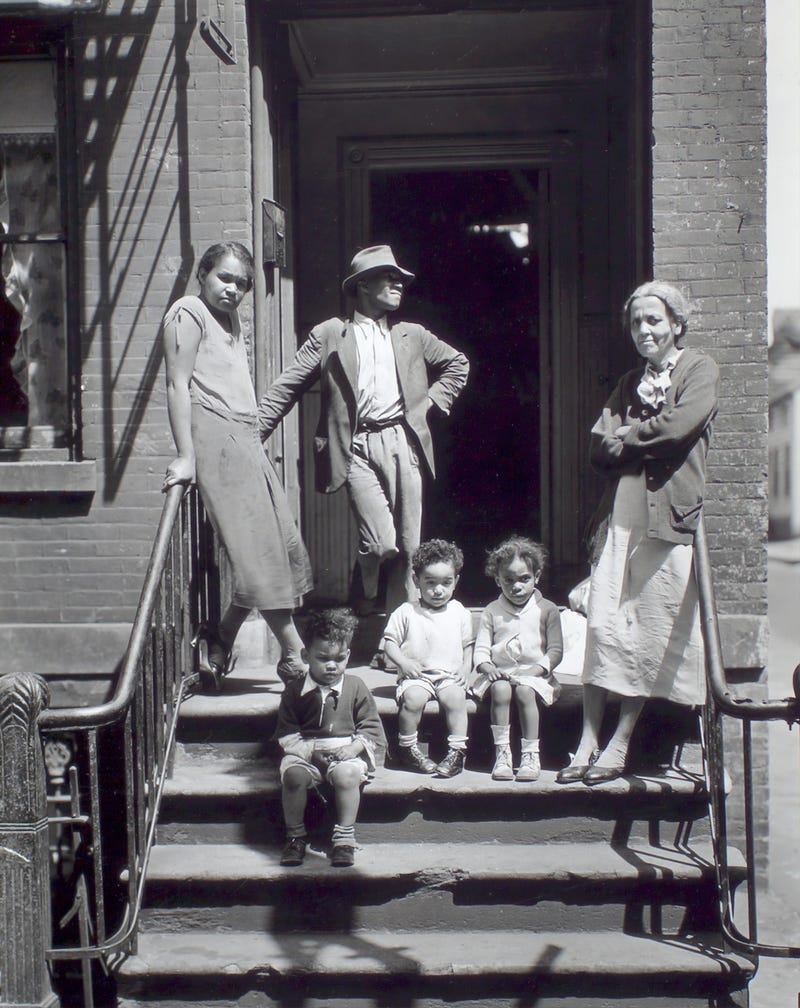
Rudolph Reed was oaken. His wife was oaken too. And his two good girls and his good little man Oakened as they grew.
“I am not hungry for berries. I am not hungry for bread. But hungry hungry for a house Where at night a man in bed
”May never hear the plaster Stir as if in pain. May never hear the roaches Falling like fat rain.
“Where never wife and children need Go blinking through the gloom. Where every room of many rooms Will be full of room.
from my dreams, my works, must wait till after hell
I hold my honey and I store my bread In little jars and cabinets of my will. I label clearly, and each latch and lid I bid, Be firm till I return from hell.
November 1944
Each body has its art, its precious prescribed Pose, that even in passion’s droll contortions, waltzes, Or push of pain — or when a grief has stabbed Or hatred hacked — is its and nothing else’s. Each body has its pose. Not other stock That is irrevocable, perpetual, And its to keep. In castle or in shack. With rags or robes. Through good, nothing, or ill. And even in death a body, like no other On any hill or plain or crawling cot Or gentle for the lilyless hasty pall (Having twisted, gagged, and then sweet-ceased to bother), Shows the old personal art, the look. Shows what It showed at baseball. What it showed in school.
Picture 1: “Chicago, Illinois” Russell Lee. April 1941. Farm Security Administration — Office of War Information Photograph Collection.
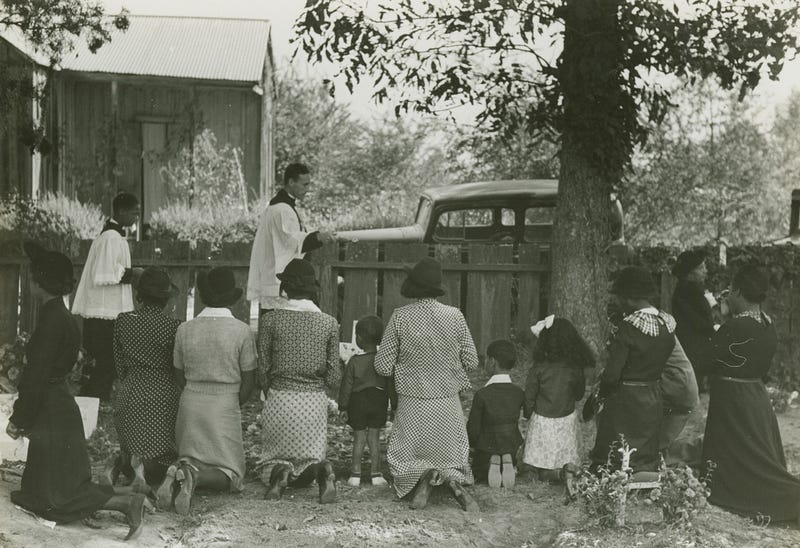
Picture 2: Gwendolyn Brooks, Poetry Foundation Getty Images
Picture 3: “In the ‘Kitchenette’ area on South parkway, a formerly well-to-do avenue.” Chicago, Illinois. April 1941. Edwin Rosskam. Farm Security Administration — Office of War Information Photograph Collection. Courtesy of the Library of Congress.
Picture 4: : “Kitchenette apartments on South Parkway, Chicago, Illinois. These are rented to Negroes.” April 1941. Farm Security Administration — Office of War Information Photograph Collection.
Guérin Asante Sylvia Wohlfarth Dennett Anna Rozwadowska Lindsay Lonai Linegar Carver Bain Michelle Muses Aaska Ejaz Chiedza Kikumi LB Blue Fences kurt gasbarra
Jo Ann Harris FILZA CHAUDHRY Suwimali Bandara Kurt Gasbarra Crystal E.Wild Flower Sarah Book Amy Jo Reynolds antoinette nevitt Dennett Joe Váradi Austin Briggman Dana Sanford Shringi Kumari Anisesh Tracy Aston wimpy af Ashwini Dodani Vaishali Paliwal Leah J.🕊 Tapan Avasthi Maymuuna Seth Cason Brian Fehler Simon Heathcote Sonam Arora Nadine Morsch Ngang God’swill N. Lisa Tomey Shobha Roy D. E. Fulford poetsarah Gretchen Lee Bourquin 💗POM-poet!💗 Joey L. Sara Stasi Abigail Siegel M.J. Falke Samantha Lazar


