Producers: Mali Is Taking A Larger Chunk of the Gold Miners Pie With Government’s New Mining Law

A new mining law targeting global gold miners in Mali has been reportedly coming into fruition as the military-coup inspired government seeks to increase the government’s stake in gold mining projects from 20% to 35%. The North Africa Post
Mali is one of the biggest gold producers in Africa, where the world’s largest miners, like Barrick Gold and B2Gold, carry out gold mining operations.
However, political instability is nothing to underestimate in this country. The fact that the mining law hasn’t actully come into effect reveals that there are mostly likely other factors coming into play, which could cause the Malian government to back down from its stance.
Gold is one of the only economic drivers for Mali’s future, and while this might sound like a travesty for one of the African Sahel’s poorest areas, the demand for gold has absolutely taken a much bigger share of global mining prospects and demand.
Copper is the other part of this story…
A big headline for mining news and global commodities markets came out recently, when it was announced that the Democractic Republic of Congo (DRC) would likely take the top spot of global copper production in a surge of investments into the country to ramp up output of the commodity.
Currently, South American producers in Chile and Peru hold the world’s top rankings for global copper production. But according to these reports, DRC has become a more attractive place to establish new copper mines and increase output due to higher-grade ores. Reuters
In a related story, the United Arab Emirates (UAE) has been given exclusive rights to export artisanal gold from DRC mines. Controversy over the status of the contract has been followed by ‘Le Congo n’est pas a vendre’ (Congo is not for sale) as human rights and smuggling issues in DRC’s artisanal mining trade are no secret to the world of commodities.
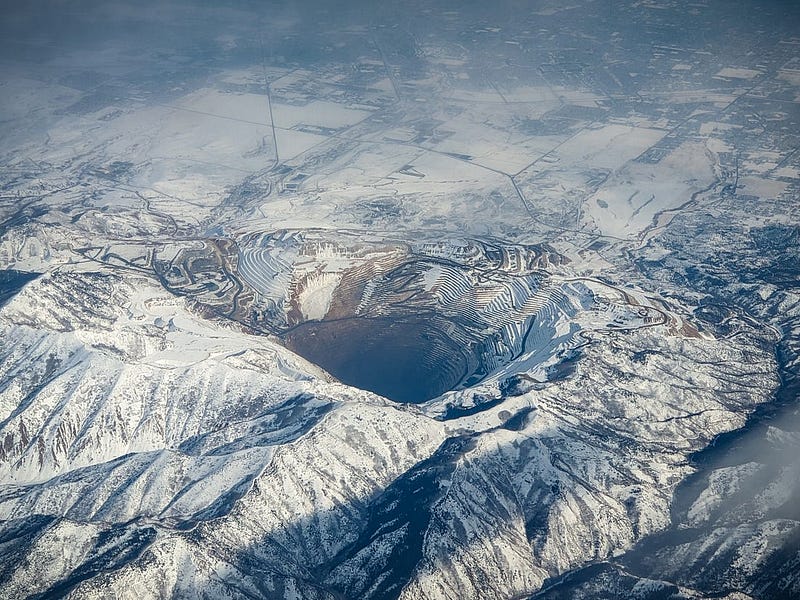
Barrick Gold is now going for copper mines in risky jurisdictions.
On 19 June 2023 it has been widely reported that Barrick Gold CEO Mark Bristow has signaled to global commodities markets the company’s intentions to increase their mining exposure to copper.
With alot of attention on the recent merger and acquisition of Australian-based Newcrest Mining by the world’s largest gold producer Newmont, Barrick now sits at the top of the gold mining sector facing a dim outlook on gold prices.
A report by Bloomberg noted that Barrick’s CEO views copper plays as a “strategic commodity” along with the rising demands for electrification and mining. Moreover, the report dives into how Bristow likes to play the global commodities markets by investing and producting in some of the world’s riskier jurisdictions, like Pakistan. Bloomberg
As global mining projects take off, this trend of companies going into riskier jurisdictions for the much-needed minerals are a key source of concern for the development of future-facing commodities.
Newmont is considered to be the largest gold miner and producer in the world. The company recently announced a new investment plan for its Santz Cruz gold mine in Argentina, whereby it will invest $540 million to extend the life of mine (LoM) there until 2034.
But that’s not at all. Newmont has also been in the news after it agreed to acquire Australia-based Newcrest mining in a deal worth $19.2 billion. Investopedia
Based in Colorado, United States, Newmont is already at the top tier of gold miners. This deal to aquire Newcrest, however, just gave the company a significant global reach in copper production capacity. According to Stockhead this acquisition signifies Newmont’s push into the future-facing commodities.
If you haven’t been following the gold price this year, then I have no idea what’s been taking your attention. Ever since inflation hikes and debt ceiling talks, gold has been at the top of the discussion of global markets.
And the next big discussion will inevitably be on the future-facing commodities: copper, nickel and potash. To know more about the future-facing commodities, read this full story in Areas & Producers:


