
Probiotics | Five things to look for in probiotic products | Traditional vs Probiotic Yogurt | CFU’s

Around 8000 BC, Tibetan nomads living at altitudes >4000 m maintained good health despite the absence of fruits and vegetables in their diet, in part by consuming fermented yak milk and its products.
Only eight ounces of yak milk daily could provide >200 billion lactobacilli, mainly Lactobacillus fermentum.
What is a good definition of Probiotics:
As per WHO — “Probiotics are live microorganisms which when administered in an adequate dose confer a health benefit on the host”
Where are they found in our body:
Probiotics are part of our gut bacteria (Microbiome), which is a community of microbes.
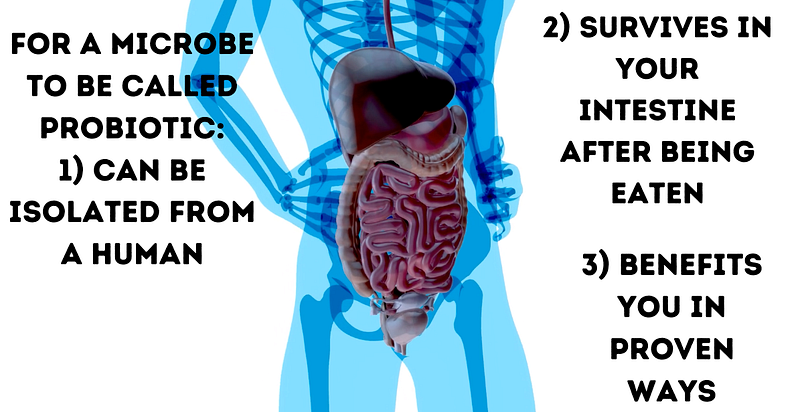
Top 6 health benefits of Probiotics:
- Gastrointestinal symptoms — Probiotics have been used to ameliorate gastrointestinal symptoms since ancient times.
2. Helps relieve Constipation.
3. Helps in antibiotic-associated diarrhea.
A meta-analysis of 19 recent studies showed that probiotics reduced the risk of developing antibiotic-associated diarrhea by 52 percent.
The benefit was greatest when the probiotics were started within 72 hours of the onset of antibiotic treatment.
4. Probiotics may reduce the severity of pain and bloating in irritable bowel syndrome.
5. Supports gut health.
6. Boosts immunity: Over the past 40 years, probiotics have been shown to impact the immune system.
What are few top Probiotic foods:
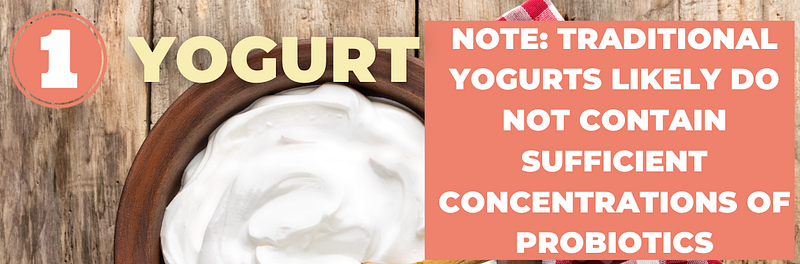
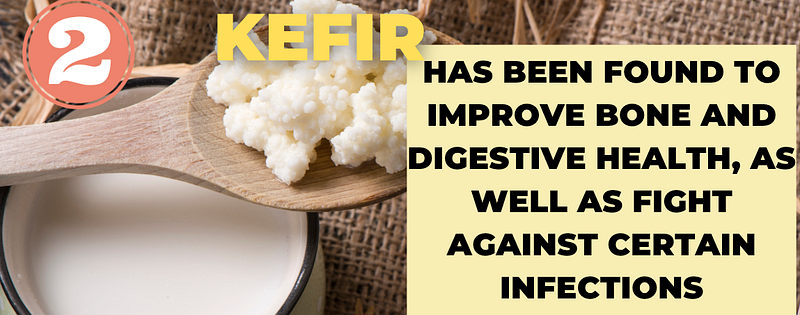
Traditional vs probiotic yogurts: All yogurts are made by bacterial fermentation but not all yogurts end up having live bacterial cultures. A probiotic yogurt will have live cultures.
3. Kimchi: Kimchi contains the lactic acid bacteria (Lactobacillus kimchi) that play a vital role in keeping the digestive system healthy.
Vitamin K, riboflavin (vitamin B2), and iron are abundant in cabbage-based kimchi.
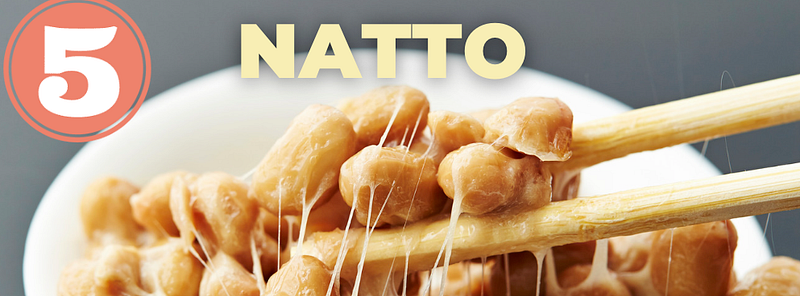
4. Miso 5. Natto

According to one research, regular intake of miso soup is connected with a reduced risk of breast cancer.
Natto is an excellent source of both protein and vitamin K2, an essential nutrient for maintaining bone and cardiovascular health.
6. Pickles: Cucumbers that have been pickled provide a rich amount of beneficial probiotic bacteria, which may promote better digestive health.
7. Traditional Buttermilk: The conventional definition of buttermilk refers to the liquid that remains after creating butter. Only this variety includes the actual probiotics.
8. Kombucha: Fermented tea.
- Make sure your probiotic supplement has soil-based probiotics and is shelf-stable (Means NO need to be refrigerated)
2. High CFU Count: Choose a probiotic brand that has a higher number of probiotics, ideally at least 20 billion per serving.
3. Strain Diversity: Select a probiotic supplement that has 10 or more probiotic strains, such as Lactobacillus, Bifidobacterium, Streptococcus…. strains.
4. Survivability: Look for formulas that are in delayed release capsules, such as DRcaps that protects from stomach acid.
Prebiotics: To support the growth of probiotics once they get into your system, it is essential that prebiotics are also included in the supplement formula.
How do Probiotics work?


Antibiotics can disrupt the balance of bacteria in our body. Probiotics can help balance these levels of bacteria, and help lessen side effects.
When to avoid:
It is advisable to avoid taking probiotics when one has an impaired immune system or a condition that affects the intestinal tract.
The most widely used and thoroughly researched probiotic organisms are 1.Lactobacillus sp. (L. acidophilus, L. rhamnosus, L. bulgaricus, L. reuteri, L. casei), 2. Bifidobacterium sp., and 3. Saccharomyces boulardii (a nonpathogenic yeast).
Note: My intent with my writings is to create health awareness. Please always consult a medical professional before consuming anything. Thank you for reading.