
Privacy In A Digital Age
We opened our lives to social media, is it fair to expect privacy now?
This thing called privacy
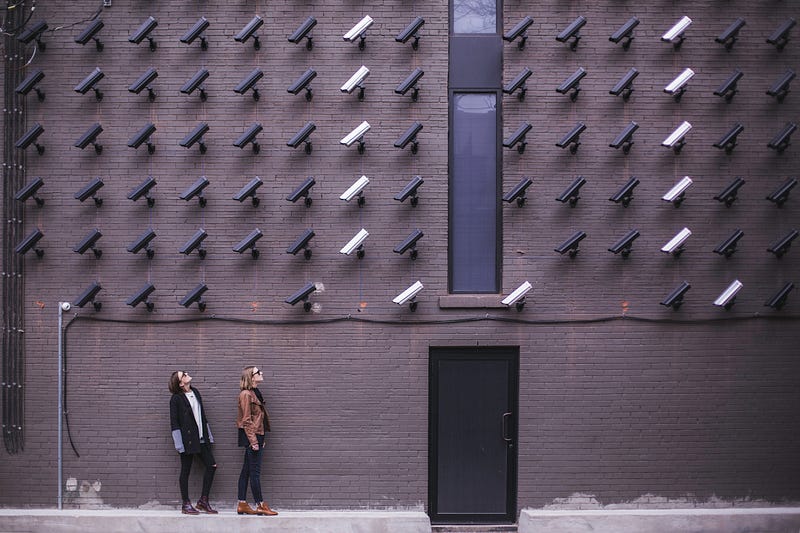
I work in healthcare, several years ago the powers that be began installing cameras in the workspace. Then, they installed more cameras until the only camera-free areas are the patient care areas and the bathrooms … or so they tell us.
It seems rmployees are not afforded any privacy!
To remain gainfully employed the unspoken rule is; you leave your privacy at the door. We are recorded and watched every minute of every day. Except maybe when we are in the bathroom. It is an uncomfortable space in which to optimally function as you can never really fully be yourself under the everpresent watchful eyes and ears.
Is this the convenience of technology? Does our employer have the right to record my likeness and everything I say or do during the workday? Is that the price we must pay for the ability to feed our families?

Our dependence on technology, the one that affords us “all” the conveniences and ease of communication has another side, a dark ugly one. Almost everyone currently does or has had a social media account where we post the latest details of our lives for all to see.
We do not give much credence to the warning that big brother is always watching! Not just the government, but the powers-that-be, the technological giants big and small.
I think initially most of us were ecstatic with this invention called the cell phone. And we still are. Almost everyone has had or uses a cell phone. What we failed to grasp and are just beginning to understand is — for every action there is an equal and opposite reaction, according to Newton’s third law of motion.
So while technology has allowed us the convenience and ease of communication and information exchange, it has been surreptitiously eroding our rights to our privacy.
Absolutely nothing is private any longer, that same camera that affords us the luxury of communication and posting images out in the cosmos, is the very one keeping an eye on us 24/7. The same two-way cameras are used to invade our homes and lives.
Privacy-what does it mean to us?
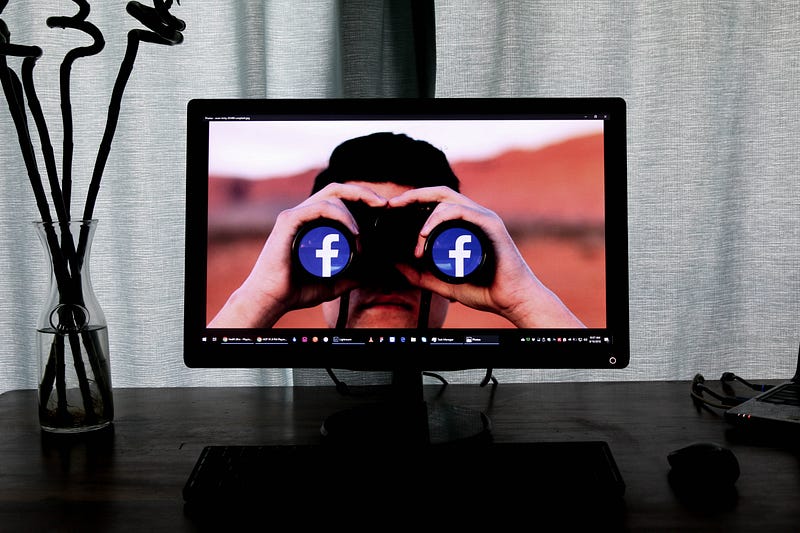
Per the American Civil liberties Union(ACLU), our digital footprint is a fluid process and the pace of its growth outperforms the archaic laws put in place to protect our privacy.
Tech companies are recording and storing more and more information about consumers. They are privy to many aspects of our lives. They access and store our online searches, who we communicate with, where we go, what we buy, our medical records, even our location at all times is tracked based on technologies to which we are joined at the hip.
Somebody’s watching
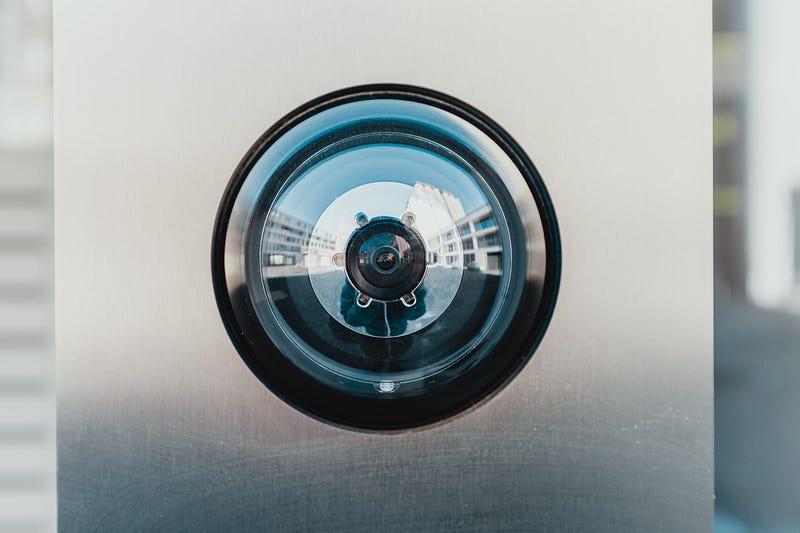
Every time we visit a retail store we are watched and assessed at all times. Those images are stored and used and analyze our patterns of behavior and will influence how we shop in the future.
Several family and friends have camera surveillance in and around their homes. If we are aware we are being recorded and proceed then an unspoken consent has been given. It seems we are forever being recorded and our likeness, movements, and information collected and stored to later for later use.
Google Home, Alexa, and several of the so-called “helpful” technology to which many of us are addicted are actively spying and may use that information against us in the future.
Technology and the children
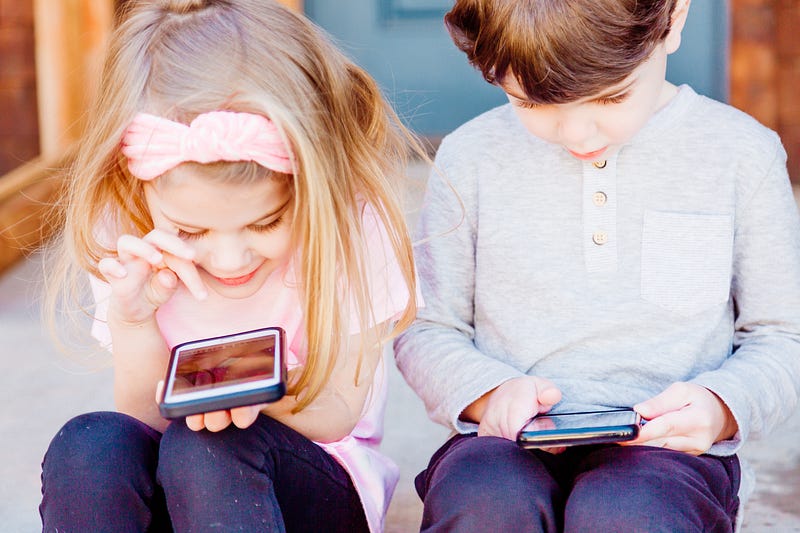
I worry that kids who have never known a time without technology will never be able to function without it in the event of a catastrophe.
My child, for example, sits in the family car with her head bent over her phone. How would she ever find her way home in the event her GPS is not working or if she has to take a different route?
Our technologies reside on our nightstand, next to, or in our beds, and are never more than an arms-length away from us.
My teenage daughter is co-joined to her phone that she never emerges from her room without it. When she does her chores it is there, if she is making a sandwich it is there, I even nicknamed her “Edward's phone hand”.
She is always on with a friend and even that is a violation of our home privacy. As others are privy to the happenings in our personal space without permission.
Final thoughts
Now that technology has become so indispensable to us, can we/do we even wish to reclaim our privacy if it means a tradeoff in information access?
I don’t see many of us trying to give up the technologies that have now become indispensable to us.
Therefore, we will have to take comfort in the fact that our loss of privacy is a direct result of a trade-off we consciously or unconsciously made in order to use their products and services.
Reference:


