avatarDestiny S. Harris

Free AI web copilot to create summaries, insights and extended knowledge, download it at here

2896

Abstract

/prison store for inmates) are low quality and filled with additives. Lastly, vegetables, one of the essential nutrients of our diet, are frequently nowhere to be found in these facilities.</p><h2 id="737e">Medication</h2><p id="1acd">Often, inmates don’t receive the medication they need for multiple days at a time. And if you don’t have family, friends, or outside support to pick up your prescription to drop off at the jail, you may not get your medication at all.</p><h2 id="db68">Dental</h2><p id="b273">Suppose you have complicated dental issues (e.g., need a root canal) and holes in your teeth (i.e., cavities). In that case, they often let you suffer in pain leading to significant dental deterioration.</p><p id="699a">Floss is usually not provided because it is considered a hazard, but this only leads to further tooth decay among many inmates.</p><p id="78fd"><b>Poor dental health <i>is</i> directly linked to poor mental health.</b></p><blockquote id="d4e1"><p><i>Research has now shown a strong relationship between gum disease and many mental health problems, including stress, depression, distress, anxiety, and loneliness. By taking good care of your teeth, getting regular dental checkups, and treating any dental problems that occur, you can keep your mouth healthy and also reduce your risk of developing a serious medical condition (see below for list). If you already have one of these health problems, it’s vital that you take good care of your mouth to keep the condition from getting worse.</i></p></blockquote><blockquote id="4f5b"><p><b><i>Poor oral health can cause these serious health problems:</i></b></p></blockquote><blockquote id="4dfc"><p>- Stroke

  • Diabetes
  • Heart disease
  • Kidney disease
  • Alzheimer’s disease
  • Mental health problems
  • Pregnancy complications</p></blockquote><blockquote id="b29f"><p>Source: <a href="https://www.everydayhealth.com/dental-health/oral-conditions/oral-health-and-other-diseases.aspx">Everyday Health</a></p></blockquote><h2 id="7273">Bias</h2><p id="714f">If you have family who regularly supports you with meal & snack kits, books (educational materials), and money for commissary and communications, you might be inappropriately targeted by personnel. Furthermore, if your family pays for something to be legally delivered to an inmate, they may not receive it because the personnel is directly targeting the inmate without just cause.</p><h2 id="d62f">Discourage Education</h2><p id="d2d8"><i>Personnel will limit your educational materials and books instead of encouraging personal development.</i></p><p id="fe9a">Sometimes you can only have 1 or 2 books at a time, or they might seize all of your books for no apparent reason.</p><p id="f4b3">When you’re in jail, all you have is time on your hands.</p><p id="714c">Why are institutions only allowing inmates to have a limited number of books to improve their m

Options

inds? It seems counterproductive since they preach how they want to decrease recidivism (the tendency of a convicted criminal to re-offend).</p><h2 id="06e1">23 Hours</h2><p id="9250">Institutions don’t advertise this, but many keep inmates locked up in a tiny cell with three other people 23–24 hours a day. Sometimes inmates don’t come out of their cells for weeks at a time at this rate.</p><p id="52e8">Often, this treatment leads to inmates going mad.</p><p id="fde6">You might have heard about inmates attacking officers; this is often due to inmates being stuck in their tiny cells for days or weeks at a time. Some inmates even lose their sense of reality and attack officers to ensure their experience is not a figment of their imagination.</p><h2 id="2cb7">Sleep</h2><p id="8e26">An inmate’s mattress is often as thick as a stack of paper leading to back problems and poor sleep. On top of that, the constant noise in these facilities can produce widespread insomnia for many inmates.</p><h2 id="4ac5">Exploitative Communication Costs</h2><p id="e1df">They charge ~1 to send a text message and ~2 to leave a voicemail for friends and families of inmates. These communication costs add up if you want to consistently chat with your loved one.</p><h2 id="f8a5">Overcrowding</h2><p id="11af">This is no mystery issue. Numerous facilities are overcrowded, leading to infections, outbreaks, fights, lack of essential resources, and even more inhumane conditions for individuals.</p><h1 id="0232">What Can We Do About These Poor Conditions?</h1><p id="fc0d">The first step is to inform society these conditions exist, so we can take strategic and appropriate action to challenge the people who create and perpetuate the discriminatory conditions of these institutions.</p><p id="bb85">The money is often there for these institutions, but discriminatory practices need to end even if funding isn’t there. Furthermore, owners, personnel, and those managing these facilities need to integrate one fundamental practice: kindness.</p><p id="8383"><i>Who are we to judge what inmates may or may not have done to get there in the first place? Inmates are still human beings and should be granted fundamental rights to fair treatment.</i></p><p id="bc39"><i>Hey, I’m <a href="https://readmedium.com/about-me-destiny-s-harris-a598f362bc2c">Destiny</a>. <a href="https://destinyharris.substack.com/subscribe?utm_source=menu&amp;simple=true&amp;next=https%3A%2F%2Fdestinyharris.substack.com%2F">Join my newsletter</a>, and get <a href="https://www.amazon.com/kindle-dbs/entity/author/B01LXU67CA?_encoding=UTF8&amp;offset=0&amp;pageSize=12&amp;searchAlias=stripbooks&amp;sort=price-asc-rank&amp;page=1&amp;langFilter=default&amp;linkCode=ll2&amp;tag=textdestiny-medium-20&amp;linkId=8005a57eb16d7a7466363ea720d3ee2d&amp;language=en_US&amp;ref_=as_li_ss_tl">free books</a> daily.</i></p></article></body>

Prisons And Jails Are Perfect Institutions To Execute Discriminatory Practices

10 Unpopular truths about prisons people keep ignoring
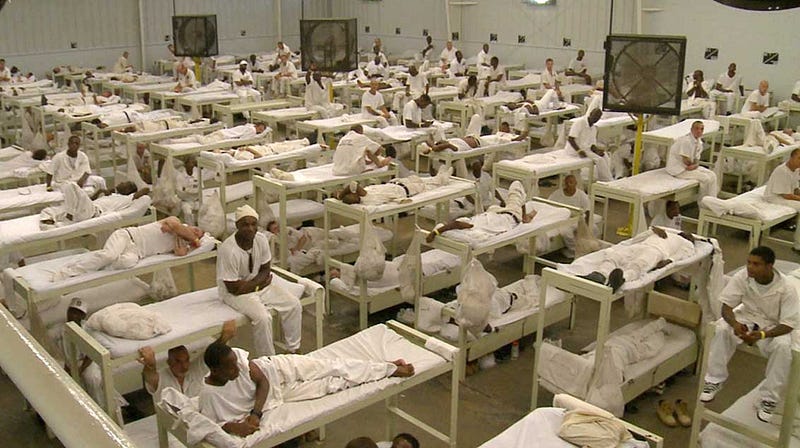
As prison populations surged nationwide in the 1990s and conditions began to deteriorate, lawmakers made it harder for incarcerated people to file and win civil rights lawsuits in federal court and largely eliminated court oversight of prisons and jails. Today, prisons and jails in America are in crisis. Incarcerated people are beaten, stabbed, raped, and killed in facilities run by corrupt officials who abuse their power with impunity. People who need medical care, help managing their disabilities, mental health, addiction treatment, and suicide prevention are denied care, ignored, punished, and placed in solitary confinement. And despite growing bipartisan support for criminal justice reform, the private prison industry continues to block meaningful proposals. | Source: Equal Justice Initiative

Not all inmates are guilty of their crimes. Not all inmates are the same person they were when they committed their crimes. Inmates are still human — even if their behaviors and actions make you believe otherwise.

“There is some good in the worst of us and some evil in the best of us. When we discover this, we are less prone to hate […].” — Martin Luther King

Discriminatory Practices

I’m consistently in touch with an inmate, and through him, I’ve learned about many discriminatory practices prisons and jails execute religiously.

Mental Health

They don’t invest in inmates’ mental health when they show obvious signs of deterioration. Still, they also don’t invest in the inmates’ mental health who show no signs of mental health deterioration.

When you’re incarcerated, you most likely will experience some form of mental health issue (e.g., depression or anxiety).

Nutrition

They don’t invest in inmates’ health. Inmates often receive poor nutrition. At one jail, inmates consistently receive two giant pieces of cornbread and a big piece of lard. If you’re unfamiliar with lard, it’s extracted directly from the fatty tissue of pigs.

Lard has about half as much saturated fat as butter but about double the saturated fat found in olive oil. Saturated fat raises LDLs, the bad cholesterol, and lowers HDLs, the good cholesterol. It’s associated with heart disease, hypertension, diabetes, and obesity. — Michele Henry

The vitamins incarcerated institutions offer in the commissary (jail/prison store for inmates) are low quality and filled with additives. Lastly, vegetables, one of the essential nutrients of our diet, are frequently nowhere to be found in these facilities.

Medication

Often, inmates don’t receive the medication they need for multiple days at a time. And if you don’t have family, friends, or outside support to pick up your prescription to drop off at the jail, you may not get your medication at all.

Dental

Suppose you have complicated dental issues (e.g., need a root canal) and holes in your teeth (i.e., cavities). In that case, they often let you suffer in pain leading to significant dental deterioration.

Floss is usually not provided because it is considered a hazard, but this only leads to further tooth decay among many inmates.

Poor dental health is directly linked to poor mental health.

Research has now shown a strong relationship between gum disease and many mental health problems, including stress, depression, distress, anxiety, and loneliness. By taking good care of your teeth, getting regular dental checkups, and treating any dental problems that occur, you can keep your mouth healthy and also reduce your risk of developing a serious medical condition (see below for list). If you already have one of these health problems, it’s vital that you take good care of your mouth to keep the condition from getting worse.

Poor oral health can cause these serious health problems:

- Stroke - Diabetes - Heart disease - Kidney disease - Alzheimer’s disease - Mental health problems - Pregnancy complications

Source: Everyday Health

Bias

If you have family who regularly supports you with meal & snack kits, books (educational materials), and money for commissary and communications, you might be inappropriately targeted by personnel. Furthermore, if your family pays for something to be legally delivered to an inmate, they may not receive it because the personnel is directly targeting the inmate without just cause.

Discourage Education

Personnel will limit your educational materials and books instead of encouraging personal development.

Sometimes you can only have 1 or 2 books at a time, or they might seize all of your books for no apparent reason.

When you’re in jail, all you have is time on your hands.

Why are institutions only allowing inmates to have a limited number of books to improve their minds? It seems counterproductive since they preach how they want to decrease recidivism (the tendency of a convicted criminal to re-offend).

23 Hours

Institutions don’t advertise this, but many keep inmates locked up in a tiny cell with three other people 23–24 hours a day. Sometimes inmates don’t come out of their cells for weeks at a time at this rate.

Often, this treatment leads to inmates going mad.

You might have heard about inmates attacking officers; this is often due to inmates being stuck in their tiny cells for days or weeks at a time. Some inmates even lose their sense of reality and attack officers to ensure their experience is not a figment of their imagination.

Sleep

An inmate’s mattress is often as thick as a stack of paper leading to back problems and poor sleep. On top of that, the constant noise in these facilities can produce widespread insomnia for many inmates.

Exploitative Communication Costs

They charge ~$1 to send a text message and ~$2 to leave a voicemail for friends and families of inmates. These communication costs add up if you want to consistently chat with your loved one.

Overcrowding

This is no mystery issue. Numerous facilities are overcrowded, leading to infections, outbreaks, fights, lack of essential resources, and even more inhumane conditions for individuals.

What Can We Do About These Poor Conditions?

The first step is to inform society these conditions exist, so we can take strategic and appropriate action to challenge the people who create and perpetuate the discriminatory conditions of these institutions.

The money is often there for these institutions, but discriminatory practices need to end even if funding isn’t there. Furthermore, owners, personnel, and those managing these facilities need to integrate one fundamental practice: kindness.

Who are we to judge what inmates may or may not have done to get there in the first place? Inmates are still human beings and should be granted fundamental rights to fair treatment.

Hey, I’m Destiny. Join my newsletter, and get free books daily.

BlackLivesMatter
Racism
Politics
Business
Journalism
Recommended from ReadMedium